


Beyond AC Repair: Understanding Fall Heating Startup Smells and Short-Cycling
Notice a burning smell during your fall heating startup? Make diagnostics part of your seasonal home maintenance checklist. See what causes short-cycling.
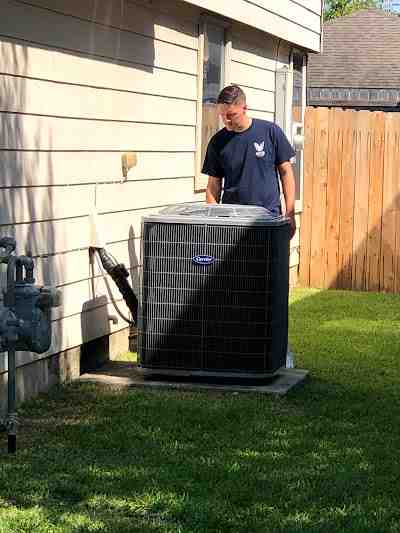
How to tell if your AC compressor is failing comes down to recognizing a handful of clear warning signs before the problem gets worse. If your system is blowing warm air, making strange noises, tripping the circuit breaker, or struggling to start, your compressor may be the culprit. The compressor is the heart of your entire cooling system — when it starts to go, everything else suffers.
Here are the most common signs your AC compressor is failing:
1. Warm or hot air blowing from vents even when the thermostat is set low
2. Weak or reduced airflow throughout the home
3. Strange noises from the outdoor unit — grinding, rattling, clicking, or screeching
4. Frequent circuit breaker trips when the AC runs
5. Hard starting — the system struggles or takes longer than normal to kick on
6. Short cycling — the unit turns on and off repeatedly in short bursts
7. Refrigerant leaks or oily residue visible around the outdoor unit
8. Higher than normal energy bills without a change in usage habits
Catching these signs early can be the difference between a manageable repair and a full system replacement. AC compressors are designed to last 12 to 15 years with proper care — but without attention, problems can develop much sooner. If you're noticing one or more of these symptoms in April 2026's rising heat, it's worth taking a closer look before things get worse.

To understand how to tell if your AC compressor is failing, it helps to know exactly what this heavyweight component does. We often call the compressor the "heart" of the air conditioner because, much like a human heart pumps blood, the compressor pumps refrigerant throughout the entire system.
Located in your outdoor condenser unit, the compressor’s primary job is to circulate refrigerant between the indoor evaporator coil and the outdoor condenser coil. It takes in low-pressure, cool refrigerant gas and squeezes it into a high-pressure, high-temperature gas. This process is essential for heat exchange; without that pressure, the refrigerant wouldn't be able to release the heat it gathered from inside your home to the outside air.
When the compressor is healthy, this cycle happens efficiently, maintaining the perfect balance of system pressure. However, when the compressor begins to struggle, your Air Conditioning Services become less effective. A failing compressor has to work much harder to move that refrigerant, which directly impacts your HVAC Services and leads to a noticeable drop in energy efficiency. In the humid climate of the north side of Harris County, a struggling compressor isn't just an inconvenience—it’s a recipe for an uncomfortably warm home.
Identifying a bad compressor early can save you from a total system breakdown during a Pinehurst heatwave. Because the compressor is a sealed, hermetic unit, internal repairs are rarely possible. This makes recognizing the warning signs even more critical.
• Startup — Healthy Compressor: Smooth, immediate engagement — Failing Compressor: Shaking, stuttering, or "hard starting"
• Vent Temp — Healthy Compressor: Consistently cool (15-20°F drop) — Failing Compressor: Lukewarm or room-temperature air
• Sound — Healthy Compressor: Steady, low-level hum — Failing Compressor: Grinding, screeching, or loud banging
• Cycling — Healthy Compressor: Runs for 15-20 minutes per cycle — Failing Compressor: Turns on/off every few minutes (Short cycling)
• Electrical — Healthy Compressor: Stable power draw — Failing Compressor: Frequently trips the circuit breaker
• Physical — Healthy Compressor: Dry, clean exterior — Failing Compressor: Oily residue or pools of refrigerant
• Energy Bills — Healthy Compressor: Consistent with seasonal weather — Failing Compressor: Unexplained 10-30% increase
One of the most frustrating signs is "short cycling," where the unit turns on and off rapidly. This puts immense strain on the motor and can lead to a complete burnout. You might also notice "hard starting," which is when the outdoor unit visibly shakes or shudders when the cooling cycle begins. These are classic Signs AC Compressor is Failing in Spring as homeowners turn their systems back on for the first time in months.
The most obvious way how to tell if your AC compressor is failing is by simply putting your hand in front of a vent. If the air feels lukewarm or even hot, the compressor likely isn't pumping enough refrigerant to facilitate the cooling process. While a dirty air filter can cause airflow issues, a failing compressor specifically prevents the refrigerant from reaching the correct pressure and temperature to absorb heat.
When the refrigerant flow is restricted or the compressor can't maintain pressure, your cooling capacity drops significantly. Residents needing AC Repair Spring TX often report that their system runs constantly but the house never actually gets cool. This can also lead to evaporator coil issues, such as ice buildup, because the refrigerant isn't moving through the system at the rate it should.
Your air conditioner should hum, not scream. If you hear sounds that belong at a heavy metal concert rather than in your backyard, your compressor is likely in trouble.
• Grinding or Screeching: This usually indicates that the internal bearings are worn out or the motor is seizing.
• Rattling or Banging: These sounds often mean a mounting bracket has come loose or internal components have physically broken off inside the sealed unit.
• Clicking: If you hear a repetitive clicking from the outdoor unit, it may be a relay or electrical component struggling to engage the compressor.
If you suspect these noises are coming from your unit, seeking AC Repair Cypress TX immediately is the best course of action. Ignoring these sounds can lead to a "slugging" situation, where liquid refrigerant enters the compressor and causes catastrophic, irreversible damage.
Many homeowners don't realize that their electrical panel can provide clues on how to tell if your AC compressor is failing. A compressor that is on its last legs will often experience a "high amp draw." This means it requires significantly more electricity than it was designed for just to get the motor turning.
This excessive power demand will trip your circuit breaker to prevent a house fire. If your AC trips the breaker once, it might be a fluke. If it happens repeatedly, do not keep resetting it. This is a major red flag that the compressor is overheating or has an internal electrical short.
In some cases, the problem isn't the compressor itself but a failing capacitor. The capacitor acts like a giant battery that gives the compressor the "jolt" it needs to start. If you need AC Repair Conroe TX, a technician will check if a simple capacitor replacement can save the unit. However, if the Condenser Coil Repair is neglected and the coils are caked in dirt, the compressor will overheat and eventually fail electrically.
When you find out your compressor is dead, you face a tough decision: do you replace just the compressor or the entire unit?
In 2026, efficiency standards and refrigerant regulations (like the phase-out of older refrigerants) play a huge role in this choice. If your system is between 10-15 years old, replacing just the compressor is often described as "putting a new engine in an old car." The rest of the parts are likely near the end of their lifespan too.
• Age: If the unit is over 10 years old, a full replacement is usually more cost-effective.
• Warranty: Many compressors have a 5-to-10-year manufacturer warranty. If you’re still covered, a repair makes much more sense.
• Efficiency: A new, high-efficiency system can lower energy bills by 20-40% compared to an old, struggling unit.
If you are looking for AC Repair Tomball TX, we can help you weigh these factors. Sometimes, investing in a modern system provides better long-term reliability and comfort for your family.
The best way to handle a failing compressor is to prevent it from failing in the first place. Most compressor deaths are caused by "secondary" issues that were ignored for too long.
1. Change Air Filters Regularly: A clogged filter restricts airflow, making the compressor work twice as hard. Change them every 1-3 months.
2. Clean the Condenser Coils: Dirt and debris on the outdoor coils trap heat. Gently spray your outdoor unit with a garden hose (with the power off) to keep it clean.
3. Clear the Area: Keep at least two feet of space around your outdoor unit. Plants, tall grass, and stored items can "suffocate" the system.
4. Schedule Annual Maintenance: A professional tune-up in the spring can catch a failing capacitor or a small refrigerant leak before it kills the compressor.
By staying on top of AC Repair Magnolia TX, you can extend the life of your system well into that 15-year range.
No, it is not recommended. Operating a system with a failing compressor can lead to electrical fires, acid burnout (which contaminates the entire refrigerant line), or damage to other expensive components like the fan motor. If you suspect a failure, turn the system off at the thermostat.
Under normal conditions and with regular professional maintenance, an AC compressor is designed to last 12 to 15 years. In the harsh Texas heat, units that are neglected may fail as early as 8 to 10 years.
Yes, absolutely. A dirty filter restricts airflow, which causes the internal temperatures and pressures of the system to rise. This forces the compressor to run longer and hotter than it was designed for, eventually leading to mechanical failure or a burnt-out motor.
Knowing how to tell if your AC compressor is failing is the first step toward protecting your home's comfort and your wallet. Whether it's the strange grinding noises, the lukewarm air from your vents, or a circuit breaker that won't stay on, these signs are your system's way of asking for help.
At Air Comfort Solutions LLC, we have over 35 years of experience serving Pinehurst, TX, and the surrounding North Harris County communities. Our certified technicians provide honest diagnostics and reliable solutions to get your home back to the temperature you deserve. Don't wait for a total breakdown in the middle of a Houston summer.
Contact Us today or Schedule your professional AC inspection in Houston TX to ensure your "heart" keeps beating strong all season long.
How to tell if your AC compressor is failing comes down to recognizing a handful of clear warning signs before the problem gets worse. If your system is blowing warm air, making strange noises, tripping the circuit breaker, or struggling to start, your compressor may be the culprit. The compressor is the heart of your entire cooling system — when it starts to go, everything else suffers.
Here are the most common signs your AC compressor is failing:
Catching these signs early can be the difference between a manageable repair and a full system replacement. AC compressors are designed to last 12 to 15 years with proper care — but without attention, problems can develop much sooner. If you're noticing one or more of these symptoms in April 2026's rising heat, it's worth taking a closer look before things get worse.
To understand how to tell if your AC compressor is failing, it helps to know exactly what this heavyweight component does. We often call the compressor the "heart" of the air conditioner because, much like a human heart pumps blood, the compressor pumps refrigerant throughout the entire system.
Located in your outdoor condenser unit, the compressor’s primary job is to circulate refrigerant between the indoor evaporator coil and the outdoor condenser coil. It takes in low-pressure, cool refrigerant gas and squeezes it into a high-pressure, high-temperature gas. This process is essential for heat exchange; without that pressure, the refrigerant wouldn't be able to release the heat it gathered from inside your home to the outside air.
When the compressor is healthy, this cycle happens efficiently, maintaining the perfect balance of system pressure. However, when the compressor begins to struggle, your Air Conditioning Services become less effective. A failing compressor has to work much harder to move that refrigerant, which directly impacts your HVAC Services and leads to a noticeable drop in energy efficiency. In the humid climate of the north side of Harris County, a struggling compressor isn't just an inconvenience—it’s a recipe for an uncomfortably warm home.
Identifying a bad compressor early can save you from a total system breakdown during a Pinehurst heatwave. Because the compressor is a sealed, hermetic unit, internal repairs are rarely possible. This makes recognizing the warning signs even more critical.
| Feature | Healthy Compressor | Failing Compressor |
|---|---|---|
| Startup | Smooth, immediate engagement | Shaking, stuttering, or "hard starting" |
| Vent Temp | Consistently cool (15-20°F drop) | Lukewarm or room-temperature air |
| Sound | Steady, low-level hum | Grinding, screeching, or loud banging |
| Cycling | Runs for 15-20 minutes per cycle | Turns on/off every few minutes (Short cycling) |
| Electrical | Stable power draw | Frequently trips the circuit breaker |
| Physical | Dry, clean exterior | Oily residue or pools of refrigerant |
| Energy Bills | Consistent with seasonal weather | Unexplained 10-30% increase |
One of the most frustrating signs is "short cycling," where the unit turns on and off rapidly. This puts immense strain on the motor and can lead to a complete burnout. You might also notice "hard starting," which is when the outdoor unit visibly shakes or shudders when the cooling cycle begins. These are classic Signs AC Compressor is Failing in Spring as homeowners turn their systems back on for the first time in months.
The most obvious way how to tell if your AC compressor is failing is by simply putting your hand in front of a vent. If the air feels lukewarm or even hot, the compressor likely isn't pumping enough refrigerant to facilitate the cooling process. While a dirty air filter can cause airflow issues, a failing compressor specifically prevents the refrigerant from reaching the correct pressure and temperature to absorb heat.
When the refrigerant flow is restricted or the compressor can't maintain pressure, your cooling capacity drops significantly. Residents needing AC Repair Spring TX often report that their system runs constantly but the house never actually gets cool. This can also lead to evaporator coil issues, such as ice buildup, because the refrigerant isn't moving through the system at the rate it should.
Your air conditioner should hum, not scream. If you hear sounds that belong at a heavy metal concert rather than in your backyard, your compressor is likely in trouble.
If you suspect these noises are coming from your unit, seeking AC Repair Cypress TX immediately is the best course of action. Ignoring these sounds can lead to a "slugging" situation, where liquid refrigerant enters the compressor and causes catastrophic, irreversible damage.
Many homeowners don't realize that their electrical panel can provide clues on how to tell if your AC compressor is failing. A compressor that is on its last legs will often experience a "high amp draw." This means it requires significantly more electricity than it was designed for just to get the motor turning.
This excessive power demand will trip your circuit breaker to prevent a house fire. If your AC trips the breaker once, it might be a fluke. If it happens repeatedly, do not keep resetting it. This is a major red flag that the compressor is overheating or has an internal electrical short.
In some cases, the problem isn't the compressor itself but a failing capacitor. The capacitor acts like a giant battery that gives the compressor the "jolt" it needs to start. If you need AC Repair Conroe TX, a technician will check if a simple capacitor replacement can save the unit. However, if the Condenser Coil Repair is neglected and the coils are caked in dirt, the compressor will overheat and eventually fail electrically.
When you find out your compressor is dead, you face a tough decision: do you replace just the compressor or the entire unit?
In 2026, efficiency standards and refrigerant regulations (like the phase-out of older refrigerants) play a huge role in this choice. If your system is between 10-15 years old, replacing just the compressor is often described as "putting a new engine in an old car." The rest of the parts are likely near the end of their lifespan too.
If you are looking for AC Repair Tomball TX, we can help you weigh these factors. Sometimes, investing in a modern system provides better long-term reliability and comfort for your family.
The best way to handle a failing compressor is to prevent it from failing in the first place. Most compressor deaths are caused by "secondary" issues that were ignored for too long.
By staying on top of AC Repair Magnolia TX, you can extend the life of your system well into that 15-year range.
No, it is not recommended. Operating a system with a failing compressor can lead to electrical fires, acid burnout (which contaminates the entire refrigerant line), or damage to other expensive components like the fan motor. If you suspect a failure, turn the system off at the thermostat.
Under normal conditions and with regular professional maintenance, an AC compressor is designed to last 12 to 15 years. In the harsh Texas heat, units that are neglected may fail as early as 8 to 10 years.
Yes, absolutely. A dirty filter restricts airflow, which causes the internal temperatures and pressures of the system to rise. This forces the compressor to run longer and hotter than it was designed for, eventually leading to mechanical failure or a burnt-out motor.
Knowing how to tell if your AC compressor is failing is the first step toward protecting your home's comfort and your wallet. Whether it's the strange grinding noises, the lukewarm air from your vents, or a circuit breaker that won't stay on, these signs are your system's way of asking for help.
At Air Comfort Solutions LLC, we have over 35 years of experience serving Pinehurst, TX, and the surrounding North Harris County communities. Our certified technicians provide honest diagnostics and reliable solutions to get your home back to the temperature you deserve. Don't wait for a total breakdown in the middle of a Houston summer.
Contact Us today or Schedule your professional AC inspection in Houston TX to ensure your "heart" keeps beating strong all season long.
How to tell if your AC compressor is failing comes down to recognizing a handful of clear warning signs before the problem gets worse. If your system is blowing warm air, making strange noises, tripping the circuit breaker, or struggling to start, your compressor may be the culprit. The compressor is the heart of your entire cooling system — when it starts to go, everything else suffers.
Here are the most common signs your AC compressor is failing:
Catching these signs early can be the difference between a manageable repair and a full system replacement. AC compressors are designed to last 12 to 15 years with proper care — but without attention, problems can develop much sooner. If you're noticing one or more of these symptoms in April 2026's rising heat, it's worth taking a closer look before things get worse.
To understand how to tell if your AC compressor is failing, it helps to know exactly what this heavyweight component does. We often call the compressor the "heart" of the air conditioner because, much like a human heart pumps blood, the compressor pumps refrigerant throughout the entire system.
Located in your outdoor condenser unit, the compressor’s primary job is to circulate refrigerant between the indoor evaporator coil and the outdoor condenser coil. It takes in low-pressure, cool refrigerant gas and squeezes it into a high-pressure, high-temperature gas. This process is essential for heat exchange; without that pressure, the refrigerant wouldn't be able to release the heat it gathered from inside your home to the outside air.
When the compressor is healthy, this cycle happens efficiently, maintaining the perfect balance of system pressure. However, when the compressor begins to struggle, your Air Conditioning Services become less effective. A failing compressor has to work much harder to move that refrigerant, which directly impacts your HVAC Services and leads to a noticeable drop in energy efficiency. In the humid climate of the north side of Harris County, a struggling compressor isn't just an inconvenience—it’s a recipe for an uncomfortably warm home.
Identifying a bad compressor early can save you from a total system breakdown during a Pinehurst heatwave. Because the compressor is a sealed, hermetic unit, internal repairs are rarely possible. This makes recognizing the warning signs even more critical.
| Feature | Healthy Compressor | Failing Compressor |
|---|---|---|
| Startup | Smooth, immediate engagement | Shaking, stuttering, or "hard starting" |
| Vent Temp | Consistently cool (15-20°F drop) | Lukewarm or room-temperature air |
| Sound | Steady, low-level hum | Grinding, screeching, or loud banging |
| Cycling | Runs for 15-20 minutes per cycle | Turns on/off every few minutes (Short cycling) |
| Electrical | Stable power draw | Frequently trips the circuit breaker |
| Physical | Dry, clean exterior | Oily residue or pools of refrigerant |
| Energy Bills | Consistent with seasonal weather | Unexplained 10-30% increase |
One of the most frustrating signs is "short cycling," where the unit turns on and off rapidly. This puts immense strain on the motor and can lead to a complete burnout. You might also notice "hard starting," which is when the outdoor unit visibly shakes or shudders when the cooling cycle begins. These are classic Signs AC Compressor is Failing in Spring as homeowners turn their systems back on for the first time in months.
The most obvious way how to tell if your AC compressor is failing is by simply putting your hand in front of a vent. If the air feels lukewarm or even hot, the compressor likely isn't pumping enough refrigerant to facilitate the cooling process. While a dirty air filter can cause airflow issues, a failing compressor specifically prevents the refrigerant from reaching the correct pressure and temperature to absorb heat.
When the refrigerant flow is restricted or the compressor can't maintain pressure, your cooling capacity drops significantly. Residents needing AC Repair Spring TX often report that their system runs constantly but the house never actually gets cool. This can also lead to evaporator coil issues, such as ice buildup, because the refrigerant isn't moving through the system at the rate it should.
Your air conditioner should hum, not scream. If you hear sounds that belong at a heavy metal concert rather than in your backyard, your compressor is likely in trouble.
If you suspect these noises are coming from your unit, seeking AC Repair Cypress TX immediately is the best course of action. Ignoring these sounds can lead to a "slugging" situation, where liquid refrigerant enters the compressor and causes catastrophic, irreversible damage.
Many homeowners don't realize that their electrical panel can provide clues on how to tell if your AC compressor is failing. A compressor that is on its last legs will often experience a "high amp draw." This means it requires significantly more electricity than it was designed for just to get the motor turning.
This excessive power demand will trip your circuit breaker to prevent a house fire. If your AC trips the breaker once, it might be a fluke. If it happens repeatedly, do not keep resetting it. This is a major red flag that the compressor is overheating or has an internal electrical short.
In some cases, the problem isn't the compressor itself but a failing capacitor. The capacitor acts like a giant battery that gives the compressor the "jolt" it needs to start. If you need AC Repair Conroe TX, a technician will check if a simple capacitor replacement can save the unit. However, if the Condenser Coil Repair is neglected and the coils are caked in dirt, the compressor will overheat and eventually fail electrically.
When you find out your compressor is dead, you face a tough decision: do you replace just the compressor or the entire unit?
In 2026, efficiency standards and refrigerant regulations (like the phase-out of older refrigerants) play a huge role in this choice. If your system is between 10-15 years old, replacing just the compressor is often described as "putting a new engine in an old car." The rest of the parts are likely near the end of their lifespan too.
If you are looking for AC Repair Tomball TX, we can help you weigh these factors. Sometimes, investing in a modern system provides better long-term reliability and comfort for your family.
The best way to handle a failing compressor is to prevent it from failing in the first place. Most compressor deaths are caused by "secondary" issues that were ignored for too long.
By staying on top of AC Repair Magnolia TX, you can extend the life of your system well into that 15-year range.
No, it is not recommended. Operating a system with a failing compressor can lead to electrical fires, acid burnout (which contaminates the entire refrigerant line), or damage to other expensive components like the fan motor. If you suspect a failure, turn the system off at the thermostat.
Under normal conditions and with regular professional maintenance, an AC compressor is designed to last 12 to 15 years. In the harsh Texas heat, units that are neglected may fail as early as 8 to 10 years.
Yes, absolutely. A dirty filter restricts airflow, which causes the internal temperatures and pressures of the system to rise. This forces the compressor to run longer and hotter than it was designed for, eventually leading to mechanical failure or a burnt-out motor.
Knowing how to tell if your AC compressor is failing is the first step toward protecting your home's comfort and your wallet. Whether it's the strange grinding noises, the lukewarm air from your vents, or a circuit breaker that won't stay on, these signs are your system's way of asking for help.
At Air Comfort Solutions LLC, we have over 35 years of experience serving Pinehurst, TX, and the surrounding North Harris County communities. Our certified technicians provide honest diagnostics and reliable solutions to get your home back to the temperature you deserve. Don't wait for a total breakdown in the middle of a Houston summer.
Contact Us today or Schedule your professional AC inspection in Houston TX to ensure your "heart" keeps beating strong all season long.
How to tell if your AC compressor is failing comes down to recognizing a handful of clear warning signs before the problem gets worse. If your system is blowing warm air, making strange noises, tripping the circuit breaker, or struggling to start, your compressor may be the culprit. The compressor is the heart of your entire cooling system — when it starts to go, everything else suffers.
Here are the most common signs your AC compressor is failing:
Catching these signs early can be the difference between a manageable repair and a full system replacement. AC compressors are designed to last 12 to 15 years with proper care — but without attention, problems can develop much sooner. If you're noticing one or more of these symptoms in April 2026's rising heat, it's worth taking a closer look before things get worse.
To understand how to tell if your AC compressor is failing, it helps to know exactly what this heavyweight component does. We often call the compressor the "heart" of the air conditioner because, much like a human heart pumps blood, the compressor pumps refrigerant throughout the entire system.
Located in your outdoor condenser unit, the compressor’s primary job is to circulate refrigerant between the indoor evaporator coil and the outdoor condenser coil. It takes in low-pressure, cool refrigerant gas and squeezes it into a high-pressure, high-temperature gas. This process is essential for heat exchange; without that pressure, the refrigerant wouldn't be able to release the heat it gathered from inside your home to the outside air.
When the compressor is healthy, this cycle happens efficiently, maintaining the perfect balance of system pressure. However, when the compressor begins to struggle, your Air Conditioning Services become less effective. A failing compressor has to work much harder to move that refrigerant, which directly impacts your HVAC Services and leads to a noticeable drop in energy efficiency. In the humid climate of the north side of Harris County, a struggling compressor isn't just an inconvenience—it’s a recipe for an uncomfortably warm home.
Identifying a bad compressor early can save you from a total system breakdown during a Pinehurst heatwave. Because the compressor is a sealed, hermetic unit, internal repairs are rarely possible. This makes recognizing the warning signs even more critical.
| Feature | Healthy Compressor | Failing Compressor |
|---|---|---|
| Startup | Smooth, immediate engagement | Shaking, stuttering, or "hard starting" |
| Vent Temp | Consistently cool (15-20°F drop) | Lukewarm or room-temperature air |
| Sound | Steady, low-level hum | Grinding, screeching, or loud banging |
| Cycling | Runs for 15-20 minutes per cycle | Turns on/off every few minutes (Short cycling) |
| Electrical | Stable power draw | Frequently trips the circuit breaker |
| Physical | Dry, clean exterior | Oily residue or pools of refrigerant |
| Energy Bills | Consistent with seasonal weather | Unexplained 10-30% increase |
One of the most frustrating signs is "short cycling," where the unit turns on and off rapidly. This puts immense strain on the motor and can lead to a complete burnout. You might also notice "hard starting," which is when the outdoor unit visibly shakes or shudders when the cooling cycle begins. These are classic Signs AC Compressor is Failing in Spring as homeowners turn their systems back on for the first time in months.
The most obvious way how to tell if your AC compressor is failing is by simply putting your hand in front of a vent. If the air feels lukewarm or even hot, the compressor likely isn't pumping enough refrigerant to facilitate the cooling process. While a dirty air filter can cause airflow issues, a failing compressor specifically prevents the refrigerant from reaching the correct pressure and temperature to absorb heat.
When the refrigerant flow is restricted or the compressor can't maintain pressure, your cooling capacity drops significantly. Residents needing AC Repair Spring TX often report that their system runs constantly but the house never actually gets cool. This can also lead to evaporator coil issues, such as ice buildup, because the refrigerant isn't moving through the system at the rate it should.
Your air conditioner should hum, not scream. If you hear sounds that belong at a heavy metal concert rather than in your backyard, your compressor is likely in trouble.
If you suspect these noises are coming from your unit, seeking AC Repair Cypress TX immediately is the best course of action. Ignoring these sounds can lead to a "slugging" situation, where liquid refrigerant enters the compressor and causes catastrophic, irreversible damage.
Many homeowners don't realize that their electrical panel can provide clues on how to tell if your AC compressor is failing. A compressor that is on its last legs will often experience a "high amp draw." This means it requires significantly more electricity than it was designed for just to get the motor turning.
This excessive power demand will trip your circuit breaker to prevent a house fire. If your AC trips the breaker once, it might be a fluke. If it happens repeatedly, do not keep resetting it. This is a major red flag that the compressor is overheating or has an internal electrical short.
In some cases, the problem isn't the compressor itself but a failing capacitor. The capacitor acts like a giant battery that gives the compressor the "jolt" it needs to start. If you need AC Repair Conroe TX, a technician will check if a simple capacitor replacement can save the unit. However, if the Condenser Coil Repair is neglected and the coils are caked in dirt, the compressor will overheat and eventually fail electrically.
When you find out your compressor is dead, you face a tough decision: do you replace just the compressor or the entire unit?
In 2026, efficiency standards and refrigerant regulations (like the phase-out of older refrigerants) play a huge role in this choice. If your system is between 10-15 years old, replacing just the compressor is often described as "putting a new engine in an old car." The rest of the parts are likely near the end of their lifespan too.
If you are looking for AC Repair Tomball TX, we can help you weigh these factors. Sometimes, investing in a modern system provides better long-term reliability and comfort for your family.
The best way to handle a failing compressor is to prevent it from failing in the first place. Most compressor deaths are caused by "secondary" issues that were ignored for too long.
By staying on top of AC Repair Magnolia TX, you can extend the life of your system well into that 15-year range.
No, it is not recommended. Operating a system with a failing compressor can lead to electrical fires, acid burnout (which contaminates the entire refrigerant line), or damage to other expensive components like the fan motor. If you suspect a failure, turn the system off at the thermostat.
Under normal conditions and with regular professional maintenance, an AC compressor is designed to last 12 to 15 years. In the harsh Texas heat, units that are neglected may fail as early as 8 to 10 years.
Yes, absolutely. A dirty filter restricts airflow, which causes the internal temperatures and pressures of the system to rise. This forces the compressor to run longer and hotter than it was designed for, eventually leading to mechanical failure or a burnt-out motor.
Knowing how to tell if your AC compressor is failing is the first step toward protecting your home's comfort and your wallet. Whether it's the strange grinding noises, the lukewarm air from your vents, or a circuit breaker that won't stay on, these signs are your system's way of asking for help.
At Air Comfort Solutions LLC, we have over 35 years of experience serving Pinehurst, TX, and the surrounding North Harris County communities. Our certified technicians provide honest diagnostics and reliable solutions to get your home back to the temperature you deserve. Don't wait for a total breakdown in the middle of a Houston summer.
Contact Us today or Schedule your professional AC inspection in Houston TX to ensure your "heart" keeps beating strong all season long.
How to tell if your AC compressor is failing comes down to recognizing a handful of clear warning signs before the problem gets worse. If your system is blowing warm air, making strange noises, tripping the circuit breaker, or struggling to start, your compressor may be the culprit. The compressor is the heart of your entire cooling system — when it starts to go, everything else suffers.
Here are the most common signs your AC compressor is failing:
Catching these signs early can be the difference between a manageable repair and a full system replacement. AC compressors are designed to last 12 to 15 years with proper care — but without attention, problems can develop much sooner. If you're noticing one or more of these symptoms in April 2026's rising heat, it's worth taking a closer look before things get worse.
To understand how to tell if your AC compressor is failing, it helps to know exactly what this heavyweight component does. We often call the compressor the "heart" of the air conditioner because, much like a human heart pumps blood, the compressor pumps refrigerant throughout the entire system.
Located in your outdoor condenser unit, the compressor’s primary job is to circulate refrigerant between the indoor evaporator coil and the outdoor condenser coil. It takes in low-pressure, cool refrigerant gas and squeezes it into a high-pressure, high-temperature gas. This process is essential for heat exchange; without that pressure, the refrigerant wouldn't be able to release the heat it gathered from inside your home to the outside air.
When the compressor is healthy, this cycle happens efficiently, maintaining the perfect balance of system pressure. However, when the compressor begins to struggle, your Air Conditioning Services become less effective. A failing compressor has to work much harder to move that refrigerant, which directly impacts your HVAC Services and leads to a noticeable drop in energy efficiency. In the humid climate of the north side of Harris County, a struggling compressor isn't just an inconvenience—it’s a recipe for an uncomfortably warm home.
Identifying a bad compressor early can save you from a total system breakdown during a Pinehurst heatwave. Because the compressor is a sealed, hermetic unit, internal repairs are rarely possible. This makes recognizing the warning signs even more critical.
| Feature | Healthy Compressor | Failing Compressor |
|---|---|---|
| Startup | Smooth, immediate engagement | Shaking, stuttering, or "hard starting" |
| Vent Temp | Consistently cool (15-20°F drop) | Lukewarm or room-temperature air |
| Sound | Steady, low-level hum | Grinding, screeching, or loud banging |
| Cycling | Runs for 15-20 minutes per cycle | Turns on/off every few minutes (Short cycling) |
| Electrical | Stable power draw | Frequently trips the circuit breaker |
| Physical | Dry, clean exterior | Oily residue or pools of refrigerant |
| Energy Bills | Consistent with seasonal weather | Unexplained 10-30% increase |
One of the most frustrating signs is "short cycling," where the unit turns on and off rapidly. This puts immense strain on the motor and can lead to a complete burnout. You might also notice "hard starting," which is when the outdoor unit visibly shakes or shudders when the cooling cycle begins. These are classic Signs AC Compressor is Failing in Spring as homeowners turn their systems back on for the first time in months.
The most obvious way how to tell if your AC compressor is failing is by simply putting your hand in front of a vent. If the air feels lukewarm or even hot, the compressor likely isn't pumping enough refrigerant to facilitate the cooling process. While a dirty air filter can cause airflow issues, a failing compressor specifically prevents the refrigerant from reaching the correct pressure and temperature to absorb heat.
When the refrigerant flow is restricted or the compressor can't maintain pressure, your cooling capacity drops significantly. Residents needing AC Repair Spring TX often report that their system runs constantly but the house never actually gets cool. This can also lead to evaporator coil issues, such as ice buildup, because the refrigerant isn't moving through the system at the rate it should.
Your air conditioner should hum, not scream. If you hear sounds that belong at a heavy metal concert rather than in your backyard, your compressor is likely in trouble.
If you suspect these noises are coming from your unit, seeking AC Repair Cypress TX immediately is the best course of action. Ignoring these sounds can lead to a "slugging" situation, where liquid refrigerant enters the compressor and causes catastrophic, irreversible damage.
Many homeowners don't realize that their electrical panel can provide clues on how to tell if your AC compressor is failing. A compressor that is on its last legs will often experience a "high amp draw." This means it requires significantly more electricity than it was designed for just to get the motor turning.
This excessive power demand will trip your circuit breaker to prevent a house fire. If your AC trips the breaker once, it might be a fluke. If it happens repeatedly, do not keep resetting it. This is a major red flag that the compressor is overheating or has an internal electrical short.
In some cases, the problem isn't the compressor itself but a failing capacitor. The capacitor acts like a giant battery that gives the compressor the "jolt" it needs to start. If you need AC Repair Conroe TX, a technician will check if a simple capacitor replacement can save the unit. However, if the Condenser Coil Repair is neglected and the coils are caked in dirt, the compressor will overheat and eventually fail electrically.
When you find out your compressor is dead, you face a tough decision: do you replace just the compressor or the entire unit?
In 2026, efficiency standards and refrigerant regulations (like the phase-out of older refrigerants) play a huge role in this choice. If your system is between 10-15 years old, replacing just the compressor is often described as "putting a new engine in an old car." The rest of the parts are likely near the end of their lifespan too.
If you are looking for AC Repair Tomball TX, we can help you weigh these factors. Sometimes, investing in a modern system provides better long-term reliability and comfort for your family.
The best way to handle a failing compressor is to prevent it from failing in the first place. Most compressor deaths are caused by "secondary" issues that were ignored for too long.
By staying on top of AC Repair Magnolia TX, you can extend the life of your system well into that 15-year range.
No, it is not recommended. Operating a system with a failing compressor can lead to electrical fires, acid burnout (which contaminates the entire refrigerant line), or damage to other expensive components like the fan motor. If you suspect a failure, turn the system off at the thermostat.
Under normal conditions and with regular professional maintenance, an AC compressor is designed to last 12 to 15 years. In the harsh Texas heat, units that are neglected may fail as early as 8 to 10 years.
Yes, absolutely. A dirty filter restricts airflow, which causes the internal temperatures and pressures of the system to rise. This forces the compressor to run longer and hotter than it was designed for, eventually leading to mechanical failure or a burnt-out motor.
Knowing how to tell if your AC compressor is failing is the first step toward protecting your home's comfort and your wallet. Whether it's the strange grinding noises, the lukewarm air from your vents, or a circuit breaker that won't stay on, these signs are your system's way of asking for help.
At Air Comfort Solutions LLC, we have over 35 years of experience serving Pinehurst, TX, and the surrounding North Harris County communities. Our certified technicians provide honest diagnostics and reliable solutions to get your home back to the temperature you deserve. Don't wait for a total breakdown in the middle of a Houston summer.
Contact Us today or Schedule your professional AC inspection in Houston TX to ensure your "heart" keeps beating strong all season long.


Zane came out and did an amazing job! Super friendly, honest and transparent about the work that needed to be done. This is my second time working with Air Comfort Solutions and they’re my go to for HVAC services. Highly recommend.
God's AMAZING grace sent us Robert and Zane. We have been without air in this Texas heat for six weeks and four days. We've had a few contractors give us quotes all trying to upsell when we're at a low point. But not the guys at Air Comfort Solutions. They came in assessed our situation, gave us honest feedback, and showed us the issues as they proceeded with the assessment for clear understanding. We highly recommend them for their professionalism, quality products, and fair pricing. We hands down support them for all the work they do 💯 %.
Robert and Zane gone above and beyond to make the process easy and affordable.
Would definitely recommend!!
I’m writing this review to let everyone know that Air Comfort Solutions is the company to work with. I know the owner ( Robert) for several years now. He has been taking care of my residential and business work orders. Robert is professional, knowledgeable and will save you money. I just want to thank Robert for great job you have been doing for me.


