

Heat Pump Maintenance and Tune-Up
Twice-yearly heat pump maintenance and tune-ups for a system that runs all twelve months — both heating and cooling modes tested, with honest condition reports.
- 24/7 Emergency
- TDLR & EPA Certified
- Family Owned
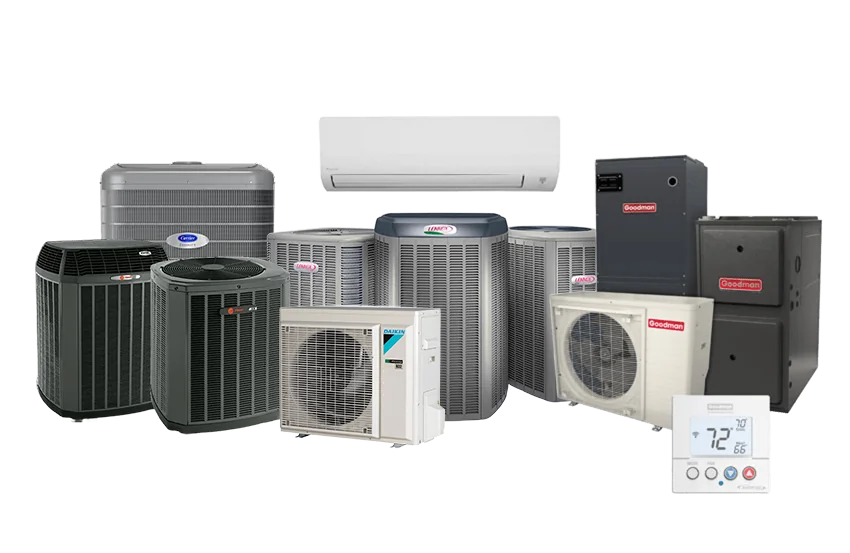
Heat pump maintenance and tune-ups are the same work on two different schedules, and this page covers both. Maintenance is the ongoing twice-yearly program; a tune-up is the individual seasonal visit. A heat pump is the only appliance in your house that works every month of the year, and that single fact changes everything about how it should be cared for. Air Comfort Solutions LLC services both modes on every visit — family owned, 35+ years in the trade, TDLR-licensed and EPA-certified, with a 5.0-star Google rating across 137 reviews.
Why does a heat pump need twice-yearly care?
Because it never gets a season off. An air conditioner paired with a furnace splits the year: each machine rests while the other works, and wear pauses. A heat pump runs through all of it — cooling through seven months of Gulf Coast summer, then reversing to heat through every cold snap. Compressor hours accumulate roughly twice as fast, coils foul year-round, and a fault in one mode can hide for months while the other mode works perfectly. Twice-yearly visits are not an upsell on this equipment; they are the schedule the machine's duty cycle actually calls for.
What is the difference between maintenance and a tune-up?
Maintenance is the ongoing program — one visit before cooling season and one before heating season. A tune-up is the individual visit. The work is the same; the difference is whether you are booking once or keeping a schedule. Both are proactive. When something has already failed, that is heat pump repair and service, which we run 24 hours a day.
What does the visit include?
Both modes, every time. We clean the outdoor and indoor coils our humid air fouls, verify refrigerant charge by instrument rather than by guess, test the defrost cycle and its sensors, exercise the reversing valve to confirm it shifts cleanly, check capacitors, contactors and motor amp draws under load, measure airflow and static pressure, flush and treat the condensate path, inspect electrical connections for heat damage, and confirm the thermostat and any backup heat staging behave correctly. Then you get a plain-language condition report: what is healthy, what is wearing, and flat-rate pricing on anything worth addressing — your decision, before any work happens.
Why is testing both modes so important?
Because a heat pump can cool beautifully all summer and be completely unable to heat in December. The reversing valve, the defrost board and the defrost sensors are only exercised in heating mode, so a fault in any of them stays invisible through the entire cooling season. We have found failed defrost controls in August on systems the homeowner considered perfectly healthy. A visit that only checks cooling is half a visit on this equipment, and a heating-season emergency is the usual way that gets discovered.
What about the backup heat strips?
This is where money quietly leaks. Electric resistance heat costs far more to run than the heat pump itself, and a thermostat wired or configured without proper heat-pump staging will call those strips in weather the heat pump could have handled alone. We see it most often where a thermostat was swapped by someone unfamiliar with the equipment. Verifying staging takes minutes on a scheduled visit and can change a winter electric bill noticeably.
What can you do yourself between visits?
A few things genuinely help, and none require tools. Change or check the filter on schedule — restricted airflow hurts a heat pump in both seasons, not just one. Keep two feet of clearance around the outdoor unit and clear away leaves, grass clippings and mulch that pile against the coil; do not stack anything on top of it. In winter, a light frost that clears on its own is normal, while ice that builds and stays is worth a call. And if the house seems slow to warm or the backup heat seems to run in mild weather, note when it happens and tell us at the next visit — that detail shortens the diagnosis considerably.
What do we find most often?
Weak capacitors that still work but read well below spec. Contactors pitted from arcing. Refrigerant charge drifting low from a slow leak nobody has noticed, which costs capacity in both modes. Defrost sensors reading out of range. Condensate paths starting to close up. Outdoor coils packed with lawn clippings, pollen or lakeside corrosion debris. Filters loaded enough that airflow has dropped toward the point of freezing a coil. None of these stop the system today. All of them are cheaper to address on a scheduled Tuesday than during a heat wave or a freeze.
What does skipped maintenance cost?
It fails in installments. Fouled coils tax the compressor a little more each month. A marginal defrost sensor waits for the first real cold snap. A slow refrigerant leak steals efficiency long before it stops the system, so the bill climbs quietly for a year before anything breaks. Because the machine never rests, that compounding happens about twice as fast as it would on seasonal equipment. Skipping documented maintenance can also void portions of a manufacturer's warranty, right when a compressor claim would matter most.
What is the smartest way to buy it?
The Annual Preventative Maintenance Plan at $159 per year covers both seasonal visits, waives the service-call fee on any repair all year, and adds 10% off repairs, 5% off new equipment, and priority scheduling ahead of non-members in the busy weeks. For a heat pump, which needs both visits anyway, the plan is simply the cheaper way to buy the schedule. Prefer one visit at a time? Book a standalone tune-up — no membership required.
Who does the work?
TDLR-licensed, EPA-certified technicians who are background-checked and drug-tested, because the people at your door represent our family in your home. Public reviews like Ali A.'s: “professional, knowledgeable and will save you money.” More on the reviews page.
Ready to put your heat pump on a schedule?
Call (832) 863-8325 or request service. Explore the full range of heat pump services, or if your system is reaching the end, our installation and replacement team gives you honest repair-versus-replace numbers. We maintain systems across twelve communities including Pinehurst, Tomball, Magnolia and Conroe.
Frequently asked questions
How often should a heat pump be serviced?
Twice a year, once before cooling season and once before heating season. Unlike an air conditioner paired with a furnace, a heat pump runs all twelve months, so wear accumulates about twice as fast and both modes need testing.
Why test heating mode in the summer?
Because the reversing valve, defrost board and defrost sensors only operate in heating mode. A fault in any of them can hide through the entire cooling season and surface as a no-heat emergency in December.
What is the difference between maintenance and a tune-up?
Maintenance is the ongoing twice-yearly program; a tune-up is the individual seasonal visit. The work is the same. Repair is the separate, reactive job when something has already failed.
Is heat pump maintenance included in the $159/yr plan?
Yes. The plan covers both seasonal visits, waives the service-call fee on any repair all year, and adds 10% off repairs and 5% off new equipment, plus priority scheduling in the busy weeks.
Comfort can't wait. Neither do we.
Call now for 24/7 service, or request a visit online and we'll confirm your two-hour arrival window.
The $159/yr maintenance plan can pay for itself in a single repair — and easy, flexible financing options are available on new systems with approved credit.
- Open 24 hours, 7 daysReal emergency service — nights, weekends, and holidays included.
- Up-front, flat-rate pricingYou approve the exact price before a single tool comes out.
- TDLR licensed · EPA certified35+ years of experience behind every visit.