Surviving the Season: Why Early Fall is a Critical Checkpoint for Your AC
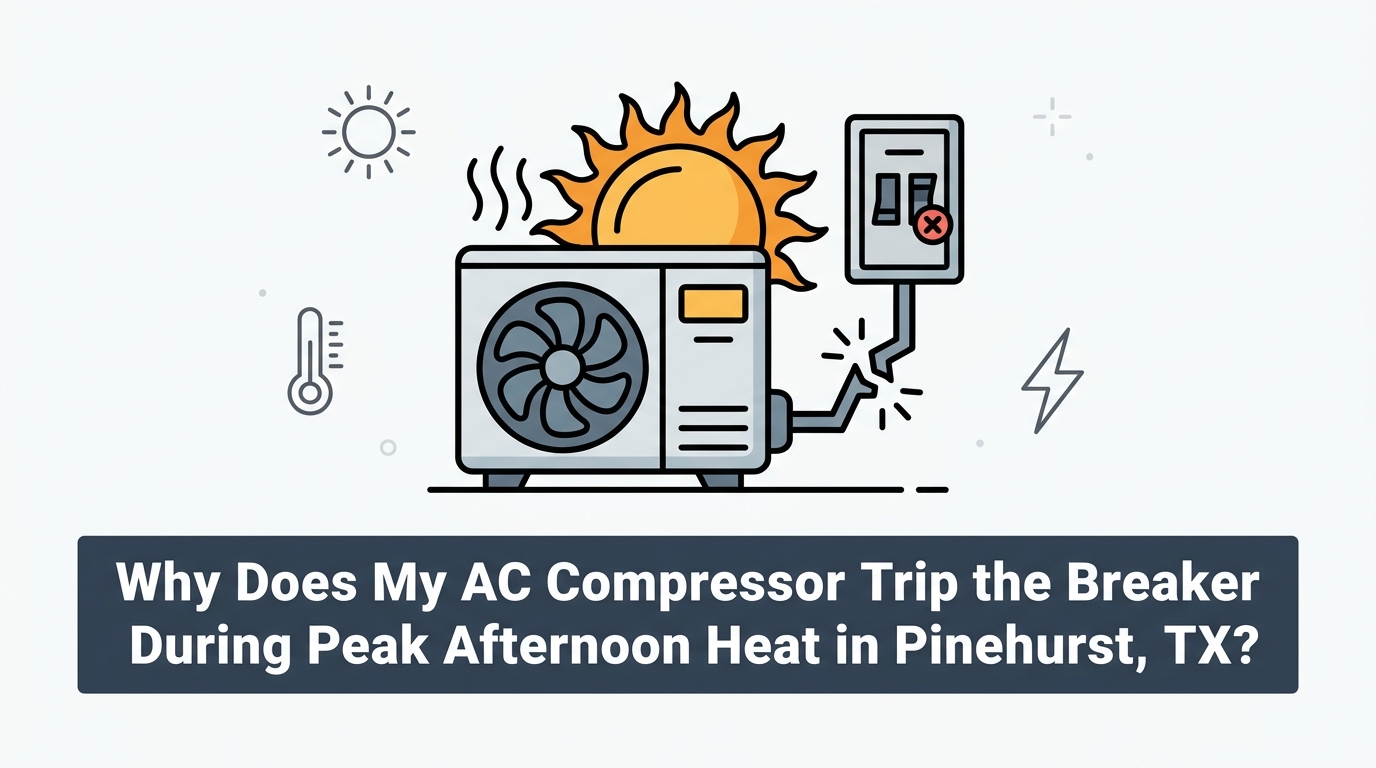
The September post-summer transition brings a welcome break from the extreme heat, but assessing the wear on your AC contactor after a brutal Texas summer should be at the very top of your seasonal to-do list. As the days finally start to shorten, your cooling system has just finished running a grueling, months-long marathon. During this time, hidden electrical components take the absolute brunt of the mechanical stress. Identifying this hidden wear now, rather than waiting for a sudden breakdown when the heat inevitably spikes again, is the smartest move you can make for your home's comfort. If you want to protect your investment, keeping up with professional air conditioning services is the best way to ensure everything is running safely and efficiently.
The toll of continuous operation: With summer temperatures regularly exceeding 100°F in our region, the relentless Texas heat forces your AC to run almost 24/7. This creates the perfect storm for electrical fatigue. In our years of serving Pinehurst homeowners, the team at Air Comfort Solutions frequently finds that people assume if cold air is still blowing out of the vents, the system is perfectly healthy. However, our technicians know the reality inside the outdoor condenser unit is often very different. The constant demand for cooling means electrical parts are engaging and disengaging thousands of times more frequently than they would in a milder climate.
One small but incredibly vital component bears the majority of this electrical burden: the AC contactor. While it might just look like a small plastic and metal block wired into your outdoor unit, it acts as the primary gatekeeper for the massive amounts of electricity required to cool your home. When you reach the September post-summer transition, this component has endured maximum stress. You now face a critical decision point: addressing this hidden wear proactively or dealing with a sudden, expensive breakdown later in the year.
By treating early fall as a strategic checkpoint, you gain an advantage over the weather. Taking a look under the hood right now allows a professional to catch the early warning signs of component failure. It shifts your approach from reacting to emergencies to preventing them entirely, saving you from the severe inconvenience of losing your air conditioning when you still need it.
Understanding the AC Contactor: The Heavy-Duty Switch Keeping You Cool
To understand why fall maintenance is so important, you first need to know what a contactor actually does. In simple terms, the AC contactor is a heavy-duty relay switch responsible for controlling high-voltage power to the compressor and the condenser fan. Think of it like a highly robust version of a standard light switch, but instead of turning on a small bulb, it manages the massive electrical load required to compress refrigerant and move heavy volumes of air.
The mechanics of the contactor are straightforward but essential. When your indoor thermostat detects that the house is too warm, it sends a low-voltage signal to the outdoor unit. This signal magnetizes a coil inside the contactor. The magnetic pull physically pulls down a set of metal plates, closing the circuit. When the contactor engages (closes), high-voltage electricity instantly flows to the compressor and fan, starting the cooling cycle. Once your home reaches the target temperature, the thermostat stops the signal, the magnetic field drops, and springs push the metal plates back up. The contactor disengages (opens), and the system powers down.
This single component works in tandem with other electrical parts, such as capacitors, to manage massive power loads safely. In fact, wear on the contactor is often evaluated alongside common AC capacitor failures, as both parts endure extreme stress during the cooling season. If the contactor fails to close properly, the power cannot reach the compressor. If it fails to open, the power never stops flowing.
A cheap part protecting an expensive system: One of the most important things to understand about the contactor is the imbalance between its cost and its responsibility. The contactor itself is a relatively inexpensive part. However, its function is absolutely critical to the operation of the most expensive components in your entire HVAC system. If the contactor degrades and fails to deliver clean, consistent power, it can easily destroy an incredibly costly compressor. This is why our service technicians look so closely for visual pitting and scorch marks on the contactor during any seasonal inspection we perform.
The Anatomy of Electrical Wear: How High-Load Cycling Causes Damage
Electrical wear is not a myth; it is a mechanical reality driven by the laws of physics. High-load cycling is the primary culprit behind a failing contactor. Every single time your thermostat calls for cooling and the contactor closes to deliver power, a small electrical arc jumps between the metal plates just before they physically touch. This is a normal part of the operation, but it generates an intense, momentary spark of heat.
Over the course of a normal season, this arcing happens a few thousand times. But in our field experience across Pinehurst, we see that brutal Texas summers force AC compressors to cycle thousands of times more per season than units in milder climates. This drastically accelerates the electrical arcing. Over months of continuous operation, that tiny spark gradually burns away the protective coating on the contactor plates. What starts as a smooth, highly conductive surface slowly degrades.
The visible evidence of wear: As the protective coating burns away, the raw metal underneath is exposed to the arcing. This leads to visual pitting and scorch marks on the contactor. The metal becomes scarred, jagged, and blackened. This is not just a cosmetic issue; it fundamentally changes how electricity flows through the switch.
The Compounding Effect of Heat and Resistance
The degradation of the contactor plates creates a dangerous compounding effect. When the metal becomes pitted and uneven, the electrical connection is no longer flush. This poor connection creates electrical resistance. In the world of electricity, resistance always generates heat.
• Ambient heat adds to the burden: The extreme ambient outdoor heat of a Texas summer adds to the electrical heat generated by the arcing, baking the component from both the inside and the outside.
• The system works harder: Because the electricity is struggling to push through the pitted, resistant metal, the voltage can drop. This forces the compressor and fan motors to pull more amperage to compensate, which generates even more heat.
• Accelerated breakdown: The increased heat further degrades the metal plates, creating more pitting, which creates more resistance. It is a vicious cycle that rapidly accelerates once the initial protective coating is gone.
This compounding effect is exactly why a contactor that looked fine during a spring tune-up can be completely destroyed by September. The extreme degradation seen after months of continuous operation is vastly different from normal, mild seasonal wear. By the time the weather finally starts to cool down, our technicians often find these contactors hanging on by a thread.
The Lifecycle of an AC Contactor: From Normal Operation to Welded Failure
1. Normal Operation: Clean contact plates allow for smooth, low-resistance electrical flow to the compressor.
2. High-Load Cycling: Thousands of on/off cycles during the summer cause repeated electrical arcing.
3. Pitting and Burning: The protective coating burns away, leaving scarred, highly resistant metal.
4. Welded Failure: Extreme heat melts the contacts together, forcing the compressor to run continuously until it breaks down.
Visual and Functional Warnings: Spotting a Failing Contactor
Because the contactor is tucked away inside the outdoor condenser unit, it is easy to ignore until the system stops working completely. However, a deteriorating contactor often gives off warning signs before it completely fails. Recognizing these symptoms can be the difference between a minor tune-up and a major system replacement.
• Auditory Clues — What You Might Notice: Loud humming, buzzing, or chattering from the outdoor unit. — What It Means for the System: The magnetic coil is failing, or the pitted plates are struggling to hold a solid connection.
• Functional Issues — What You Might Notice: AC struggles to turn on, or refuses to shut off when the house is cool. — What It Means for the System: The contactor is either failing to close properly or getting stuck in the closed position.
• Visual Evidence — What You Might Notice: Blackened, scarred metal inside the electrical panel. — What It Means for the System: Severe electrical arcing has destroyed the protective coating on the metal plates.
While homeowners may notice the auditory or functional symptoms, diagnosing the root cause requires professional intervention. Because contactors handle high voltage—often 240 volts or more—inspecting and testing them requires professional expertise and specialized safety equipment. Opening the electrical panel without the proper training is highly dangerous.
When our Air Comfort Solutions technicians perform professional HVAC diagnostics, we follow a strict procedure to evaluate the health of the contactor safely:
1. Power Disconnection: Our technician completely isolates the outdoor unit from the main power supply to ensure a safe working environment.
2. Visual Inspection: We carefully examine the switch for visual pitting and scorch marks on the contactor. Even if the part is still functioning, heavy scarring indicates that failure is imminent.
3. Coil Testing: Using a multimeter, the technician checks the resistance of the magnetic coil to ensure it can still pull the plates down with enough force.
4. Voltage Drop Testing: Under a controlled load, we measure the voltage across the contactor to see if the pitted metal is causing a dangerous drop in power to the compressor.
If our team finds severe pitting or a failing coil, we will strongly recommend replacing the contactor immediately. This is not an upsell; it is a necessary preventative measure to protect the rest of your system.
The Welded Contactor: A Fast Track to Compressor Failure
If you ignore the warning signs of a failing contactor, you risk encountering the absolute worst-case scenario for your air conditioner: the welded contactor. This happens when the severe pitting, resistance, and heat reach a critical tipping point. The metal contacts become so incredibly hot that they literally melt and fuse together. The switch becomes permanently welded shut.
The immediate fallout: When a contactor welds shut, it continuously feeds high-voltage power to the compressor and the condenser fan, regardless of what the indoor thermostat is doing. Even if you turn the thermostat completely off, the outdoor unit will continue to run. This forces the compressor into a 100% duty cycle, meaning it runs without ever stopping to rest or cool down.
Catastrophic internal damage: Compressors are simply not designed to run indefinitely. They require off-cycles to allow the internal motor windings to cool and to ensure that the refrigerant and internal lubricating oils circulate properly. When forced to run continuously by a welded contactor, the compressor rapidly overheats. The internal insulation on the motor windings begins to melt, the lubricating oil breaks down and turns to sludge, and the mechanical parts grind against each other. Eventually, the compressor sustains catastrophic internal damage and burns out completely.
Contrast the minor inconvenience of replacing a relay switch with the massive disruption of a full compressor failure. A new contactor is a fast, straightforward replacement. A new compressor is an incredibly costly repair involving extensive labor and parts, and in many cases we see, it makes more financial sense to replace the entire outdoor unit. Catching visual pitting and scorch marks on the contactor before they lead to a welded failure is the ultimate goal of our proactive maintenance visits.
Proactive Prevention: The Value of a Post-Summer Electrical Inspection
Understanding the risks of electrical wear is only helpful if you take action before the damage is done. This is why pivoting to a proactive maintenance strategy is so important. The end of peak cooling season means the contactor has just endured its most grueling operational period. It has been tested to its absolute limits by the summer heat.
A thorough electrical inspection during the September post-summer transition can catch a pitted contactor before it has the chance to weld shut during a random warm spell in fall or winter. Many homeowners mistakenly believe that because the weather is cooling down, the AC is safe from breaking. However, our technicians know that a heavily worn contactor can fuse shut on a mild 75-degree day just as easily as it can on a 100-degree day if the metal is already severely compromised.
In our extensive experience handling early fall breakdowns, working with the right team makes all the difference. At Air Comfort Solutions, we provide thorough, honest electrical inspections specifically designed to catch inexpensive failing parts before they cause major system damage. As your local Pinehurst AC experts, our daily service calls show us exactly how the regional climate impacts your equipment. We don't just look at the filters; our technicians open the electrical panel, inspect the relays, test the capacitors, and ensure that every wire is secure.
This proactive approach ensures the system is safe, efficient, and ready for whatever weather comes next. It also provides incredible peace of mind. Knowing that the most expensive parts of your AC are protected by healthy, reliable electrical controls allows you to transition into the fall season without worrying about a sudden, catastrophic breakdown hanging over your head.
Frequently Asked Questions About AC Contactors and Summer Wear
Can a bad contactor ruin a compressor?
Based on our field experience, the short answer is yes—a bad contactor can absolutely ruin a compressor. If the metal plates inside the contactor become severely pitted and overheat, they can melt and weld shut. When this happens, it forces the compressor to run continuously without any breaks. This relentless operation causes the compressor to overheat, break down its internal lubricating oil, and eventually suffer a catastrophic electrical burnout.
What causes an AC contactor to pit and burn?
Electrical arcing is the primary cause of pitting and burning on a contactor. Every time the switch closes to send power to the AC, a small electrical arc jumps between the metal plates. Over thousands of cycles during a long, hot summer, this repeated arcing slowly burns away the protective coating on the metal. Once the raw metal is exposed, visual pitting and scorch marks on the contactor quickly develop, increasing electrical resistance and heat.
How often should an AC contactor be replaced?
There is no strict, set timeline for replacing an AC contactor. Replacement is based entirely on visual inspections and electrical testing, typically performed during our annual maintenance visits. Our technicians look for deep pitting, scorch marks, and test the resistance of the magnetic coil. In heavy-use climates like ours, a contactor might need replacement every few years, while in milder areas, it could last much longer.
What happens when an AC contactor goes bad?
When a contactor begins to fail, you will likely notice functional or auditory symptoms. The AC may fail to turn on entirely, or conversely, it may refuse to shut off even when the house is cool. You might also hear a loud humming, buzzing, or chattering noise coming from the outdoor unit, which indicates that the magnetic coil is struggling to pull the metal plates together securely.
Why is late summer the best time to check electrical components?
Late summer and early fall are critical times for inspections because the components have just endured months of maximum stress. The continuous, high-load cycling required to battle the Texas heat takes a heavy toll on electrical relays. Checking the system during the September post-summer transition is the most likely time to spot dangerous wear, allowing you to replace inexpensive parts before they cause a sudden breakdown.
Protect Your AC's Future with a Professional Fall Assessment
Understanding the profound impact of intense summer heat on your electrical components empowers you to make smart, proactive maintenance decisions. You don't have to wait for a catastrophic failure to take action. Replacing a worn, pitted contactor is a simple, straightforward step that actively prevents massive damage to your compressor down the line.
As we move through the September post-summer transition, now is the time to prioritize a professional evaluation. Scheduling a comprehensive assessment ensures that your system recovers from the summer stress and is fully prepared for the seasons ahead. Protect your comfort and your wallet by securing a preventative AC maintenance plan with Air Comfort Solutions today. Understanding exactly what a contactor is, why the regional heat burns it out, and how a quick replacement prevents a major emergency is the key to enjoying reliable comfort all year long.