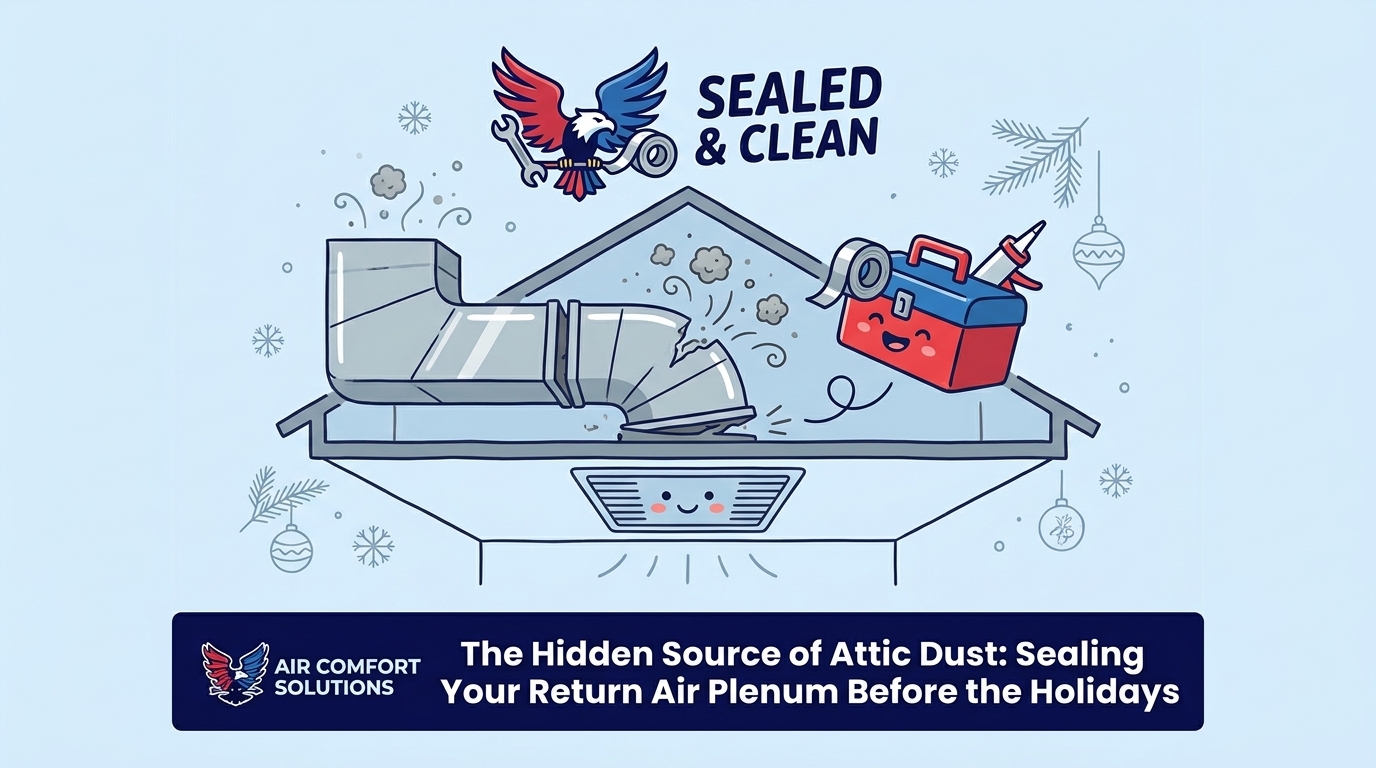
The Value of Sealing Your Return Air Plenum Before the Holidays
Most homeowners buy expensive filters to fix dusty air, not realizing a leaky return plenum in the attic is the real culprit. See why sealing it now saves your holiday gatherings.
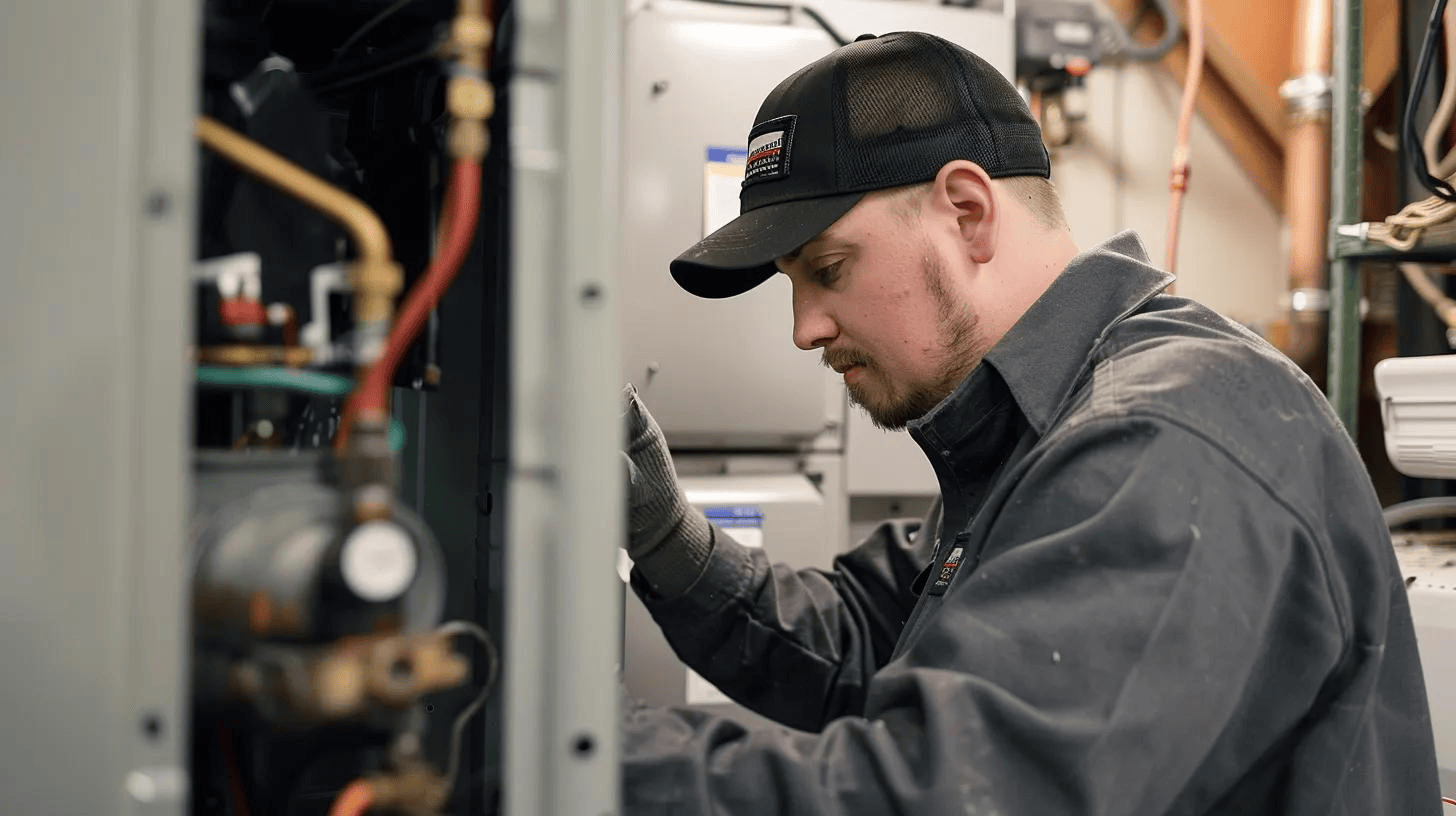
A furnace check-up is a professional inspection and tune-up that restores safe combustion, improves efficiency, and helps prevent unexpected breakdowns. For homeowners in North Harris County—including Tomball and Pinehurst—regular check-ups mean steadier indoor comfort, lower heating costs, and fewer safety risks. This guide walks through what a tune-up includes, why preventive maintenance saves energy and extends equipment life, and how local climate and usage patterns affect scheduling. Many people wait until something breaks, which raises repair bills and increases carbon monoxide risk. Routine inspections find early wear and fix combustion or airflow issues before they become emergencies. Below you’ll find a clear maintenance checklist, realistic cost breakdowns and a value-focused EAV table, CO-safety steps, seasonal timing advice for North Harris County, and simple homeowner tips to use between pro visits. Throughout, we use terms like HVAC maintenance, furnace tune-up, and furnace inspection to show how tasks—filter changes, combustion checks, and heat-exchanger inspections—translate into measurable gains for energy use, indoor air quality, and warranty protection.
Regular furnace check-ups matter because they restore efficient heat transfer, catch developing problems early, and confirm safe combustion—three things that lower operating costs and reduce safety risks. Maintenance addresses common issues like clogged filters, misaligned burners, and weak blower motors. Fixing those problems improves efficiency and prevents small faults from turning into big repairs. Industry guidance shows well-maintained systems use noticeably less energy, so the cost of a tune-up often pays back through lower bills. In North Harris County’s changeable winters, a reliable startup and even heat distribution also cut the chance of mid-season emergencies and help protect indoor air quality for sensitive occupants.
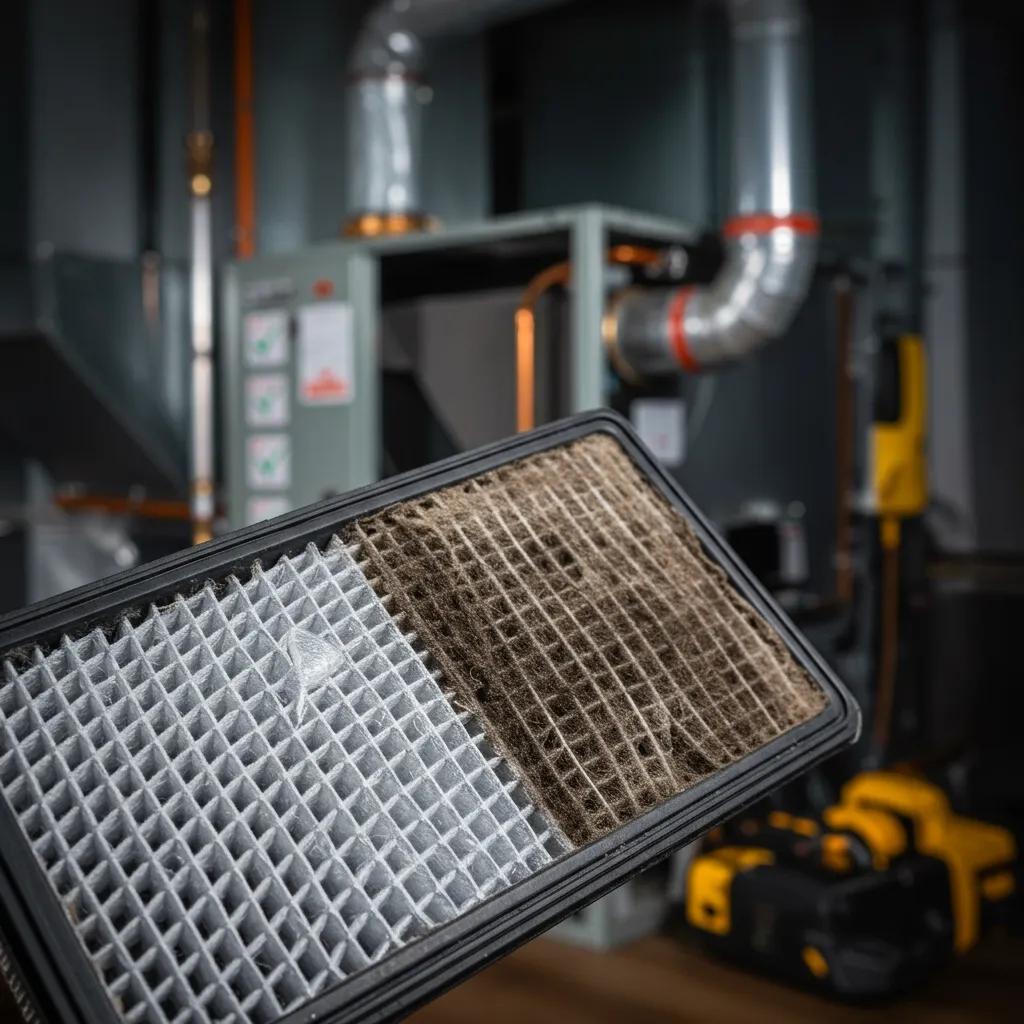
A tune-up improves efficiency by restoring correct airflow, combustion balance, and component performance so the system wastes less energy. Technicians change or clean filters, service burners and flame sensors, and adjust blower speed and thermostat calibration so the furnace runs closer to manufacturer specs. Those fixes reduce short cycling and keep heat output steady. Depending on a system’s starting condition, maintenance can improve efficiency noticeably—often in the range of 10–30%—which shows up as lower gas or electric bills over the heating season. For example, a Tomball home with restricted airflow that returns to clear vents and a calibrated thermostat typically sees a measurable drop in winter heating costs, proving targeted maintenance pays off.
Annual inspections extend equipment life by finding and repairing small mechanical or electrical problems before they fail completely. Preventive tasks—lubricating motors, tightening electrical connections, replacing worn belts, and spotting early heat-exchanger issues—break the chain of wear that shortens a furnace’s life. Industry guidance and field experience show routine professional service can add several reliable years to a furnace’s expected lifespan by reducing stress on critical parts and preserving combustion integrity. Homeowners who keep annual records also have clearer histories to help decide whether a repair or replacement makes sense, avoiding premature system retirement.
A comprehensive checklist is a repeatable sequence of inspections, cleanings, tests, and adjustments that together ensure safety, efficiency, and reliable operation. A typical professional tune-up covers visual heat-exchanger checks, burner cleaning, combustion analysis, filter replacement, blower cleaning, thermostat calibration, safety-control testing, and vent/flue inspection. These steps find leaks, combustion problems, electrical faults, and airflow restrictions. After service you should receive a written report with prioritized recommendations so you can plan any needed repairs.
Technicians inspect core furnace components and provide corrective actions during a tune-up:
.rich-text-table tr,.rich-text-table td, .rich-text-table th{ padding:15px; border:1px solid; color:#f2f2f2; }• Air filter / return — Clogged or low-efficiency filter — Replace with the correct MERV-rated filter and explain why it was chosen
• Burners / flame sensor — Soot buildup, misaligned flame, or weak ignition — Clean burners, correct flame alignment, and test flame sensors
• Heat exchanger — Cracks or corrosion visible or indicated by CO readings — Perform a detailed inspection and recommend repair or replacement if needed
• Blower motor / fan — Dust buildup, worn bearings, or improper speed — Clean the housing, lubricate moving parts, and test amp draw and airflow
This checklist shows why each step matters and what you should expect on the service report—helpful when weighing immediate repairs versus long-term maintenance planning. Next we cover safe homeowner tasks you can do between professional visits.
A professional tune-up reviews the air filter and return, burners, ignition and flame sensor, heat exchanger, blower assembly, safety controls, drain lines (if present), duct junctions, and the venting/flue system for leaks or blockages. Each part has common failure modes—filters restrict airflow, burners collect soot, heat exchangers can crack—and technicians use visual checks, mechanical tests, and combustion analysis to find problems. They also inspect electrical connections and gas valves to prevent arcing and leaks, and measure airflow to confirm the system moves the correct cubic feet per minute for the unit size. Clear documentation of these checks creates a service history that supports warranty claims and future service planning.
Homeowners can safely do high-impact tasks like replacing or inspecting filters, keeping return grilles and vents clear, programming thermostats for efficient schedules, and doing a basic visual check for leaks or unusual smells. Replace filters every 1–3 months depending on use and filter MERV rating to help airflow and indoor air quality. Choose filters compatible with your furnace and avoid overly restrictive high-MERV filters on older blowers. Don’t open access panels or attempt combustion adjustments—those are job for a trained technician. If you smell gas, see soot, or hear odd mechanical noises, call for professional service right away. Regular homeowner care reduces wear between annual inspections and keeps tune-ups effective.
The price of a professional furnace tune-up depends on system type, accessibility, and any parts needed. It’s a modest upfront cost that often brings long-term savings through fewer repairs and better efficiency. Typical tune-ups include inspection, cleaning, a filter change, combustion testing, and safety checks. Cost drivers include labor time, replacement parts, system age, and whether the service is scheduled or an emergency. The table below breaks down common service elements, what they cover, and the typical homeowner benefit. After the cost overview we describe local maintenance-plan options and financing to help with budgeting.
.rich-text-table tr,.rich-text-table td, .rich-text-table th{ padding:15px; border:1px solid; }• Basic tune-up — Attribute (What It Covers): Inspection, filter change, blower cleaning, safety checks — Typical Value / Cost / Benefit: Moderate cost; improves efficiency and prevents minor failures
• Combustion analysis — Attribute (What It Covers): CO measurement and burner efficiency testing — Typical Value / Cost / Benefit: Higher-cost item; reduces CO risk and can improve fuel efficiency
• Parts replacement — Attribute (What It Covers): Belts, igniters, sensors as needed — Typical Value / Cost / Benefit: Variable cost; prevents repeat failures and reduces unexpected downtime
This EAV table helps homeowners see which tune-up elements most influence long-term savings and safety, so you can compare service quotes more effectively. Next we explain the main price drivers and outline typical low, average, and complex service scenarios.
Price depends mainly on system age and type, how accessible the equipment is, parts required, whether combustion analysis is included, and seasonal or emergency premiums. Older or commercial systems take longer and often need replacement parts, which raises costs. Tight attic or closet access increases labor time and price. Scheduling in early fall is usually less expensive than emergency winter calls, and same-day or after-hours work typically carries extra fees. Knowing these drivers helps you pick the most cost-effective time for preventive service and compare written estimates by checking which diagnostic tests and warranties are included.
Air Comfort Solutions LLC offers maintenance plans that bundle priority inspections, faster scheduling, and discounts designed to lower lifetime repair costs while keeping service records current for warranty needs. Our plans include transparent pricing, priority dispatch, and financing options, plus discounts for first responders, veterans, and seniors to make upkeep more affordable. Those features create predictable annual costs and quicker emergency responses, which reduce total cost of ownership by catching problems early. To learn plan details, request a quote, or schedule service, homeowners in North Harris County can contact Air Comfort Solutions LLC directly for availability and pricing.
Yes—regular furnace check-ups lower carbon monoxide hazards because technicians find combustion inefficiencies, cracked heat exchangers, and venting problems that could let CO into living spaces. During a tune-up technicians perform combustion analysis, verify proper flue draft, and visually inspect heat exchangers for hairline cracks—steps designed to identify leak paths before CO reaches dangerous levels. They also check safety controls, test CO detectors if requested, and recommend fixes such as vent repair or heat-exchanger replacement when necessary. The list below shows practical homeowner and technician actions to reduce CO risk and keep systems safe.
• Install and test battery-backed CO detectors on every level and outside sleeping areas.
• Schedule annual combustion analysis and a heat-exchanger inspection during a professional tune-up.
• Keep combustion air openings and vents clear and never block exhaust flues.
• If a CO alarm sounds or you notice unusual furnace odors, evacuate and call for immediate service.
Those steps connect everyday homeowner actions with professional diagnostics; next we explain how CO is detected and what exposure signs require urgent attention.
Carbon monoxide (CO) is a colorless, odorless gas from incomplete combustion that can cause headache, dizziness, nausea, and at high levels, unconsciousness or death—so early detection is critical. Technicians use calibrated combustion analyzers to measure CO and combustion efficiency, while homeowners rely on listed CO detectors that sound alarms at set levels. Chronic low-level exposure can produce vague symptoms, so any alarm or a failed combustion test is a clear signal to act. Routine maintenance lowers these risks by restoring proper combustion and finding vent or heat-exchanger issues before they worsen.
Technicians check gas valves, piping, and connections with electronic gas detectors and pressure tests, and they inspect electrical terminals, fuses, and control circuits for loose connections and abnormal amp draw to prevent ignition or arcing hazards. Safety steps include shutting down unsafe equipment, tagging it, and recommending immediate repairs for any gas leak or compromised electrical component. Certified techs—such as NATE-certified and EPA-accredited professionals—follow manufacturer procedures and safety checklists, and they document actions for your records. Understanding when a tech will recommend a shutdown versus scheduling a repair helps homeowners prioritize safety over temporary fixes.
In North Harris County, plan furnace maintenance annually in early fall—before sustained cold—to ensure your system is ready and to avoid high-season emergency rates and scheduling delays. Fall service lets technicians perform combustion checks and airflow tuning after summer, and gives time to replace worn parts before peak heating demand. Local weather patterns, where heat is used intermittently but can be intense, make pre-winter inspections especially valuable to prevent mid-season breakdowns. Use the seasonal checklist below to prepare your furnace and coordinate combined HVAC work.
• Replace or inspect filters and change them if they’re dusty after summer.
• Verify thermostat settings and batteries while reprogramming efficient schedules.
• Clear attic or crawlspace access and ensure vents and flues are unobstructed.
• Arrange professional combustion and safety tests before the first long cold spell.
This checklist helps you get the most from a fall service; next we outline recommended service frequency for different systems.
To prepare for colder months, replace filters, confirm thermostat schedules, inspect vents and returns for blockages, and plan a coordinated service that includes ducts and any heat-recovery components. Combining off-season AC checks with furnace service saves time and helps keep airflow balanced year-round. Homes near trees or with pets should change filters more often and clear outdoor vent terminations of debris or nesting material. These precautions reduce startup stress and lower the risk of early-season failures.
For most homes, an annual professional inspection is the baseline to preserve efficiency, safety, and warranty coverage. Households with heavy use, older equipment, or commercial systems may benefit from two service visits per year. Check or replace filters every 1–3 months based on use and indoor air quality needs, and consider a mid-season check if you notice increased cycling, unusual noises, or uneven heating. More frequent service is prudent for older furnaces or homes with high occupancy or respiratory sensitivities; keeping yearly records also supports warranty claims when parts fail.
You can do basic tasks such as changing filters and keeping vents clear. Avoid opening furnace access panels or making combustion adjustments—those are dangerous without training. If you notice unusual sounds, smells, or performance problems, contact a professional technician for a safe, thorough inspection.
Improve IAQ by changing filters regularly to the correct MERV rating, cleaning blower assemblies, and sealing duct leaks. Annual inspections help spot moisture or microbial growth early so it can be fixed before contaminants spread. Consistent maintenance makes your home healthier and more comfortable.
First check thermostat settings to make sure it’s set to “heat” and the set temperature is above room temperature. Next, inspect the air filter—if it’s clogged it can restrict airflow and cause problems. If those steps don’t help, the issue may be a faulty blower motor or ignition problem, and you should call a professional technician to diagnose and repair it.
Many HVAC companies, including Air Comfort Solutions LLC, offer financing plans to help manage maintenance costs. Plans may include structured payments and discounts for veterans, seniors, and first responders. Ask about available financing when you schedule service so upkeep stays affordable.
Regular furnace check-ups are one of the best ways to keep your home safe, comfortable, and efficient. Routine inspections reduce heating bills, extend equipment life, and lower carbon monoxide risk. Invest in annual tune-ups to avoid costly repairs and enjoy steady, reliable heat through the season. If you’re due for service or want to learn more about our maintenance plans, visit our website or contact us to schedule a check-up today.


Zane came out and did an amazing job! Super friendly, honest and transparent about the work that needed to be done. This is my second time working with Air Comfort Solutions and they’re my go to for HVAC services. Highly recommend.
God's AMAZING grace sent us Robert and Zane. We have been without air in this Texas heat for six weeks and four days. We've had a few contractors give us quotes all trying to upsell when we're at a low point. But not the guys at Air Comfort Solutions. They came in assessed our situation, gave us honest feedback, and showed us the issues as they proceeded with the assessment for clear understanding. We highly recommend them for their professionalism, quality products, and fair pricing. We hands down support them for all the work they do 💯 %.
Robert and Zane gone above and beyond to make the process easy and affordable.
Would definitely recommend!!
I’m writing this review to let everyone know that Air Comfort Solutions is the company to work with. I know the owner ( Robert) for several years now. He has been taking care of my residential and business work orders. Robert is professional, knowledgeable and will save you money. I just want to thank Robert for great job you have been doing for me.