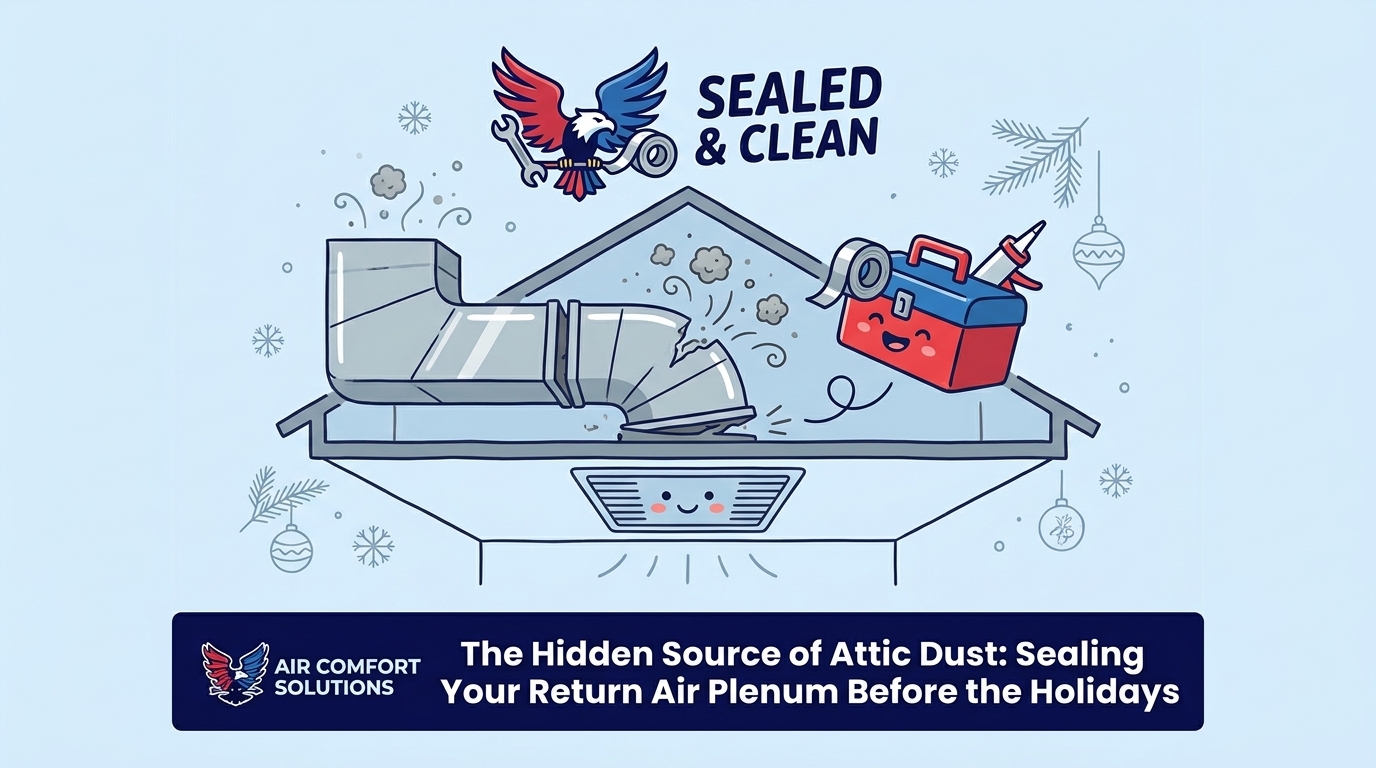
The Value of Sealing Your Return Air Plenum Before the Holidays
Most homeowners buy expensive filters to fix dusty air, not realizing a leaky return plenum in the attic is the real culprit. See why sealing it now saves your holiday gatherings.
A broken furnace can turn a comfortable home into a cold, stressful place fast. Homeowners need clear, safe steps to find the cause and decide whether a DIY fix will do or it’s time to call a technician. This guide walks through the most common furnace problems — from no heat and cold air to strange noises, pilot or igniter troubles, and short cycling — and gives practical, prioritized fixes that save time and money. You’ll learn how to spot symptoms, perform safe checks like swapping filters and resetting thermostats, and recognize urgent red flags (gas smells or a suspect heat exchanger) that require professional attention. We map an easy troubleshooting path across six major problem areas, cover preventive maintenance that avoids many breakdowns, and offer transparent local cost guidance for Tomball and North Harris County. Keywords like furnace troubleshooting, furnace not heating, furnace blowing cold air, and furnace repair cost Tomball TX are included to help you find answers fast. Keep reading for step-by-step checks, clear escalation rules, and tips to keep your heating system safe and efficient.
When a furnace won’t heat, one or more parts that enable combustion, airflow, or control has failed — usually the thermostat, power supply, filter, igniter, or a safety switch. The basic process is simple: the thermostat calls for heat, the control system powers the igniter or pilot, combustion creates warmth, and the blower moves that warm air through your home. A break in any link stops heating. Fixing the issue restores comfort, prevents wasted energy, and avoids further damage. Start with the highest-probability, lowest-risk checks before touching electrical or gas components, and stop immediately if you notice the smell of gas or burning. The next step is to identify observable symptoms that point to the subsystem that’s failing and guide your next move.
Symptoms help narrow the cause quickly and show whether you need a pro. Common signs include no warm air from vents even though the thermostat is calling for heat, the furnace running but the house staying cold, or heating that’s intermittent and leaves rooms uneven. Other clues: frequent on/off cycling without steady heat, error codes on the control board, or unusual smells while the unit runs. Those signals typically point to airflow problems, ignition failure, or control issues — and they indicate whether simple homeowner checks may be enough or if a licensed technician should take over.
Work through these safe, prioritized checks to rule out the most common, easiest fixes before touching electrical panels or gas fittings.
• Check the thermostat: confirm it’s set to Heat, the setpoint is higher than the room temperature, and batteries (if applicable) are fresh.
• Inspect the air filter and replace it if dirty — restricted airflow commonly causes poor heating and short cycling.
• Verify power: make sure the furnace switch is on and the circuit breaker hasn’t tripped; reset breakers only if you can do so safely.
• Watch the ignition sequence — modern furnaces will click and light the burners; older units use a pilot light. Observe from a safe distance and don’t touch hot or live parts.
• If the unit displays error codes, ignition won’t occur, or you smell gas, shut the furnace off, ventilate the area, and call a professional right away.
Cold air from a furnace usually means combustion isn’t happening or heat isn’t transferring into the airstream — it’s not always just a thermostat problem. Common causes are airflow restrictions, ignition or pilot failures, thermostat issues, or fuel supply problems. Either the furnace blower is running but the burners aren’t lighting, or combustion is occurring but dirt or blockages prevent heat from reaching the ducts. Fixing cold-air issues restores comfort, cuts wasted electricity from running the blower alone, and reduces stress on components. Start with airflow and thermostat checks, then move to ignition and fuel checks; if you smell gas or the unit won’t light after basic checks, call a technician.
Before the table below, here’s a quick reference to common parts that cause cold air and what homeowners can check safely.
• Air Filter — Common Failure Mode: Clogs that reduce heat transfer and airflow — Homeowner Check / Immediate Action: Inspect and replace the filter; confirm correct size and orientation
• Igniter / Pilot — Common Failure Mode: Fails to light the gas while the blower runs — Homeowner Check / Immediate Action: Watch the ignition sequence; do not attempt repairs if unsure
• Thermostat — Common Failure Mode: Wrong settings or wiring faults that prevent a call for heat — Homeowner Check / Immediate Action: Confirm Heat mode, raise setpoint, replace batteries, and reset
• Gas Valve / Supply — Common Failure Mode: Loss of gas prevents combustion — Homeowner Check / Immediate Action: If you smell gas, evacuate and call emergency services; otherwise check other systems
This table highlights the most common parts that cause cold-air problems and simple homeowner checks that help isolate the issue. The next section lists safe DIY steps to try before calling a technician.
Some parts are directly responsible for creating or passing heat — when they fail, vents blow cold air. The air filter and return ducts are part of the airflow system: when blocked, they reduce heat transfer even if burners light. The igniter or pilot and gas valve are combustion parts — if they fail or the gas supply is interrupted, the blower can run without heat. Thermostats and control boards send the signal to start a heating cycle; faults there can prevent the system from firing. Identifying which component is at fault narrows repair needs and helps you decide whether a simple homeowner action or a certified technician is the right next step.
Try low-risk, high-impact tasks first to rule out simple causes and save time and money when you schedule service.
• Replace the air filter and confirm supply and return vents are open to restore airflow.
• Reset the thermostat by swapping batteries and power-cycling it; make sure the system is set to Heat above room temperature.
• Check the furnace switch and breaker panel; reset any tripped breakers if it’s safe to do so.
• Observe the visible ignition sequence — modern electronic igniters have a brief warm-up and spark; don’t touch hot or live parts.
If you detect a gas smell, loose piping, or repeated ignition failure, evacuate and call emergency service immediately.
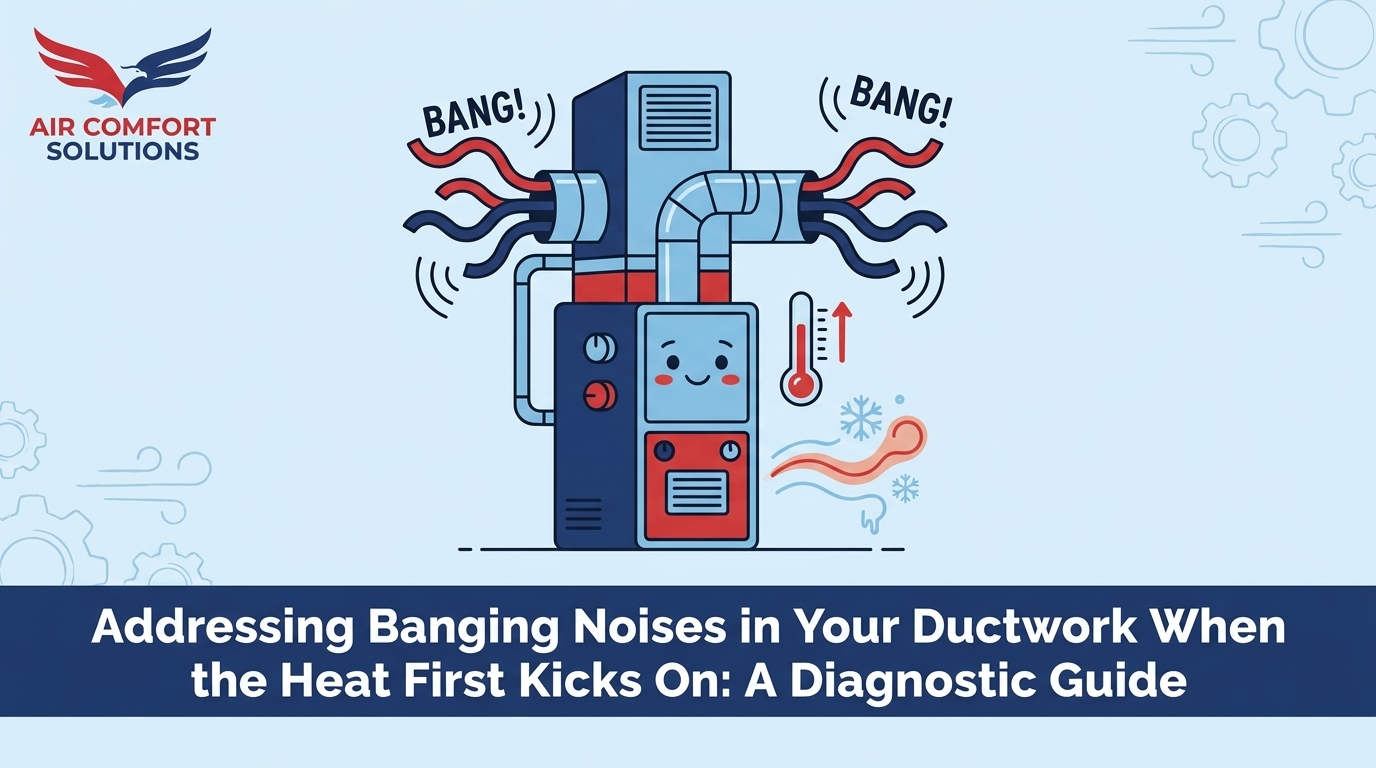
Unusual furnace sounds usually mean mechanical wear, airflow restrictions, or combustion timing issues. Common noises include squealing, banging, rattling, and popping, and each points to different parts. Moving parts like blower motors and belts make noise when bearings wear or belts loosen; delayed ignition or combustion irregularities create bangs or pops. Addressing noises quickly prevents bigger damage, preserves efficiency, and avoids safety risks like a cracked heat exchanger. Start with visual and airflow checks, then isolate moving parts; if noises continue or come with odors or performance loss, call a pro.
• Squealing: Often motor bearings or a worn belt — check belt tension and cleanliness.
• Banging or popping: May indicate delayed ignition or thermal expansion — watch for flame irregularities.
• Rattling: Usually loose panels, debris in ducts, or unsecured components — tighten panels and inspect ducts.
After checking the easy items above, move to targeted fixes or call a trained technician when mechanical wear or combustion faults are suspected.
Call for immediate professional service if noises come with performance loss, burning or electrical smells, or persistent loud sounds that don’t stop after simple checks. If banging lines up with flame irregularities or reduced heat, have a technician inspect the ignition system and heat exchanger for safety. Grinding or metallic scraping from the blower suggests bearing failure and risk of motor seizure — that needs prompt repair. If rattling continues after tightening panels and clearing debris, a technician can diagnose imbalance, motor mount wear, or duct resonance. Emergency service is warranted when noises occur with odors, cycling failures, or sudden performance drops.
Pilot and igniter systems are central to safe combustion. When they fail the furnace won’t make heat, so careful diagnosis and safe relighting procedures matter. Mechanically, a pilot keeps a small continuous flame on older systems, while modern systems use an electric igniter (hot surface or spark) to light the burner. Fixing ignition problems restores heat and prevents repeated service calls. Follow safe relighting steps for older pilot systems, and leave thermocouple, gas valve, or electronic igniter replacement to certified technicians.
Common pilot issues include a pilot that won’t stay lit because of a bad thermocouple, drafts that blow the flame out, or a clogged pilot orifice. For older pilot systems, a safe relight routine is: turn the gas control off, wait the manufacturer’s recommended time to clear any gas, follow the relight instructions, and use long-reach lighters only where allowed. Always ventilate the area, never relight if you smell gas or see signs of leaks, and if the pilot won’t stay lit after a couple of safe attempts, stop and call a certified technician. Safe relighting prevents accidental ignition of built-up gas and helps ensure reliable operation.
When an igniter fails, the furnace won’t start combustion, so it may cycle without producing heat and often display error codes. Replacing an igniter is a common, usually cost-effective repair; prices vary by furnace model and access difficulty because labor and part costs differ. Often an igniter swap is cheaper than larger component failures, but repeated ignition problems or added control board issues can mean the system is aging. When weighing repair versus replacement, consider the furnace’s age, how often it’s failed, and the cost of a new, more efficient unit.
Short cycling is when a furnace turns on and off in quick bursts, preventing a full heating cycle. This causes excess wear, lower efficiency, and higher bills. Common causes include thermostat problems, an oversized furnace for the home, airflow restrictions from dirty filters or closed vents, or failing safety switches that stop operation prematurely. Fixing short cycling restores efficiency and protects components. Start with thermostat and airflow fixes, then have a technician check control boards, limit switches, or sizing issues if the problem continues.
Short cycling affects comfort and efficiency. The list below summarizes common causes and quick homeowner checks.
• Thermostat problems: Poor placement or incorrect calibration can trigger rapid cycling — recalibrate or relocate the thermostat if it’s near a heat source.
• Airflow restrictions: Dirty filters or blocked returns cause short cycles — replace filters and open vents.
• Oversized furnace: A unit that’s too large will heat the space quickly and cycle — sizing issues require professional evaluation.
These checks address the most frequent causes; persistent short cycling should lead to a professional diagnosis.
Short cycling increases energy use because the system repeatedly incurs start-up power without completing efficient heat transfer, and it speeds wear on parts like the igniter and blower motor. Frequent starts raise electrical draw and thermal stress, shortening component life and raising repair frequency. The result: higher utility bills and a greater chance of breakdowns. That’s why preventive maintenance and timely fixes are important to restore longer, stable heating cycles.
Regular maintenance tackles the mechanical and control causes of short cycling and usually fixes homeowner-correctable issues. Replace or clean filters regularly and keep return vents clear to restore proper airflow. Correct thermostat calibration and placement to avoid false calls for heat. Have a technician repair control boards or limit switches when safety interruptions occur. Seasonal tune-ups catch early signs of short cycling and keep systems running efficiently year after year.
Simple regular tasks can make a big difference: replace or clean air filters monthly, keep vents unobstructed, and check thermostat settings. Schedule annual professional tune-ups to catch wear and adjust components before they fail. Keeping the furnace area clean and free of debris also helps. Those steps improve efficiency and reduce the chance of costly repairs.
If you smell gas, act immediately: evacuate the home and make sure everyone is safe. Don’t switch electrical devices on or off and avoid open flames. From a safe location, call your gas company or emergency services to report the leak. Have a qualified technician inspect the furnace and gas lines before using the system again.
To improve indoor air quality, replace or clean air filters regularly to reduce dust and allergens, use a humidifier if the air gets too dry, and ensure proper ventilation so fresh air can circulate. Consider an air purifier if household members have allergies or respiratory issues — it can significantly reduce airborne particles.
A programmable thermostat lets you set heating schedules so the furnace runs only when needed, saving energy and money. By lowering temperatures when no one’s home or overnight, you keep comfort without wasting fuel. Many modern thermostats also offer remote control via smartphone apps for added convenience.
Understanding common furnace issues and how to address them helps you keep your home comfortable and avoid unnecessary costs. The troubleshooting steps here will help you handle simple fixes safely and know when to call a pro. For personalized support or to schedule a service visit, contact a local certified technician. Explore maintenance plans and service options that keep your furnace running reliably through the season.


Zane came out and did an amazing job! Super friendly, honest and transparent about the work that needed to be done. This is my second time working with Air Comfort Solutions and they’re my go to for HVAC services. Highly recommend.
God's AMAZING grace sent us Robert and Zane. We have been without air in this Texas heat for six weeks and four days. We've had a few contractors give us quotes all trying to upsell when we're at a low point. But not the guys at Air Comfort Solutions. They came in assessed our situation, gave us honest feedback, and showed us the issues as they proceeded with the assessment for clear understanding. We highly recommend them for their professionalism, quality products, and fair pricing. We hands down support them for all the work they do 💯 %.
Robert and Zane gone above and beyond to make the process easy and affordable.
Would definitely recommend!!
I’m writing this review to let everyone know that Air Comfort Solutions is the company to work with. I know the owner ( Robert) for several years now. He has been taking care of my residential and business work orders. Robert is professional, knowledgeable and will save you money. I just want to thank Robert for great job you have been doing for me.