Air Conditioning

Why Finding the Best AC Filter Options for Houston Area Homes Matters More Than You Think
The best ac filter options for Houston area homes are not the same as what works for homes in drier, cooler parts of the country. Houston's heat, humidity, and year-round pollen load put your HVAC system — and your air filter — under constant pressure.
Here is a quick-reference summary to address what most Houston homeowners need to know:
Top AC Filter Recommendations for Houston Area Homes
| Filter Type | Best For | Replacement Frequency |
|---|---|---|
| MERV 11 pleated (1-inch) | Most Houston homes | Every 30-60 days |
| MERV 13 pleated (1-inch) | Allergy/asthma households | Every 30-45 days |
| MERV 13 media filter (4-5 inch) | Best overall performance | Every 6-12 months |
| MERV 8 pleated (1-inch) | Older systems with low airflow | Every 60 days |
Key takeaways at a glance:
- MERV 11 is the recommended starting point for most Houston homes
- MERV 13 offers stronger protection but requires system compatibility check
- Thicker 4-5 inch media filters outperform 1-inch filters and last longer
- Avoid washable or electrostatic filters in humid Houston climates
- Houston's extended cooling season means filters load faster than in most U.S. markets
Indoor air can be two to five times more polluted than outdoor air — and that gap widens when your filter is clogged or the wrong type for your climate. In a city where your AC runs eight to nine months out of the year, a poor filter choice does not just affect air quality. It strains your system, raises your energy bills, and can shorten the life of your equipment.
The good news is that choosing the right filter does not have to be complicated. This guide walks you through everything Houston-area homeowners need to know — from decoding MERV ratings to knowing when a standard filter is not enough.

Understanding MERV Ratings for Southeast Texas Climates
When shopping for the best ac filter options for Houston area homes, the first acronym you will run into is MERV. MERV stands for Minimum Efficiency Reporting Value. It is a standardized scale developed by the American Society of Heating, Refrigerating and Air-Conditioning Engineers (ASHRAE) to measure how effectively a filter traps particles of varying sizes. The rating scale runs from 1 to 20, with higher numbers indicating tighter filtration.
In Southeast Texas, MERV ratings are incredibly important because our climate presents a unique set of challenges. High humidity levels mean that airborne particles like mold spores, dust mites, and pollen behave differently. Moisture can cause these particles to swell, clump together, and stick to surfaces, including your AC's internal components.
Furthermore, dust mites need a sustained relative humidity of at least 58% for several months to grow and produce significant allergens—a threshold our local weather easily surpasses for a large portion of the year. When your cooling system runs constantly to battle this moisture, your choice of filter directly impacts how these biological contaminants are managed. To understand how your cooling system behaves under these heavy moisture conditions, you can read more about How Your AC Affects Indoor Air Quality in Humid Climates.
Comparing MERV 8, MERV 11, and MERV 13 Filters
For residential HVAC systems, the sweet spot for filtration lies between MERV 8 and MERV 13. Understanding how these levels compare in terms of filtration performance and airflow resistance is essential for making the right choice.
| MERV Rating | Particle Size Captured | Target Contaminants | Airflow Resistance |
|---|---|---|---|
| MERV 8 | 3.0 to 10.0 microns | Pollen, mold spores, household dust, lint | Low |
| MERV 11 | 1.0 to 3.0 microns | Pet dander, dust mite debris, auto emissions | Moderate |
| MERV 13 | 0.3 to 1.0 microns | Bacteria, virus carriers, smoke, microscopic allergens | Moderate to High |
- MERV 8: This is the practical baseline for many homes. It does an excellent job of catching larger particles like pollen grains (which range from 10 to 100 microns) and mold spores (3 to 30 microns). It offers very little airflow resistance, making it safe for older HVAC systems with weaker blower motors.
- MERV 11: This is the recommended baseline for the majority of modern homes in the Houston area. It captures smaller particles, including pet dander and dust mite allergens. If you want to keep your home cleaner and reduce dust settling on your furniture, upgrading to MERV 11 is a highly noticeable step up. For families with furry companions, you can learn more about How Air Filtration Systems Remove Pet Dander to see how upgraded filtration keeps airborne pet hair and dander under control.
- MERV 13: This is the highest residential rating recommended by the EPA. MERV 13 filters capture up to 93% of airborne particles without impacting airflow when properly designed. They are highly efficient at trapping microscopic particles like smoke, bacteria, and virus-carrying droplets. However, because the weave is much tighter, a standard 1-inch MERV 13 filter can restrict airflow if your system has undersized ductwork or an older blower motor.
Why MERV Ratings Matter More Than Proprietary Store Scales
If you have ever stood in the home improvement store aisle looking at filters, you have likely noticed other rating systems alongside MERV. Brands like 3M use MPR (Microparticle Performance Rating), while Home Depot uses FPR (Filter Performance Rating).
While these proprietary scales are helpful marketing tools for their respective brands, they can sometimes mislead homeowners. MERV is the only standardized, independently tested rating system recognized across the entire HVAC industry. When you choose a filter based on its official MERV rating, you are getting an objective assessment of its performance, regardless of the brand name on the packaging.
Evaluating the Best AC Filter Options for Houston Area Homes
Choosing the right filter goes beyond just picking a rating; you also have to consider the physical dimensions and style of the filter.
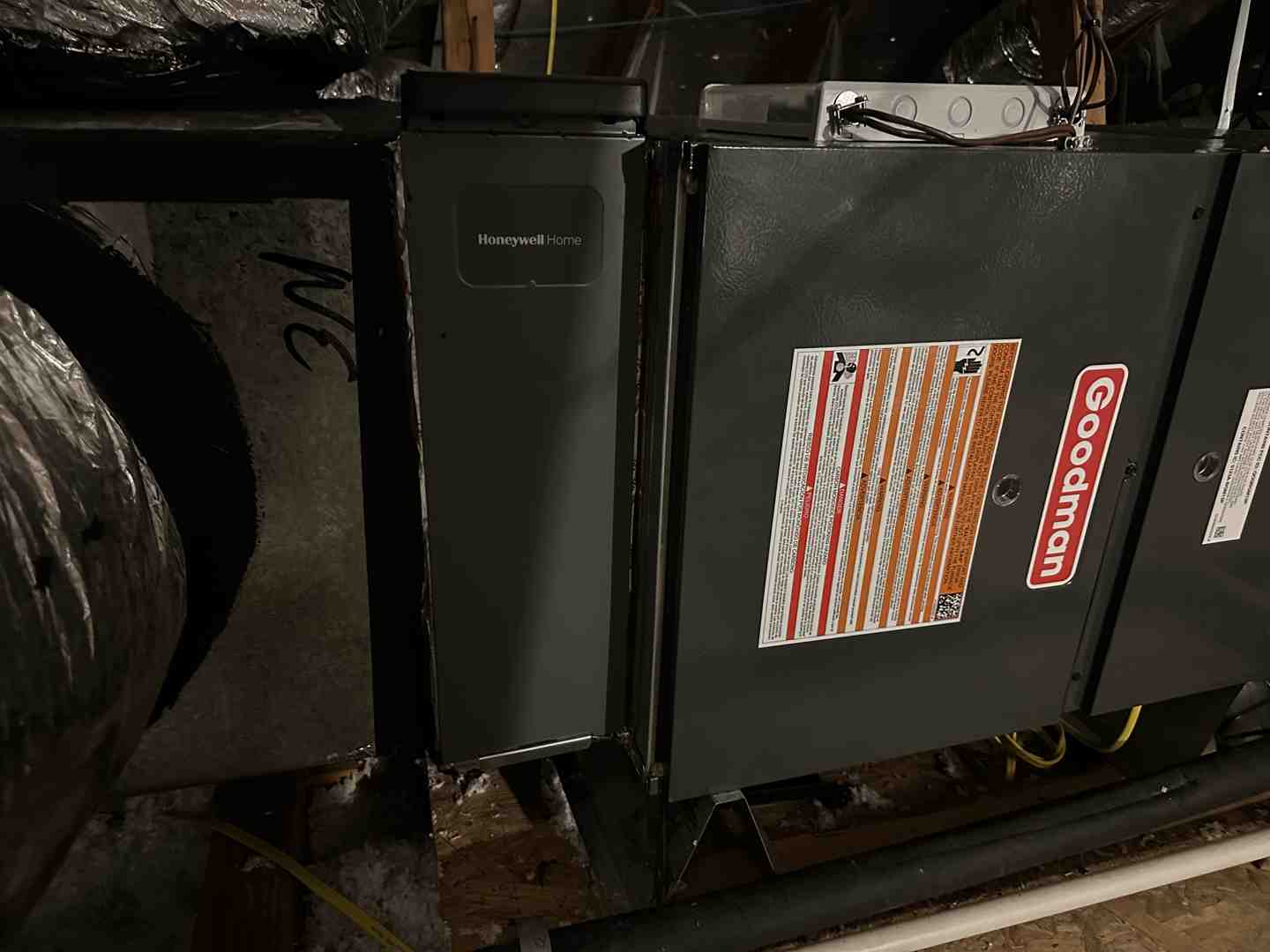
Many homes are built with standard 1-inch filter slots. While these are convenient and inexpensive, they have a limited surface area. When you try to use a high-MERV filter (like a MERV 13) in a 1-inch thickness, the tight pleats can quickly clog, creating high static pressure. Static pressure is the resistance to airflow within your ductwork. If static pressure gets too high, your system has to work twice as hard to push air through the home, leading to higher utility bills and premature motor failure.
Why Thicker Media Filters Are the Best AC Filter Options for Houston Area Homes
If you are looking for the absolute best performance, thicker media filters (usually 4 to 5 inches deep) are the superior choice.
Because these filters are much thicker, they contain significantly more pleated material folded inside. This massive increase in surface area provides two major benefits:
- Low Airflow Resistance: Even at a high rating like MERV 13, a 4-inch media filter allows air to pass through much more easily than a thin 1-inch equivalent.
- Extended Lifespan: Instead of replacing your filter every month, a deep media filter can easily last 6 to 12 months before needing a replacement.
While upgrading to a thicker media filter requires a professional modification to your return plenum or the installation of a dedicated media cabinet, the long-term savings in energy, filter costs, and equipment wear make it a highly cost-effective upgrade for local homeowners.
Why Washable and Electrostatic Filters Often Disappoint in Humid Climates
It can be tempting to purchase a washable or reusable electrostatic filter to save money. However, in our humid Southeast Texas climate, we strongly advise against them.
Washable filters rely on plastic or metal mesh that is electrostatically charged to attract dust. Over time, dust accumulates deep inside the core of the filter where household spray-washing cannot fully reach. When you combine trapped organic dust with the high humidity of a Houston summer, the interior of a washable filter becomes a prime breeding ground for mold and bacteria.
Furthermore, if you put a washable filter back into your system before it is 100% dry, you introduce moisture directly into your dark ductwork. This often results in a persistent, stale smell throughout your home. If you are experiencing this issue, take a look at these 6 Reasons Your AC Has a Musty Smell to identify and correct the source of the odor.
Filter Maintenance and Replacement in Houston's Extended Cooling Season
Because our cooling season lasts eight to nine months out of the year, our air conditioners run much longer than those in northern states. This means your filter is constantly loading with dust, pollen, and pet hair.
We recommend checking your 1-inch filters once a month. A simple trick is to hold the filter up to a light source. If you cannot see light passing through the pleats, it is time for a replacement. For a step-by-step walkthrough on how to handle this yourself, check out our How to Replace AC Filters: A Quick and Simple Guide.
How Dirty Filters Can Damage Your Houston HVAC System
Neglecting your air filter is one of the leading causes of air conditioning breakdowns. When a filter becomes heavily clogged, the restricted airflow prevents the warm indoor air from properly blowing over the cold evaporator coils.
Without sufficient warm air to keep them balanced, the temperature of the coils drops below freezing, causing the humidity in the air to freeze solid on the metal fins. A frozen system cannot cool your home and can cause liquid refrigerant to flood back into your compressor, leading to catastrophic system failure. If you suspect this is happening in your home, read about How Dirty Filters Cause Frozen Evaporator Coils to see how to prevent this costly issue.
Supplemental Air Quality Solutions for North Harris County Homes
While high-quality filters are your first line of defense, standard filtration is sometimes not enough to keep your indoor air perfectly clean—especially if you live in rapidly growing areas like Cypress, Tomball, or Pinehurst, where construction dust and seasonal pollen are heavy.
If you are looking to elevate your indoor health, you can explore professional options like those detailed on our Indoor Air Quality Cypress TX page. These solutions integrate directly with your existing ductwork to treat your entire home simultaneously.
When to Upgrade to the Best AC Filter Options for Houston Area Homes with Whole-Home Purifiers
For households dealing with severe respiratory issues, asthma, or compromised immune systems, upgrading to a whole-home active air purification system is a game-changer. These systems can remove up to 99.97% of airborne particles as small as 0.3 microns when using true HEPA-level filtration.
Unlike passive filters that only catch particles that pass directly through them, active systems release friendly oxidizers or use UV-C light technology to neutralize mold spores, bacteria, and viruses on surfaces and in the air. To explore your options, you can read about our dedicated installations at Whole Home Air Purifiers Cypress TX and Whole Home Air Filtration Tomball TX. For a complete breakdown of how these advanced systems compare to standard filters, visit our guide on choosing an Air Purification System.
Frequently Asked Questions About Houston AC Filters
Can a high-MERV filter damage my air conditioning system?
Yes, if it is a standard 1-inch filter and your system is not designed to handle the increased airflow resistance. High-MERV 1-inch filters (like MERV 13) can restrict airflow, causing high static pressure, frozen coils, and severe strain on your blower motor. If you want to use a high-MERV filter, we recommend upgrading to a thicker 4-inch or 5-inch media cabinet.
How often should I change my AC filter in the Houston area?
During the peak of the summer cooling season, standard 1-inch pleated filters (MERV 8 to 11) should be changed every 30 to 60 days. If you have multiple pets, smoke, or live near a dusty construction site, you may need to replace them every 30 days. Thicker 4-inch to 5-inch media filters only need to be replaced every 6 to 12 months.
Are washable filters safe to use in humid Texas climates?
Generally, no. Washable filters are difficult to clean deeply, and their design makes them prone to retaining moisture. In our humid climate, a damp filter full of trapped organic dust becomes a perfect environment for mold and mildew growth, which can ruin your indoor air quality and create musty odors.
Conclusion
Choosing the best ac filter options for Houston area homes is one of the easiest ways to protect your comfort, your health, and your wallet. By matching the right MERV rating to your family's needs and keeping up with regular replacements, you ensure your air conditioner runs efficiently all year long.
At Air Comfort Pros, we have over 35 years of experience keeping families comfortable across Pinehurst, Tomball, Cypress, Magnolia, and the surrounding north Harris County communities. Our certified technicians are always here to help you evaluate your system's static pressure, upgrade your filter cabinet, or install advanced indoor air quality solutions.
Keep your system running at peak performance—Schedule professional HVAC maintenance today with our team!
Why Finding the Best AC Filter Options for Houston Area Homes Matters More Than You Think
The best ac filter options for Houston area homes are not the same as what works for homes in drier, cooler parts of the country. Houston's heat, humidity, and year-round pollen load put your HVAC system — and your air filter — under constant pressure.
Here is a quick-reference summary to address what most Houston homeowners need to know:
Top AC Filter Recommendations for Houston Area Homes
| Filter Type | Best For | Replacement Frequency |
|---|---|---|
| MERV 11 pleated (1-inch) | Most Houston homes | Every 30-60 days |
| MERV 13 pleated (1-inch) | Allergy/asthma households | Every 30-45 days |
| MERV 13 media filter (4-5 inch) | Best overall performance | Every 6-12 months |
| MERV 8 pleated (1-inch) | Older systems with low airflow | Every 60 days |
Key takeaways at a glance:
- MERV 11 is the recommended starting point for most Houston homes
- MERV 13 offers stronger protection but requires system compatibility check
- Thicker 4-5 inch media filters outperform 1-inch filters and last longer
- Avoid washable or electrostatic filters in humid Houston climates
- Houston's extended cooling season means filters load faster than in most U.S. markets
Indoor air can be two to five times more polluted than outdoor air — and that gap widens when your filter is clogged or the wrong type for your climate. In a city where your AC runs eight to nine months out of the year, a poor filter choice does not just affect air quality. It strains your system, raises your energy bills, and can shorten the life of your equipment.
The good news is that choosing the right filter does not have to be complicated. This guide walks you through everything Houston-area homeowners need to know — from decoding MERV ratings to knowing when a standard filter is not enough.
Understanding MERV Ratings for Southeast Texas Climates
When shopping for the best ac filter options for Houston area homes, the first acronym you will run into is MERV. MERV stands for Minimum Efficiency Reporting Value. It is a standardized scale developed by the American Society of Heating, Refrigerating and Air-Conditioning Engineers (ASHRAE) to measure how effectively a filter traps particles of varying sizes. The rating scale runs from 1 to 20, with higher numbers indicating tighter filtration.
In Southeast Texas, MERV ratings are incredibly important because our climate presents a unique set of challenges. High humidity levels mean that airborne particles like mold spores, dust mites, and pollen behave differently. Moisture can cause these particles to swell, clump together, and stick to surfaces, including your AC's internal components.
Furthermore, dust mites need a sustained relative humidity of at least 58% for several months to grow and produce significant allergens—a threshold our local weather easily surpasses for a large portion of the year. When your cooling system runs constantly to battle this moisture, your choice of filter directly impacts how these biological contaminants are managed. To understand how your cooling system behaves under these heavy moisture conditions, you can read more about How Your AC Affects Indoor Air Quality in Humid Climates.
Comparing MERV 8, MERV 11, and MERV 13 Filters
For residential HVAC systems, the sweet spot for filtration lies between MERV 8 and MERV 13. Understanding how these levels compare in terms of filtration performance and airflow resistance is essential for making the right choice.
| MERV Rating | Particle Size Captured | Target Contaminants | Airflow Resistance |
|---|---|---|---|
| MERV 8 | 3.0 to 10.0 microns | Pollen, mold spores, household dust, lint | Low |
| MERV 11 | 1.0 to 3.0 microns | Pet dander, dust mite debris, auto emissions | Moderate |
| MERV 13 | 0.3 to 1.0 microns | Bacteria, virus carriers, smoke, microscopic allergens | Moderate to High |
- MERV 8: This is the practical baseline for many homes. It does an excellent job of catching larger particles like pollen grains (which range from 10 to 100 microns) and mold spores (3 to 30 microns). It offers very little airflow resistance, making it safe for older HVAC systems with weaker blower motors.
- MERV 11: This is the recommended baseline for the majority of modern homes in the Houston area. It captures smaller particles, including pet dander and dust mite allergens. If you want to keep your home cleaner and reduce dust settling on your furniture, upgrading to MERV 11 is a highly noticeable step up. For families with furry companions, you can learn more about How Air Filtration Systems Remove Pet Dander to see how upgraded filtration keeps airborne pet hair and dander under control.
- MERV 13: This is the highest residential rating recommended by the EPA. MERV 13 filters capture up to 93% of airborne particles without impacting airflow when properly designed. They are highly efficient at trapping microscopic particles like smoke, bacteria, and virus-carrying droplets. However, because the weave is much tighter, a standard 1-inch MERV 13 filter can restrict airflow if your system has undersized ductwork or an older blower motor.
Why MERV Ratings Matter More Than Proprietary Store Scales
If you have ever stood in the home improvement store aisle looking at filters, you have likely noticed other rating systems alongside MERV. Brands like 3M use MPR (Microparticle Performance Rating), while Home Depot uses FPR (Filter Performance Rating).
While these proprietary scales are helpful marketing tools for their respective brands, they can sometimes mislead homeowners. MERV is the only standardized, independently tested rating system recognized across the entire HVAC industry. When you choose a filter based on its official MERV rating, you are getting an objective assessment of its performance, regardless of the brand name on the packaging.
Evaluating the Best AC Filter Options for Houston Area Homes
Choosing the right filter goes beyond just picking a rating; you also have to consider the physical dimensions and style of the filter.
Many homes are built with standard 1-inch filter slots. While these are convenient and inexpensive, they have a limited surface area. When you try to use a high-MERV filter (like a MERV 13) in a 1-inch thickness, the tight pleats can quickly clog, creating high static pressure. Static pressure is the resistance to airflow within your ductwork. If static pressure gets too high, your system has to work twice as hard to push air through the home, leading to higher utility bills and premature motor failure.
Why Thicker Media Filters Are the Best AC Filter Options for Houston Area Homes
If you are looking for the absolute best performance, thicker media filters (usually 4 to 5 inches deep) are the superior choice.
Because these filters are much thicker, they contain significantly more pleated material folded inside. This massive increase in surface area provides two major benefits:
- Low Airflow Resistance: Even at a high rating like MERV 13, a 4-inch media filter allows air to pass through much more easily than a thin 1-inch equivalent.
- Extended Lifespan: Instead of replacing your filter every month, a deep media filter can easily last 6 to 12 months before needing a replacement.
While upgrading to a thicker media filter requires a professional modification to your return plenum or the installation of a dedicated media cabinet, the long-term savings in energy, filter costs, and equipment wear make it a highly cost-effective upgrade for local homeowners.
Why Washable and Electrostatic Filters Often Disappoint in Humid Climates
It can be tempting to purchase a washable or reusable electrostatic filter to save money. However, in our humid Southeast Texas climate, we strongly advise against them.
Washable filters rely on plastic or metal mesh that is electrostatically charged to attract dust. Over time, dust accumulates deep inside the core of the filter where household spray-washing cannot fully reach. When you combine trapped organic dust with the high humidity of a Houston summer, the interior of a washable filter becomes a prime breeding ground for mold and bacteria.
Furthermore, if you put a washable filter back into your system before it is 100% dry, you introduce moisture directly into your dark ductwork. This often results in a persistent, stale smell throughout your home. If you are experiencing this issue, take a look at these 6 Reasons Your AC Has a Musty Smell to identify and correct the source of the odor.
Filter Maintenance and Replacement in Houston's Extended Cooling Season
Because our cooling season lasts eight to nine months out of the year, our air conditioners run much longer than those in northern states. This means your filter is constantly loading with dust, pollen, and pet hair.
We recommend checking your 1-inch filters once a month. A simple trick is to hold the filter up to a light source. If you cannot see light passing through the pleats, it is time for a replacement. For a step-by-step walkthrough on how to handle this yourself, check out our How to Replace AC Filters: A Quick and Simple Guide.
How Dirty Filters Can Damage Your Houston HVAC System
Neglecting your air filter is one of the leading causes of air conditioning breakdowns. When a filter becomes heavily clogged, the restricted airflow prevents the warm indoor air from properly blowing over the cold evaporator coils.
Without sufficient warm air to keep them balanced, the temperature of the coils drops below freezing, causing the humidity in the air to freeze solid on the metal fins. A frozen system cannot cool your home and can cause liquid refrigerant to flood back into your compressor, leading to catastrophic system failure. If you suspect this is happening in your home, read about How Dirty Filters Cause Frozen Evaporator Coils to see how to prevent this costly issue.
Supplemental Air Quality Solutions for North Harris County Homes
While high-quality filters are your first line of defense, standard filtration is sometimes not enough to keep your indoor air perfectly clean—especially if you live in rapidly growing areas like Cypress, Tomball, or Pinehurst, where construction dust and seasonal pollen are heavy.
If you are looking to elevate your indoor health, you can explore professional options like those detailed on our Indoor Air Quality Cypress TX page. These solutions integrate directly with your existing ductwork to treat your entire home simultaneously.
When to Upgrade to the Best AC Filter Options for Houston Area Homes with Whole-Home Purifiers
For households dealing with severe respiratory issues, asthma, or compromised immune systems, upgrading to a whole-home active air purification system is a game-changer. These systems can remove up to 99.97% of airborne particles as small as 0.3 microns when using true HEPA-level filtration.
Unlike passive filters that only catch particles that pass directly through them, active systems release friendly oxidizers or use UV-C light technology to neutralize mold spores, bacteria, and viruses on surfaces and in the air. To explore your options, you can read about our dedicated installations at Whole Home Air Purifiers Cypress TX and Whole Home Air Filtration Tomball TX. For a complete breakdown of how these advanced systems compare to standard filters, visit our guide on choosing an Air Purification System.
Frequently Asked Questions About Houston AC Filters
Can a high-MERV filter damage my air conditioning system?
Yes, if it is a standard 1-inch filter and your system is not designed to handle the increased airflow resistance. High-MERV 1-inch filters (like MERV 13) can restrict airflow, causing high static pressure, frozen coils, and severe strain on your blower motor. If you want to use a high-MERV filter, we recommend upgrading to a thicker 4-inch or 5-inch media cabinet.
How often should I change my AC filter in the Houston area?
During the peak of the summer cooling season, standard 1-inch pleated filters (MERV 8 to 11) should be changed every 30 to 60 days. If you have multiple pets, smoke, or live near a dusty construction site, you may need to replace them every 30 days. Thicker 4-inch to 5-inch media filters only need to be replaced every 6 to 12 months.
Are washable filters safe to use in humid Texas climates?
Generally, no. Washable filters are difficult to clean deeply, and their design makes them prone to retaining moisture. In our humid climate, a damp filter full of trapped organic dust becomes a perfect environment for mold and mildew growth, which can ruin your indoor air quality and create musty odors.
Conclusion
Choosing the best ac filter options for Houston area homes is one of the easiest ways to protect your comfort, your health, and your wallet. By matching the right MERV rating to your family's needs and keeping up with regular replacements, you ensure your air conditioner runs efficiently all year long.
At Air Comfort Pros, we have over 35 years of experience keeping families comfortable across Pinehurst, Tomball, Cypress, Magnolia, and the surrounding north Harris County communities. Our certified technicians are always here to help you evaluate your system's static pressure, upgrade your filter cabinet, or install advanced indoor air quality solutions.
Keep your system running at peak performance—Schedule professional HVAC maintenance today with our team!
Why Finding the Best AC Filter Options for Houston Area Homes Matters More Than You Think
The best ac filter options for Houston area homes are not the same as what works for homes in drier, cooler parts of the country. Houston's heat, humidity, and year-round pollen load put your HVAC system — and your air filter — under constant pressure.
Here is a quick-reference summary to address what most Houston homeowners need to know:
Top AC Filter Recommendations for Houston Area Homes
| Filter Type | Best For | Replacement Frequency |
|---|---|---|
| MERV 11 pleated (1-inch) | Most Houston homes | Every 30-60 days |
| MERV 13 pleated (1-inch) | Allergy/asthma households | Every 30-45 days |
| MERV 13 media filter (4-5 inch) | Best overall performance | Every 6-12 months |
| MERV 8 pleated (1-inch) | Older systems with low airflow | Every 60 days |
Key takeaways at a glance:
- MERV 11 is the recommended starting point for most Houston homes
- MERV 13 offers stronger protection but requires system compatibility check
- Thicker 4-5 inch media filters outperform 1-inch filters and last longer
- Avoid washable or electrostatic filters in humid Houston climates
- Houston's extended cooling season means filters load faster than in most U.S. markets
Indoor air can be two to five times more polluted than outdoor air — and that gap widens when your filter is clogged or the wrong type for your climate. In a city where your AC runs eight to nine months out of the year, a poor filter choice does not just affect air quality. It strains your system, raises your energy bills, and can shorten the life of your equipment.
The good news is that choosing the right filter does not have to be complicated. This guide walks you through everything Houston-area homeowners need to know — from decoding MERV ratings to knowing when a standard filter is not enough.
Understanding MERV Ratings for Southeast Texas Climates
When shopping for the best ac filter options for Houston area homes, the first acronym you will run into is MERV. MERV stands for Minimum Efficiency Reporting Value. It is a standardized scale developed by the American Society of Heating, Refrigerating and Air-Conditioning Engineers (ASHRAE) to measure how effectively a filter traps particles of varying sizes. The rating scale runs from 1 to 20, with higher numbers indicating tighter filtration.
In Southeast Texas, MERV ratings are incredibly important because our climate presents a unique set of challenges. High humidity levels mean that airborne particles like mold spores, dust mites, and pollen behave differently. Moisture can cause these particles to swell, clump together, and stick to surfaces, including your AC's internal components.
Furthermore, dust mites need a sustained relative humidity of at least 58% for several months to grow and produce significant allergens—a threshold our local weather easily surpasses for a large portion of the year. When your cooling system runs constantly to battle this moisture, your choice of filter directly impacts how these biological contaminants are managed. To understand how your cooling system behaves under these heavy moisture conditions, you can read more about How Your AC Affects Indoor Air Quality in Humid Climates.
Comparing MERV 8, MERV 11, and MERV 13 Filters
For residential HVAC systems, the sweet spot for filtration lies between MERV 8 and MERV 13. Understanding how these levels compare in terms of filtration performance and airflow resistance is essential for making the right choice.
| MERV Rating | Particle Size Captured | Target Contaminants | Airflow Resistance |
|---|---|---|---|
| MERV 8 | 3.0 to 10.0 microns | Pollen, mold spores, household dust, lint | Low |
| MERV 11 | 1.0 to 3.0 microns | Pet dander, dust mite debris, auto emissions | Moderate |
| MERV 13 | 0.3 to 1.0 microns | Bacteria, virus carriers, smoke, microscopic allergens | Moderate to High |
- MERV 8: This is the practical baseline for many homes. It does an excellent job of catching larger particles like pollen grains (which range from 10 to 100 microns) and mold spores (3 to 30 microns). It offers very little airflow resistance, making it safe for older HVAC systems with weaker blower motors.
- MERV 11: This is the recommended baseline for the majority of modern homes in the Houston area. It captures smaller particles, including pet dander and dust mite allergens. If you want to keep your home cleaner and reduce dust settling on your furniture, upgrading to MERV 11 is a highly noticeable step up. For families with furry companions, you can learn more about How Air Filtration Systems Remove Pet Dander to see how upgraded filtration keeps airborne pet hair and dander under control.
- MERV 13: This is the highest residential rating recommended by the EPA. MERV 13 filters capture up to 93% of airborne particles without impacting airflow when properly designed. They are highly efficient at trapping microscopic particles like smoke, bacteria, and virus-carrying droplets. However, because the weave is much tighter, a standard 1-inch MERV 13 filter can restrict airflow if your system has undersized ductwork or an older blower motor.
Why MERV Ratings Matter More Than Proprietary Store Scales
If you have ever stood in the home improvement store aisle looking at filters, you have likely noticed other rating systems alongside MERV. Brands like 3M use MPR (Microparticle Performance Rating), while Home Depot uses FPR (Filter Performance Rating).
While these proprietary scales are helpful marketing tools for their respective brands, they can sometimes mislead homeowners. MERV is the only standardized, independently tested rating system recognized across the entire HVAC industry. When you choose a filter based on its official MERV rating, you are getting an objective assessment of its performance, regardless of the brand name on the packaging.
Evaluating the Best AC Filter Options for Houston Area Homes
Choosing the right filter goes beyond just picking a rating; you also have to consider the physical dimensions and style of the filter.
Many homes are built with standard 1-inch filter slots. While these are convenient and inexpensive, they have a limited surface area. When you try to use a high-MERV filter (like a MERV 13) in a 1-inch thickness, the tight pleats can quickly clog, creating high static pressure. Static pressure is the resistance to airflow within your ductwork. If static pressure gets too high, your system has to work twice as hard to push air through the home, leading to higher utility bills and premature motor failure.
Why Thicker Media Filters Are the Best AC Filter Options for Houston Area Homes
If you are looking for the absolute best performance, thicker media filters (usually 4 to 5 inches deep) are the superior choice.
Because these filters are much thicker, they contain significantly more pleated material folded inside. This massive increase in surface area provides two major benefits:
- Low Airflow Resistance: Even at a high rating like MERV 13, a 4-inch media filter allows air to pass through much more easily than a thin 1-inch equivalent.
- Extended Lifespan: Instead of replacing your filter every month, a deep media filter can easily last 6 to 12 months before needing a replacement.
While upgrading to a thicker media filter requires a professional modification to your return plenum or the installation of a dedicated media cabinet, the long-term savings in energy, filter costs, and equipment wear make it a highly cost-effective upgrade for local homeowners.
Why Washable and Electrostatic Filters Often Disappoint in Humid Climates
It can be tempting to purchase a washable or reusable electrostatic filter to save money. However, in our humid Southeast Texas climate, we strongly advise against them.
Washable filters rely on plastic or metal mesh that is electrostatically charged to attract dust. Over time, dust accumulates deep inside the core of the filter where household spray-washing cannot fully reach. When you combine trapped organic dust with the high humidity of a Houston summer, the interior of a washable filter becomes a prime breeding ground for mold and bacteria.
Furthermore, if you put a washable filter back into your system before it is 100% dry, you introduce moisture directly into your dark ductwork. This often results in a persistent, stale smell throughout your home. If you are experiencing this issue, take a look at these 6 Reasons Your AC Has a Musty Smell to identify and correct the source of the odor.
Filter Maintenance and Replacement in Houston's Extended Cooling Season
Because our cooling season lasts eight to nine months out of the year, our air conditioners run much longer than those in northern states. This means your filter is constantly loading with dust, pollen, and pet hair.
We recommend checking your 1-inch filters once a month. A simple trick is to hold the filter up to a light source. If you cannot see light passing through the pleats, it is time for a replacement. For a step-by-step walkthrough on how to handle this yourself, check out our How to Replace AC Filters: A Quick and Simple Guide.
How Dirty Filters Can Damage Your Houston HVAC System
Neglecting your air filter is one of the leading causes of air conditioning breakdowns. When a filter becomes heavily clogged, the restricted airflow prevents the warm indoor air from properly blowing over the cold evaporator coils.
Without sufficient warm air to keep them balanced, the temperature of the coils drops below freezing, causing the humidity in the air to freeze solid on the metal fins. A frozen system cannot cool your home and can cause liquid refrigerant to flood back into your compressor, leading to catastrophic system failure. If you suspect this is happening in your home, read about How Dirty Filters Cause Frozen Evaporator Coils to see how to prevent this costly issue.
Supplemental Air Quality Solutions for North Harris County Homes
While high-quality filters are your first line of defense, standard filtration is sometimes not enough to keep your indoor air perfectly clean—especially if you live in rapidly growing areas like Cypress, Tomball, or Pinehurst, where construction dust and seasonal pollen are heavy.
If you are looking to elevate your indoor health, you can explore professional options like those detailed on our Indoor Air Quality Cypress TX page. These solutions integrate directly with your existing ductwork to treat your entire home simultaneously.
When to Upgrade to the Best AC Filter Options for Houston Area Homes with Whole-Home Purifiers
For households dealing with severe respiratory issues, asthma, or compromised immune systems, upgrading to a whole-home active air purification system is a game-changer. These systems can remove up to 99.97% of airborne particles as small as 0.3 microns when using true HEPA-level filtration.
Unlike passive filters that only catch particles that pass directly through them, active systems release friendly oxidizers or use UV-C light technology to neutralize mold spores, bacteria, and viruses on surfaces and in the air. To explore your options, you can read about our dedicated installations at Whole Home Air Purifiers Cypress TX and Whole Home Air Filtration Tomball TX. For a complete breakdown of how these advanced systems compare to standard filters, visit our guide on choosing an Air Purification System.
Frequently Asked Questions About Houston AC Filters
Can a high-MERV filter damage my air conditioning system?
Yes, if it is a standard 1-inch filter and your system is not designed to handle the increased airflow resistance. High-MERV 1-inch filters (like MERV 13) can restrict airflow, causing high static pressure, frozen coils, and severe strain on your blower motor. If you want to use a high-MERV filter, we recommend upgrading to a thicker 4-inch or 5-inch media cabinet.
How often should I change my AC filter in the Houston area?
During the peak of the summer cooling season, standard 1-inch pleated filters (MERV 8 to 11) should be changed every 30 to 60 days. If you have multiple pets, smoke, or live near a dusty construction site, you may need to replace them every 30 days. Thicker 4-inch to 5-inch media filters only need to be replaced every 6 to 12 months.
Are washable filters safe to use in humid Texas climates?
Generally, no. Washable filters are difficult to clean deeply, and their design makes them prone to retaining moisture. In our humid climate, a damp filter full of trapped organic dust becomes a perfect environment for mold and mildew growth, which can ruin your indoor air quality and create musty odors.
Conclusion
Choosing the best ac filter options for Houston area homes is one of the easiest ways to protect your comfort, your health, and your wallet. By matching the right MERV rating to your family's needs and keeping up with regular replacements, you ensure your air conditioner runs efficiently all year long.
At Air Comfort Pros, we have over 35 years of experience keeping families comfortable across Pinehurst, Tomball, Cypress, Magnolia, and the surrounding north Harris County communities. Our certified technicians are always here to help you evaluate your system's static pressure, upgrade your filter cabinet, or install advanced indoor air quality solutions.
Keep your system running at peak performance—Schedule professional HVAC maintenance today with our team!
Why Finding the Best AC Filter Options for Houston Area Homes Matters More Than You Think
The best ac filter options for Houston area homes are not the same as what works for homes in drier, cooler parts of the country. Houston's heat, humidity, and year-round pollen load put your HVAC system — and your air filter — under constant pressure.
Here is a quick-reference summary to address what most Houston homeowners need to know:
Top AC Filter Recommendations for Houston Area Homes
| Filter Type | Best For | Replacement Frequency |
|---|---|---|
| MERV 11 pleated (1-inch) | Most Houston homes | Every 30-60 days |
| MERV 13 pleated (1-inch) | Allergy/asthma households | Every 30-45 days |
| MERV 13 media filter (4-5 inch) | Best overall performance | Every 6-12 months |
| MERV 8 pleated (1-inch) | Older systems with low airflow | Every 60 days |
Key takeaways at a glance:
- MERV 11 is the recommended starting point for most Houston homes
- MERV 13 offers stronger protection but requires system compatibility check
- Thicker 4-5 inch media filters outperform 1-inch filters and last longer
- Avoid washable or electrostatic filters in humid Houston climates
- Houston's extended cooling season means filters load faster than in most U.S. markets
Indoor air can be two to five times more polluted than outdoor air — and that gap widens when your filter is clogged or the wrong type for your climate. In a city where your AC runs eight to nine months out of the year, a poor filter choice does not just affect air quality. It strains your system, raises your energy bills, and can shorten the life of your equipment.
The good news is that choosing the right filter does not have to be complicated. This guide walks you through everything Houston-area homeowners need to know — from decoding MERV ratings to knowing when a standard filter is not enough.
Understanding MERV Ratings for Southeast Texas Climates
When shopping for the best ac filter options for Houston area homes, the first acronym you will run into is MERV. MERV stands for Minimum Efficiency Reporting Value. It is a standardized scale developed by the American Society of Heating, Refrigerating and Air-Conditioning Engineers (ASHRAE) to measure how effectively a filter traps particles of varying sizes. The rating scale runs from 1 to 20, with higher numbers indicating tighter filtration.
In Southeast Texas, MERV ratings are incredibly important because our climate presents a unique set of challenges. High humidity levels mean that airborne particles like mold spores, dust mites, and pollen behave differently. Moisture can cause these particles to swell, clump together, and stick to surfaces, including your AC's internal components.
Furthermore, dust mites need a sustained relative humidity of at least 58% for several months to grow and produce significant allergens—a threshold our local weather easily surpasses for a large portion of the year. When your cooling system runs constantly to battle this moisture, your choice of filter directly impacts how these biological contaminants are managed. To understand how your cooling system behaves under these heavy moisture conditions, you can read more about How Your AC Affects Indoor Air Quality in Humid Climates.
Comparing MERV 8, MERV 11, and MERV 13 Filters
For residential HVAC systems, the sweet spot for filtration lies between MERV 8 and MERV 13. Understanding how these levels compare in terms of filtration performance and airflow resistance is essential for making the right choice.
| MERV Rating | Particle Size Captured | Target Contaminants | Airflow Resistance |
|---|---|---|---|
| MERV 8 | 3.0 to 10.0 microns | Pollen, mold spores, household dust, lint | Low |
| MERV 11 | 1.0 to 3.0 microns | Pet dander, dust mite debris, auto emissions | Moderate |
| MERV 13 | 0.3 to 1.0 microns | Bacteria, virus carriers, smoke, microscopic allergens | Moderate to High |
- MERV 8: This is the practical baseline for many homes. It does an excellent job of catching larger particles like pollen grains (which range from 10 to 100 microns) and mold spores (3 to 30 microns). It offers very little airflow resistance, making it safe for older HVAC systems with weaker blower motors.
- MERV 11: This is the recommended baseline for the majority of modern homes in the Houston area. It captures smaller particles, including pet dander and dust mite allergens. If you want to keep your home cleaner and reduce dust settling on your furniture, upgrading to MERV 11 is a highly noticeable step up. For families with furry companions, you can learn more about How Air Filtration Systems Remove Pet Dander to see how upgraded filtration keeps airborne pet hair and dander under control.
- MERV 13: This is the highest residential rating recommended by the EPA. MERV 13 filters capture up to 93% of airborne particles without impacting airflow when properly designed. They are highly efficient at trapping microscopic particles like smoke, bacteria, and virus-carrying droplets. However, because the weave is much tighter, a standard 1-inch MERV 13 filter can restrict airflow if your system has undersized ductwork or an older blower motor.
Why MERV Ratings Matter More Than Proprietary Store Scales
If you have ever stood in the home improvement store aisle looking at filters, you have likely noticed other rating systems alongside MERV. Brands like 3M use MPR (Microparticle Performance Rating), while Home Depot uses FPR (Filter Performance Rating).
While these proprietary scales are helpful marketing tools for their respective brands, they can sometimes mislead homeowners. MERV is the only standardized, independently tested rating system recognized across the entire HVAC industry. When you choose a filter based on its official MERV rating, you are getting an objective assessment of its performance, regardless of the brand name on the packaging.
Evaluating the Best AC Filter Options for Houston Area Homes
Choosing the right filter goes beyond just picking a rating; you also have to consider the physical dimensions and style of the filter.
Many homes are built with standard 1-inch filter slots. While these are convenient and inexpensive, they have a limited surface area. When you try to use a high-MERV filter (like a MERV 13) in a 1-inch thickness, the tight pleats can quickly clog, creating high static pressure. Static pressure is the resistance to airflow within your ductwork. If static pressure gets too high, your system has to work twice as hard to push air through the home, leading to higher utility bills and premature motor failure.
Why Thicker Media Filters Are the Best AC Filter Options for Houston Area Homes
If you are looking for the absolute best performance, thicker media filters (usually 4 to 5 inches deep) are the superior choice.
Because these filters are much thicker, they contain significantly more pleated material folded inside. This massive increase in surface area provides two major benefits:
- Low Airflow Resistance: Even at a high rating like MERV 13, a 4-inch media filter allows air to pass through much more easily than a thin 1-inch equivalent.
- Extended Lifespan: Instead of replacing your filter every month, a deep media filter can easily last 6 to 12 months before needing a replacement.
While upgrading to a thicker media filter requires a professional modification to your return plenum or the installation of a dedicated media cabinet, the long-term savings in energy, filter costs, and equipment wear make it a highly cost-effective upgrade for local homeowners.
Why Washable and Electrostatic Filters Often Disappoint in Humid Climates
It can be tempting to purchase a washable or reusable electrostatic filter to save money. However, in our humid Southeast Texas climate, we strongly advise against them.
Washable filters rely on plastic or metal mesh that is electrostatically charged to attract dust. Over time, dust accumulates deep inside the core of the filter where household spray-washing cannot fully reach. When you combine trapped organic dust with the high humidity of a Houston summer, the interior of a washable filter becomes a prime breeding ground for mold and bacteria.
Furthermore, if you put a washable filter back into your system before it is 100% dry, you introduce moisture directly into your dark ductwork. This often results in a persistent, stale smell throughout your home. If you are experiencing this issue, take a look at these 6 Reasons Your AC Has a Musty Smell to identify and correct the source of the odor.
Filter Maintenance and Replacement in Houston's Extended Cooling Season
Because our cooling season lasts eight to nine months out of the year, our air conditioners run much longer than those in northern states. This means your filter is constantly loading with dust, pollen, and pet hair.
We recommend checking your 1-inch filters once a month. A simple trick is to hold the filter up to a light source. If you cannot see light passing through the pleats, it is time for a replacement. For a step-by-step walkthrough on how to handle this yourself, check out our How to Replace AC Filters: A Quick and Simple Guide.
How Dirty Filters Can Damage Your Houston HVAC System
Neglecting your air filter is one of the leading causes of air conditioning breakdowns. When a filter becomes heavily clogged, the restricted airflow prevents the warm indoor air from properly blowing over the cold evaporator coils.
Without sufficient warm air to keep them balanced, the temperature of the coils drops below freezing, causing the humidity in the air to freeze solid on the metal fins. A frozen system cannot cool your home and can cause liquid refrigerant to flood back into your compressor, leading to catastrophic system failure. If you suspect this is happening in your home, read about How Dirty Filters Cause Frozen Evaporator Coils to see how to prevent this costly issue.
Supplemental Air Quality Solutions for North Harris County Homes
While high-quality filters are your first line of defense, standard filtration is sometimes not enough to keep your indoor air perfectly clean—especially if you live in rapidly growing areas like Cypress, Tomball, or Pinehurst, where construction dust and seasonal pollen are heavy.
If you are looking to elevate your indoor health, you can explore professional options like those detailed on our Indoor Air Quality Cypress TX page. These solutions integrate directly with your existing ductwork to treat your entire home simultaneously.
When to Upgrade to the Best AC Filter Options for Houston Area Homes with Whole-Home Purifiers
For households dealing with severe respiratory issues, asthma, or compromised immune systems, upgrading to a whole-home active air purification system is a game-changer. These systems can remove up to 99.97% of airborne particles as small as 0.3 microns when using true HEPA-level filtration.
Unlike passive filters that only catch particles that pass directly through them, active systems release friendly oxidizers or use UV-C light technology to neutralize mold spores, bacteria, and viruses on surfaces and in the air. To explore your options, you can read about our dedicated installations at Whole Home Air Purifiers Cypress TX and Whole Home Air Filtration Tomball TX. For a complete breakdown of how these advanced systems compare to standard filters, visit our guide on choosing an Air Purification System.
Frequently Asked Questions About Houston AC Filters
Can a high-MERV filter damage my air conditioning system?
Yes, if it is a standard 1-inch filter and your system is not designed to handle the increased airflow resistance. High-MERV 1-inch filters (like MERV 13) can restrict airflow, causing high static pressure, frozen coils, and severe strain on your blower motor. If you want to use a high-MERV filter, we recommend upgrading to a thicker 4-inch or 5-inch media cabinet.
How often should I change my AC filter in the Houston area?
During the peak of the summer cooling season, standard 1-inch pleated filters (MERV 8 to 11) should be changed every 30 to 60 days. If you have multiple pets, smoke, or live near a dusty construction site, you may need to replace them every 30 days. Thicker 4-inch to 5-inch media filters only need to be replaced every 6 to 12 months.
Are washable filters safe to use in humid Texas climates?
Generally, no. Washable filters are difficult to clean deeply, and their design makes them prone to retaining moisture. In our humid climate, a damp filter full of trapped organic dust becomes a perfect environment for mold and mildew growth, which can ruin your indoor air quality and create musty odors.
Conclusion
Choosing the best ac filter options for Houston area homes is one of the easiest ways to protect your comfort, your health, and your wallet. By matching the right MERV rating to your family's needs and keeping up with regular replacements, you ensure your air conditioner runs efficiently all year long.
At Air Comfort Pros, we have over 35 years of experience keeping families comfortable across Pinehurst, Tomball, Cypress, Magnolia, and the surrounding north Harris County communities. Our certified technicians are always here to help you evaluate your system's static pressure, upgrade your filter cabinet, or install advanced indoor air quality solutions.
Keep your system running at peak performance—Schedule professional HVAC maintenance today with our team!
Why Finding the Best AC Filter Options for Houston Area Homes Matters More Than You Think
The best ac filter options for Houston area homes are not the same as what works for homes in drier, cooler parts of the country. Houston's heat, humidity, and year-round pollen load put your HVAC system — and your air filter — under constant pressure.
Here is a quick-reference summary to address what most Houston homeowners need to know:
Top AC Filter Recommendations for Houston Area Homes
| Filter Type | Best For | Replacement Frequency |
|---|---|---|
| MERV 11 pleated (1-inch) | Most Houston homes | Every 30-60 days |
| MERV 13 pleated (1-inch) | Allergy/asthma households | Every 30-45 days |
| MERV 13 media filter (4-5 inch) | Best overall performance | Every 6-12 months |
| MERV 8 pleated (1-inch) | Older systems with low airflow | Every 60 days |
Key takeaways at a glance:
- MERV 11 is the recommended starting point for most Houston homes
- MERV 13 offers stronger protection but requires system compatibility check
- Thicker 4-5 inch media filters outperform 1-inch filters and last longer
- Avoid washable or electrostatic filters in humid Houston climates
- Houston's extended cooling season means filters load faster than in most U.S. markets
Indoor air can be two to five times more polluted than outdoor air — and that gap widens when your filter is clogged or the wrong type for your climate. In a city where your AC runs eight to nine months out of the year, a poor filter choice does not just affect air quality. It strains your system, raises your energy bills, and can shorten the life of your equipment.
The good news is that choosing the right filter does not have to be complicated. This guide walks you through everything Houston-area homeowners need to know — from decoding MERV ratings to knowing when a standard filter is not enough.
Understanding MERV Ratings for Southeast Texas Climates
When shopping for the best ac filter options for Houston area homes, the first acronym you will run into is MERV. MERV stands for Minimum Efficiency Reporting Value. It is a standardized scale developed by the American Society of Heating, Refrigerating and Air-Conditioning Engineers (ASHRAE) to measure how effectively a filter traps particles of varying sizes. The rating scale runs from 1 to 20, with higher numbers indicating tighter filtration.
In Southeast Texas, MERV ratings are incredibly important because our climate presents a unique set of challenges. High humidity levels mean that airborne particles like mold spores, dust mites, and pollen behave differently. Moisture can cause these particles to swell, clump together, and stick to surfaces, including your AC's internal components.
Furthermore, dust mites need a sustained relative humidity of at least 58% for several months to grow and produce significant allergens—a threshold our local weather easily surpasses for a large portion of the year. When your cooling system runs constantly to battle this moisture, your choice of filter directly impacts how these biological contaminants are managed. To understand how your cooling system behaves under these heavy moisture conditions, you can read more about How Your AC Affects Indoor Air Quality in Humid Climates.
Comparing MERV 8, MERV 11, and MERV 13 Filters
For residential HVAC systems, the sweet spot for filtration lies between MERV 8 and MERV 13. Understanding how these levels compare in terms of filtration performance and airflow resistance is essential for making the right choice.
| MERV Rating | Particle Size Captured | Target Contaminants | Airflow Resistance |
|---|---|---|---|
| MERV 8 | 3.0 to 10.0 microns | Pollen, mold spores, household dust, lint | Low |
| MERV 11 | 1.0 to 3.0 microns | Pet dander, dust mite debris, auto emissions | Moderate |
| MERV 13 | 0.3 to 1.0 microns | Bacteria, virus carriers, smoke, microscopic allergens | Moderate to High |
- MERV 8: This is the practical baseline for many homes. It does an excellent job of catching larger particles like pollen grains (which range from 10 to 100 microns) and mold spores (3 to 30 microns). It offers very little airflow resistance, making it safe for older HVAC systems with weaker blower motors.
- MERV 11: This is the recommended baseline for the majority of modern homes in the Houston area. It captures smaller particles, including pet dander and dust mite allergens. If you want to keep your home cleaner and reduce dust settling on your furniture, upgrading to MERV 11 is a highly noticeable step up. For families with furry companions, you can learn more about How Air Filtration Systems Remove Pet Dander to see how upgraded filtration keeps airborne pet hair and dander under control.
- MERV 13: This is the highest residential rating recommended by the EPA. MERV 13 filters capture up to 93% of airborne particles without impacting airflow when properly designed. They are highly efficient at trapping microscopic particles like smoke, bacteria, and virus-carrying droplets. However, because the weave is much tighter, a standard 1-inch MERV 13 filter can restrict airflow if your system has undersized ductwork or an older blower motor.
Why MERV Ratings Matter More Than Proprietary Store Scales
If you have ever stood in the home improvement store aisle looking at filters, you have likely noticed other rating systems alongside MERV. Brands like 3M use MPR (Microparticle Performance Rating), while Home Depot uses FPR (Filter Performance Rating).
While these proprietary scales are helpful marketing tools for their respective brands, they can sometimes mislead homeowners. MERV is the only standardized, independently tested rating system recognized across the entire HVAC industry. When you choose a filter based on its official MERV rating, you are getting an objective assessment of its performance, regardless of the brand name on the packaging.
Evaluating the Best AC Filter Options for Houston Area Homes
Choosing the right filter goes beyond just picking a rating; you also have to consider the physical dimensions and style of the filter.
Many homes are built with standard 1-inch filter slots. While these are convenient and inexpensive, they have a limited surface area. When you try to use a high-MERV filter (like a MERV 13) in a 1-inch thickness, the tight pleats can quickly clog, creating high static pressure. Static pressure is the resistance to airflow within your ductwork. If static pressure gets too high, your system has to work twice as hard to push air through the home, leading to higher utility bills and premature motor failure.
Why Thicker Media Filters Are the Best AC Filter Options for Houston Area Homes
If you are looking for the absolute best performance, thicker media filters (usually 4 to 5 inches deep) are the superior choice.
Because these filters are much thicker, they contain significantly more pleated material folded inside. This massive increase in surface area provides two major benefits:
- Low Airflow Resistance: Even at a high rating like MERV 13, a 4-inch media filter allows air to pass through much more easily than a thin 1-inch equivalent.
- Extended Lifespan: Instead of replacing your filter every month, a deep media filter can easily last 6 to 12 months before needing a replacement.
While upgrading to a thicker media filter requires a professional modification to your return plenum or the installation of a dedicated media cabinet, the long-term savings in energy, filter costs, and equipment wear make it a highly cost-effective upgrade for local homeowners.
Why Washable and Electrostatic Filters Often Disappoint in Humid Climates
It can be tempting to purchase a washable or reusable electrostatic filter to save money. However, in our humid Southeast Texas climate, we strongly advise against them.
Washable filters rely on plastic or metal mesh that is electrostatically charged to attract dust. Over time, dust accumulates deep inside the core of the filter where household spray-washing cannot fully reach. When you combine trapped organic dust with the high humidity of a Houston summer, the interior of a washable filter becomes a prime breeding ground for mold and bacteria.
Furthermore, if you put a washable filter back into your system before it is 100% dry, you introduce moisture directly into your dark ductwork. This often results in a persistent, stale smell throughout your home. If you are experiencing this issue, take a look at these 6 Reasons Your AC Has a Musty Smell to identify and correct the source of the odor.
Filter Maintenance and Replacement in Houston's Extended Cooling Season
Because our cooling season lasts eight to nine months out of the year, our air conditioners run much longer than those in northern states. This means your filter is constantly loading with dust, pollen, and pet hair.
We recommend checking your 1-inch filters once a month. A simple trick is to hold the filter up to a light source. If you cannot see light passing through the pleats, it is time for a replacement. For a step-by-step walkthrough on how to handle this yourself, check out our How to Replace AC Filters: A Quick and Simple Guide.
How Dirty Filters Can Damage Your Houston HVAC System
Neglecting your air filter is one of the leading causes of air conditioning breakdowns. When a filter becomes heavily clogged, the restricted airflow prevents the warm indoor air from properly blowing over the cold evaporator coils.
Without sufficient warm air to keep them balanced, the temperature of the coils drops below freezing, causing the humidity in the air to freeze solid on the metal fins. A frozen system cannot cool your home and can cause liquid refrigerant to flood back into your compressor, leading to catastrophic system failure. If you suspect this is happening in your home, read about How Dirty Filters Cause Frozen Evaporator Coils to see how to prevent this costly issue.
Supplemental Air Quality Solutions for North Harris County Homes
While high-quality filters are your first line of defense, standard filtration is sometimes not enough to keep your indoor air perfectly clean—especially if you live in rapidly growing areas like Cypress, Tomball, or Pinehurst, where construction dust and seasonal pollen are heavy.
If you are looking to elevate your indoor health, you can explore professional options like those detailed on our Indoor Air Quality Cypress TX page. These solutions integrate directly with your existing ductwork to treat your entire home simultaneously.
When to Upgrade to the Best AC Filter Options for Houston Area Homes with Whole-Home Purifiers
For households dealing with severe respiratory issues, asthma, or compromised immune systems, upgrading to a whole-home active air purification system is a game-changer. These systems can remove up to 99.97% of airborne particles as small as 0.3 microns when using true HEPA-level filtration.
Unlike passive filters that only catch particles that pass directly through them, active systems release friendly oxidizers or use UV-C light technology to neutralize mold spores, bacteria, and viruses on surfaces and in the air. To explore your options, you can read about our dedicated installations at Whole Home Air Purifiers Cypress TX and Whole Home Air Filtration Tomball TX. For a complete breakdown of how these advanced systems compare to standard filters, visit our guide on choosing an Air Purification System.
Frequently Asked Questions About Houston AC Filters
Can a high-MERV filter damage my air conditioning system?
Yes, if it is a standard 1-inch filter and your system is not designed to handle the increased airflow resistance. High-MERV 1-inch filters (like MERV 13) can restrict airflow, causing high static pressure, frozen coils, and severe strain on your blower motor. If you want to use a high-MERV filter, we recommend upgrading to a thicker 4-inch or 5-inch media cabinet.
How often should I change my AC filter in the Houston area?
During the peak of the summer cooling season, standard 1-inch pleated filters (MERV 8 to 11) should be changed every 30 to 60 days. If you have multiple pets, smoke, or live near a dusty construction site, you may need to replace them every 30 days. Thicker 4-inch to 5-inch media filters only need to be replaced every 6 to 12 months.
Are washable filters safe to use in humid Texas climates?
Generally, no. Washable filters are difficult to clean deeply, and their design makes them prone to retaining moisture. In our humid climate, a damp filter full of trapped organic dust becomes a perfect environment for mold and mildew growth, which can ruin your indoor air quality and create musty odors.
Conclusion
Choosing the best ac filter options for Houston area homes is one of the easiest ways to protect your comfort, your health, and your wallet. By matching the right MERV rating to your family's needs and keeping up with regular replacements, you ensure your air conditioner runs efficiently all year long.
At Air Comfort Pros, we have over 35 years of experience keeping families comfortable across Pinehurst, Tomball, Cypress, Magnolia, and the surrounding north Harris County communities. Our certified technicians are always here to help you evaluate your system's static pressure, upgrade your filter cabinet, or install advanced indoor air quality solutions.
Keep your system running at peak performance—Schedule professional HVAC maintenance today with our team!

Customer Testimonials

Zane came out and did an amazing job! Super friendly, honest and transparent about the work that needed to be done. This is my second time working with Air Comfort Solutions and they’re my go to for HVAC services. Highly recommend.
Markeith H.
God's AMAZING grace sent us Robert and Zane. We have been without air in this Texas heat for six weeks and four days. We've had a few contractors give us quotes all trying to upsell when we're at a low point. But not the guys at Air Comfort Solutions. They came in assessed our situation, gave us honest feedback, and showed us the issues as they proceeded with the assessment for clear understanding. We highly recommend them for their professionalism, quality products, and fair pricing. We hands down support them for all the work they do 💯 %.
Lena N.
Robert and Zane gone above and beyond to make the process easy and affordable.
Would definitely recommend!!
Cameron J.
I’m writing this review to let everyone know that Air Comfort Solutions is the company to work with. I know the owner ( Robert) for several years now. He has been taking care of my residential and business work orders. Robert is professional, knowledgeable and will save you money. I just want to thank Robert for great job you have been doing for me.
Ali A.
Blogs
Stay updated with our latest blog posts.