AC Blowing Hot in the Day and Heater Smelling at Night? Fall HVAC Troubleshooting
See why your heater smells like burning dust in fall. Apply these home maintenance tips and troubleshooting to decide when to call a professional.
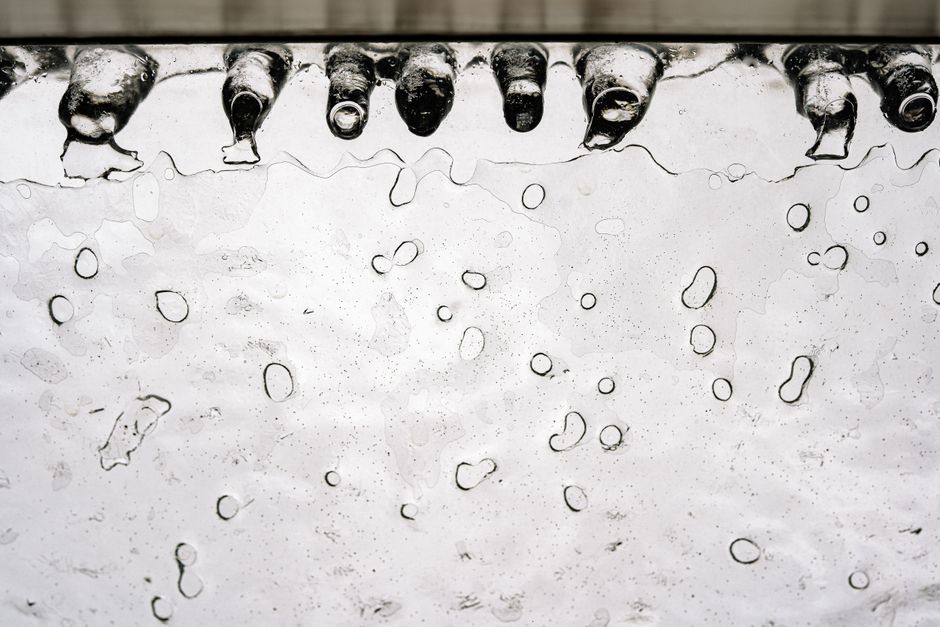
How dirty filters cause frozen evaporator coils is one of the most common HVAC problems homeowners in Pinehurst, TX face — especially during the long, humid cooling season. When your air filter gets clogged with dust and debris, it chokes off the airflow your system needs to function. Without enough warm air moving across the evaporator coil, the coil gets too cold, moisture in the air freezes on contact, and suddenly you have a block of ice where cooling should be happening.
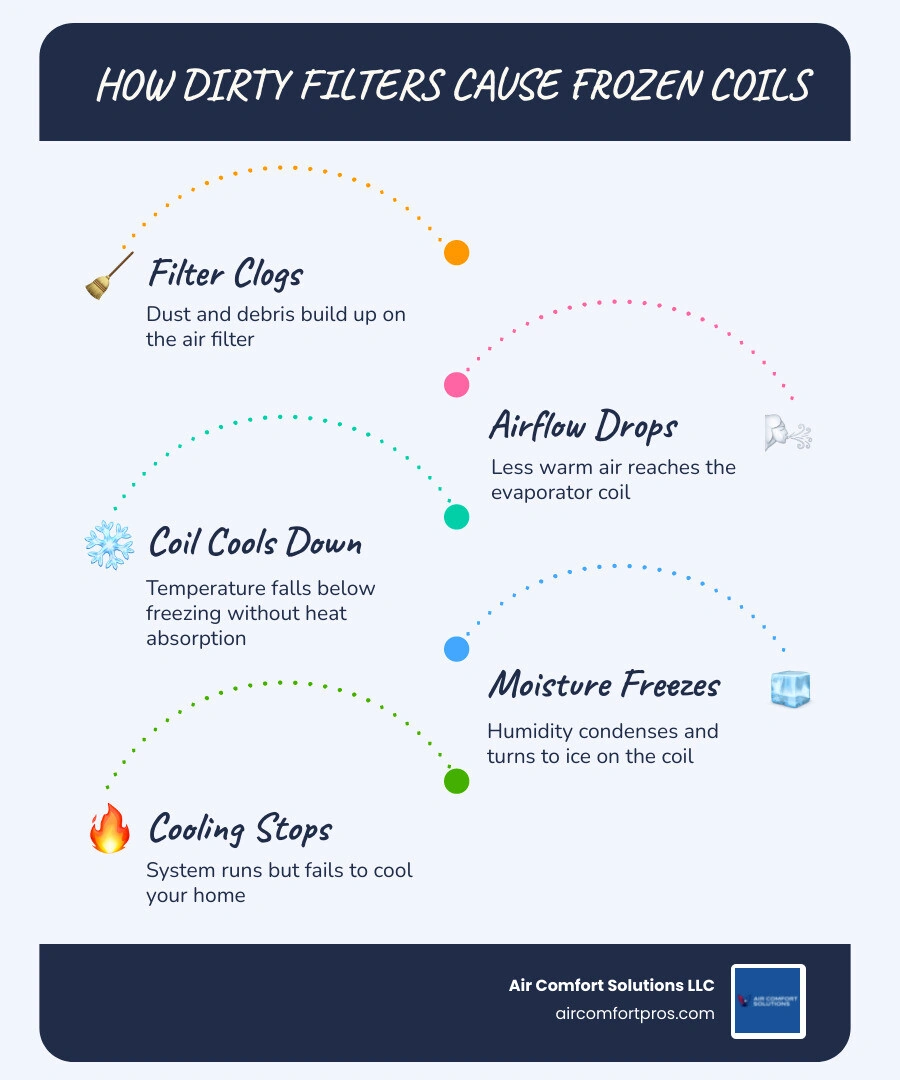
Here is a quick summary of how the process works:
1. Filter clogs — Dust, pet dander, and debris build up on the filter over time
2. Airflow drops — Less air reaches the evaporator coil
3. Coil temperature falls — Without warm air to absorb, the coil drops below freezing
4. Moisture freezes — Humidity in the air condenses and turns to ice on the coil surface
5. Ice spreads — The buildup blocks even more airflow, making the problem worse
6. Cooling stops — Your AC runs but can no longer cool your home
The good news? In roughly seven out of ten service calls involving a frozen coil, the root cause is a clogged filter — something most homeowners can fix in about fifteen minutes once the ice has thawed.
That said, running a frozen system can seriously damage your compressor, so knowing what to do — and what not to do — matters. This guide walks you through exactly that.
To understand why your air conditioner transforms into a miniature glacier, it helps to know how these two crucial components work together.
Your air conditioner does not actually “create” cold air. Instead, it removes heat from your indoor air. The indoor unit contains the evaporator coil, which is filled with cold refrigerant. As warm air from your home is pulled through the return vents, it passes over this coil. The refrigerant inside the coil absorbs the heat and moisture from the air, and your blower fan pushes the newly cooled, dehumidified air back into your living spaces.
But where does the air filter fit into this equation?
The air filter is your system’s first line of defense. It sits in the return duct or the air handler, trapping dust, pollen, pet dander, and other airborne particles. This serves two major purposes:
• Protecting Indoor Air Quality: It keeps you and your family from breathing in circulating dust and allergens.
• Protecting System Efficiency: It prevents dust from settling directly onto the sensitive fins of your evaporator coil.
If you want to keep your system clean and running smoothly, learning How to Replace AC Filters: A Quick and Simple Guide is the absolute best place to start. When a filter is clean, air flows freely, heat exchange happens seamlessly, and your home stays incredibly comfortable. But when that filter is neglected, the entire cooling cycle grinds to a freezing halt.
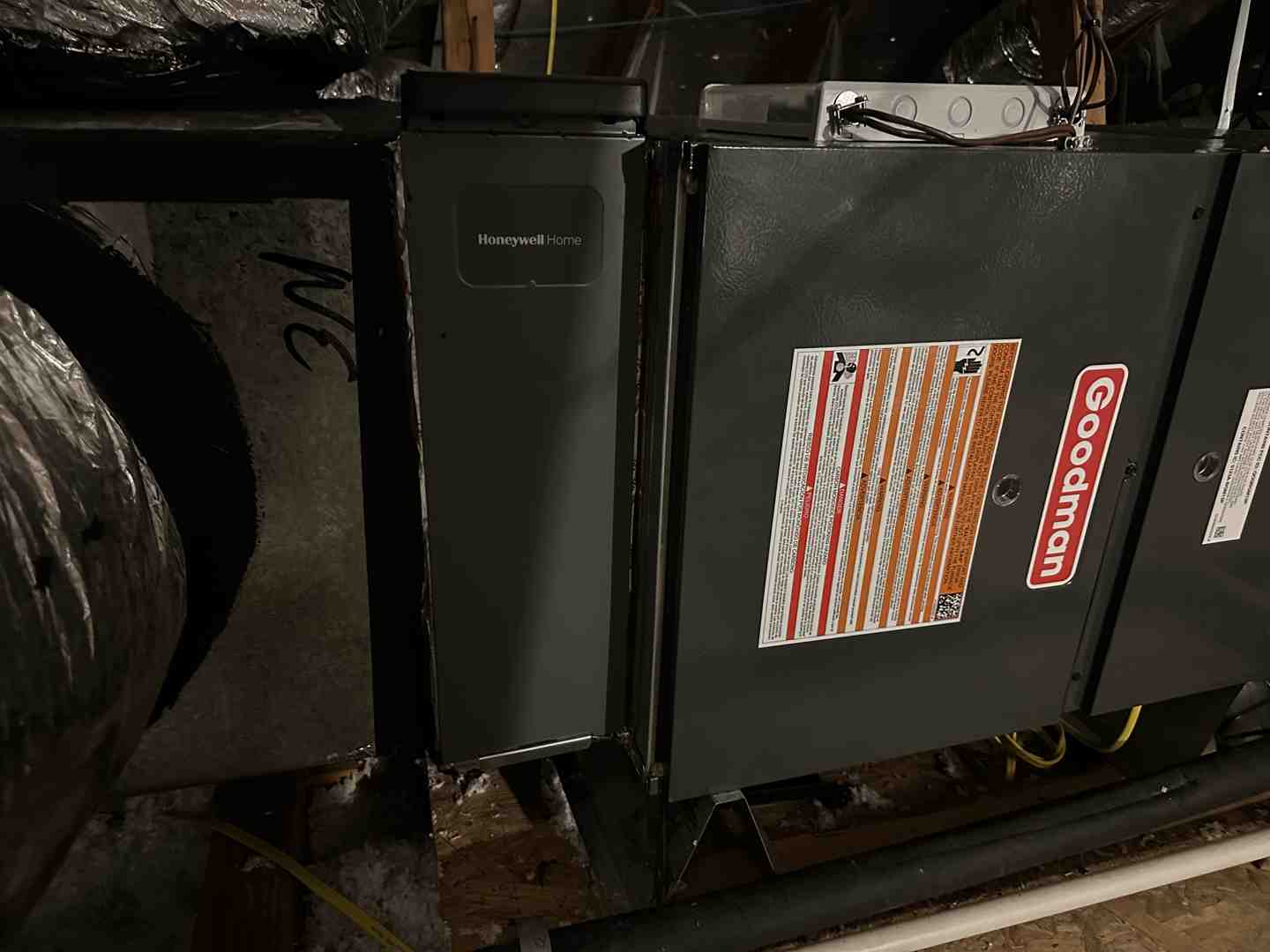
When we neglect our air filters, we set off a destructive chain reaction. A dirty filter becomes so packed with debris that it acts like a solid wall, severely restricting the volume of air that can pass through the system.
When airflow drops, your evaporator coil is starved of the warm indoor air it needs to absorb heat. Since there is no heat to absorb, the liquid refrigerant inside the coil cannot evaporate and warm up. As a result, the temperature of the coil plummets far below the freezing point of 32°F.
Because our climate in Pinehurst and the surrounding north Harris County area is notoriously humid, there is always a high volume of water vapor in your indoor air. Normally, this moisture condenses on the cool coil and safely drains away through your condensate line. But when the coil drops below freezing, that condensation instantly turns to ice.
Once a thin layer of ice forms, it creates an insulating barrier that blocks what little warm air was still reaching the coil. This accelerates the freezing process, causing the ice to grow thicker and thicker until the entire evaporator coil is encased in a solid block of ice. This is one of the primary reasons What Happens If You Skip AC Maintenance in Texas can lead to sudden, expensive system failures during the hottest weeks of summer.
Let’s look a little closer at the thermodynamics of this freezing process. Your air conditioning system operates on a precise balance of pressure and temperature. The refrigerant cycle relies on the constant transfer of heat to change the refrigerant from a low-pressure liquid to a low-pressure gas.
When a clogged filter restricts the airflow, the heat exchange process fails. This causes a sudden drop in pressure inside the suction line and the evaporator coil. According to the laws of physics, a drop in pressure directly correlates to a drop in temperature.
As the temperature of the refrigerant falls below 32°F, the physical metal of the evaporator coil drops below freezing too. The moisture in the air that normally drips off the coil as condensation immediately crystallizes into frost. This frost acts as an insulator, further restricting heat transfer and trapping the freezing refrigerant inside. It is a rapid, self-reinforcing loop: less airflow leads to lower temperatures, which leads to more ice, which completely chokes out the remaining airflow.
You do not always have to open up your indoor unit to know that your evaporator coil has turned into an ice block. Your system will give you several clear warning signs:
• Weak Airflow from Vents: If you put your hand up to a supply register and feel only a faint whisper of air, your system is struggling to breathe.
• AC Blowing Warm Air: Because the ice prevents the refrigerant from absorbing heat, the air coming out of your vents will feel lukewarm or downright hot.
• Unusually High Utility Bills: Your AC will run constantly as it tries to reach the temperature set on your thermostat, consuming massive amounts of electricity.
• Excess Condensation or Water Leaks: As the ice begins to melt or overflow the drain pan, you may notice water pooling around your indoor unit, which can lead to costly water damage on your drywall or ceilings.
• Visible Ice: In severe cases, you will actually see frost or ice forming on the copper refrigerant lines outside the indoor cabinet or even stretching all the way to the outdoor condenser unit.
If you notice these signs but your filter is perfectly clean, you could be dealing with other system issues. Take a look at our guide on Low Refrigerant Signs in Your AC System to see if a leak might be the true culprit behind your frozen system.
If you walk into your utility closet or look at your indoor unit and discover a block of ice, do not panic. Follow these simple, practical steps to safely thaw your system and get your home back to a comfortable temperature.
Do not leave the air conditioner running in “Cool” mode. Running a system with a frozen coil places immense strain on the compressor, which can lead to permanent, expensive motor failure. Go to your thermostat and turn the system to OFF.
While you want the cooling function off, you want to keep the blower fan running. Switch your thermostat’s fan setting from “Auto” to ON. This forces the warm air from your home to circulate continuously over the frozen coil, safely speeding up the thawing process without running the compressor.
A frozen evaporator coil holds an incredible amount of water—often between 5 and 20 gallons of ice. As it thaws, this ice will melt rapidly. Ensure your condensate drain line is clear, and place old towels or buckets around the base of your indoor unit to catch any overflow and protect your home from water damage.
While the system is thawing, remove your old, dirty air filter. If it is covered in a thick layer of gray dust and pet hair, you have officially found your culprit. Toss it out and replace it with a fresh, clean filter of the correct size.
Make sure all of your home’s supply vents and return air grilles are wide open and completely unobstructed by furniture, rugs, or drapes. Closing registers in unused rooms is a common mistake that restricts airflow and contributes directly to coil freezing.
Depending on how thick the ice buildup is, it can take anywhere from 1 to 3 hours—and sometimes up to 24 hours—for the evaporator coil to thaw completely. Do not attempt to speed this up by scraping the ice off with a tool or using a hair dryer, as you can easily puncture the delicate copper coils and cause a major refrigerant leak.
Once the ice has completely melted and you have installed a clean filter, switch your thermostat back to “Cool” and set the fan to “Auto.” Keep a close eye on the system for the next few hours. If you notice ice beginning to form again, turn the system off immediately and call for professional AC Service Complete Guide Pinehurst TX.
While a dirty air filter is responsible for the vast majority of frozen coils, it is not the only culprit. If you have replaced your filter and your system continues to freeze up, you are likely dealing with one of several other mechanical or airflow issues.
• Airflow Issue — Common Cause: Dirty Air Filter — How It Causes Freezing: Restricts warm air from reaching the coil, dropping the temperature.
• Airflow Issue — Common Cause: Blocked Return Vents — How It Causes Freezing: Starves the system of air, preventing proper heat transfer.
• Airflow Issue — Common Cause: Broken Blower Motor — How It Causes Freezing: The fan fails to push air over the coil, causing immediate ice buildup.
• Airflow Issue — Common Cause: Dirty Evaporator Coil — How It Causes Freezing: Layer of grime acts as an insulator, blocking heat absorption.
• Refrigerant Issue — Common Cause: Low Refrigerant / Leak — How It Causes Freezing: Low pressure drops the boiling point of the refrigerant below freezing.
If you live in Spring, TX, scheduling routine maintenance is the easiest way to catch these issues before they ruin your summer comfort. Learn more about how we keep systems running smoothly with AC Maintenance Spring TX.
If your air filter is pristine, the underlying issue might be hidden deeper within your system.
• Ductwork Blockages: Collapsed air ducts, disconnected flex ducts, or excessive dirt buildup inside your ductwork can restrict airflow just as severely as a clogged filter.
• Thermostat Malfunctions: If your thermostat is miscalibrated or has faulty wiring, it may fail to shut off the system when your home reaches the target temperature. Running the compressor continuously—especially during cooler overnight hours—can easily freeze the coil.
• Dirty Evaporator Coils: Over time, fine dust particles bypass even high-quality filters and settle on the wet surface of the evaporator coil. This creates a thick layer of grime that acts as an insulator, preventing the refrigerant from absorbing heat from the air.
Because identifying these issues requires specialized diagnostic tools, it is always best to bring in a professional. If you are in the Tomball area, our technicians can perform a deep dive into your system to identify and resolve the root cause of your cooling issues. Check out our comprehensive guide on AC Maintenance Tomball TX to see how we keep local systems operating at peak performance.
Absolutely not. Running an air conditioner with a frozen evaporator coil can cause severe, irreversible damage to your system. Because the refrigerant cannot absorb heat, liquid refrigerant can travel back down the line and flood your compressor. Compressors are designed to pump gas, not liquid, and this “liquid slugging” can permanently destroy the compressor motor. If your system is frozen, turn it off immediately and let it thaw. If you need a professional inspection to ensure your system is safe to run, refer to our AC Tune-Up Tomball TX Complete Guide.
Typically, a frozen evaporator coil will take between 1 and 3 hours to thaw completely if you turn the AC off and run the indoor blower fan on the “ON” setting. However, if the ice buildup is exceptionally thick or if the system is located in a cool space like a basement or closet, it can take up to 24 hours. Always make sure the ice is completely gone before restarting the cooling cycle.
In Texas, our air conditioners work incredibly hard for most of the year. We recommend checking your air filter every 30 days and replacing it at least once every 90 days. However, you should change it every 30 to 60 days if you:
• Have pets that shed dander and hair.
• Suffer from seasonal allergies or asthma.
• Live in a high-dust area or near ongoing construction.
• Run your system constantly during the peak summer months.
A frozen evaporator coil can quickly turn a hot summer afternoon into an uncomfortable, stressful situation. Fortunately, understanding how dirty filters cause frozen evaporator coils gives you the knowledge to prevent this common problem from disrupting your home. By simply keeping your air filters clean and ensuring your return vents are clear, you can protect your compressor, lower your monthly energy bills, and enjoy reliable, consistent cooling all year long.
If you have thawed your system, replaced your filter, and are still dealing with ice buildup, it is time to call in the professionals. At Air Comfort Solutions LLC, we have over 35 years of experience providing honest, dependable HVAC services to homeowners in Pinehurst, TX, and across the north side of Harris County.
Whether you need a quick diagnostic check, a professional coil cleaning, or want to prevent future breakdowns entirely, we are here to help. To keep your system running at peak efficiency and catch minor issues before they turn into frozen emergencies, consider signing up for our Air Comfort Solutions Maintenance Plan. Contact us today to schedule your service!
How dirty filters cause frozen evaporator coils is one of the most common HVAC problems homeowners in Pinehurst, TX face — especially during the long, humid cooling season. When your air filter gets clogged with dust and debris, it chokes off the airflow your system needs to function. Without enough warm air moving across the evaporator coil, the coil gets too cold, moisture in the air freezes on contact, and suddenly you have a block of ice where cooling should be happening.
Here is a quick summary of how the process works:
The good news? In roughly seven out of ten service calls involving a frozen coil, the root cause is a clogged filter — something most homeowners can fix in about fifteen minutes once the ice has thawed.
That said, running a frozen system can seriously damage your compressor, so knowing what to do — and what not to do — matters. This guide walks you through exactly that.
To understand why your air conditioner transforms into a miniature glacier, it helps to know how these two crucial components work together.
Your air conditioner does not actually "create" cold air. Instead, it removes heat from your indoor air. The indoor unit contains the evaporator coil, which is filled with cold refrigerant. As warm air from your home is pulled through the return vents, it passes over this coil. The refrigerant inside the coil absorbs the heat and moisture from the air, and your blower fan pushes the newly cooled, dehumidified air back into your living spaces.
But where does the air filter fit into this equation?
The air filter is your system's first line of defense. It sits in the return duct or the air handler, trapping dust, pollen, pet dander, and other airborne particles. This serves two major purposes:
If you want to keep your system clean and running smoothly, learning How to Replace AC Filters: A Quick and Simple Guide is the absolute best place to start. When a filter is clean, air flows freely, heat exchange happens seamlessly, and your home stays incredibly comfortable. But when that filter is neglected, the entire cooling cycle grinds to a freezing halt.
When we neglect our air filters, we set off a destructive chain reaction. A dirty filter becomes so packed with debris that it acts like a solid wall, severely restricting the volume of air that can pass through the system.
When airflow drops, your evaporator coil is starved of the warm indoor air it needs to absorb heat. Since there is no heat to absorb, the liquid refrigerant inside the coil cannot evaporate and warm up. As a result, the temperature of the coil plummets far below the freezing point of 32°F.
Because our climate in Pinehurst and the surrounding north Harris County area is notoriously humid, there is always a high volume of water vapor in your indoor air. Normally, this moisture condenses on the cool coil and safely drains away through your condensate line. But when the coil drops below freezing, that condensation instantly turns to ice.
Once a thin layer of ice forms, it creates an insulating barrier that blocks what little warm air was still reaching the coil. This accelerates the freezing process, causing the ice to grow thicker and thicker until the entire evaporator coil is encased in a solid block of ice. This is one of the primary reasons What Happens If You Skip AC Maintenance in Texas can lead to sudden, expensive system failures during the hottest weeks of summer.
Let's look a little closer at the thermodynamics of this freezing process. Your air conditioning system operates on a precise balance of pressure and temperature. The refrigerant cycle relies on the constant transfer of heat to change the refrigerant from a low-pressure liquid to a low-pressure gas.
When a clogged filter restricts the airflow, the heat exchange process fails. This causes a sudden drop in pressure inside the suction line and the evaporator coil. According to the laws of physics, a drop in pressure directly correlates to a drop in temperature.
As the temperature of the refrigerant falls below 32°F, the physical metal of the evaporator coil drops below freezing too. The moisture in the air that normally drips off the coil as condensation immediately crystallizes into frost. This frost acts as an insulator, further restricting heat transfer and trapping the freezing refrigerant inside. It is a rapid, self-reinforcing loop: less airflow leads to lower temperatures, which leads to more ice, which completely chokes out the remaining airflow.
You do not always have to open up your indoor unit to know that your evaporator coil has turned into an ice block. Your system will give you several clear warning signs:
If you notice these signs but your filter is perfectly clean, you could be dealing with other system issues. Take a look at our guide on Low Refrigerant Signs in Your AC System to see if a leak might be the true culprit behind your frozen system.
If you walk into your utility closet or look at your indoor unit and discover a block of ice, do not panic. Follow these simple, practical steps to safely thaw your system and get your home back to a comfortable temperature.
Do not leave the air conditioner running in "Cool" mode. Running a system with a frozen coil places immense strain on the compressor, which can lead to permanent, expensive motor failure. Go to your thermostat and turn the system to OFF.
While you want the cooling function off, you want to keep the blower fan running. Switch your thermostat's fan setting from "Auto" to ON. This forces the warm air from your home to circulate continuously over the frozen coil, safely speeding up the thawing process without running the compressor.
A frozen evaporator coil holds an incredible amount of water—often between 5 and 20 gallons of ice. As it thaws, this ice will melt rapidly. Ensure your condensate drain line is clear, and place old towels or buckets around the base of your indoor unit to catch any overflow and protect your home from water damage.
While the system is thawing, remove your old, dirty air filter. If it is covered in a thick layer of gray dust and pet hair, you have officially found your culprit. Toss it out and replace it with a fresh, clean filter of the correct size.
Make sure all of your home's supply vents and return air grilles are wide open and completely unobstructed by furniture, rugs, or drapes. Closing registers in unused rooms is a common mistake that restricts airflow and contributes directly to coil freezing.
Depending on how thick the ice buildup is, it can take anywhere from 1 to 3 hours—and sometimes up to 24 hours—for the evaporator coil to thaw completely. Do not attempt to speed this up by scraping the ice off with a tool or using a hair dryer, as you can easily puncture the delicate copper coils and cause a major refrigerant leak.
Once the ice has completely melted and you have installed a clean filter, switch your thermostat back to "Cool" and set the fan to "Auto." Keep a close eye on the system for the next few hours. If you notice ice beginning to form again, turn the system off immediately and call for professional AC Service Complete Guide Pinehurst TX.
While a dirty air filter is responsible for the vast majority of frozen coils, it is not the only culprit. If you have replaced your filter and your system continues to freeze up, you are likely dealing with one of several other mechanical or airflow issues.
| Issue Type | Common Cause | How It Causes Freezing |
|---|---|---|
| Airflow Issue | Dirty Air Filter | Restricts warm air from reaching the coil, dropping the temperature. |
| Airflow Issue | Blocked Return Vents | Starves the system of air, preventing proper heat transfer. |
| Airflow Issue | Broken Blower Motor | The fan fails to push air over the coil, causing immediate ice buildup. |
| Airflow Issue | Dirty Evaporator Coil | Layer of grime acts as an insulator, blocking heat absorption. |
| Refrigerant Issue | Low Refrigerant / Leak | Low pressure drops the boiling point of the refrigerant below freezing. |
If you live in Spring, TX, scheduling routine maintenance is the easiest way to catch these issues before they ruin your summer comfort. Learn more about how we keep systems running smoothly with AC Maintenance Spring TX.
If your air filter is pristine, the underlying issue might be hidden deeper within your system.
Because identifying these issues requires specialized diagnostic tools, it is always best to bring in a professional. If you are in the Tomball area, our technicians can perform a deep dive into your system to identify and resolve the root cause of your cooling issues. Check out our comprehensive guide on AC Maintenance Tomball TX to see how we keep local systems operating at peak performance.
Absolutely not. Running an air conditioner with a frozen evaporator coil can cause severe, irreversible damage to your system. Because the refrigerant cannot absorb heat, liquid refrigerant can travel back down the line and flood your compressor. Compressors are designed to pump gas, not liquid, and this "liquid slugging" can permanently destroy the compressor motor. If your system is frozen, turn it off immediately and let it thaw. If you need a professional inspection to ensure your system is safe to run, refer to our AC Tune-Up Tomball TX Complete Guide.
Typically, a frozen evaporator coil will take between 1 and 3 hours to thaw completely if you turn the AC off and run the indoor blower fan on the "ON" setting. However, if the ice buildup is exceptionally thick or if the system is located in a cool space like a basement or closet, it can take up to 24 hours. Always make sure the ice is completely gone before restarting the cooling cycle.
In Texas, our air conditioners work incredibly hard for most of the year. We recommend checking your air filter every 30 days and replacing it at least once every 90 days. However, you should change it every 30 to 60 days if you:
A frozen evaporator coil can quickly turn a hot summer afternoon into an uncomfortable, stressful situation. Fortunately, understanding how dirty filters cause frozen evaporator coils gives you the knowledge to prevent this common problem from disrupting your home. By simply keeping your air filters clean and ensuring your return vents are clear, you can protect your compressor, lower your monthly energy bills, and enjoy reliable, consistent cooling all year long.
If you have thawed your system, replaced your filter, and are still dealing with ice buildup, it is time to call in the professionals. At Air Comfort Solutions LLC (also known as Air Comfort Pros), we have over 35 years of experience providing honest, dependable HVAC services to homeowners in Pinehurst, TX, and across the north side of Harris County.
Whether you need a quick diagnostic check, a professional coil cleaning, or want to prevent future breakdowns entirely, we are here to help. To keep your system running at peak efficiency and catch minor issues before they turn into frozen emergencies, consider signing up for our Air Comfort Pros Maintenance Plan. Contact us today to schedule your service!
How dirty filters cause frozen evaporator coils is one of the most common HVAC problems homeowners in Pinehurst, TX face — especially during the long, humid cooling season. When your air filter gets clogged with dust and debris, it chokes off the airflow your system needs to function. Without enough warm air moving across the evaporator coil, the coil gets too cold, moisture in the air freezes on contact, and suddenly you have a block of ice where cooling should be happening.
Here is a quick summary of how the process works:
The good news? In roughly seven out of ten service calls involving a frozen coil, the root cause is a clogged filter — something most homeowners can fix in about fifteen minutes once the ice has thawed.
That said, running a frozen system can seriously damage your compressor, so knowing what to do — and what not to do — matters. This guide walks you through exactly that.
To understand why your air conditioner transforms into a miniature glacier, it helps to know how these two crucial components work together.
Your air conditioner does not actually "create" cold air. Instead, it removes heat from your indoor air. The indoor unit contains the evaporator coil, which is filled with cold refrigerant. As warm air from your home is pulled through the return vents, it passes over this coil. The refrigerant inside the coil absorbs the heat and moisture from the air, and your blower fan pushes the newly cooled, dehumidified air back into your living spaces.
But where does the air filter fit into this equation?
The air filter is your system's first line of defense. It sits in the return duct or the air handler, trapping dust, pollen, pet dander, and other airborne particles. This serves two major purposes:
If you want to keep your system clean and running smoothly, learning How to Replace AC Filters: A Quick and Simple Guide is the absolute best place to start. When a filter is clean, air flows freely, heat exchange happens seamlessly, and your home stays incredibly comfortable. But when that filter is neglected, the entire cooling cycle grinds to a freezing halt.
When we neglect our air filters, we set off a destructive chain reaction. A dirty filter becomes so packed with debris that it acts like a solid wall, severely restricting the volume of air that can pass through the system.
When airflow drops, your evaporator coil is starved of the warm indoor air it needs to absorb heat. Since there is no heat to absorb, the liquid refrigerant inside the coil cannot evaporate and warm up. As a result, the temperature of the coil plummets far below the freezing point of 32°F.
Because our climate in Pinehurst and the surrounding north Harris County area is notoriously humid, there is always a high volume of water vapor in your indoor air. Normally, this moisture condenses on the cool coil and safely drains away through your condensate line. But when the coil drops below freezing, that condensation instantly turns to ice.
Once a thin layer of ice forms, it creates an insulating barrier that blocks what little warm air was still reaching the coil. This accelerates the freezing process, causing the ice to grow thicker and thicker until the entire evaporator coil is encased in a solid block of ice. This is one of the primary reasons What Happens If You Skip AC Maintenance in Texas can lead to sudden, expensive system failures during the hottest weeks of summer.
Let's look a little closer at the thermodynamics of this freezing process. Your air conditioning system operates on a precise balance of pressure and temperature. The refrigerant cycle relies on the constant transfer of heat to change the refrigerant from a low-pressure liquid to a low-pressure gas.
When a clogged filter restricts the airflow, the heat exchange process fails. This causes a sudden drop in pressure inside the suction line and the evaporator coil. According to the laws of physics, a drop in pressure directly correlates to a drop in temperature.
As the temperature of the refrigerant falls below 32°F, the physical metal of the evaporator coil drops below freezing too. The moisture in the air that normally drips off the coil as condensation immediately crystallizes into frost. This frost acts as an insulator, further restricting heat transfer and trapping the freezing refrigerant inside. It is a rapid, self-reinforcing loop: less airflow leads to lower temperatures, which leads to more ice, which completely chokes out the remaining airflow.
You do not always have to open up your indoor unit to know that your evaporator coil has turned into an ice block. Your system will give you several clear warning signs:
If you notice these signs but your filter is perfectly clean, you could be dealing with other system issues. Take a look at our guide on Low Refrigerant Signs in Your AC System to see if a leak might be the true culprit behind your frozen system.
If you walk into your utility closet or look at your indoor unit and discover a block of ice, do not panic. Follow these simple, practical steps to safely thaw your system and get your home back to a comfortable temperature.
Do not leave the air conditioner running in "Cool" mode. Running a system with a frozen coil places immense strain on the compressor, which can lead to permanent, expensive motor failure. Go to your thermostat and turn the system to OFF.
While you want the cooling function off, you want to keep the blower fan running. Switch your thermostat's fan setting from "Auto" to ON. This forces the warm air from your home to circulate continuously over the frozen coil, safely speeding up the thawing process without running the compressor.
A frozen evaporator coil holds an incredible amount of water—often between 5 and 20 gallons of ice. As it thaws, this ice will melt rapidly. Ensure your condensate drain line is clear, and place old towels or buckets around the base of your indoor unit to catch any overflow and protect your home from water damage.
While the system is thawing, remove your old, dirty air filter. If it is covered in a thick layer of gray dust and pet hair, you have officially found your culprit. Toss it out and replace it with a fresh, clean filter of the correct size.
Make sure all of your home's supply vents and return air grilles are wide open and completely unobstructed by furniture, rugs, or drapes. Closing registers in unused rooms is a common mistake that restricts airflow and contributes directly to coil freezing.
Depending on how thick the ice buildup is, it can take anywhere from 1 to 3 hours—and sometimes up to 24 hours—for the evaporator coil to thaw completely. Do not attempt to speed this up by scraping the ice off with a tool or using a hair dryer, as you can easily puncture the delicate copper coils and cause a major refrigerant leak.
Once the ice has completely melted and you have installed a clean filter, switch your thermostat back to "Cool" and set the fan to "Auto." Keep a close eye on the system for the next few hours. If you notice ice beginning to form again, turn the system off immediately and call for professional AC Service Complete Guide Pinehurst TX.
While a dirty air filter is responsible for the vast majority of frozen coils, it is not the only culprit. If you have replaced your filter and your system continues to freeze up, you are likely dealing with one of several other mechanical or airflow issues.
| Issue Type | Common Cause | How It Causes Freezing |
|---|---|---|
| Airflow Issue | Dirty Air Filter | Restricts warm air from reaching the coil, dropping the temperature. |
| Airflow Issue | Blocked Return Vents | Starves the system of air, preventing proper heat transfer. |
| Airflow Issue | Broken Blower Motor | The fan fails to push air over the coil, causing immediate ice buildup. |
| Airflow Issue | Dirty Evaporator Coil | Layer of grime acts as an insulator, blocking heat absorption. |
| Refrigerant Issue | Low Refrigerant / Leak | Low pressure drops the boiling point of the refrigerant below freezing. |
If you live in Spring, TX, scheduling routine maintenance is the easiest way to catch these issues before they ruin your summer comfort. Learn more about how we keep systems running smoothly with AC Maintenance Spring TX.
If your air filter is pristine, the underlying issue might be hidden deeper within your system.
Because identifying these issues requires specialized diagnostic tools, it is always best to bring in a professional. If you are in the Tomball area, our technicians can perform a deep dive into your system to identify and resolve the root cause of your cooling issues. Check out our comprehensive guide on AC Maintenance Tomball TX to see how we keep local systems operating at peak performance.
Absolutely not. Running an air conditioner with a frozen evaporator coil can cause severe, irreversible damage to your system. Because the refrigerant cannot absorb heat, liquid refrigerant can travel back down the line and flood your compressor. Compressors are designed to pump gas, not liquid, and this "liquid slugging" can permanently destroy the compressor motor. If your system is frozen, turn it off immediately and let it thaw. If you need a professional inspection to ensure your system is safe to run, refer to our AC Tune-Up Tomball TX Complete Guide.
Typically, a frozen evaporator coil will take between 1 and 3 hours to thaw completely if you turn the AC off and run the indoor blower fan on the "ON" setting. However, if the ice buildup is exceptionally thick or if the system is located in a cool space like a basement or closet, it can take up to 24 hours. Always make sure the ice is completely gone before restarting the cooling cycle.
In Texas, our air conditioners work incredibly hard for most of the year. We recommend checking your air filter every 30 days and replacing it at least once every 90 days. However, you should change it every 30 to 60 days if you:
A frozen evaporator coil can quickly turn a hot summer afternoon into an uncomfortable, stressful situation. Fortunately, understanding how dirty filters cause frozen evaporator coils gives you the knowledge to prevent this common problem from disrupting your home. By simply keeping your air filters clean and ensuring your return vents are clear, you can protect your compressor, lower your monthly energy bills, and enjoy reliable, consistent cooling all year long.
If you have thawed your system, replaced your filter, and are still dealing with ice buildup, it is time to call in the professionals. At Air Comfort Solutions LLC (also known as Air Comfort Pros), we have over 35 years of experience providing honest, dependable HVAC services to homeowners in Pinehurst, TX, and across the north side of Harris County.
Whether you need a quick diagnostic check, a professional coil cleaning, or want to prevent future breakdowns entirely, we are here to help. To keep your system running at peak efficiency and catch minor issues before they turn into frozen emergencies, consider signing up for our Air Comfort Pros Maintenance Plan. Contact us today to schedule your service!
How dirty filters cause frozen evaporator coils is one of the most common HVAC problems homeowners in Pinehurst, TX face — especially during the long, humid cooling season. When your air filter gets clogged with dust and debris, it chokes off the airflow your system needs to function. Without enough warm air moving across the evaporator coil, the coil gets too cold, moisture in the air freezes on contact, and suddenly you have a block of ice where cooling should be happening.
Here is a quick summary of how the process works:
The good news? In roughly seven out of ten service calls involving a frozen coil, the root cause is a clogged filter — something most homeowners can fix in about fifteen minutes once the ice has thawed.
That said, running a frozen system can seriously damage your compressor, so knowing what to do — and what not to do — matters. This guide walks you through exactly that.
To understand why your air conditioner transforms into a miniature glacier, it helps to know how these two crucial components work together.
Your air conditioner does not actually "create" cold air. Instead, it removes heat from your indoor air. The indoor unit contains the evaporator coil, which is filled with cold refrigerant. As warm air from your home is pulled through the return vents, it passes over this coil. The refrigerant inside the coil absorbs the heat and moisture from the air, and your blower fan pushes the newly cooled, dehumidified air back into your living spaces.
But where does the air filter fit into this equation?
The air filter is your system's first line of defense. It sits in the return duct or the air handler, trapping dust, pollen, pet dander, and other airborne particles. This serves two major purposes:
If you want to keep your system clean and running smoothly, learning How to Replace AC Filters: A Quick and Simple Guide is the absolute best place to start. When a filter is clean, air flows freely, heat exchange happens seamlessly, and your home stays incredibly comfortable. But when that filter is neglected, the entire cooling cycle grinds to a freezing halt.
When we neglect our air filters, we set off a destructive chain reaction. A dirty filter becomes so packed with debris that it acts like a solid wall, severely restricting the volume of air that can pass through the system.
When airflow drops, your evaporator coil is starved of the warm indoor air it needs to absorb heat. Since there is no heat to absorb, the liquid refrigerant inside the coil cannot evaporate and warm up. As a result, the temperature of the coil plummets far below the freezing point of 32°F.
Because our climate in Pinehurst and the surrounding north Harris County area is notoriously humid, there is always a high volume of water vapor in your indoor air. Normally, this moisture condenses on the cool coil and safely drains away through your condensate line. But when the coil drops below freezing, that condensation instantly turns to ice.
Once a thin layer of ice forms, it creates an insulating barrier that blocks what little warm air was still reaching the coil. This accelerates the freezing process, causing the ice to grow thicker and thicker until the entire evaporator coil is encased in a solid block of ice. This is one of the primary reasons What Happens If You Skip AC Maintenance in Texas can lead to sudden, expensive system failures during the hottest weeks of summer.
Let's look a little closer at the thermodynamics of this freezing process. Your air conditioning system operates on a precise balance of pressure and temperature. The refrigerant cycle relies on the constant transfer of heat to change the refrigerant from a low-pressure liquid to a low-pressure gas.
When a clogged filter restricts the airflow, the heat exchange process fails. This causes a sudden drop in pressure inside the suction line and the evaporator coil. According to the laws of physics, a drop in pressure directly correlates to a drop in temperature.
As the temperature of the refrigerant falls below 32°F, the physical metal of the evaporator coil drops below freezing too. The moisture in the air that normally drips off the coil as condensation immediately crystallizes into frost. This frost acts as an insulator, further restricting heat transfer and trapping the freezing refrigerant inside. It is a rapid, self-reinforcing loop: less airflow leads to lower temperatures, which leads to more ice, which completely chokes out the remaining airflow.
You do not always have to open up your indoor unit to know that your evaporator coil has turned into an ice block. Your system will give you several clear warning signs:
If you notice these signs but your filter is perfectly clean, you could be dealing with other system issues. Take a look at our guide on Low Refrigerant Signs in Your AC System to see if a leak might be the true culprit behind your frozen system.
If you walk into your utility closet or look at your indoor unit and discover a block of ice, do not panic. Follow these simple, practical steps to safely thaw your system and get your home back to a comfortable temperature.
Do not leave the air conditioner running in "Cool" mode. Running a system with a frozen coil places immense strain on the compressor, which can lead to permanent, expensive motor failure. Go to your thermostat and turn the system to OFF.
While you want the cooling function off, you want to keep the blower fan running. Switch your thermostat's fan setting from "Auto" to ON. This forces the warm air from your home to circulate continuously over the frozen coil, safely speeding up the thawing process without running the compressor.
A frozen evaporator coil holds an incredible amount of water—often between 5 and 20 gallons of ice. As it thaws, this ice will melt rapidly. Ensure your condensate drain line is clear, and place old towels or buckets around the base of your indoor unit to catch any overflow and protect your home from water damage.
While the system is thawing, remove your old, dirty air filter. If it is covered in a thick layer of gray dust and pet hair, you have officially found your culprit. Toss it out and replace it with a fresh, clean filter of the correct size.
Make sure all of your home's supply vents and return air grilles are wide open and completely unobstructed by furniture, rugs, or drapes. Closing registers in unused rooms is a common mistake that restricts airflow and contributes directly to coil freezing.
Depending on how thick the ice buildup is, it can take anywhere from 1 to 3 hours—and sometimes up to 24 hours—for the evaporator coil to thaw completely. Do not attempt to speed this up by scraping the ice off with a tool or using a hair dryer, as you can easily puncture the delicate copper coils and cause a major refrigerant leak.
Once the ice has completely melted and you have installed a clean filter, switch your thermostat back to "Cool" and set the fan to "Auto." Keep a close eye on the system for the next few hours. If you notice ice beginning to form again, turn the system off immediately and call for professional AC Service Complete Guide Pinehurst TX.
While a dirty air filter is responsible for the vast majority of frozen coils, it is not the only culprit. If you have replaced your filter and your system continues to freeze up, you are likely dealing with one of several other mechanical or airflow issues.
| Issue Type | Common Cause | How It Causes Freezing |
|---|---|---|
| Airflow Issue | Dirty Air Filter | Restricts warm air from reaching the coil, dropping the temperature. |
| Airflow Issue | Blocked Return Vents | Starves the system of air, preventing proper heat transfer. |
| Airflow Issue | Broken Blower Motor | The fan fails to push air over the coil, causing immediate ice buildup. |
| Airflow Issue | Dirty Evaporator Coil | Layer of grime acts as an insulator, blocking heat absorption. |
| Refrigerant Issue | Low Refrigerant / Leak | Low pressure drops the boiling point of the refrigerant below freezing. |
If you live in Spring, TX, scheduling routine maintenance is the easiest way to catch these issues before they ruin your summer comfort. Learn more about how we keep systems running smoothly with AC Maintenance Spring TX.
If your air filter is pristine, the underlying issue might be hidden deeper within your system.
Because identifying these issues requires specialized diagnostic tools, it is always best to bring in a professional. If you are in the Tomball area, our technicians can perform a deep dive into your system to identify and resolve the root cause of your cooling issues. Check out our comprehensive guide on AC Maintenance Tomball TX to see how we keep local systems operating at peak performance.
Absolutely not. Running an air conditioner with a frozen evaporator coil can cause severe, irreversible damage to your system. Because the refrigerant cannot absorb heat, liquid refrigerant can travel back down the line and flood your compressor. Compressors are designed to pump gas, not liquid, and this "liquid slugging" can permanently destroy the compressor motor. If your system is frozen, turn it off immediately and let it thaw. If you need a professional inspection to ensure your system is safe to run, refer to our AC Tune-Up Tomball TX Complete Guide.
Typically, a frozen evaporator coil will take between 1 and 3 hours to thaw completely if you turn the AC off and run the indoor blower fan on the "ON" setting. However, if the ice buildup is exceptionally thick or if the system is located in a cool space like a basement or closet, it can take up to 24 hours. Always make sure the ice is completely gone before restarting the cooling cycle.
In Texas, our air conditioners work incredibly hard for most of the year. We recommend checking your air filter every 30 days and replacing it at least once every 90 days. However, you should change it every 30 to 60 days if you:
A frozen evaporator coil can quickly turn a hot summer afternoon into an uncomfortable, stressful situation. Fortunately, understanding how dirty filters cause frozen evaporator coils gives you the knowledge to prevent this common problem from disrupting your home. By simply keeping your air filters clean and ensuring your return vents are clear, you can protect your compressor, lower your monthly energy bills, and enjoy reliable, consistent cooling all year long.
If you have thawed your system, replaced your filter, and are still dealing with ice buildup, it is time to call in the professionals. At Air Comfort Solutions LLC (also known as Air Comfort Pros), we have over 35 years of experience providing honest, dependable HVAC services to homeowners in Pinehurst, TX, and across the north side of Harris County.
Whether you need a quick diagnostic check, a professional coil cleaning, or want to prevent future breakdowns entirely, we are here to help. To keep your system running at peak efficiency and catch minor issues before they turn into frozen emergencies, consider signing up for our Air Comfort Pros Maintenance Plan. Contact us today to schedule your service!
How dirty filters cause frozen evaporator coils is one of the most common HVAC problems homeowners in Pinehurst, TX face — especially during the long, humid cooling season. When your air filter gets clogged with dust and debris, it chokes off the airflow your system needs to function. Without enough warm air moving across the evaporator coil, the coil gets too cold, moisture in the air freezes on contact, and suddenly you have a block of ice where cooling should be happening.
Here is a quick summary of how the process works:
The good news? In roughly seven out of ten service calls involving a frozen coil, the root cause is a clogged filter — something most homeowners can fix in about fifteen minutes once the ice has thawed.
That said, running a frozen system can seriously damage your compressor, so knowing what to do — and what not to do — matters. This guide walks you through exactly that.
To understand why your air conditioner transforms into a miniature glacier, it helps to know how these two crucial components work together.
Your air conditioner does not actually "create" cold air. Instead, it removes heat from your indoor air. The indoor unit contains the evaporator coil, which is filled with cold refrigerant. As warm air from your home is pulled through the return vents, it passes over this coil. The refrigerant inside the coil absorbs the heat and moisture from the air, and your blower fan pushes the newly cooled, dehumidified air back into your living spaces.
But where does the air filter fit into this equation?
The air filter is your system's first line of defense. It sits in the return duct or the air handler, trapping dust, pollen, pet dander, and other airborne particles. This serves two major purposes:
If you want to keep your system clean and running smoothly, learning How to Replace AC Filters: A Quick and Simple Guide is the absolute best place to start. When a filter is clean, air flows freely, heat exchange happens seamlessly, and your home stays incredibly comfortable. But when that filter is neglected, the entire cooling cycle grinds to a freezing halt.
When we neglect our air filters, we set off a destructive chain reaction. A dirty filter becomes so packed with debris that it acts like a solid wall, severely restricting the volume of air that can pass through the system.
When airflow drops, your evaporator coil is starved of the warm indoor air it needs to absorb heat. Since there is no heat to absorb, the liquid refrigerant inside the coil cannot evaporate and warm up. As a result, the temperature of the coil plummets far below the freezing point of 32°F.
Because our climate in Pinehurst and the surrounding north Harris County area is notoriously humid, there is always a high volume of water vapor in your indoor air. Normally, this moisture condenses on the cool coil and safely drains away through your condensate line. But when the coil drops below freezing, that condensation instantly turns to ice.
Once a thin layer of ice forms, it creates an insulating barrier that blocks what little warm air was still reaching the coil. This accelerates the freezing process, causing the ice to grow thicker and thicker until the entire evaporator coil is encased in a solid block of ice. This is one of the primary reasons What Happens If You Skip AC Maintenance in Texas can lead to sudden, expensive system failures during the hottest weeks of summer.
Let's look a little closer at the thermodynamics of this freezing process. Your air conditioning system operates on a precise balance of pressure and temperature. The refrigerant cycle relies on the constant transfer of heat to change the refrigerant from a low-pressure liquid to a low-pressure gas.
When a clogged filter restricts the airflow, the heat exchange process fails. This causes a sudden drop in pressure inside the suction line and the evaporator coil. According to the laws of physics, a drop in pressure directly correlates to a drop in temperature.
As the temperature of the refrigerant falls below 32°F, the physical metal of the evaporator coil drops below freezing too. The moisture in the air that normally drips off the coil as condensation immediately crystallizes into frost. This frost acts as an insulator, further restricting heat transfer and trapping the freezing refrigerant inside. It is a rapid, self-reinforcing loop: less airflow leads to lower temperatures, which leads to more ice, which completely chokes out the remaining airflow.
You do not always have to open up your indoor unit to know that your evaporator coil has turned into an ice block. Your system will give you several clear warning signs:
If you notice these signs but your filter is perfectly clean, you could be dealing with other system issues. Take a look at our guide on Low Refrigerant Signs in Your AC System to see if a leak might be the true culprit behind your frozen system.
If you walk into your utility closet or look at your indoor unit and discover a block of ice, do not panic. Follow these simple, practical steps to safely thaw your system and get your home back to a comfortable temperature.
Do not leave the air conditioner running in "Cool" mode. Running a system with a frozen coil places immense strain on the compressor, which can lead to permanent, expensive motor failure. Go to your thermostat and turn the system to OFF.
While you want the cooling function off, you want to keep the blower fan running. Switch your thermostat's fan setting from "Auto" to ON. This forces the warm air from your home to circulate continuously over the frozen coil, safely speeding up the thawing process without running the compressor.
A frozen evaporator coil holds an incredible amount of water—often between 5 and 20 gallons of ice. As it thaws, this ice will melt rapidly. Ensure your condensate drain line is clear, and place old towels or buckets around the base of your indoor unit to catch any overflow and protect your home from water damage.
While the system is thawing, remove your old, dirty air filter. If it is covered in a thick layer of gray dust and pet hair, you have officially found your culprit. Toss it out and replace it with a fresh, clean filter of the correct size.
Make sure all of your home's supply vents and return air grilles are wide open and completely unobstructed by furniture, rugs, or drapes. Closing registers in unused rooms is a common mistake that restricts airflow and contributes directly to coil freezing.
Depending on how thick the ice buildup is, it can take anywhere from 1 to 3 hours—and sometimes up to 24 hours—for the evaporator coil to thaw completely. Do not attempt to speed this up by scraping the ice off with a tool or using a hair dryer, as you can easily puncture the delicate copper coils and cause a major refrigerant leak.
Once the ice has completely melted and you have installed a clean filter, switch your thermostat back to "Cool" and set the fan to "Auto." Keep a close eye on the system for the next few hours. If you notice ice beginning to form again, turn the system off immediately and call for professional AC Service Complete Guide Pinehurst TX.
While a dirty air filter is responsible for the vast majority of frozen coils, it is not the only culprit. If you have replaced your filter and your system continues to freeze up, you are likely dealing with one of several other mechanical or airflow issues.
| Issue Type | Common Cause | How It Causes Freezing |
|---|---|---|
| Airflow Issue | Dirty Air Filter | Restricts warm air from reaching the coil, dropping the temperature. |
| Airflow Issue | Blocked Return Vents | Starves the system of air, preventing proper heat transfer. |
| Airflow Issue | Broken Blower Motor | The fan fails to push air over the coil, causing immediate ice buildup. |
| Airflow Issue | Dirty Evaporator Coil | Layer of grime acts as an insulator, blocking heat absorption. |
| Refrigerant Issue | Low Refrigerant / Leak | Low pressure drops the boiling point of the refrigerant below freezing. |
If you live in Spring, TX, scheduling routine maintenance is the easiest way to catch these issues before they ruin your summer comfort. Learn more about how we keep systems running smoothly with AC Maintenance Spring TX.
If your air filter is pristine, the underlying issue might be hidden deeper within your system.
Because identifying these issues requires specialized diagnostic tools, it is always best to bring in a professional. If you are in the Tomball area, our technicians can perform a deep dive into your system to identify and resolve the root cause of your cooling issues. Check out our comprehensive guide on AC Maintenance Tomball TX to see how we keep local systems operating at peak performance.
Absolutely not. Running an air conditioner with a frozen evaporator coil can cause severe, irreversible damage to your system. Because the refrigerant cannot absorb heat, liquid refrigerant can travel back down the line and flood your compressor. Compressors are designed to pump gas, not liquid, and this "liquid slugging" can permanently destroy the compressor motor. If your system is frozen, turn it off immediately and let it thaw. If you need a professional inspection to ensure your system is safe to run, refer to our AC Tune-Up Tomball TX Complete Guide.
Typically, a frozen evaporator coil will take between 1 and 3 hours to thaw completely if you turn the AC off and run the indoor blower fan on the "ON" setting. However, if the ice buildup is exceptionally thick or if the system is located in a cool space like a basement or closet, it can take up to 24 hours. Always make sure the ice is completely gone before restarting the cooling cycle.
In Texas, our air conditioners work incredibly hard for most of the year. We recommend checking your air filter every 30 days and replacing it at least once every 90 days. However, you should change it every 30 to 60 days if you:
A frozen evaporator coil can quickly turn a hot summer afternoon into an uncomfortable, stressful situation. Fortunately, understanding how dirty filters cause frozen evaporator coils gives you the knowledge to prevent this common problem from disrupting your home. By simply keeping your air filters clean and ensuring your return vents are clear, you can protect your compressor, lower your monthly energy bills, and enjoy reliable, consistent cooling all year long.
If you have thawed your system, replaced your filter, and are still dealing with ice buildup, it is time to call in the professionals. At Air Comfort Solutions LLC (also known as Air Comfort Pros), we have over 35 years of experience providing honest, dependable HVAC services to homeowners in Pinehurst, TX, and across the north side of Harris County.
Whether you need a quick diagnostic check, a professional coil cleaning, or want to prevent future breakdowns entirely, we are here to help. To keep your system running at peak efficiency and catch minor issues before they turn into frozen emergencies, consider signing up for our Air Comfort Pros Maintenance Plan. Contact us today to schedule your service!


Zane came out and did an amazing job! Super friendly, honest and transparent about the work that needed to be done. This is my second time working with Air Comfort Solutions and they’re my go to for HVAC services. Highly recommend.
God's AMAZING grace sent us Robert and Zane. We have been without air in this Texas heat for six weeks and four days. We've had a few contractors give us quotes all trying to upsell when we're at a low point. But not the guys at Air Comfort Solutions. They came in assessed our situation, gave us honest feedback, and showed us the issues as they proceeded with the assessment for clear understanding. We highly recommend them for their professionalism, quality products, and fair pricing. We hands down support them for all the work they do 💯 %.
Robert and Zane gone above and beyond to make the process easy and affordable.
Would definitely recommend!!
I’m writing this review to let everyone know that Air Comfort Solutions is the company to work with. I know the owner ( Robert) for several years now. He has been taking care of my residential and business work orders. Robert is professional, knowledgeable and will save you money. I just want to thank Robert for great job you have been doing for me.