Why Humid Climates Make Indoor Air Quality a Serious Concern
How your AC affects indoor air quality in humid climates is one of the most important things to understand as a homeowner in North Harris County. Most people assume a running air conditioner means clean, healthy air — but the reality is more complicated, especially here in Southeast Texas.
Here is a quick summary of how AC impacts your indoor air quality in humid conditions:
• Dehumidification: AC removes moisture as it cools, which helps reduce mold, dust mites, and bacteria
• Filtration: AC filters trap dust, pollen, and allergens — but only as well as their MERV rating allows
• Recirculation risk: Most AC systems recycle indoor air, which can concentrate VOCs and radon over time
• Maintenance matters: Dirty coils, clogged filters, or a backed-up condensate drain can actively worsen air quality
• Sizing issues: An oversized unit short-cycles and fails to remove enough moisture, encouraging mold growth
• Supplemental tools may be needed: In very humid climates, AC alone often cannot keep humidity in the healthy 30–50% range
People in industrialized countries spend between 80% and 90% of their time indoors. In a place like Pinehurst, TX, where outdoor humidity regularly exceeds 70% during cooling season, what happens inside your home’s air supply is not a small thing — it directly affects your breathing, your sleep, your allergies, and the long-term condition of your home.
Your AC is doing more than keeping you cool. It is your first line of defense against the biological contaminants that thrive in warm, moist air. But it has real limits, and understanding those limits is the first step toward truly healthy indoor air.

How Your AC Affects Indoor Air Quality in Humid Climates
To understand how your ac affects indoor air quality in humid climates, we first have to look at how an air conditioner actually operates. Air conditioners do not just cool the air; they are designed to perform two distinct types of cooling: sensible cooling (lowering the actual air temperature) and latent cooling (removing moisture from the air).
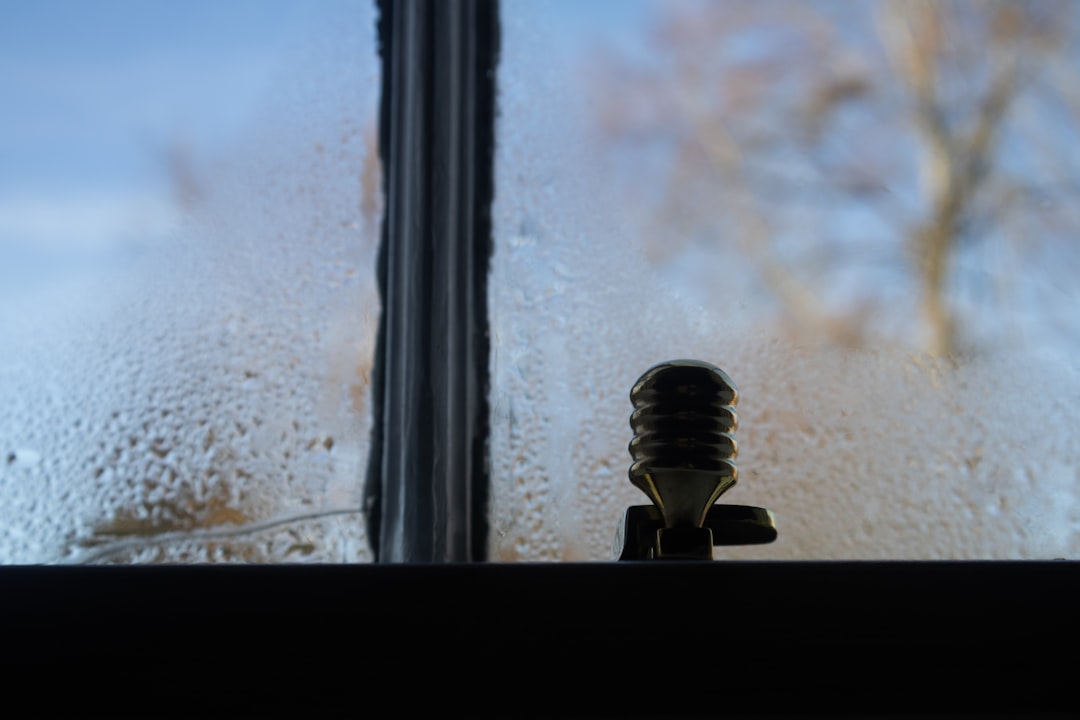
When warm, humid air from your home is pulled across the freezing-cold evaporator coils inside your indoor unit, the moisture in the air reaches its dew point. Just like water droplets forming on a cold glass of sweet tea on a hot July afternoon in Magnolia, water condenses out of the air and onto the coils. This water drips into a condensate pan and drains away, leaving the air that blows back into your home both cooler and drier.
However, in extremely humid climates like ours, standard air conditioners can struggle to keep up with the sheer volume of moisture. When relative humidity levels inside your home climb above 55% or 60%, your house starts to feel like a swampy basement, even if the thermostat says it is a cool 72 degrees.
This excess moisture creates the perfect breeding ground for biological contaminants. Mold spores, which are always floating around in tiny, harmless amounts, suddenly find the damp surfaces they need to take root and multiply. Dust mites, which thrive in high humidity, reproduce rapidly. If your system cannot pull enough moisture out of the air, it ceases to protect your breathing space and instead begins to harbor these allergens. To dive deeper into this relationship, you can read our guide on How Humidity Affects Your AC Performance.
The Battle Between Air Conditioning and Natural Ventilation
When the weather gets sticky in places like Tomball or Conroe, we face a tough choice: do we open the windows to let “fresh” air in, or do we seal the house tight and run the air conditioner?
In a humid climate, opening your windows is usually a recipe for indoor air quality disasters. Outdoor air brings in high levels of humidity, which immediately spikes indoor moisture levels. Along with that humidity comes a heavy load of outdoor allergens like pollen, weed spores, and dangerous particulate matter known as PM2.5 (microscopic particles from vehicle exhaust, dust, and industrial activity).

Running your AC with the windows closed protects you from these outdoor hazards, but it introduces a different problem: stagnation. Because modern homes in Montgomery and Spring are built to be highly energy-efficient and tightly sealed, they do not breathe easily. When we run our AC constantly, we are recirculating the exact same air over and over again.
Without some form of controlled fresh-air exchange, indoor pollutants begin to accumulate. Volatile Organic Compounds (VOCs) — harmful chemicals emitted by household cleaning products, paints, new furniture, and building materials — can reach concentrations 2 to 5 times higher indoors than outdoors.
Furthermore, recirculating air without adequate ventilation can lead to radon accumulation. Radon is a naturally occurring, odorless radioactive gas that seeps up from the soil. Studies have shown that annual mean radon exposure can increase by 14.6% to 19.3% in homes that rely entirely on recirculating air conditioning compared to those using natural ventilation. It is a delicate balancing act that requires a deep understanding of How Southeast Texas Climate Affects Your HVAC System.
Understanding How Your AC Affects Indoor Air Quality in Humid Climates
Standard residential split systems do not actually bring in fresh air from the outside. A common myth among homeowners is that the big compressor unit sitting in the backyard is pumping outdoor air into the living room. In reality, that outdoor unit is only releasing heat. Your system is entirely closed, constantly drawing indoor air through the return vents, running it over the evaporator coils, and pushing it back into your rooms.
This means that any dust, pet dander, mold spores, or chemical fumes inside your home will continue to loop through your ductwork until they are either filtered out or inhaled.
To combat this, some homeowners utilize mixed-mode ventilation — opening windows during brief periods when the outdoor air is dry and clean, and then switching back to the AC when the heat returns. However, in our region, those dry, clean outdoor windows are incredibly rare. Designing the Best HVAC Setup for Southeast Texas Weather requires a deliberate strategy that combines mechanical cooling with managed, filtered air exchange.
Filtration, Sizing, and Maintenance: The Pillars of Clean Air
To ensure your air conditioner supports healthy indoor air rather than degrading it, three factors must align: filtration efficiency, proper system sizing, and meticulous maintenance.
The Role of MERV Ratings and Air Filtration
Your AC filter is the primary shield protecting your family (and your system’s internal components) from airborne particles. Air filters are rated using the Minimum Efficiency Reporting Value (MERV) scale, which ranges from 1 to 16 for residential and light commercial systems.
• MERV 1–4: These are basic fiberglass filters. They are designed to protect the AC equipment itself from large dust bunnies and hair, but they do almost nothing for your health, capturing less than 20% of small particles.
• MERV 6–8: Typically recommended as a bare minimum for standard homes. They can capture larger allergens like pollen and dust mites.
• MERV 11–13: These are high-efficiency pleated filters. They are excellent for families with pets, allergies, or asthma because they can trap smaller particles, including mold spores, fine dust, and carrier droplets for viruses.
• HEPA Filters: True HEPA filters capture 99.97% of particles down to 0.3 microns. However, because they are so dense, they restrict airflow too much to be used directly in standard residential HVAC systems without causing the blower motor to overheat.
• MERV 1–4 — Target Pollutants Captured: Large dust, lint, carpet fibers — Best Use Case: Basic equipment protection only
• MERV 6–8 — Target Pollutants Captured: Pollen, dust mites, mold spores — Best Use Case: Standard households without allergies
• MERV 11–13 — Target Pollutants Captured: Pet dander, fine dust, PM2.5, smoke — Best Use Case: Homes with pets, asthma, or allergies
• MERV 14–16 — Target Pollutants Captured: Bacteria, microscopic allergens, tobacco smoke — Best Use Case: Severe respiratory issues / superior IAQ
The Danger of System Sizing and Short Cycling
An oversized AC system is one of the worst enemies of indoor air quality in a humid climate. If a system is too large for your home, it will cool the rooms down incredibly fast and then shut off. This is called short cycling.
Because the system only runs for 5 to 10 minutes at a time, the evaporator coils never stay cold long enough to pull significant moisture out of the air. It takes at least 15 to 20 minutes of continuous run time for an AC unit to begin effective latent cooling. An oversized system leaves you with a cold, clammy home where the relative humidity remains stubbornly above 60%, inviting mold growth in your drywall, carpets, and closets. Choosing the Best AC System for Hot Humid Climates means performing accurate load calculations to get a system that runs longer, steadier cycles.
Practical Steps: Managing How Your AC Affects Indoor Air Quality in Humid Climates
Maintaining your system is not just about keeping the electric bill down; it is about protecting the air you breathe. When your AC system is neglected, it can actively spread contaminants.
If you want to keep your indoor air clean and crisp in communities like Tomball, Magnolia, or Cypress, here is your essential checklist:
1. Replace Filters Regularly: Change your filters every 1 to 3 months. A clogged filter restricts airflow, reducing the system’s ability to dehumidify and allowing dust to bypass the filter and settle on the coils. If you struggle with shedding animals, you can read about How Air Filtration Systems Remove Pet Dander.
2. Keep the Evaporator Coils Clean: If dust gets past your filter, it sticks to the wet evaporator coils. This creates a musty “dirty sock” smell and provides organic food for mold right inside your air stream.
3. Clear the Condensate Drain Line: Algae and mold love to grow in the warm, damp environment of your condensate drain pipe. If the line clogs, water backs up into the drain pan. This standing water can re-evaporate back into your air supply, spiking your indoor humidity, or worse, overflow and cause water damage that triggers mold growth in your ceilings or floors.
4. Schedule Twice-Yearly Maintenance: Having a certified technician inspect your system in the spring and fall ensures that refrigerant levels are correct, coils are clean, and the drain lines are free of blockages before the extreme summer heat hits. For homeowners in the Tomball area, investing in Whole Home Air Filtration Tomball TX is a powerful way to ensure your system has the support it needs to keep your air pure.
When to Upgrade Your IAQ Strategy
Sometimes, even a perfectly maintained, correctly sized air conditioner cannot handle the extreme humidity of a Texas summer on its own. This is especially true during spring and fall, when outdoor temperatures are mild (say, 75 degrees) but the humidity is near 90%. Because your thermostat does not call for much cooling, your AC barely runs, allowing indoor humidity to climb.
If you find yourself dealing with sticky floors, musty odors, or worsening allergy symptoms, it may be time to upgrade your indoor air quality strategy.
Whole-Home Dehumidifiers
Unlike portable units that you have to constantly empty, a whole-home dehumidifier is installed directly into your existing ductwork. It works in tandem with your AC, pulling up to 130 pints of water per day out of the air before it ever reaches your living spaces. This allows your AC to focus on cooling the air rather than drying it, saving energy and extending the life of your equipment. If you are struggling with a muggy home despite a running system, read our guide on how to Address High Humidity Despite Running AC.
UV Air Purifiers and Active Purification
Standard filters are passive — they only catch what flows directly through them. Adding an active Air Purification System or a UV light inside your air handler can actively kill mold spores, bacteria, and viruses on the coils and in the air stream. UV purifiers emit safe levels of ultraviolet radiation that disrupt the DNA of biological contaminants, preventing them from reproducing. For families in the Cypress area, installing Whole Home Air Purifiers Cypress TX provides peace of mind by actively cleaning every cubic foot of air circulating through the home.
Frequently Asked Questions About AC and Humidity
Does running the AC fan on “ON” increase indoor humidity?
Yes, absolutely. This is one of the most common mistakes homeowners make. When your thermostat fan setting is set to “ON”, the blower fan runs continuously, even when the outdoor compressor shuts off.
When the cooling cycle ends, your evaporator coils are still dripping wet with condensed water. If the fan keeps blowing air over those wet coils, all of that moisture is immediately evaporated right back into your home. Always keep your thermostat fan set to “AUTO” so the fan only runs while the system is actively cooling and dehumidifying.
What is the ideal indoor humidity range for humid climates?
The ideal relative humidity for health and comfort is between 30% and 50% (though up to 55% is acceptable during peak summer weeks).
Keeping your humidity below 50% is your cheapest insurance policy against mold and dust mites, which struggle to survive in drier conditions. On the flip side, you do not want your air to drop below 30%, as excessively dry air can irritate your nasal passages, dry out your skin, and make you more susceptible to respiratory infections. You can easily monitor this with a cheap digital hygrometer from your local hardware store.
Can an oversized AC system cause high indoor humidity?
Yes, this is a very common problem known as short cycling. An oversized unit cools your home down so rapidly that it reaches your thermostat’s target temperature in just a few minutes and shuts off.
Because the system does not run long enough to lower the temperature of the evaporator coils to the dew point and keep them there, it fails to remove any meaningful amount of moisture. You are left with a home that is cold but incredibly sticky and clammy. To prevent this, professional HVAC technicians always perform a detailed load calculation (Manual J) to ensure your replacement system is sized perfectly for your home’s unique footprint.
Conclusion
How your AC affects indoor air quality in humid climates is a complex issue, but it is one you can easily master with the right knowledge and the right partners. Here in Southeast Texas, our air conditioners are our lifelines. But to keep our indoor spaces truly healthy, we must look beyond the thermostat temperature and pay close attention to humidity, filtration, and system care.
At Air Comfort Solutions, we have spent over 35 years helping families across Pinehurst, TX, and the north side of Harris County breathe cleaner, fresher air. Whether you need to resolve a persistent humidity issue, upgrade your home’s air filters, or schedule your seasonal AC tune-up, our certified technicians are here to provide honest, reliable, and upfront solutions tailored to our unique Texas climate.
If you are concerned about the air your family is breathing, let us help you find the perfect balance of comfort and purity. Explore our specialized services for Indoor Air Quality Cypress TX, and take the first step toward a healthier home today.
Breathe easier with professional IAQ solutions from Air Comfort Solutions
Why Humid Climates Make Indoor Air Quality a Serious Concern
How your AC affects indoor air quality in humid climates is one of the most important things to understand as a homeowner in North Harris County. Most people assume a running air conditioner means clean, healthy air — but the reality is more complicated, especially here in Southeast Texas.
Here is a quick summary of how AC impacts your indoor air quality in humid conditions:
- Dehumidification: AC removes moisture as it cools, which helps reduce mold, dust mites, and bacteria
- Filtration: AC filters trap dust, pollen, and allergens — but only as well as their MERV rating allows
- Recirculation risk: Most AC systems recycle indoor air, which can concentrate VOCs and radon over time
- Maintenance matters: Dirty coils, clogged filters, or a backed-up condensate drain can actively worsen air quality
- Sizing issues: An oversized unit short-cycles and fails to remove enough moisture, encouraging mold growth
- Supplemental tools may be needed: In very humid climates, AC alone often cannot keep humidity in the healthy 30–50% range
People in industrialized countries spend between 80% and 90% of their time indoors. In a place like Pinehurst, TX, where outdoor humidity regularly exceeds 70% during cooling season, what happens inside your home's air supply is not a small thing — it directly affects your breathing, your sleep, your allergies, and the long-term condition of your home.
Your AC is doing more than keeping you cool. It is your first line of defense against the biological contaminants that thrive in warm, moist air. But it has real limits, and understanding those limits is the first step toward truly healthy indoor air.
How Your AC Affects Indoor Air Quality in Humid Climates
To understand how your ac affects indoor air quality in humid climates, we first have to look at how an air conditioner actually operates. Air conditioners do not just cool the air; they are designed to perform two distinct types of cooling: sensible cooling (lowering the actual air temperature) and latent cooling (removing moisture from the air).
When warm, humid air from your home is pulled across the freezing-cold evaporator coils inside your indoor unit, the moisture in the air reaches its dew point. Just like water droplets forming on a cold glass of sweet tea on a hot July afternoon in Magnolia, water condenses out of the air and onto the coils. This water drips into a condensate pan and drains away, leaving the air that blows back into your home both cooler and drier.
However, in extremely humid climates like ours, standard air conditioners can struggle to keep up with the sheer volume of moisture. When relative humidity levels inside your home climb above 55% or 60%, your house starts to feel like a swampy basement, even if the thermostat says it is a cool 72 degrees.
This excess moisture creates the perfect breeding ground for biological contaminants. Mold spores, which are always floating around in tiny, harmless amounts, suddenly find the damp surfaces they need to take root and multiply. Dust mites, which thrive in high humidity, reproduce rapidly. If your system cannot pull enough moisture out of the air, it ceases to protect your breathing space and instead begins to harbor these allergens. To dive deeper into this relationship, you can read our guide on How Humidity Affects Your AC Performance.
The Battle Between Air Conditioning and Natural Ventilation
When the weather gets sticky in places like Tomball or Conroe, we face a tough choice: do we open the windows to let "fresh" air in, or do we seal the house tight and run the air conditioner?
In a humid climate, opening your windows is usually a recipe for indoor air quality disasters. Outdoor air brings in high levels of humidity, which immediately spikes indoor moisture levels. Along with that humidity comes a heavy load of outdoor allergens like pollen, weed spores, and dangerous particulate matter known as PM2.5 (microscopic particles from vehicle exhaust, dust, and industrial activity).
Running your AC with the windows closed protects you from these outdoor hazards, but it introduces a different problem: stagnation. Because modern homes in Montgomery and Spring are built to be highly energy-efficient and tightly sealed, they do not breathe easily. When we run our AC constantly, we are recirculating the exact same air over and over again.
Without some form of controlled fresh-air exchange, indoor pollutants begin to accumulate. Volatile Organic Compounds (VOCs) — harmful chemicals emitted by household cleaning products, paints, new furniture, and building materials — can reach concentrations 2 to 5 times higher indoors than outdoors.
Furthermore, recirculating air without adequate ventilation can lead to radon accumulation. Radon is a naturally occurring, odorless radioactive gas that seeps up from the soil. Studies have shown that annual mean radon exposure can increase by 14.6% to 19.3% in homes that rely entirely on recirculating air conditioning compared to those using natural ventilation. It is a delicate balancing act that requires a deep understanding of How Southeast Texas Climate Affects Your HVAC System.
Understanding How Your AC Affects Indoor Air Quality in Humid Climates
Standard residential split systems do not actually bring in fresh air from the outside. A common myth among homeowners is that the big compressor unit sitting in the backyard is pumping outdoor air into the living room. In reality, that outdoor unit is only releasing heat. Your system is entirely closed, constantly drawing indoor air through the return vents, running it over the evaporator coils, and pushing it back into your rooms.
This means that any dust, pet dander, mold spores, or chemical fumes inside your home will continue to loop through your ductwork until they are either filtered out or inhaled.
To combat this, some homeowners utilize mixed-mode ventilation — opening windows during brief periods when the outdoor air is dry and clean, and then switching back to the AC when the heat returns. However, in our region, those dry, clean outdoor windows are incredibly rare. Designing the Best HVAC Setup for Southeast Texas Weather requires a deliberate strategy that combines mechanical cooling with managed, filtered air exchange.
Filtration, Sizing, and Maintenance: The Pillars of Clean Air
To ensure your air conditioner supports healthy indoor air rather than degrading it, three factors must align: filtration efficiency, proper system sizing, and meticulous maintenance.
The Role of MERV Ratings and Air Filtration
Your AC filter is the primary shield protecting your family (and your system's internal components) from airborne particles. Air filters are rated using the Minimum Efficiency Reporting Value (MERV) scale, which ranges from 1 to 16 for residential and light commercial systems.
- MERV 1–4: These are basic fiberglass filters. They are designed to protect the AC equipment itself from large dust bunnies and hair, but they do almost nothing for your health, capturing less than 20% of small particles.
- MERV 6–8: Typically recommended as a bare minimum for standard homes. They can capture larger allergens like pollen and dust mites.
- MERV 11–13: These are high-efficiency pleated filters. They are excellent for families with pets, allergies, or asthma because they can trap smaller particles, including mold spores, fine dust, and carrier droplets for viruses.
- HEPA Filters: True HEPA filters capture 99.97% of particles down to 0.3 microns. However, because they are so dense, they restrict airflow too much to be used directly in standard residential HVAC systems without causing the blower motor to overheat.
| Filter MERV Rating | Target Pollutants Captured | Best Use Case |
|---|
| MERV 1–4 | Large dust, lint, carpet fibers | Basic equipment protection only |
| MERV 6–8 | Pollen, dust mites, mold spores | Standard households without allergies |
| MERV 11–13 | Pet dander, fine dust, PM2.5, smoke | Homes with pets, asthma, or allergies |
| MERV 14–16 | Bacteria, microscopic allergens, tobacco smoke | Severe respiratory issues / superior IAQ |
The Danger of System Sizing and Short Cycling
An oversized AC system is one of the worst enemies of indoor air quality in a humid climate. If a system is too large for your home, it will cool the rooms down incredibly fast and then shut off. This is called short cycling.
Because the system only runs for 5 to 10 minutes at a time, the evaporator coils never stay cold long enough to pull significant moisture out of the air. It takes at least 15 to 20 minutes of continuous run time for an AC unit to begin effective latent cooling. An oversized system leaves you with a cold, clammy home where the relative humidity remains stubbornly above 60%, inviting mold growth in your drywall, carpets, and closets. Choosing the Best AC System for Hot Humid Climates means performing accurate load calculations to get a system that runs longer, steadier cycles.
Practical Steps: Managing How Your AC Affects Indoor Air Quality in Humid Climates
Maintaining your system is not just about keeping the electric bill down; it is about protecting the air you breathe. When your AC system is neglected, it can actively spread contaminants.
If you want to keep your indoor air clean and crisp in communities like Tomball, Magnolia, or Cypress, here is your essential checklist:
- Replace Filters Regularly: Change your filters every 1 to 3 months. A clogged filter restricts airflow, reducing the system's ability to dehumidify and allowing dust to bypass the filter and settle on the coils. If you struggle with shedding animals, you can read about How Air Filtration Systems Remove Pet Dander.
- Keep the Evaporator Coils Clean: If dust gets past your filter, it sticks to the wet evaporator coils. This creates a musty "dirty sock" smell and provides organic food for mold right inside your air stream.
- Clear the Condensate Drain Line: Algae and mold love to grow in the warm, damp environment of your condensate drain pipe. If the line clogs, water backs up into the drain pan. This standing water can re-evaporate back into your air supply, spiking your indoor humidity, or worse, overflow and cause water damage that triggers mold growth in your ceilings or floors.
- Schedule Twice-Yearly Maintenance: Having a certified technician inspect your system in the spring and fall ensures that refrigerant levels are correct, coils are clean, and the drain lines are free of blockages before the extreme summer heat hits. For homeowners in the Tomball area, investing in Whole Home Air Filtration Tomball TX is a powerful way to ensure your system has the support it needs to keep your air pure.
When to Upgrade Your IAQ Strategy
Sometimes, even a perfectly maintained, correctly sized air conditioner cannot handle the extreme humidity of a Texas summer on its own. This is especially true during spring and fall, when outdoor temperatures are mild (say, 75 degrees) but the humidity is near 90%. Because your thermostat does not call for much cooling, your AC barely runs, allowing indoor humidity to climb.
If you find yourself dealing with sticky floors, musty odors, or worsening allergy symptoms, it may be time to upgrade your indoor air quality strategy.
Whole-Home Dehumidifiers
Unlike portable units that you have to constantly empty, a whole-home dehumidifier is installed directly into your existing ductwork. It works in tandem with your AC, pulling up to 130 pints of water per day out of the air before it ever reaches your living spaces. This allows your AC to focus on cooling the air rather than drying it, saving energy and extending the life of your equipment. If you are struggling with a muggy home despite a running system, read our guide on how to Address High Humidity Despite Running AC.
UV Air Purifiers and Active Purification
Standard filters are passive — they only catch what flows directly through them. Adding an active Air Purification System or a UV light inside your air handler can actively kill mold spores, bacteria, and viruses on the coils and in the air stream. UV purifiers emit safe levels of ultraviolet radiation that disrupt the DNA of biological contaminants, preventing them from reproducing. For families in the Cypress area, installing Whole Home Air Purifiers Cypress TX provides peace of mind by actively cleaning every cubic foot of air circulating through the home.
Frequently Asked Questions About AC and Humidity
Does running the AC fan on "ON" increase indoor humidity?
Yes, absolutely. This is one of the most common mistakes homeowners make. When your thermostat fan setting is set to "ON", the blower fan runs continuously, even when the outdoor compressor shuts off.
When the cooling cycle ends, your evaporator coils are still dripping wet with condensed water. If the fan keeps blowing air over those wet coils, all of that moisture is immediately evaporated right back into your home. Always keep your thermostat fan set to "AUTO" so the fan only runs while the system is actively cooling and dehumidifying.
What is the ideal indoor humidity range for humid climates?
The ideal relative humidity for health and comfort is between 30% and 50% (though up to 55% is acceptable during peak summer weeks).
Keeping your humidity below 50% is your cheapest insurance policy against mold and dust mites, which struggle to survive in drier conditions. On the flip side, you do not want your air to drop below 30%, as excessively dry air can irritate your nasal passages, dry out your skin, and make you more susceptible to respiratory infections. You can easily monitor this with a cheap digital hygrometer from your local hardware store.
Can an oversized AC system cause high indoor humidity?
Yes, this is a very common problem known as short cycling. An oversized unit cools your home down so rapidly that it reaches your thermostat's target temperature in just a few minutes and shuts off.
Because the system does not run long enough to lower the temperature of the evaporator coils to the dew point and keep them there, it fails to remove any meaningful amount of moisture. You are left with a home that is cold but incredibly sticky and clammy. To prevent this, professional HVAC technicians always perform a detailed load calculation (Manual J) to ensure your replacement system is sized perfectly for your home's unique footprint.
Conclusion
How your AC affects indoor air quality in humid climates is a complex issue, but it is one you can easily master with the right knowledge and the right partners. Here in Southeast Texas, our air conditioners are our lifelines. But to keep our indoor spaces truly healthy, we must look beyond the thermostat temperature and pay close attention to humidity, filtration, and system care.
At Air Comfort Pros, we have spent over 35 years helping families across Pinehurst, TX, and the north side of Harris County breathe cleaner, fresher air. Whether you need to resolve a persistent humidity issue, upgrade your home's air filters, or schedule your seasonal AC tune-up, our certified technicians are here to provide honest, reliable, and upfront solutions tailored to our unique Texas climate.
If you are concerned about the air your family is breathing, let us help you find the perfect balance of comfort and purity. Explore our specialized services for Indoor Air Quality Cypress TX, and take the first step toward a healthier home today.
Breathe easier with professional IAQ solutions from Air Comfort Pros
Why Humid Climates Make Indoor Air Quality a Serious Concern
How your AC affects indoor air quality in humid climates is one of the most important things to understand as a homeowner in North Harris County. Most people assume a running air conditioner means clean, healthy air — but the reality is more complicated, especially here in Southeast Texas.
Here is a quick summary of how AC impacts your indoor air quality in humid conditions:
- Dehumidification: AC removes moisture as it cools, which helps reduce mold, dust mites, and bacteria
- Filtration: AC filters trap dust, pollen, and allergens — but only as well as their MERV rating allows
- Recirculation risk: Most AC systems recycle indoor air, which can concentrate VOCs and radon over time
- Maintenance matters: Dirty coils, clogged filters, or a backed-up condensate drain can actively worsen air quality
- Sizing issues: An oversized unit short-cycles and fails to remove enough moisture, encouraging mold growth
- Supplemental tools may be needed: In very humid climates, AC alone often cannot keep humidity in the healthy 30–50% range
People in industrialized countries spend between 80% and 90% of their time indoors. In a place like Pinehurst, TX, where outdoor humidity regularly exceeds 70% during cooling season, what happens inside your home's air supply is not a small thing — it directly affects your breathing, your sleep, your allergies, and the long-term condition of your home.
Your AC is doing more than keeping you cool. It is your first line of defense against the biological contaminants that thrive in warm, moist air. But it has real limits, and understanding those limits is the first step toward truly healthy indoor air.
How Your AC Affects Indoor Air Quality in Humid Climates
To understand how your ac affects indoor air quality in humid climates, we first have to look at how an air conditioner actually operates. Air conditioners do not just cool the air; they are designed to perform two distinct types of cooling: sensible cooling (lowering the actual air temperature) and latent cooling (removing moisture from the air).
When warm, humid air from your home is pulled across the freezing-cold evaporator coils inside your indoor unit, the moisture in the air reaches its dew point. Just like water droplets forming on a cold glass of sweet tea on a hot July afternoon in Magnolia, water condenses out of the air and onto the coils. This water drips into a condensate pan and drains away, leaving the air that blows back into your home both cooler and drier.
However, in extremely humid climates like ours, standard air conditioners can struggle to keep up with the sheer volume of moisture. When relative humidity levels inside your home climb above 55% or 60%, your house starts to feel like a swampy basement, even if the thermostat says it is a cool 72 degrees.
This excess moisture creates the perfect breeding ground for biological contaminants. Mold spores, which are always floating around in tiny, harmless amounts, suddenly find the damp surfaces they need to take root and multiply. Dust mites, which thrive in high humidity, reproduce rapidly. If your system cannot pull enough moisture out of the air, it ceases to protect your breathing space and instead begins to harbor these allergens. To dive deeper into this relationship, you can read our guide on How Humidity Affects Your AC Performance.
The Battle Between Air Conditioning and Natural Ventilation
When the weather gets sticky in places like Tomball or Conroe, we face a tough choice: do we open the windows to let "fresh" air in, or do we seal the house tight and run the air conditioner?
In a humid climate, opening your windows is usually a recipe for indoor air quality disasters. Outdoor air brings in high levels of humidity, which immediately spikes indoor moisture levels. Along with that humidity comes a heavy load of outdoor allergens like pollen, weed spores, and dangerous particulate matter known as PM2.5 (microscopic particles from vehicle exhaust, dust, and industrial activity).
Running your AC with the windows closed protects you from these outdoor hazards, but it introduces a different problem: stagnation. Because modern homes in Montgomery and Spring are built to be highly energy-efficient and tightly sealed, they do not breathe easily. When we run our AC constantly, we are recirculating the exact same air over and over again.
Without some form of controlled fresh-air exchange, indoor pollutants begin to accumulate. Volatile Organic Compounds (VOCs) — harmful chemicals emitted by household cleaning products, paints, new furniture, and building materials — can reach concentrations 2 to 5 times higher indoors than outdoors.
Furthermore, recirculating air without adequate ventilation can lead to radon accumulation. Radon is a naturally occurring, odorless radioactive gas that seeps up from the soil. Studies have shown that annual mean radon exposure can increase by 14.6% to 19.3% in homes that rely entirely on recirculating air conditioning compared to those using natural ventilation. It is a delicate balancing act that requires a deep understanding of How Southeast Texas Climate Affects Your HVAC System.
Understanding How Your AC Affects Indoor Air Quality in Humid Climates
Standard residential split systems do not actually bring in fresh air from the outside. A common myth among homeowners is that the big compressor unit sitting in the backyard is pumping outdoor air into the living room. In reality, that outdoor unit is only releasing heat. Your system is entirely closed, constantly drawing indoor air through the return vents, running it over the evaporator coils, and pushing it back into your rooms.
This means that any dust, pet dander, mold spores, or chemical fumes inside your home will continue to loop through your ductwork until they are either filtered out or inhaled.
To combat this, some homeowners utilize mixed-mode ventilation — opening windows during brief periods when the outdoor air is dry and clean, and then switching back to the AC when the heat returns. However, in our region, those dry, clean outdoor windows are incredibly rare. Designing the Best HVAC Setup for Southeast Texas Weather requires a deliberate strategy that combines mechanical cooling with managed, filtered air exchange.
Filtration, Sizing, and Maintenance: The Pillars of Clean Air
To ensure your air conditioner supports healthy indoor air rather than degrading it, three factors must align: filtration efficiency, proper system sizing, and meticulous maintenance.
The Role of MERV Ratings and Air Filtration
Your AC filter is the primary shield protecting your family (and your system's internal components) from airborne particles. Air filters are rated using the Minimum Efficiency Reporting Value (MERV) scale, which ranges from 1 to 16 for residential and light commercial systems.
- MERV 1–4: These are basic fiberglass filters. They are designed to protect the AC equipment itself from large dust bunnies and hair, but they do almost nothing for your health, capturing less than 20% of small particles.
- MERV 6–8: Typically recommended as a bare minimum for standard homes. They can capture larger allergens like pollen and dust mites.
- MERV 11–13: These are high-efficiency pleated filters. They are excellent for families with pets, allergies, or asthma because they can trap smaller particles, including mold spores, fine dust, and carrier droplets for viruses.
- HEPA Filters: True HEPA filters capture 99.97% of particles down to 0.3 microns. However, because they are so dense, they restrict airflow too much to be used directly in standard residential HVAC systems without causing the blower motor to overheat.
| Filter MERV Rating | Target Pollutants Captured | Best Use Case |
|---|
| MERV 1–4 | Large dust, lint, carpet fibers | Basic equipment protection only |
| MERV 6–8 | Pollen, dust mites, mold spores | Standard households without allergies |
| MERV 11–13 | Pet dander, fine dust, PM2.5, smoke | Homes with pets, asthma, or allergies |
| MERV 14–16 | Bacteria, microscopic allergens, tobacco smoke | Severe respiratory issues / superior IAQ |
The Danger of System Sizing and Short Cycling
An oversized AC system is one of the worst enemies of indoor air quality in a humid climate. If a system is too large for your home, it will cool the rooms down incredibly fast and then shut off. This is called short cycling.
Because the system only runs for 5 to 10 minutes at a time, the evaporator coils never stay cold long enough to pull significant moisture out of the air. It takes at least 15 to 20 minutes of continuous run time for an AC unit to begin effective latent cooling. An oversized system leaves you with a cold, clammy home where the relative humidity remains stubbornly above 60%, inviting mold growth in your drywall, carpets, and closets. Choosing the Best AC System for Hot Humid Climates means performing accurate load calculations to get a system that runs longer, steadier cycles.
Practical Steps: Managing How Your AC Affects Indoor Air Quality in Humid Climates
Maintaining your system is not just about keeping the electric bill down; it is about protecting the air you breathe. When your AC system is neglected, it can actively spread contaminants.
If you want to keep your indoor air clean and crisp in communities like Tomball, Magnolia, or Cypress, here is your essential checklist:
- Replace Filters Regularly: Change your filters every 1 to 3 months. A clogged filter restricts airflow, reducing the system's ability to dehumidify and allowing dust to bypass the filter and settle on the coils. If you struggle with shedding animals, you can read about How Air Filtration Systems Remove Pet Dander.
- Keep the Evaporator Coils Clean: If dust gets past your filter, it sticks to the wet evaporator coils. This creates a musty "dirty sock" smell and provides organic food for mold right inside your air stream.
- Clear the Condensate Drain Line: Algae and mold love to grow in the warm, damp environment of your condensate drain pipe. If the line clogs, water backs up into the drain pan. This standing water can re-evaporate back into your air supply, spiking your indoor humidity, or worse, overflow and cause water damage that triggers mold growth in your ceilings or floors.
- Schedule Twice-Yearly Maintenance: Having a certified technician inspect your system in the spring and fall ensures that refrigerant levels are correct, coils are clean, and the drain lines are free of blockages before the extreme summer heat hits. For homeowners in the Tomball area, investing in Whole Home Air Filtration Tomball TX is a powerful way to ensure your system has the support it needs to keep your air pure.
When to Upgrade Your IAQ Strategy
Sometimes, even a perfectly maintained, correctly sized air conditioner cannot handle the extreme humidity of a Texas summer on its own. This is especially true during spring and fall, when outdoor temperatures are mild (say, 75 degrees) but the humidity is near 90%. Because your thermostat does not call for much cooling, your AC barely runs, allowing indoor humidity to climb.
If you find yourself dealing with sticky floors, musty odors, or worsening allergy symptoms, it may be time to upgrade your indoor air quality strategy.
Whole-Home Dehumidifiers
Unlike portable units that you have to constantly empty, a whole-home dehumidifier is installed directly into your existing ductwork. It works in tandem with your AC, pulling up to 130 pints of water per day out of the air before it ever reaches your living spaces. This allows your AC to focus on cooling the air rather than drying it, saving energy and extending the life of your equipment. If you are struggling with a muggy home despite a running system, read our guide on how to Address High Humidity Despite Running AC.
UV Air Purifiers and Active Purification
Standard filters are passive — they only catch what flows directly through them. Adding an active Air Purification System or a UV light inside your air handler can actively kill mold spores, bacteria, and viruses on the coils and in the air stream. UV purifiers emit safe levels of ultraviolet radiation that disrupt the DNA of biological contaminants, preventing them from reproducing. For families in the Cypress area, installing Whole Home Air Purifiers Cypress TX provides peace of mind by actively cleaning every cubic foot of air circulating through the home.
Frequently Asked Questions About AC and Humidity
Does running the AC fan on "ON" increase indoor humidity?
Yes, absolutely. This is one of the most common mistakes homeowners make. When your thermostat fan setting is set to "ON", the blower fan runs continuously, even when the outdoor compressor shuts off.
When the cooling cycle ends, your evaporator coils are still dripping wet with condensed water. If the fan keeps blowing air over those wet coils, all of that moisture is immediately evaporated right back into your home. Always keep your thermostat fan set to "AUTO" so the fan only runs while the system is actively cooling and dehumidifying.
What is the ideal indoor humidity range for humid climates?
The ideal relative humidity for health and comfort is between 30% and 50% (though up to 55% is acceptable during peak summer weeks).
Keeping your humidity below 50% is your cheapest insurance policy against mold and dust mites, which struggle to survive in drier conditions. On the flip side, you do not want your air to drop below 30%, as excessively dry air can irritate your nasal passages, dry out your skin, and make you more susceptible to respiratory infections. You can easily monitor this with a cheap digital hygrometer from your local hardware store.
Can an oversized AC system cause high indoor humidity?
Yes, this is a very common problem known as short cycling. An oversized unit cools your home down so rapidly that it reaches your thermostat's target temperature in just a few minutes and shuts off.
Because the system does not run long enough to lower the temperature of the evaporator coils to the dew point and keep them there, it fails to remove any meaningful amount of moisture. You are left with a home that is cold but incredibly sticky and clammy. To prevent this, professional HVAC technicians always perform a detailed load calculation (Manual J) to ensure your replacement system is sized perfectly for your home's unique footprint.
Conclusion
How your AC affects indoor air quality in humid climates is a complex issue, but it is one you can easily master with the right knowledge and the right partners. Here in Southeast Texas, our air conditioners are our lifelines. But to keep our indoor spaces truly healthy, we must look beyond the thermostat temperature and pay close attention to humidity, filtration, and system care.
At Air Comfort Pros, we have spent over 35 years helping families across Pinehurst, TX, and the north side of Harris County breathe cleaner, fresher air. Whether you need to resolve a persistent humidity issue, upgrade your home's air filters, or schedule your seasonal AC tune-up, our certified technicians are here to provide honest, reliable, and upfront solutions tailored to our unique Texas climate.
If you are concerned about the air your family is breathing, let us help you find the perfect balance of comfort and purity. Explore our specialized services for Indoor Air Quality Cypress TX, and take the first step toward a healthier home today.
Breathe easier with professional IAQ solutions from Air Comfort Pros
Why Humid Climates Make Indoor Air Quality a Serious Concern
How your AC affects indoor air quality in humid climates is one of the most important things to understand as a homeowner in North Harris County. Most people assume a running air conditioner means clean, healthy air — but the reality is more complicated, especially here in Southeast Texas.
Here is a quick summary of how AC impacts your indoor air quality in humid conditions:
- Dehumidification: AC removes moisture as it cools, which helps reduce mold, dust mites, and bacteria
- Filtration: AC filters trap dust, pollen, and allergens — but only as well as their MERV rating allows
- Recirculation risk: Most AC systems recycle indoor air, which can concentrate VOCs and radon over time
- Maintenance matters: Dirty coils, clogged filters, or a backed-up condensate drain can actively worsen air quality
- Sizing issues: An oversized unit short-cycles and fails to remove enough moisture, encouraging mold growth
- Supplemental tools may be needed: In very humid climates, AC alone often cannot keep humidity in the healthy 30–50% range
People in industrialized countries spend between 80% and 90% of their time indoors. In a place like Pinehurst, TX, where outdoor humidity regularly exceeds 70% during cooling season, what happens inside your home's air supply is not a small thing — it directly affects your breathing, your sleep, your allergies, and the long-term condition of your home.
Your AC is doing more than keeping you cool. It is your first line of defense against the biological contaminants that thrive in warm, moist air. But it has real limits, and understanding those limits is the first step toward truly healthy indoor air.
How Your AC Affects Indoor Air Quality in Humid Climates
To understand how your ac affects indoor air quality in humid climates, we first have to look at how an air conditioner actually operates. Air conditioners do not just cool the air; they are designed to perform two distinct types of cooling: sensible cooling (lowering the actual air temperature) and latent cooling (removing moisture from the air).
When warm, humid air from your home is pulled across the freezing-cold evaporator coils inside your indoor unit, the moisture in the air reaches its dew point. Just like water droplets forming on a cold glass of sweet tea on a hot July afternoon in Magnolia, water condenses out of the air and onto the coils. This water drips into a condensate pan and drains away, leaving the air that blows back into your home both cooler and drier.
However, in extremely humid climates like ours, standard air conditioners can struggle to keep up with the sheer volume of moisture. When relative humidity levels inside your home climb above 55% or 60%, your house starts to feel like a swampy basement, even if the thermostat says it is a cool 72 degrees.
This excess moisture creates the perfect breeding ground for biological contaminants. Mold spores, which are always floating around in tiny, harmless amounts, suddenly find the damp surfaces they need to take root and multiply. Dust mites, which thrive in high humidity, reproduce rapidly. If your system cannot pull enough moisture out of the air, it ceases to protect your breathing space and instead begins to harbor these allergens. To dive deeper into this relationship, you can read our guide on How Humidity Affects Your AC Performance.
The Battle Between Air Conditioning and Natural Ventilation
When the weather gets sticky in places like Tomball or Conroe, we face a tough choice: do we open the windows to let "fresh" air in, or do we seal the house tight and run the air conditioner?
In a humid climate, opening your windows is usually a recipe for indoor air quality disasters. Outdoor air brings in high levels of humidity, which immediately spikes indoor moisture levels. Along with that humidity comes a heavy load of outdoor allergens like pollen, weed spores, and dangerous particulate matter known as PM2.5 (microscopic particles from vehicle exhaust, dust, and industrial activity).
Running your AC with the windows closed protects you from these outdoor hazards, but it introduces a different problem: stagnation. Because modern homes in Montgomery and Spring are built to be highly energy-efficient and tightly sealed, they do not breathe easily. When we run our AC constantly, we are recirculating the exact same air over and over again.
Without some form of controlled fresh-air exchange, indoor pollutants begin to accumulate. Volatile Organic Compounds (VOCs) — harmful chemicals emitted by household cleaning products, paints, new furniture, and building materials — can reach concentrations 2 to 5 times higher indoors than outdoors.
Furthermore, recirculating air without adequate ventilation can lead to radon accumulation. Radon is a naturally occurring, odorless radioactive gas that seeps up from the soil. Studies have shown that annual mean radon exposure can increase by 14.6% to 19.3% in homes that rely entirely on recirculating air conditioning compared to those using natural ventilation. It is a delicate balancing act that requires a deep understanding of How Southeast Texas Climate Affects Your HVAC System.
Understanding How Your AC Affects Indoor Air Quality in Humid Climates
Standard residential split systems do not actually bring in fresh air from the outside. A common myth among homeowners is that the big compressor unit sitting in the backyard is pumping outdoor air into the living room. In reality, that outdoor unit is only releasing heat. Your system is entirely closed, constantly drawing indoor air through the return vents, running it over the evaporator coils, and pushing it back into your rooms.
This means that any dust, pet dander, mold spores, or chemical fumes inside your home will continue to loop through your ductwork until they are either filtered out or inhaled.
To combat this, some homeowners utilize mixed-mode ventilation — opening windows during brief periods when the outdoor air is dry and clean, and then switching back to the AC when the heat returns. However, in our region, those dry, clean outdoor windows are incredibly rare. Designing the Best HVAC Setup for Southeast Texas Weather requires a deliberate strategy that combines mechanical cooling with managed, filtered air exchange.
Filtration, Sizing, and Maintenance: The Pillars of Clean Air
To ensure your air conditioner supports healthy indoor air rather than degrading it, three factors must align: filtration efficiency, proper system sizing, and meticulous maintenance.
The Role of MERV Ratings and Air Filtration
Your AC filter is the primary shield protecting your family (and your system's internal components) from airborne particles. Air filters are rated using the Minimum Efficiency Reporting Value (MERV) scale, which ranges from 1 to 16 for residential and light commercial systems.
- MERV 1–4: These are basic fiberglass filters. They are designed to protect the AC equipment itself from large dust bunnies and hair, but they do almost nothing for your health, capturing less than 20% of small particles.
- MERV 6–8: Typically recommended as a bare minimum for standard homes. They can capture larger allergens like pollen and dust mites.
- MERV 11–13: These are high-efficiency pleated filters. They are excellent for families with pets, allergies, or asthma because they can trap smaller particles, including mold spores, fine dust, and carrier droplets for viruses.
- HEPA Filters: True HEPA filters capture 99.97% of particles down to 0.3 microns. However, because they are so dense, they restrict airflow too much to be used directly in standard residential HVAC systems without causing the blower motor to overheat.
| Filter MERV Rating | Target Pollutants Captured | Best Use Case |
|---|
| MERV 1–4 | Large dust, lint, carpet fibers | Basic equipment protection only |
| MERV 6–8 | Pollen, dust mites, mold spores | Standard households without allergies |
| MERV 11–13 | Pet dander, fine dust, PM2.5, smoke | Homes with pets, asthma, or allergies |
| MERV 14–16 | Bacteria, microscopic allergens, tobacco smoke | Severe respiratory issues / superior IAQ |
The Danger of System Sizing and Short Cycling
An oversized AC system is one of the worst enemies of indoor air quality in a humid climate. If a system is too large for your home, it will cool the rooms down incredibly fast and then shut off. This is called short cycling.
Because the system only runs for 5 to 10 minutes at a time, the evaporator coils never stay cold long enough to pull significant moisture out of the air. It takes at least 15 to 20 minutes of continuous run time for an AC unit to begin effective latent cooling. An oversized system leaves you with a cold, clammy home where the relative humidity remains stubbornly above 60%, inviting mold growth in your drywall, carpets, and closets. Choosing the Best AC System for Hot Humid Climates means performing accurate load calculations to get a system that runs longer, steadier cycles.
Practical Steps: Managing How Your AC Affects Indoor Air Quality in Humid Climates
Maintaining your system is not just about keeping the electric bill down; it is about protecting the air you breathe. When your AC system is neglected, it can actively spread contaminants.
If you want to keep your indoor air clean and crisp in communities like Tomball, Magnolia, or Cypress, here is your essential checklist:
- Replace Filters Regularly: Change your filters every 1 to 3 months. A clogged filter restricts airflow, reducing the system's ability to dehumidify and allowing dust to bypass the filter and settle on the coils. If you struggle with shedding animals, you can read about How Air Filtration Systems Remove Pet Dander.
- Keep the Evaporator Coils Clean: If dust gets past your filter, it sticks to the wet evaporator coils. This creates a musty "dirty sock" smell and provides organic food for mold right inside your air stream.
- Clear the Condensate Drain Line: Algae and mold love to grow in the warm, damp environment of your condensate drain pipe. If the line clogs, water backs up into the drain pan. This standing water can re-evaporate back into your air supply, spiking your indoor humidity, or worse, overflow and cause water damage that triggers mold growth in your ceilings or floors.
- Schedule Twice-Yearly Maintenance: Having a certified technician inspect your system in the spring and fall ensures that refrigerant levels are correct, coils are clean, and the drain lines are free of blockages before the extreme summer heat hits. For homeowners in the Tomball area, investing in Whole Home Air Filtration Tomball TX is a powerful way to ensure your system has the support it needs to keep your air pure.
When to Upgrade Your IAQ Strategy
Sometimes, even a perfectly maintained, correctly sized air conditioner cannot handle the extreme humidity of a Texas summer on its own. This is especially true during spring and fall, when outdoor temperatures are mild (say, 75 degrees) but the humidity is near 90%. Because your thermostat does not call for much cooling, your AC barely runs, allowing indoor humidity to climb.
If you find yourself dealing with sticky floors, musty odors, or worsening allergy symptoms, it may be time to upgrade your indoor air quality strategy.
Whole-Home Dehumidifiers
Unlike portable units that you have to constantly empty, a whole-home dehumidifier is installed directly into your existing ductwork. It works in tandem with your AC, pulling up to 130 pints of water per day out of the air before it ever reaches your living spaces. This allows your AC to focus on cooling the air rather than drying it, saving energy and extending the life of your equipment. If you are struggling with a muggy home despite a running system, read our guide on how to Address High Humidity Despite Running AC.
UV Air Purifiers and Active Purification
Standard filters are passive — they only catch what flows directly through them. Adding an active Air Purification System or a UV light inside your air handler can actively kill mold spores, bacteria, and viruses on the coils and in the air stream. UV purifiers emit safe levels of ultraviolet radiation that disrupt the DNA of biological contaminants, preventing them from reproducing. For families in the Cypress area, installing Whole Home Air Purifiers Cypress TX provides peace of mind by actively cleaning every cubic foot of air circulating through the home.
Frequently Asked Questions About AC and Humidity
Does running the AC fan on "ON" increase indoor humidity?
Yes, absolutely. This is one of the most common mistakes homeowners make. When your thermostat fan setting is set to "ON", the blower fan runs continuously, even when the outdoor compressor shuts off.
When the cooling cycle ends, your evaporator coils are still dripping wet with condensed water. If the fan keeps blowing air over those wet coils, all of that moisture is immediately evaporated right back into your home. Always keep your thermostat fan set to "AUTO" so the fan only runs while the system is actively cooling and dehumidifying.
What is the ideal indoor humidity range for humid climates?
The ideal relative humidity for health and comfort is between 30% and 50% (though up to 55% is acceptable during peak summer weeks).
Keeping your humidity below 50% is your cheapest insurance policy against mold and dust mites, which struggle to survive in drier conditions. On the flip side, you do not want your air to drop below 30%, as excessively dry air can irritate your nasal passages, dry out your skin, and make you more susceptible to respiratory infections. You can easily monitor this with a cheap digital hygrometer from your local hardware store.
Can an oversized AC system cause high indoor humidity?
Yes, this is a very common problem known as short cycling. An oversized unit cools your home down so rapidly that it reaches your thermostat's target temperature in just a few minutes and shuts off.
Because the system does not run long enough to lower the temperature of the evaporator coils to the dew point and keep them there, it fails to remove any meaningful amount of moisture. You are left with a home that is cold but incredibly sticky and clammy. To prevent this, professional HVAC technicians always perform a detailed load calculation (Manual J) to ensure your replacement system is sized perfectly for your home's unique footprint.
Conclusion
How your AC affects indoor air quality in humid climates is a complex issue, but it is one you can easily master with the right knowledge and the right partners. Here in Southeast Texas, our air conditioners are our lifelines. But to keep our indoor spaces truly healthy, we must look beyond the thermostat temperature and pay close attention to humidity, filtration, and system care.
At Air Comfort Pros, we have spent over 35 years helping families across Pinehurst, TX, and the north side of Harris County breathe cleaner, fresher air. Whether you need to resolve a persistent humidity issue, upgrade your home's air filters, or schedule your seasonal AC tune-up, our certified technicians are here to provide honest, reliable, and upfront solutions tailored to our unique Texas climate.
If you are concerned about the air your family is breathing, let us help you find the perfect balance of comfort and purity. Explore our specialized services for Indoor Air Quality Cypress TX, and take the first step toward a healthier home today.
Breathe easier with professional IAQ solutions from Air Comfort Pros
Why Humid Climates Make Indoor Air Quality a Serious Concern
How your AC affects indoor air quality in humid climates is one of the most important things to understand as a homeowner in North Harris County. Most people assume a running air conditioner means clean, healthy air — but the reality is more complicated, especially here in Southeast Texas.
Here is a quick summary of how AC impacts your indoor air quality in humid conditions:
- Dehumidification: AC removes moisture as it cools, which helps reduce mold, dust mites, and bacteria
- Filtration: AC filters trap dust, pollen, and allergens — but only as well as their MERV rating allows
- Recirculation risk: Most AC systems recycle indoor air, which can concentrate VOCs and radon over time
- Maintenance matters: Dirty coils, clogged filters, or a backed-up condensate drain can actively worsen air quality
- Sizing issues: An oversized unit short-cycles and fails to remove enough moisture, encouraging mold growth
- Supplemental tools may be needed: In very humid climates, AC alone often cannot keep humidity in the healthy 30–50% range
People in industrialized countries spend between 80% and 90% of their time indoors. In a place like Pinehurst, TX, where outdoor humidity regularly exceeds 70% during cooling season, what happens inside your home's air supply is not a small thing — it directly affects your breathing, your sleep, your allergies, and the long-term condition of your home.
Your AC is doing more than keeping you cool. It is your first line of defense against the biological contaminants that thrive in warm, moist air. But it has real limits, and understanding those limits is the first step toward truly healthy indoor air.
How Your AC Affects Indoor Air Quality in Humid Climates
To understand how your ac affects indoor air quality in humid climates, we first have to look at how an air conditioner actually operates. Air conditioners do not just cool the air; they are designed to perform two distinct types of cooling: sensible cooling (lowering the actual air temperature) and latent cooling (removing moisture from the air).
When warm, humid air from your home is pulled across the freezing-cold evaporator coils inside your indoor unit, the moisture in the air reaches its dew point. Just like water droplets forming on a cold glass of sweet tea on a hot July afternoon in Magnolia, water condenses out of the air and onto the coils. This water drips into a condensate pan and drains away, leaving the air that blows back into your home both cooler and drier.
However, in extremely humid climates like ours, standard air conditioners can struggle to keep up with the sheer volume of moisture. When relative humidity levels inside your home climb above 55% or 60%, your house starts to feel like a swampy basement, even if the thermostat says it is a cool 72 degrees.
This excess moisture creates the perfect breeding ground for biological contaminants. Mold spores, which are always floating around in tiny, harmless amounts, suddenly find the damp surfaces they need to take root and multiply. Dust mites, which thrive in high humidity, reproduce rapidly. If your system cannot pull enough moisture out of the air, it ceases to protect your breathing space and instead begins to harbor these allergens. To dive deeper into this relationship, you can read our guide on How Humidity Affects Your AC Performance.
The Battle Between Air Conditioning and Natural Ventilation
When the weather gets sticky in places like Tomball or Conroe, we face a tough choice: do we open the windows to let "fresh" air in, or do we seal the house tight and run the air conditioner?
In a humid climate, opening your windows is usually a recipe for indoor air quality disasters. Outdoor air brings in high levels of humidity, which immediately spikes indoor moisture levels. Along with that humidity comes a heavy load of outdoor allergens like pollen, weed spores, and dangerous particulate matter known as PM2.5 (microscopic particles from vehicle exhaust, dust, and industrial activity).
Running your AC with the windows closed protects you from these outdoor hazards, but it introduces a different problem: stagnation. Because modern homes in Montgomery and Spring are built to be highly energy-efficient and tightly sealed, they do not breathe easily. When we run our AC constantly, we are recirculating the exact same air over and over again.
Without some form of controlled fresh-air exchange, indoor pollutants begin to accumulate. Volatile Organic Compounds (VOCs) — harmful chemicals emitted by household cleaning products, paints, new furniture, and building materials — can reach concentrations 2 to 5 times higher indoors than outdoors.
Furthermore, recirculating air without adequate ventilation can lead to radon accumulation. Radon is a naturally occurring, odorless radioactive gas that seeps up from the soil. Studies have shown that annual mean radon exposure can increase by 14.6% to 19.3% in homes that rely entirely on recirculating air conditioning compared to those using natural ventilation. It is a delicate balancing act that requires a deep understanding of How Southeast Texas Climate Affects Your HVAC System.
Understanding How Your AC Affects Indoor Air Quality in Humid Climates
Standard residential split systems do not actually bring in fresh air from the outside. A common myth among homeowners is that the big compressor unit sitting in the backyard is pumping outdoor air into the living room. In reality, that outdoor unit is only releasing heat. Your system is entirely closed, constantly drawing indoor air through the return vents, running it over the evaporator coils, and pushing it back into your rooms.
This means that any dust, pet dander, mold spores, or chemical fumes inside your home will continue to loop through your ductwork until they are either filtered out or inhaled.
To combat this, some homeowners utilize mixed-mode ventilation — opening windows during brief periods when the outdoor air is dry and clean, and then switching back to the AC when the heat returns. However, in our region, those dry, clean outdoor windows are incredibly rare. Designing the Best HVAC Setup for Southeast Texas Weather requires a deliberate strategy that combines mechanical cooling with managed, filtered air exchange.
Filtration, Sizing, and Maintenance: The Pillars of Clean Air
To ensure your air conditioner supports healthy indoor air rather than degrading it, three factors must align: filtration efficiency, proper system sizing, and meticulous maintenance.
The Role of MERV Ratings and Air Filtration
Your AC filter is the primary shield protecting your family (and your system's internal components) from airborne particles. Air filters are rated using the Minimum Efficiency Reporting Value (MERV) scale, which ranges from 1 to 16 for residential and light commercial systems.
- MERV 1–4: These are basic fiberglass filters. They are designed to protect the AC equipment itself from large dust bunnies and hair, but they do almost nothing for your health, capturing less than 20% of small particles.
- MERV 6–8: Typically recommended as a bare minimum for standard homes. They can capture larger allergens like pollen and dust mites.
- MERV 11–13: These are high-efficiency pleated filters. They are excellent for families with pets, allergies, or asthma because they can trap smaller particles, including mold spores, fine dust, and carrier droplets for viruses.
- HEPA Filters: True HEPA filters capture 99.97% of particles down to 0.3 microns. However, because they are so dense, they restrict airflow too much to be used directly in standard residential HVAC systems without causing the blower motor to overheat.
| Filter MERV Rating | Target Pollutants Captured | Best Use Case |
|---|
| MERV 1–4 | Large dust, lint, carpet fibers | Basic equipment protection only |
| MERV 6–8 | Pollen, dust mites, mold spores | Standard households without allergies |
| MERV 11–13 | Pet dander, fine dust, PM2.5, smoke | Homes with pets, asthma, or allergies |
| MERV 14–16 | Bacteria, microscopic allergens, tobacco smoke | Severe respiratory issues / superior IAQ |
The Danger of System Sizing and Short Cycling
An oversized AC system is one of the worst enemies of indoor air quality in a humid climate. If a system is too large for your home, it will cool the rooms down incredibly fast and then shut off. This is called short cycling.
Because the system only runs for 5 to 10 minutes at a time, the evaporator coils never stay cold long enough to pull significant moisture out of the air. It takes at least 15 to 20 minutes of continuous run time for an AC unit to begin effective latent cooling. An oversized system leaves you with a cold, clammy home where the relative humidity remains stubbornly above 60%, inviting mold growth in your drywall, carpets, and closets. Choosing the Best AC System for Hot Humid Climates means performing accurate load calculations to get a system that runs longer, steadier cycles.
Practical Steps: Managing How Your AC Affects Indoor Air Quality in Humid Climates
Maintaining your system is not just about keeping the electric bill down; it is about protecting the air you breathe. When your AC system is neglected, it can actively spread contaminants.
If you want to keep your indoor air clean and crisp in communities like Tomball, Magnolia, or Cypress, here is your essential checklist:
- Replace Filters Regularly: Change your filters every 1 to 3 months. A clogged filter restricts airflow, reducing the system's ability to dehumidify and allowing dust to bypass the filter and settle on the coils. If you struggle with shedding animals, you can read about How Air Filtration Systems Remove Pet Dander.
- Keep the Evaporator Coils Clean: If dust gets past your filter, it sticks to the wet evaporator coils. This creates a musty "dirty sock" smell and provides organic food for mold right inside your air stream.
- Clear the Condensate Drain Line: Algae and mold love to grow in the warm, damp environment of your condensate drain pipe. If the line clogs, water backs up into the drain pan. This standing water can re-evaporate back into your air supply, spiking your indoor humidity, or worse, overflow and cause water damage that triggers mold growth in your ceilings or floors.
- Schedule Twice-Yearly Maintenance: Having a certified technician inspect your system in the spring and fall ensures that refrigerant levels are correct, coils are clean, and the drain lines are free of blockages before the extreme summer heat hits. For homeowners in the Tomball area, investing in Whole Home Air Filtration Tomball TX is a powerful way to ensure your system has the support it needs to keep your air pure.
When to Upgrade Your IAQ Strategy
Sometimes, even a perfectly maintained, correctly sized air conditioner cannot handle the extreme humidity of a Texas summer on its own. This is especially true during spring and fall, when outdoor temperatures are mild (say, 75 degrees) but the humidity is near 90%. Because your thermostat does not call for much cooling, your AC barely runs, allowing indoor humidity to climb.
If you find yourself dealing with sticky floors, musty odors, or worsening allergy symptoms, it may be time to upgrade your indoor air quality strategy.
Whole-Home Dehumidifiers
Unlike portable units that you have to constantly empty, a whole-home dehumidifier is installed directly into your existing ductwork. It works in tandem with your AC, pulling up to 130 pints of water per day out of the air before it ever reaches your living spaces. This allows your AC to focus on cooling the air rather than drying it, saving energy and extending the life of your equipment. If you are struggling with a muggy home despite a running system, read our guide on how to Address High Humidity Despite Running AC.
UV Air Purifiers and Active Purification
Standard filters are passive — they only catch what flows directly through them. Adding an active Air Purification System or a UV light inside your air handler can actively kill mold spores, bacteria, and viruses on the coils and in the air stream. UV purifiers emit safe levels of ultraviolet radiation that disrupt the DNA of biological contaminants, preventing them from reproducing. For families in the Cypress area, installing Whole Home Air Purifiers Cypress TX provides peace of mind by actively cleaning every cubic foot of air circulating through the home.
Frequently Asked Questions About AC and Humidity
Does running the AC fan on "ON" increase indoor humidity?
Yes, absolutely. This is one of the most common mistakes homeowners make. When your thermostat fan setting is set to "ON", the blower fan runs continuously, even when the outdoor compressor shuts off.
When the cooling cycle ends, your evaporator coils are still dripping wet with condensed water. If the fan keeps blowing air over those wet coils, all of that moisture is immediately evaporated right back into your home. Always keep your thermostat fan set to "AUTO" so the fan only runs while the system is actively cooling and dehumidifying.
What is the ideal indoor humidity range for humid climates?
The ideal relative humidity for health and comfort is between 30% and 50% (though up to 55% is acceptable during peak summer weeks).
Keeping your humidity below 50% is your cheapest insurance policy against mold and dust mites, which struggle to survive in drier conditions. On the flip side, you do not want your air to drop below 30%, as excessively dry air can irritate your nasal passages, dry out your skin, and make you more susceptible to respiratory infections. You can easily monitor this with a cheap digital hygrometer from your local hardware store.
Can an oversized AC system cause high indoor humidity?
Yes, this is a very common problem known as short cycling. An oversized unit cools your home down so rapidly that it reaches your thermostat's target temperature in just a few minutes and shuts off.
Because the system does not run long enough to lower the temperature of the evaporator coils to the dew point and keep them there, it fails to remove any meaningful amount of moisture. You are left with a home that is cold but incredibly sticky and clammy. To prevent this, professional HVAC technicians always perform a detailed load calculation (Manual J) to ensure your replacement system is sized perfectly for your home's unique footprint.
Conclusion
How your AC affects indoor air quality in humid climates is a complex issue, but it is one you can easily master with the right knowledge and the right partners. Here in Southeast Texas, our air conditioners are our lifelines. But to keep our indoor spaces truly healthy, we must look beyond the thermostat temperature and pay close attention to humidity, filtration, and system care.
At Air Comfort Pros, we have spent over 35 years helping families across Pinehurst, TX, and the north side of Harris County breathe cleaner, fresher air. Whether you need to resolve a persistent humidity issue, upgrade your home's air filters, or schedule your seasonal AC tune-up, our certified technicians are here to provide honest, reliable, and upfront solutions tailored to our unique Texas climate.
If you are concerned about the air your family is breathing, let us help you find the perfect balance of comfort and purity. Explore our specialized services for Indoor Air Quality Cypress TX, and take the first step toward a healthier home today.
Breathe easier with professional IAQ solutions from Air Comfort Pros