


Home Maintenance Tips and Troubleshooting: Is Your Fall HVAC Startup an Emergency?
Smell burning dust during your fall heating startup? See why we recommend these home maintenance tips and troubleshooting steps to spot real HVAC hazards.
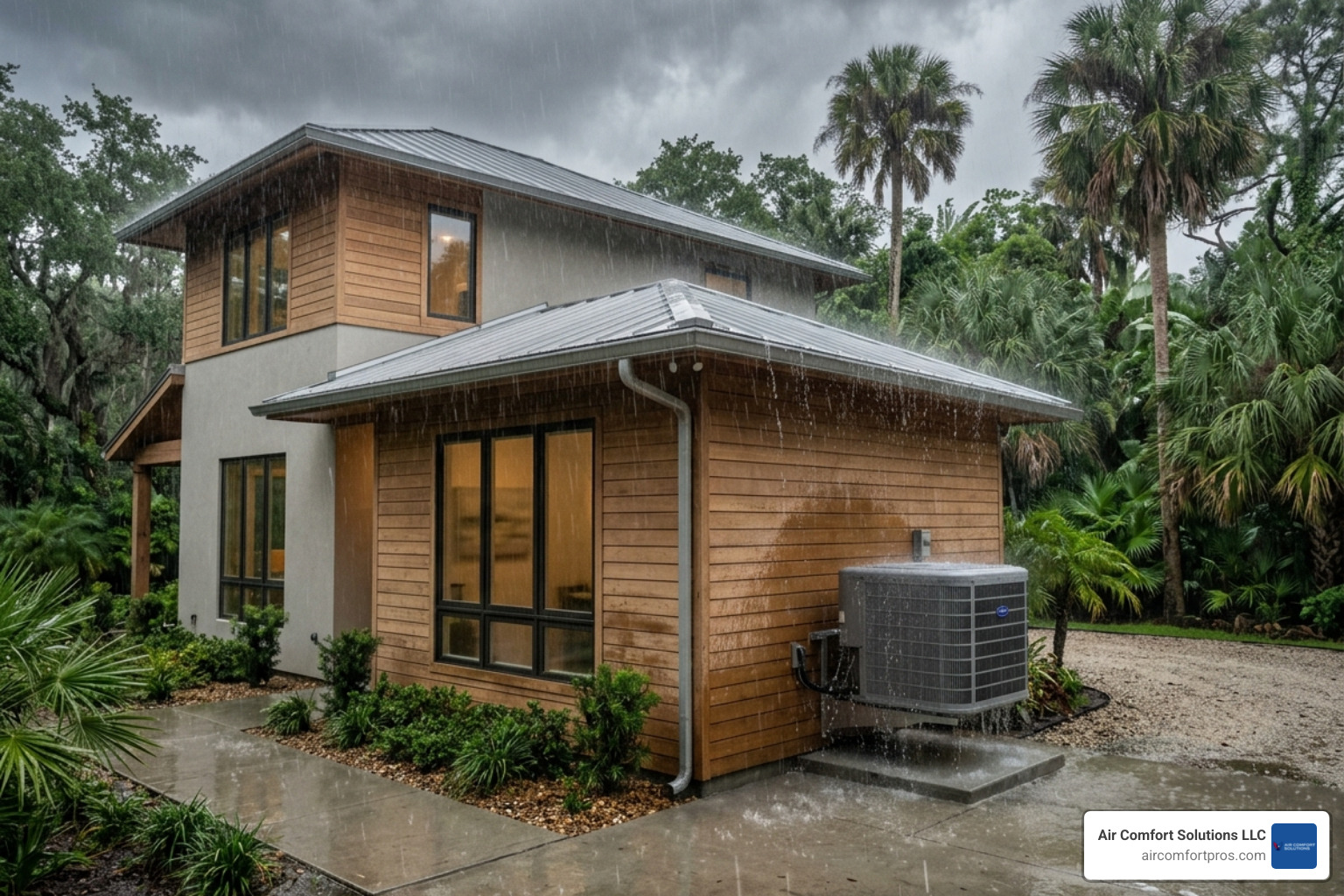
How southeast texas climate affects your hvac system is something every homeowner in North Harris County deals with — often without fully understanding why their equipment wears out faster, works harder, or struggles to keep up.
Here is a quick breakdown of the main ways the Gulf Coast climate puts extra stress on your system:
• Relentless heat and a long cooling season — The cooling season in Southeast Texas runs from roughly March through October. That is eight months of near-constant compressor operation, which wears out parts far faster than in cooler regions.
• Extreme humidity — High moisture levels force your AC to spend more than half its energy removing water from the air, not just cooling it. This drives up energy bills and accelerates component wear.
• Salt air corrosion — Proximity to the Gulf of Mexico means salt particles in the air attack condenser coils, fins, and electrical connections, shortening equipment life.
• Severe weather and storms — Heavy rain, flooding, power surges, and wind-blown debris all create risks for outdoor HVAC units that homeowners in drier climates rarely face.
• Shortened system lifespan — Air conditioners in Southeast Texas typically last 10 to 15 years, compared to 20 or more years in milder climates. Gulf Coast systems near the water may only last 10 to 12 years.
The result is what HVAC professionals sometimes call the "Texas HVAC Tax" — the extra cost in energy, repairs, and earlier replacement that comes with operating equipment in one of the most demanding climates in the country.
If you own a home in the Pinehurst, TX area or anywhere in North Harris County, understanding these pressures helps you make smarter decisions about maintenance, system sizing, and when to replace aging equipment. The sections below walk through each challenge in detail, along with what you can actually do about it.

In places like Tomball, Spring, and Conroe, "summer" isn't just a season; it’s a marathon. While homeowners in the Midwest might turn their AC on in late June and off by Labor Day, our cooling season typically stretches from March all the way through October. This extended workload is the primary reason how southeast texas climate affects your hvac system so drastically.
When an outdoor condenser unit sits in direct afternoon sunlight during a triple-digit heatwave, the internal pressures of the refrigerant system skyrocket. The compressor—the "heart" of your AC—must work significantly harder to move heat from inside your home to the already scorching outdoor air. This constant strain leads to accelerated wear on capacitors, fan motors, and contactors.
Because of this high-intensity usage, the typical lifespan of an air conditioner in our region is only 10–15 years. In milder climates, that same unit might easily cruise past the 20-year mark. If you find yourself facing an AC Not Turning On During a Heatwave, it’s often because a small electrical component finally gave up after weeks of non-stop operation. Regular AC Repair Tomball TX becomes a necessity rather than a luxury when the mercury stays above 95 degrees for thirty days straight.
• Central Air Conditioner — Lifespan in Southeast Texas: 10–15 Years — Lifespan in Milder Climates: 15–20+ Years
• Heat Pump — Lifespan in Southeast Texas: 10–12 Years — Lifespan in Milder Climates: 15+ Years
• Gas Furnace — Lifespan in Southeast Texas: 15–20 Years — Lifespan in Milder Climates: 20–25 Years
In Southeast Texas, the heat is only half the story. The humidity is the real villain. Our HVAC systems have to deal with "latent heat"—the energy held in water vapor. To make you feel comfortable, your AC doesn't just lower the temperature; it has to wring gallons of water out of the air every single day.
When humidity levels are high, your AC spends more than half of its cooling capacity just "drying" the air before it can even begin to lower the thermostat. This is why many homeowners Address High Humidity Despite Running AC by looking into supplemental solutions. The ideal indoor humidity range is 45–55%. Once you cross the 60% threshold, you aren't just uncomfortable and "sticky"—you’re at risk for mold and mildew growth.
This moisture battle often leads to 6 Reasons Your AC Has a Musty Smell, a common complaint in humid climates. If the system isn't draining properly or if the coils stay damp for too long, organic growth can take hold. Maintaining high Indoor Air Quality Cypress TX requires a system that is perfectly tuned to handle this massive moisture load.
The sheer volume of water pulled from the air has to go somewhere. In a typical Houston-area summer, your AC produces enough condensate to fill several five-gallon buckets a day. This leads to one of the most common service calls we receive: condensate drain clogs. Dust and microbial "sludge" can block the primary drain line, leading to water backing up into the emergency pan or, worse, leaking through your ceiling. Knowing What to do when your AC is leaking water is vital for preventing thousands of dollars in home damage.
Furthermore, high humidity can lead to a paradoxical problem: a frozen unit. If airflow is restricted by a dirty filter or if refrigerant levels are slightly off, the evaporator coil can drop below freezing. In our humid air, moisture flash-freezes onto the coil, turning it into a block of ice. This is a leading reason Why is My AC Freezing Up in Summer in Tomball and serves as a major red flag for Why is My AC Not Cooling Properly in Tomball.
Living near the Gulf Coast introduces environmental hazards that go beyond temperature. For homes in the southern parts of Harris County or even inland areas like Pinehurst and Magnolia, salt air is a silent killer. Salt particles are corrosive; they settle on the delicate aluminum fins of your outdoor condenser and eat away at the metal. This corrosion reduces the unit's ability to shed heat, forcing the compressor to run hotter and longer, eventually leading to refrigerant leaks.
Dust and pollen are also major factors. Whether it's the yellow pine pollen in Magnolia or dust kicked up during new construction in The Woodlands, these particles coat your coils like a blanket. This insulation effect prevents proper heat exchange. Consistent AC Maintenance Magnolia TX is the only way to keep these coils clean and your efficiency high.
Storms present an even more immediate threat. Between tropical downpours and lightning strikes, our weather can be violent. We often see How Water Damage Affects Your AC Unit Cypress after heavy flooding or high winds that blow debris directly into the fan blades.
To survive the local climate, your system needs more than just a standard setup. We highly recommend whole-home surge protection. High energy demand during a heatwave can cause grid instability, and a single surge can fry the expensive control boards in a modern high-efficiency unit. If your AC Keeps Tripping Circuit Breaker in Spring, it may be a sign of electrical strain or a failing component trying to draw too much power.
Homeowners should also be diligent about Preparing Your Home's Cooling System for a Smooth Summer by clearing at least two feet of space around the outdoor unit. Grass, weeds, and debris restrict airflow, which can be one of the hidden Causes of AC Short Cycling in Conroe.
Given how hard our climate works to destroy HVAC equipment, how do we fight back? It starts with the right equipment and the right fit. Many systems in our area are actually oversized. An oversized AC cools the house so fast that it shuts off before it has a chance to remove humidity, leaving you feeling cold but "clammy."
When performing an AC Installation Conroe TX, we use Manual J load calculations to ensure the unit is perfectly sized for the home’s square footage, insulation levels, and window orientation. Modern technologies like variable-speed compressors are a game-changer for Southeast Texas. Unlike standard units that are either "all on" or "all off," variable-speed systems can run at lower speeds for longer periods, providing superior dehumidification and much lower energy bills.
Knowing the Optimal Times for Upgrading Your Home's Air Conditioning System can save you from an emergency replacement in the middle of July. Investing in a Maintenance Plan is the single most effective way to extend your system's life by 5 to 10 years, catching small issues like a weak capacitor before they turn into a dead compressor.
Even though our winters are mild, the humidity remains. For homes using heat pumps, the winter brings its own set of challenges. When temperatures drop near freezing, the outdoor coil can frost over, triggering a "defrost cycle." If you see your Heat Pump Leaking Water in the winter, it’s often just the ice melting during this cycle—but it can also signal a drainage issue.
Regular Heat Pump Maintenance Magnolia TX ensures the reversing valve and defrost controls are working correctly. If a cold snap hits and you find yourself needing Heating Repair Magnolia TX, it’s often because the system hasn't been switched to "heat mode" in months. During these transition months, you might even experience your AC Blowing Hot if the refrigerant levels are low or the thermostat is malfunctioning.
Most residential AC systems are designed to maintain a 20-degree difference between the outdoor temperature and the indoor temperature. When it is 100°F in Houston, your system is working at its absolute limit just to keep the house at 78°F. Additionally, because the system is spending so much energy on "latent heat" (removing humidity), it has less "sensible heat" capacity (lowering the actual temperature). If your system is older or has dirty coils, it will struggle even more to meet that 20-degree differential.
While filter manufacturers often suggest 90 days, that doesn't account for a Southeast Texas summer. We recommend checking your filter every 30 days. Between the high levels of dust, pollen, and the fact that your system is running 12+ hours a day, filters clog much faster here. A clogged filter restricts airflow, which increases energy bills and is the leading cause of frozen evaporator coils and compressor failure.
This is usually caused by "short cycling." If your HVAC unit is too large for your home, it reaches the temperature setpoint very quickly and shuts off. However, it takes about 10–15 minutes of continuous operation for the evaporator coil to get cold enough to start pulling significant moisture from the air. If your unit only runs for 8 minutes at a time, it cools the air but leaves the water behind. This is why variable-speed systems are so effective—they run for longer cycles at a lower intensity to maximize dehumidification.
The Southeast Texas climate is undeniably tough on home comfort systems. From the corrosive salt air of the Gulf to the relentless 100-degree afternoons and the thick, heavy humidity, your HVAC unit is under constant fire. At Air Comfort Solutions LLC, we’ve spent over 35 years helping neighbors in Pinehurst, Magnolia, The Woodlands, and throughout North Harris County navigate these challenges.
Our certified technicians understand the "Texas HVAC Tax" and know exactly how to minimize it through precision maintenance, expert repairs, and high-efficiency installations. Whether you need a simple tune-up to prepare for the summer or a complete system overhaul designed to handle the Gulf Coast's unique demands, we provide honest, reliable HVAC Services with upfront pricing and flexible financing. Don't let the climate dictate your comfort—give us a call and let our experience work for you.
How southeast texas climate affects your hvac system is something every homeowner in North Harris County deals with — often without fully understanding why their equipment wears out faster, works harder, or struggles to keep up.
Here is a quick breakdown of the main ways the Gulf Coast climate puts extra stress on your system:
The result is what HVAC professionals sometimes call the "Texas HVAC Tax" — the extra cost in energy, repairs, and earlier replacement that comes with operating equipment in one of the most demanding climates in the country.
If you own a home in the Pinehurst, TX area or anywhere in North Harris County, understanding these pressures helps you make smarter decisions about maintenance, system sizing, and when to replace aging equipment. The sections below walk through each challenge in detail, along with what you can actually do about it.
In places like Tomball, Spring, and Conroe, "summer" isn't just a season; it’s a marathon. While homeowners in the Midwest might turn their AC on in late June and off by Labor Day, our cooling season typically stretches from March all the way through October. This extended workload is the primary reason how southeast texas climate affects your hvac system so drastically.
When an outdoor condenser unit sits in direct afternoon sunlight during a triple-digit heatwave, the internal pressures of the refrigerant system skyrocket. The compressor—the "heart" of your AC—must work significantly harder to move heat from inside your home to the already scorching outdoor air. This constant strain leads to accelerated wear on capacitors, fan motors, and contactors.
Because of this high-intensity usage, the typical lifespan of an air conditioner in our region is only 10–15 years. In milder climates, that same unit might easily cruise past the 20-year mark. If you find yourself facing an AC Not Turning On During a Heatwave, it’s often because a small electrical component finally gave up after weeks of non-stop operation. Regular AC Repair Tomball TX becomes a necessity rather than a luxury when the mercury stays above 95 degrees for thirty days straight.
| HVAC Component | Lifespan in Southeast Texas | Lifespan in Milder Climates |
|---|---|---|
| Central Air Conditioner | 10–15 Years | 15–20+ Years |
| Heat Pump | 10–12 Years | 15+ Years |
| Gas Furnace | 15–20 Years | 20–25 Years |
In Southeast Texas, the heat is only half the story. The humidity is the real villain. Our HVAC systems have to deal with "latent heat"—the energy held in water vapor. To make you feel comfortable, your AC doesn't just lower the temperature; it has to wring gallons of water out of the air every single day.
When humidity levels are high, your AC spends more than half of its cooling capacity just "drying" the air before it can even begin to lower the thermostat. This is why many homeowners Address High Humidity Despite Running AC by looking into supplemental solutions. The ideal indoor humidity range is 45–55%. Once you cross the 60% threshold, you aren't just uncomfortable and "sticky"—you’re at risk for mold and mildew growth.
This moisture battle often leads to 6 Reasons Your AC Has a Musty Smell, a common complaint in humid climates. If the system isn't draining properly or if the coils stay damp for too long, organic growth can take hold. Maintaining high Indoor Air Quality Cypress TX requires a system that is perfectly tuned to handle this massive moisture load.
The sheer volume of water pulled from the air has to go somewhere. In a typical Houston-area summer, your AC produces enough condensate to fill several five-gallon buckets a day. This leads to one of the most common service calls we receive: condensate drain clogs. Dust and microbial "sludge" can block the primary drain line, leading to water backing up into the emergency pan or, worse, leaking through your ceiling. Knowing What to do when your AC is leaking water is vital for preventing thousands of dollars in home damage.
Furthermore, high humidity can lead to a paradoxical problem: a frozen unit. If airflow is restricted by a dirty filter or if refrigerant levels are slightly off, the evaporator coil can drop below freezing. In our humid air, moisture flash-freezes onto the coil, turning it into a block of ice. This is a leading reason Why is My AC Freezing Up in Summer in Tomball and serves as a major red flag for Why is My AC Not Cooling Properly in Tomball.
Living near the Gulf Coast introduces environmental hazards that go beyond temperature. For homes in the southern parts of Harris County or even inland areas like Pinehurst and Magnolia, salt air is a silent killer. Salt particles are corrosive; they settle on the delicate aluminum fins of your outdoor condenser and eat away at the metal. This corrosion reduces the unit's ability to shed heat, forcing the compressor to run hotter and longer, eventually leading to refrigerant leaks.
Dust and pollen are also major factors. Whether it's the yellow pine pollen in Magnolia or dust kicked up during new construction in The Woodlands, these particles coat your coils like a blanket. This insulation effect prevents proper heat exchange. Consistent AC Maintenance Magnolia TX is the only way to keep these coils clean and your efficiency high.
Storms present an even more immediate threat. Between tropical downpours and lightning strikes, our weather can be violent. We often see How Water Damage Affects Your AC Unit Cypress after heavy flooding or high winds that blow debris directly into the fan blades.
To survive the local climate, your system needs more than just a standard setup. We highly recommend whole-home surge protection. High energy demand during a heatwave can cause grid instability, and a single surge can fry the expensive control boards in a modern high-efficiency unit. If your AC Keeps Tripping Circuit Breaker in Spring, it may be a sign of electrical strain or a failing component trying to draw too much power.
Homeowners should also be diligent about Preparing Your Home's Cooling System for a Smooth Summer by clearing at least two feet of space around the outdoor unit. Grass, weeds, and debris restrict airflow, which can be one of the hidden Causes of AC Short Cycling in Conroe.
Given how hard our climate works to destroy HVAC equipment, how do we fight back? It starts with the right equipment and the right fit. Many systems in our area are actually oversized. An oversized AC cools the house so fast that it shuts off before it has a chance to remove humidity, leaving you feeling cold but "clammy."
When performing an AC Installation Conroe TX, we use Manual J load calculations to ensure the unit is perfectly sized for the home’s square footage, insulation levels, and window orientation. Modern technologies like variable-speed compressors are a game-changer for Southeast Texas. Unlike standard units that are either "all on" or "all off," variable-speed systems can run at lower speeds for longer periods, providing superior dehumidification and much lower energy bills.
Knowing the Optimal Times for Upgrading Your Home's Air Conditioning System can save you from an emergency replacement in the middle of July. Investing in a Maintenance Plan is the single most effective way to extend your system's life by 5 to 10 years, catching small issues like a weak capacitor before they turn into a dead compressor.
Even though our winters are mild, the humidity remains. For homes using heat pumps, the winter brings its own set of challenges. When temperatures drop near freezing, the outdoor coil can frost over, triggering a "defrost cycle." If you see your Heat Pump Leaking Water in the winter, it’s often just the ice melting during this cycle—but it can also signal a drainage issue.
Regular Heat Pump Maintenance Magnolia TX ensures the reversing valve and defrost controls are working correctly. If a cold snap hits and you find yourself needing Heating Repair Magnolia TX, it’s often because the system hasn't been switched to "heat mode" in months. During these transition months, you might even experience your AC Blowing Hot if the refrigerant levels are low or the thermostat is malfunctioning.
Most residential AC systems are designed to maintain a 20-degree difference between the outdoor temperature and the indoor temperature. When it is 100°F in Houston, your system is working at its absolute limit just to keep the house at 78°F. Additionally, because the system is spending so much energy on "latent heat" (removing humidity), it has less "sensible heat" capacity (lowering the actual temperature). If your system is older or has dirty coils, it will struggle even more to meet that 20-degree differential.
While filter manufacturers often suggest 90 days, that doesn't account for a Southeast Texas summer. We recommend checking your filter every 30 days. Between the high levels of dust, pollen, and the fact that your system is running 12+ hours a day, filters clog much faster here. A clogged filter restricts airflow, which increases energy bills and is the leading cause of frozen evaporator coils and compressor failure.
This is usually caused by "short cycling." If your HVAC unit is too large for your home, it reaches the temperature setpoint very quickly and shuts off. However, it takes about 10–15 minutes of continuous operation for the evaporator coil to get cold enough to start pulling significant moisture from the air. If your unit only runs for 8 minutes at a time, it cools the air but leaves the water behind. This is why variable-speed systems are so effective—they run for longer cycles at a lower intensity to maximize dehumidification.
The Southeast Texas climate is undeniably tough on home comfort systems. From the corrosive salt air of the Gulf to the relentless 100-degree afternoons and the thick, heavy humidity, your HVAC unit is under constant fire. At Air Comfort Solutions LLC, we’ve spent over 35 years helping neighbors in Pinehurst, Magnolia, The Woodlands, and throughout North Harris County navigate these challenges.
Our certified technicians understand the "Texas HVAC Tax" and know exactly how to minimize it through precision maintenance, expert repairs, and high-efficiency installations. Whether you need a simple tune-up to prepare for the summer or a complete system overhaul designed to handle the Gulf Coast's unique demands, we provide honest, reliable HVAC Services with upfront pricing and flexible financing. Don't let the climate dictate your comfort—give us a call and let our experience work for you.
How southeast texas climate affects your hvac system is something every homeowner in North Harris County deals with — often without fully understanding why their equipment wears out faster, works harder, or struggles to keep up.
Here is a quick breakdown of the main ways the Gulf Coast climate puts extra stress on your system:
The result is what HVAC professionals sometimes call the "Texas HVAC Tax" — the extra cost in energy, repairs, and earlier replacement that comes with operating equipment in one of the most demanding climates in the country.
If you own a home in the Pinehurst, TX area or anywhere in North Harris County, understanding these pressures helps you make smarter decisions about maintenance, system sizing, and when to replace aging equipment. The sections below walk through each challenge in detail, along with what you can actually do about it.
In places like Tomball, Spring, and Conroe, "summer" isn't just a season; it’s a marathon. While homeowners in the Midwest might turn their AC on in late June and off by Labor Day, our cooling season typically stretches from March all the way through October. This extended workload is the primary reason how southeast texas climate affects your hvac system so drastically.
When an outdoor condenser unit sits in direct afternoon sunlight during a triple-digit heatwave, the internal pressures of the refrigerant system skyrocket. The compressor—the "heart" of your AC—must work significantly harder to move heat from inside your home to the already scorching outdoor air. This constant strain leads to accelerated wear on capacitors, fan motors, and contactors.
Because of this high-intensity usage, the typical lifespan of an air conditioner in our region is only 10–15 years. In milder climates, that same unit might easily cruise past the 20-year mark. If you find yourself facing an AC Not Turning On During a Heatwave, it’s often because a small electrical component finally gave up after weeks of non-stop operation. Regular AC Repair Tomball TX becomes a necessity rather than a luxury when the mercury stays above 95 degrees for thirty days straight.
| HVAC Component | Lifespan in Southeast Texas | Lifespan in Milder Climates |
|---|---|---|
| Central Air Conditioner | 10–15 Years | 15–20+ Years |
| Heat Pump | 10–12 Years | 15+ Years |
| Gas Furnace | 15–20 Years | 20–25 Years |
In Southeast Texas, the heat is only half the story. The humidity is the real villain. Our HVAC systems have to deal with "latent heat"—the energy held in water vapor. To make you feel comfortable, your AC doesn't just lower the temperature; it has to wring gallons of water out of the air every single day.
When humidity levels are high, your AC spends more than half of its cooling capacity just "drying" the air before it can even begin to lower the thermostat. This is why many homeowners Address High Humidity Despite Running AC by looking into supplemental solutions. The ideal indoor humidity range is 45–55%. Once you cross the 60% threshold, you aren't just uncomfortable and "sticky"—you’re at risk for mold and mildew growth.
This moisture battle often leads to 6 Reasons Your AC Has a Musty Smell, a common complaint in humid climates. If the system isn't draining properly or if the coils stay damp for too long, organic growth can take hold. Maintaining high Indoor Air Quality Cypress TX requires a system that is perfectly tuned to handle this massive moisture load.
The sheer volume of water pulled from the air has to go somewhere. In a typical Houston-area summer, your AC produces enough condensate to fill several five-gallon buckets a day. This leads to one of the most common service calls we receive: condensate drain clogs. Dust and microbial "sludge" can block the primary drain line, leading to water backing up into the emergency pan or, worse, leaking through your ceiling. Knowing What to do when your AC is leaking water is vital for preventing thousands of dollars in home damage.
Furthermore, high humidity can lead to a paradoxical problem: a frozen unit. If airflow is restricted by a dirty filter or if refrigerant levels are slightly off, the evaporator coil can drop below freezing. In our humid air, moisture flash-freezes onto the coil, turning it into a block of ice. This is a leading reason Why is My AC Freezing Up in Summer in Tomball and serves as a major red flag for Why is My AC Not Cooling Properly in Tomball.
Living near the Gulf Coast introduces environmental hazards that go beyond temperature. For homes in the southern parts of Harris County or even inland areas like Pinehurst and Magnolia, salt air is a silent killer. Salt particles are corrosive; they settle on the delicate aluminum fins of your outdoor condenser and eat away at the metal. This corrosion reduces the unit's ability to shed heat, forcing the compressor to run hotter and longer, eventually leading to refrigerant leaks.
Dust and pollen are also major factors. Whether it's the yellow pine pollen in Magnolia or dust kicked up during new construction in The Woodlands, these particles coat your coils like a blanket. This insulation effect prevents proper heat exchange. Consistent AC Maintenance Magnolia TX is the only way to keep these coils clean and your efficiency high.
Storms present an even more immediate threat. Between tropical downpours and lightning strikes, our weather can be violent. We often see How Water Damage Affects Your AC Unit Cypress after heavy flooding or high winds that blow debris directly into the fan blades.
To survive the local climate, your system needs more than just a standard setup. We highly recommend whole-home surge protection. High energy demand during a heatwave can cause grid instability, and a single surge can fry the expensive control boards in a modern high-efficiency unit. If your AC Keeps Tripping Circuit Breaker in Spring, it may be a sign of electrical strain or a failing component trying to draw too much power.
Homeowners should also be diligent about Preparing Your Home's Cooling System for a Smooth Summer by clearing at least two feet of space around the outdoor unit. Grass, weeds, and debris restrict airflow, which can be one of the hidden Causes of AC Short Cycling in Conroe.
Given how hard our climate works to destroy HVAC equipment, how do we fight back? It starts with the right equipment and the right fit. Many systems in our area are actually oversized. An oversized AC cools the house so fast that it shuts off before it has a chance to remove humidity, leaving you feeling cold but "clammy."
When performing an AC Installation Conroe TX, we use Manual J load calculations to ensure the unit is perfectly sized for the home’s square footage, insulation levels, and window orientation. Modern technologies like variable-speed compressors are a game-changer for Southeast Texas. Unlike standard units that are either "all on" or "all off," variable-speed systems can run at lower speeds for longer periods, providing superior dehumidification and much lower energy bills.
Knowing the Optimal Times for Upgrading Your Home's Air Conditioning System can save you from an emergency replacement in the middle of July. Investing in a Maintenance Plan is the single most effective way to extend your system's life by 5 to 10 years, catching small issues like a weak capacitor before they turn into a dead compressor.
Even though our winters are mild, the humidity remains. For homes using heat pumps, the winter brings its own set of challenges. When temperatures drop near freezing, the outdoor coil can frost over, triggering a "defrost cycle." If you see your Heat Pump Leaking Water in the winter, it’s often just the ice melting during this cycle—but it can also signal a drainage issue.
Regular Heat Pump Maintenance Magnolia TX ensures the reversing valve and defrost controls are working correctly. If a cold snap hits and you find yourself needing Heating Repair Magnolia TX, it’s often because the system hasn't been switched to "heat mode" in months. During these transition months, you might even experience your AC Blowing Hot if the refrigerant levels are low or the thermostat is malfunctioning.
Most residential AC systems are designed to maintain a 20-degree difference between the outdoor temperature and the indoor temperature. When it is 100°F in Houston, your system is working at its absolute limit just to keep the house at 78°F. Additionally, because the system is spending so much energy on "latent heat" (removing humidity), it has less "sensible heat" capacity (lowering the actual temperature). If your system is older or has dirty coils, it will struggle even more to meet that 20-degree differential.
While filter manufacturers often suggest 90 days, that doesn't account for a Southeast Texas summer. We recommend checking your filter every 30 days. Between the high levels of dust, pollen, and the fact that your system is running 12+ hours a day, filters clog much faster here. A clogged filter restricts airflow, which increases energy bills and is the leading cause of frozen evaporator coils and compressor failure.
This is usually caused by "short cycling." If your HVAC unit is too large for your home, it reaches the temperature setpoint very quickly and shuts off. However, it takes about 10–15 minutes of continuous operation for the evaporator coil to get cold enough to start pulling significant moisture from the air. If your unit only runs for 8 minutes at a time, it cools the air but leaves the water behind. This is why variable-speed systems are so effective—they run for longer cycles at a lower intensity to maximize dehumidification.
The Southeast Texas climate is undeniably tough on home comfort systems. From the corrosive salt air of the Gulf to the relentless 100-degree afternoons and the thick, heavy humidity, your HVAC unit is under constant fire. At Air Comfort Solutions LLC, we’ve spent over 35 years helping neighbors in Pinehurst, Magnolia, The Woodlands, and throughout North Harris County navigate these challenges.
Our certified technicians understand the "Texas HVAC Tax" and know exactly how to minimize it through precision maintenance, expert repairs, and high-efficiency installations. Whether you need a simple tune-up to prepare for the summer or a complete system overhaul designed to handle the Gulf Coast's unique demands, we provide honest, reliable HVAC Services with upfront pricing and flexible financing. Don't let the climate dictate your comfort—give us a call and let our experience work for you.
How southeast texas climate affects your hvac system is something every homeowner in North Harris County deals with — often without fully understanding why their equipment wears out faster, works harder, or struggles to keep up.
Here is a quick breakdown of the main ways the Gulf Coast climate puts extra stress on your system:
The result is what HVAC professionals sometimes call the "Texas HVAC Tax" — the extra cost in energy, repairs, and earlier replacement that comes with operating equipment in one of the most demanding climates in the country.
If you own a home in the Pinehurst, TX area or anywhere in North Harris County, understanding these pressures helps you make smarter decisions about maintenance, system sizing, and when to replace aging equipment. The sections below walk through each challenge in detail, along with what you can actually do about it.
In places like Tomball, Spring, and Conroe, "summer" isn't just a season; it’s a marathon. While homeowners in the Midwest might turn their AC on in late June and off by Labor Day, our cooling season typically stretches from March all the way through October. This extended workload is the primary reason how southeast texas climate affects your hvac system so drastically.
When an outdoor condenser unit sits in direct afternoon sunlight during a triple-digit heatwave, the internal pressures of the refrigerant system skyrocket. The compressor—the "heart" of your AC—must work significantly harder to move heat from inside your home to the already scorching outdoor air. This constant strain leads to accelerated wear on capacitors, fan motors, and contactors.
Because of this high-intensity usage, the typical lifespan of an air conditioner in our region is only 10–15 years. In milder climates, that same unit might easily cruise past the 20-year mark. If you find yourself facing an AC Not Turning On During a Heatwave, it’s often because a small electrical component finally gave up after weeks of non-stop operation. Regular AC Repair Tomball TX becomes a necessity rather than a luxury when the mercury stays above 95 degrees for thirty days straight.
| HVAC Component | Lifespan in Southeast Texas | Lifespan in Milder Climates |
|---|---|---|
| Central Air Conditioner | 10–15 Years | 15–20+ Years |
| Heat Pump | 10–12 Years | 15+ Years |
| Gas Furnace | 15–20 Years | 20–25 Years |
In Southeast Texas, the heat is only half the story. The humidity is the real villain. Our HVAC systems have to deal with "latent heat"—the energy held in water vapor. To make you feel comfortable, your AC doesn't just lower the temperature; it has to wring gallons of water out of the air every single day.
When humidity levels are high, your AC spends more than half of its cooling capacity just "drying" the air before it can even begin to lower the thermostat. This is why many homeowners Address High Humidity Despite Running AC by looking into supplemental solutions. The ideal indoor humidity range is 45–55%. Once you cross the 60% threshold, you aren't just uncomfortable and "sticky"—you’re at risk for mold and mildew growth.
This moisture battle often leads to 6 Reasons Your AC Has a Musty Smell, a common complaint in humid climates. If the system isn't draining properly or if the coils stay damp for too long, organic growth can take hold. Maintaining high Indoor Air Quality Cypress TX requires a system that is perfectly tuned to handle this massive moisture load.
The sheer volume of water pulled from the air has to go somewhere. In a typical Houston-area summer, your AC produces enough condensate to fill several five-gallon buckets a day. This leads to one of the most common service calls we receive: condensate drain clogs. Dust and microbial "sludge" can block the primary drain line, leading to water backing up into the emergency pan or, worse, leaking through your ceiling. Knowing What to do when your AC is leaking water is vital for preventing thousands of dollars in home damage.
Furthermore, high humidity can lead to a paradoxical problem: a frozen unit. If airflow is restricted by a dirty filter or if refrigerant levels are slightly off, the evaporator coil can drop below freezing. In our humid air, moisture flash-freezes onto the coil, turning it into a block of ice. This is a leading reason Why is My AC Freezing Up in Summer in Tomball and serves as a major red flag for Why is My AC Not Cooling Properly in Tomball.
Living near the Gulf Coast introduces environmental hazards that go beyond temperature. For homes in the southern parts of Harris County or even inland areas like Pinehurst and Magnolia, salt air is a silent killer. Salt particles are corrosive; they settle on the delicate aluminum fins of your outdoor condenser and eat away at the metal. This corrosion reduces the unit's ability to shed heat, forcing the compressor to run hotter and longer, eventually leading to refrigerant leaks.
Dust and pollen are also major factors. Whether it's the yellow pine pollen in Magnolia or dust kicked up during new construction in The Woodlands, these particles coat your coils like a blanket. This insulation effect prevents proper heat exchange. Consistent AC Maintenance Magnolia TX is the only way to keep these coils clean and your efficiency high.
Storms present an even more immediate threat. Between tropical downpours and lightning strikes, our weather can be violent. We often see How Water Damage Affects Your AC Unit Cypress after heavy flooding or high winds that blow debris directly into the fan blades.
To survive the local climate, your system needs more than just a standard setup. We highly recommend whole-home surge protection. High energy demand during a heatwave can cause grid instability, and a single surge can fry the expensive control boards in a modern high-efficiency unit. If your AC Keeps Tripping Circuit Breaker in Spring, it may be a sign of electrical strain or a failing component trying to draw too much power.
Homeowners should also be diligent about Preparing Your Home's Cooling System for a Smooth Summer by clearing at least two feet of space around the outdoor unit. Grass, weeds, and debris restrict airflow, which can be one of the hidden Causes of AC Short Cycling in Conroe.
Given how hard our climate works to destroy HVAC equipment, how do we fight back? It starts with the right equipment and the right fit. Many systems in our area are actually oversized. An oversized AC cools the house so fast that it shuts off before it has a chance to remove humidity, leaving you feeling cold but "clammy."
When performing an AC Installation Conroe TX, we use Manual J load calculations to ensure the unit is perfectly sized for the home’s square footage, insulation levels, and window orientation. Modern technologies like variable-speed compressors are a game-changer for Southeast Texas. Unlike standard units that are either "all on" or "all off," variable-speed systems can run at lower speeds for longer periods, providing superior dehumidification and much lower energy bills.
Knowing the Optimal Times for Upgrading Your Home's Air Conditioning System can save you from an emergency replacement in the middle of July. Investing in a Maintenance Plan is the single most effective way to extend your system's life by 5 to 10 years, catching small issues like a weak capacitor before they turn into a dead compressor.
Even though our winters are mild, the humidity remains. For homes using heat pumps, the winter brings its own set of challenges. When temperatures drop near freezing, the outdoor coil can frost over, triggering a "defrost cycle." If you see your Heat Pump Leaking Water in the winter, it’s often just the ice melting during this cycle—but it can also signal a drainage issue.
Regular Heat Pump Maintenance Magnolia TX ensures the reversing valve and defrost controls are working correctly. If a cold snap hits and you find yourself needing Heating Repair Magnolia TX, it’s often because the system hasn't been switched to "heat mode" in months. During these transition months, you might even experience your AC Blowing Hot if the refrigerant levels are low or the thermostat is malfunctioning.
Most residential AC systems are designed to maintain a 20-degree difference between the outdoor temperature and the indoor temperature. When it is 100°F in Houston, your system is working at its absolute limit just to keep the house at 78°F. Additionally, because the system is spending so much energy on "latent heat" (removing humidity), it has less "sensible heat" capacity (lowering the actual temperature). If your system is older or has dirty coils, it will struggle even more to meet that 20-degree differential.
While filter manufacturers often suggest 90 days, that doesn't account for a Southeast Texas summer. We recommend checking your filter every 30 days. Between the high levels of dust, pollen, and the fact that your system is running 12+ hours a day, filters clog much faster here. A clogged filter restricts airflow, which increases energy bills and is the leading cause of frozen evaporator coils and compressor failure.
This is usually caused by "short cycling." If your HVAC unit is too large for your home, it reaches the temperature setpoint very quickly and shuts off. However, it takes about 10–15 minutes of continuous operation for the evaporator coil to get cold enough to start pulling significant moisture from the air. If your unit only runs for 8 minutes at a time, it cools the air but leaves the water behind. This is why variable-speed systems are so effective—they run for longer cycles at a lower intensity to maximize dehumidification.
The Southeast Texas climate is undeniably tough on home comfort systems. From the corrosive salt air of the Gulf to the relentless 100-degree afternoons and the thick, heavy humidity, your HVAC unit is under constant fire. At Air Comfort Solutions LLC, we’ve spent over 35 years helping neighbors in Pinehurst, Magnolia, The Woodlands, and throughout North Harris County navigate these challenges.
Our certified technicians understand the "Texas HVAC Tax" and know exactly how to minimize it through precision maintenance, expert repairs, and high-efficiency installations. Whether you need a simple tune-up to prepare for the summer or a complete system overhaul designed to handle the Gulf Coast's unique demands, we provide honest, reliable HVAC Services with upfront pricing and flexible financing. Don't let the climate dictate your comfort—give us a call and let our experience work for you.
How southeast texas climate affects your hvac system is something every homeowner in North Harris County deals with — often without fully understanding why their equipment wears out faster, works harder, or struggles to keep up.
Here is a quick breakdown of the main ways the Gulf Coast climate puts extra stress on your system:
The result is what HVAC professionals sometimes call the "Texas HVAC Tax" — the extra cost in energy, repairs, and earlier replacement that comes with operating equipment in one of the most demanding climates in the country.
If you own a home in the Pinehurst, TX area or anywhere in North Harris County, understanding these pressures helps you make smarter decisions about maintenance, system sizing, and when to replace aging equipment. The sections below walk through each challenge in detail, along with what you can actually do about it.
In places like Tomball, Spring, and Conroe, "summer" isn't just a season; it’s a marathon. While homeowners in the Midwest might turn their AC on in late June and off by Labor Day, our cooling season typically stretches from March all the way through October. This extended workload is the primary reason how southeast texas climate affects your hvac system so drastically.
When an outdoor condenser unit sits in direct afternoon sunlight during a triple-digit heatwave, the internal pressures of the refrigerant system skyrocket. The compressor—the "heart" of your AC—must work significantly harder to move heat from inside your home to the already scorching outdoor air. This constant strain leads to accelerated wear on capacitors, fan motors, and contactors.
Because of this high-intensity usage, the typical lifespan of an air conditioner in our region is only 10–15 years. In milder climates, that same unit might easily cruise past the 20-year mark. If you find yourself facing an AC Not Turning On During a Heatwave, it’s often because a small electrical component finally gave up after weeks of non-stop operation. Regular AC Repair Tomball TX becomes a necessity rather than a luxury when the mercury stays above 95 degrees for thirty days straight.
| HVAC Component | Lifespan in Southeast Texas | Lifespan in Milder Climates |
|---|---|---|
| Central Air Conditioner | 10–15 Years | 15–20+ Years |
| Heat Pump | 10–12 Years | 15+ Years |
| Gas Furnace | 15–20 Years | 20–25 Years |
In Southeast Texas, the heat is only half the story. The humidity is the real villain. Our HVAC systems have to deal with "latent heat"—the energy held in water vapor. To make you feel comfortable, your AC doesn't just lower the temperature; it has to wring gallons of water out of the air every single day.
When humidity levels are high, your AC spends more than half of its cooling capacity just "drying" the air before it can even begin to lower the thermostat. This is why many homeowners Address High Humidity Despite Running AC by looking into supplemental solutions. The ideal indoor humidity range is 45–55%. Once you cross the 60% threshold, you aren't just uncomfortable and "sticky"—you’re at risk for mold and mildew growth.
This moisture battle often leads to 6 Reasons Your AC Has a Musty Smell, a common complaint in humid climates. If the system isn't draining properly or if the coils stay damp for too long, organic growth can take hold. Maintaining high Indoor Air Quality Cypress TX requires a system that is perfectly tuned to handle this massive moisture load.
The sheer volume of water pulled from the air has to go somewhere. In a typical Houston-area summer, your AC produces enough condensate to fill several five-gallon buckets a day. This leads to one of the most common service calls we receive: condensate drain clogs. Dust and microbial "sludge" can block the primary drain line, leading to water backing up into the emergency pan or, worse, leaking through your ceiling. Knowing What to do when your AC is leaking water is vital for preventing thousands of dollars in home damage.
Furthermore, high humidity can lead to a paradoxical problem: a frozen unit. If airflow is restricted by a dirty filter or if refrigerant levels are slightly off, the evaporator coil can drop below freezing. In our humid air, moisture flash-freezes onto the coil, turning it into a block of ice. This is a leading reason Why is My AC Freezing Up in Summer in Tomball and serves as a major red flag for Why is My AC Not Cooling Properly in Tomball.
Living near the Gulf Coast introduces environmental hazards that go beyond temperature. For homes in the southern parts of Harris County or even inland areas like Pinehurst and Magnolia, salt air is a silent killer. Salt particles are corrosive; they settle on the delicate aluminum fins of your outdoor condenser and eat away at the metal. This corrosion reduces the unit's ability to shed heat, forcing the compressor to run hotter and longer, eventually leading to refrigerant leaks.
Dust and pollen are also major factors. Whether it's the yellow pine pollen in Magnolia or dust kicked up during new construction in The Woodlands, these particles coat your coils like a blanket. This insulation effect prevents proper heat exchange. Consistent AC Maintenance Magnolia TX is the only way to keep these coils clean and your efficiency high.
Storms present an even more immediate threat. Between tropical downpours and lightning strikes, our weather can be violent. We often see How Water Damage Affects Your AC Unit Cypress after heavy flooding or high winds that blow debris directly into the fan blades.
To survive the local climate, your system needs more than just a standard setup. We highly recommend whole-home surge protection. High energy demand during a heatwave can cause grid instability, and a single surge can fry the expensive control boards in a modern high-efficiency unit. If your AC Keeps Tripping Circuit Breaker in Spring, it may be a sign of electrical strain or a failing component trying to draw too much power.
Homeowners should also be diligent about Preparing Your Home's Cooling System for a Smooth Summer by clearing at least two feet of space around the outdoor unit. Grass, weeds, and debris restrict airflow, which can be one of the hidden Causes of AC Short Cycling in Conroe.
Given how hard our climate works to destroy HVAC equipment, how do we fight back? It starts with the right equipment and the right fit. Many systems in our area are actually oversized. An oversized AC cools the house so fast that it shuts off before it has a chance to remove humidity, leaving you feeling cold but "clammy."
When performing an AC Installation Conroe TX, we use Manual J load calculations to ensure the unit is perfectly sized for the home’s square footage, insulation levels, and window orientation. Modern technologies like variable-speed compressors are a game-changer for Southeast Texas. Unlike standard units that are either "all on" or "all off," variable-speed systems can run at lower speeds for longer periods, providing superior dehumidification and much lower energy bills.
Knowing the Optimal Times for Upgrading Your Home's Air Conditioning System can save you from an emergency replacement in the middle of July. Investing in a Maintenance Plan is the single most effective way to extend your system's life by 5 to 10 years, catching small issues like a weak capacitor before they turn into a dead compressor.
Even though our winters are mild, the humidity remains. For homes using heat pumps, the winter brings its own set of challenges. When temperatures drop near freezing, the outdoor coil can frost over, triggering a "defrost cycle." If you see your Heat Pump Leaking Water in the winter, it’s often just the ice melting during this cycle—but it can also signal a drainage issue.
Regular Heat Pump Maintenance Magnolia TX ensures the reversing valve and defrost controls are working correctly. If a cold snap hits and you find yourself needing Heating Repair Magnolia TX, it’s often because the system hasn't been switched to "heat mode" in months. During these transition months, you might even experience your AC Blowing Hot if the refrigerant levels are low or the thermostat is malfunctioning.
Most residential AC systems are designed to maintain a 20-degree difference between the outdoor temperature and the indoor temperature. When it is 100°F in Houston, your system is working at its absolute limit just to keep the house at 78°F. Additionally, because the system is spending so much energy on "latent heat" (removing humidity), it has less "sensible heat" capacity (lowering the actual temperature). If your system is older or has dirty coils, it will struggle even more to meet that 20-degree differential.
While filter manufacturers often suggest 90 days, that doesn't account for a Southeast Texas summer. We recommend checking your filter every 30 days. Between the high levels of dust, pollen, and the fact that your system is running 12+ hours a day, filters clog much faster here. A clogged filter restricts airflow, which increases energy bills and is the leading cause of frozen evaporator coils and compressor failure.
This is usually caused by "short cycling." If your HVAC unit is too large for your home, it reaches the temperature setpoint very quickly and shuts off. However, it takes about 10–15 minutes of continuous operation for the evaporator coil to get cold enough to start pulling significant moisture from the air. If your unit only runs for 8 minutes at a time, it cools the air but leaves the water behind. This is why variable-speed systems are so effective—they run for longer cycles at a lower intensity to maximize dehumidification.
The Southeast Texas climate is undeniably tough on home comfort systems. From the corrosive salt air of the Gulf to the relentless 100-degree afternoons and the thick, heavy humidity, your HVAC unit is under constant fire. At Air Comfort Solutions LLC, we’ve spent over 35 years helping neighbors in Pinehurst, Magnolia, The Woodlands, and throughout North Harris County navigate these challenges.
Our certified technicians understand the "Texas HVAC Tax" and know exactly how to minimize it through precision maintenance, expert repairs, and high-efficiency installations. Whether you need a simple tune-up to prepare for the summer or a complete system overhaul designed to handle the Gulf Coast's unique demands, we provide honest, reliable HVAC Services with upfront pricing and flexible financing. Don't let the climate dictate your comfort—give us a call and let our experience work for you.


Zane came out and did an amazing job! Super friendly, honest and transparent about the work that needed to be done. This is my second time working with Air Comfort Solutions and they’re my go to for HVAC services. Highly recommend.
God's AMAZING grace sent us Robert and Zane. We have been without air in this Texas heat for six weeks and four days. We've had a few contractors give us quotes all trying to upsell when we're at a low point. But not the guys at Air Comfort Solutions. They came in assessed our situation, gave us honest feedback, and showed us the issues as they proceeded with the assessment for clear understanding. We highly recommend them for their professionalism, quality products, and fair pricing. We hands down support them for all the work they do 💯 %.
Robert and Zane gone above and beyond to make the process easy and affordable.
Would definitely recommend!!
I’m writing this review to let everyone know that Air Comfort Solutions is the company to work with. I know the owner ( Robert) for several years now. He has been taking care of my residential and business work orders. Robert is professional, knowledgeable and will save you money. I just want to thank Robert for great job you have been doing for me.


