


Heating Options Comparisons for Homeowners: Heat Pumps vs. Gas Furnaces in Texas
Torn between a heat pump and a gas furnace? See our heating options comparisons for homeowners to decide with confidence before winter temperatures drop.
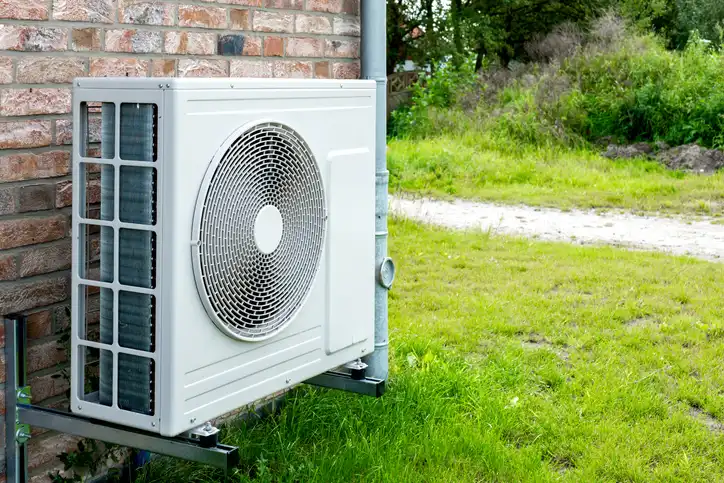
How AC refrigerant changes affect homeowners is one of the most searched HVAC questions of 2026 — and if you own a home in Pinehurst, TX or anywhere in North Harris County, the answer directly impacts how you maintain, repair, or replace your cooling system.
Here is a quick summary so you can get the essential facts right away:
• Your existing R-410A system is not illegal. You do not have to replace a working air conditioner because of the 2026 regulations.
• New AC equipment manufactured after January 1, 2025 must use lower-GWP refrigerants like R-454B or R-32, known as A2L refrigerants.
• R-410A is still available for servicing existing systems, though supply will gradually tighten over time as production is phased down.
• A2L refrigerants cannot be retrofitted into older R-410A systems — they require purpose-built equipment.
• New A2L systems are 10-15% more energy efficient than older R-410A models, and qualifying upgrades may be eligible for federal tax credits.
• A2L refrigerants are safe for residential use — they are mildly flammable only under very specific conditions and come with built-in leak detection systems.
The short version: if your AC works, keep using it and maintain it well. If you are shopping for a new system, you will be buying A2L equipment. Either way, understanding what changed — and why — helps you make smarter decisions about your home comfort.
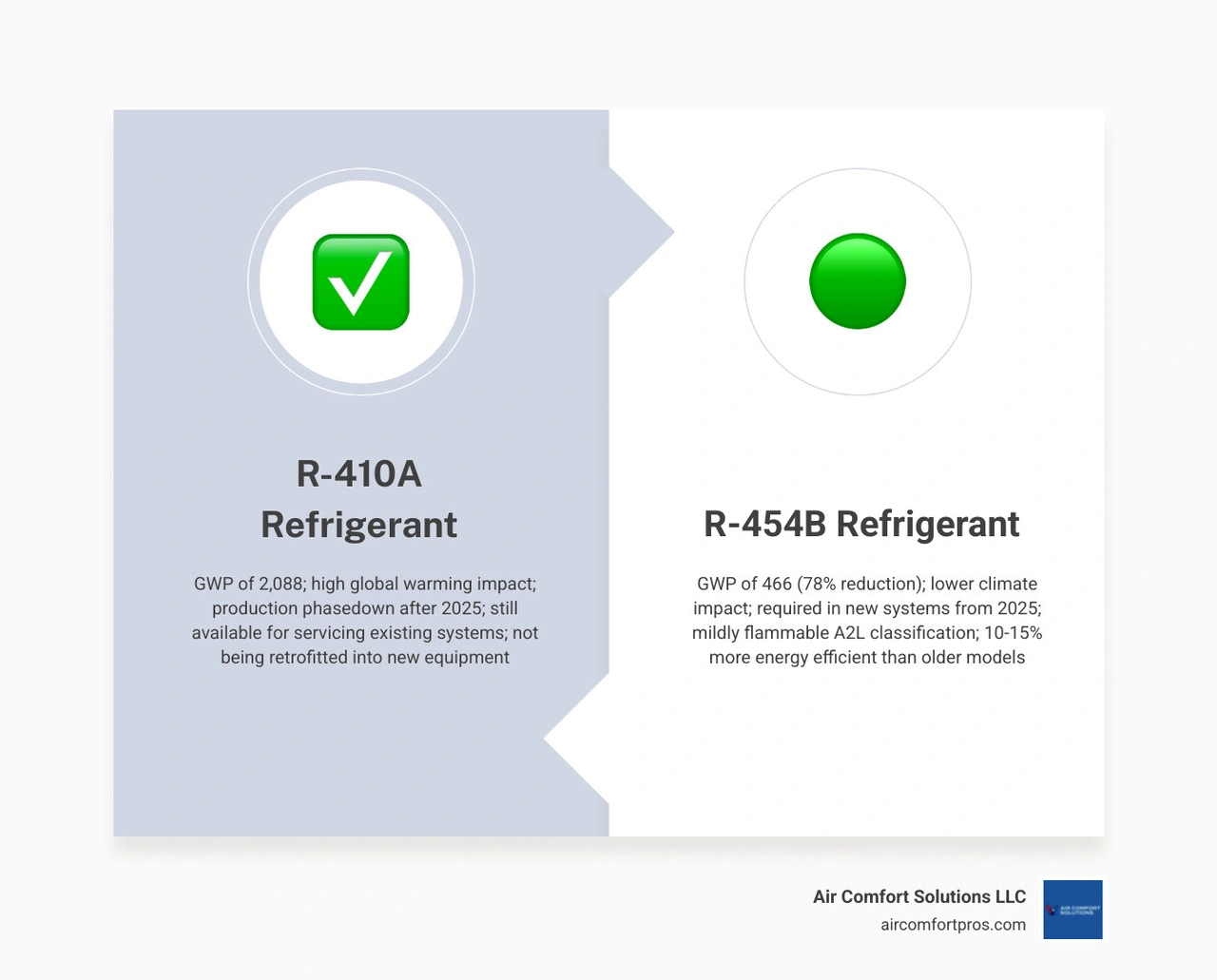
The shift is driven by the EPA’s AIM Act, which targets high-GWP (global warming potential) refrigerants like R-410A. R-410A carries a GWP of 2,088 — meaning it traps significantly more heat in the atmosphere than newer alternatives. R-454B, now the primary refrigerant in new residential systems, has a GWP of just 466, representing a 78% reduction. This transition mirrors what happened when R-22 (Freon) was phased out starting in 2010 and fully banned from production in 2020 — a useful precedent for understanding what comes next for R-410A owners.
For homeowners in Pinehurst and the greater Harris County area, where air conditioners run hard through long, humid Texas summers, staying informed about these changes is not just smart — it is essential for avoiding costly surprises.
To fully grasp how ac refrigerant changes affect homeowners, it helps to understand the lifespan of these chemical compounds. Refrigerants do not get “used up” like fuel. In a perfectly sealed, closed-loop air conditioner, the same refrigerant circulates indefinitely, absorbing heat from your indoor air and releasing it outside.
However, older systems inevitably develop tiny structural leaks over time due to vibration, thermal expansion, or simple wear and tear. Historically, when a system leaked, a technician would find and seal the leak, then “recharge” the system using brand-new refrigerant (often called virgin supply).
Under the EPA’s AIM Act phase-down schedule, the production and import of virgin R-410A are being scaled back significantly. In 2026, virgin HFC production is capped at 60% of its historical baseline, with the mandate aiming for an 85% total reduction by 2036.
As virgin supply shrinks, the HVAC industry must rely heavily on reclaimed refrigerant. Reclaimed refrigerant is gas that has been recovered from older systems, sent to a certified processing facility, and chemically restored to meet the exact purity standards of brand-new refrigerant.
This process is highly effective. In fact, between 2000 and 2018, reclaimers successfully processed more than 140 million pounds of older HCFC-22 to keep legacy systems running long after its production ban. While reclaimed R-410A will keep older units operational, the shrinking supply of virgin gas means that repairing older systems will naturally become more complex and require careful planning. For a deeper look at the physical differences between these gases, explore our guide on R410A vs R454B Refrigerant: What You Need to Know.
If your home in Pinehurst, Magnolia, or Tomball currently uses an R-410A air conditioner, you do not need to panic. There is absolutely no law requiring you to tear out a perfectly functioning system. Your air conditioner remains completely legal to own, run, and repair.
The EPA regulations target the manufacturing and installation of new equipment, not the operation of units already in place. If your system is only five to eight years old and running beautifully, the most sensible financial move is to keep maintaining it.
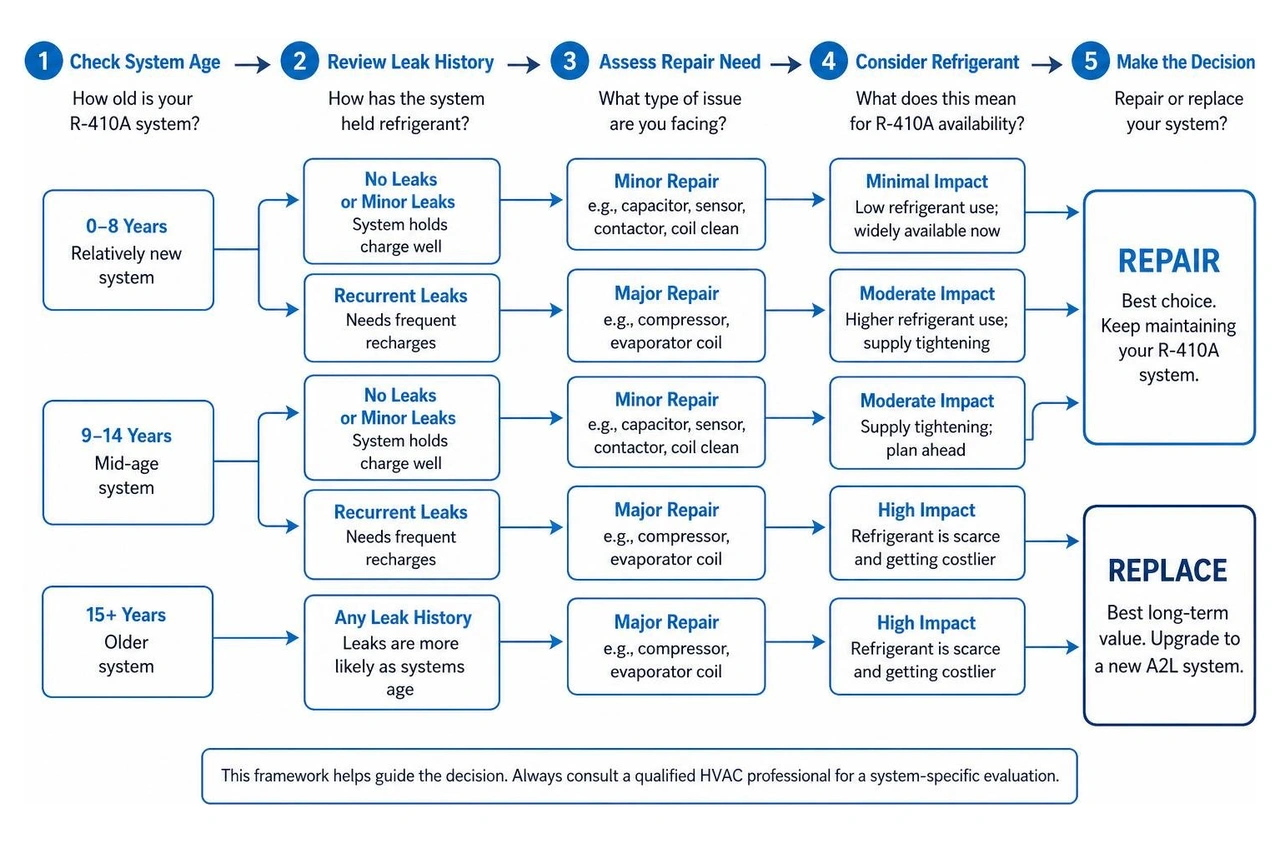
However, the regulatory shift changes the math on major repairs. If an older R-410A system develops a severe leak or suffers a compressor failure, you must weigh the expense of sourcing increasingly scarce refrigerant against the long-term value of upgrading to a modern system.
To maximize the lifespan of your current R-410A unit and avoid early failure, proactive maintenance is your best defense. Keeping coils clean, replacing filters, and addressing minor issues before they turn into major leaks will keep your system running reliably. To understand what our technicians look for during these visits, read our AC Maintenance Visit Complete Guide.
As the industry transitions away from R-410A, the new standard for residential cooling relies on a class of gases known as A2L refrigerants. The most common A2L options used by major manufacturers in 2026 are R-454B and R-32.
The term “A2L” refers to the safety classification designated by ASHRAE Standard 34:
• A (Toxicity): Indicates low toxicity, meaning these gases are safe for residential use and pose no unusual health hazards during normal operation.
• 2L (Flammability): Indicates that the refrigerant is “mildly flammable” with a slow flame propagation speed.
While the word “flammable” can sound alarming to a homeowner, the safety profile of A2L refrigerants is exceptionally high. They are incredibly difficult to ignite. In fact, standard household items like hairspray, aerosol cooking sprays, rubbing alcohol, and even WD-40 are significantly more flammable than A2L refrigerants. To ignite an A2L gas, you would need a highly concentrated leak in a confined space combined with a continuous, high-energy open flame. Under normal residential operating conditions, the risk of ignition is practically non-existent.
Additionally, A2L refrigerants offer massive environmental benefits. They drastically lower global warming potential while delivering superior thermal performance, allowing modern air conditioners to cool your home using less energy.
• R-410A — ASHRAE Safety Class: A1 (Non-Flammable) — Global Warming Potential (GWP): 2,088 — GWP Reduction vs. R-410A: Baseline — Relative Flammability: None
• R-32 — ASHRAE Safety Class: A2L (Mildly Flammable) — Global Warming Potential (GWP): 675 — GWP Reduction vs. R-410A: 68% Reduction — Relative Flammability: Very Low (Slow Burning)
• R-454B — ASHRAE Safety Class: A2L (Mildly Flammable) — Global Warming Potential (GWP): 466 — GWP Reduction vs. R-410A: 78% Reduction — Relative Flammability: Very Low (Slow Burning)
To comply with updated building codes and safety standards (such as UL 60335-2-40), manufacturers have designed new A2L air conditioners with multi-layered, built-in safety mechanisms. These systems do not simply rely on the low flammability of the gas; they actively monitor themselves to prevent issues.
The primary safety features integrated into modern A2L systems include:
• Refrigerant Detection Systems (RDS): High-sensitivity sensors are placed inside the indoor evaporator coil cabinet. These sensors constantly monitor for the presence of refrigerant.
• Mitigation Boards: If a leak is detected, the sensor alerts an onboard mitigation control board.
• Automatic Blower Activation: Upon leak detection, the system automatically shuts down the outdoor compressor to stop the flow of refrigerant. Simultaneously, it turns on the indoor blower fan to run at 100% capacity. This safely disperses the escaping gas, diluting it far below any concentration level that could ever support ignition.
• Spark-Resistant Electrical Components: Contactors, relays, and switches within the system are sealed to prevent any electrical arcing that could act as an ignition source.
These advanced safety systems require specialized training and tools to service. Our technicians must calibrate these sensors and ensure the mitigation boards are communicating properly during routine visits. If you are curious about what goes on behind the scenes during a professional maintenance appointment, check out our detailed guide on What Does Professional AC Service Include.
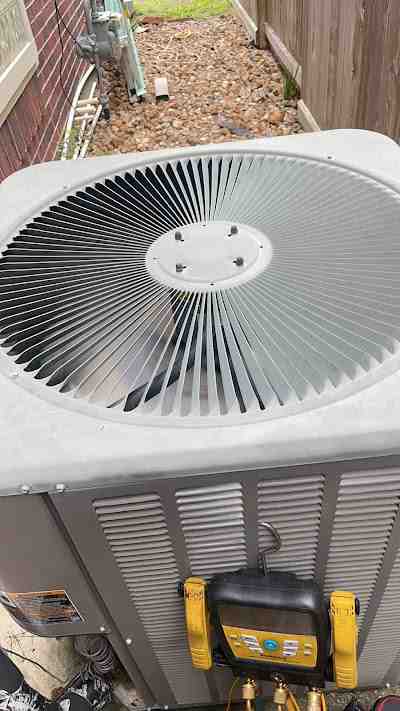
Living in Pinehurst, Spring, Tomball, or Cypress means dealing with intense summer heat and high relative humidity. Our local climate places immense stress on air conditioning systems. In Southeast Texas, a typical residential AC system runs up to 2.5 times more hours per year than the national average.
When an air conditioner runs this hard, keeping the refrigerant charge at its exact factory specification is critical. If your system is undercharged or overcharged, the compressor has to work much harder to reject heat, leading to premature wear, soaring energy bills, and a shortened system lifespan. You can learn more about how this occurs by reading How Improper Refrigerant Charge Reduces Your AC Lifespan.
With R-410A production declining, managing leaks in older systems requires a strategic approach. Simply “topping off” a leaking system without fixing the source of the leak is no longer a viable or environmentally responsible option. As R-410A supply tightens, the cost of the refrigerant will rise, making repeated recharges a major financial drain.
If your air conditioner develops a leak during this transition period, it is vital to recognize the warning signs early. Catching a leak before the system runs dry can save your compressor from catastrophic failure.
Look out for these classic signs of a refrigerant leak:
• Warm Air from Vents: If your system is running constantly but the air coming out of your registers feels lukewarm, it may be struggling to absorb heat.
• Ice on the Evaporator Coil or Refrigerant Lines: Low refrigerant pressures cause the coil temperature to drop below freezing, leading to moisture freezing directly onto the copper lines.
• Hissing or Bubbling Noises: A physical puncture or crack in the copper lines often produces an audible sound near the indoor or outdoor unit.
• Sudden Energy Bill Spikes: When refrigerant is low, your system must run much longer cycles to cool your home, consuming far more electricity.
If you live in our service area, we have localized troubleshooting guides to help you identify these issues. For specific steps, read our guide to Troubleshoot AC Refrigerant Leaks in Tomball or learn more about the physical indicators in Low Refrigerant Signs in Your AC System.
Navigating a major industry transition naturally brings up plenty of questions. Below, we answer the most common concerns we hear from homeowners in Pinehurst and the surrounding North Houston communities.
No. You cannot drain an existing R-410A system and refill it with R-454B or R-32. These systems are completely incompatible for several technical reasons:
• Operating Pressures: A2L refrigerants operate under different pressures and flow rates than R-410A.
• Lubricant Incompatibility: The synthetic oils used to lubricate R-410A compressors do not mix correctly with A2L gases.
• Missing Safety Controls: Older R-410A cabinets do not have the built-in leak detection sensors, mitigation boards, or spark-resistant electrical components required by modern safety codes for A2L use.
Attempting to retrofit an older system is highly unsafe, voids your manufacturer’s warranty, and violates EPA regulations. If you need to transition to a new refrigerant, a full system replacement is required.
Yes! Because modern A2L systems are engineered to meet strict new efficiency standards, upgrading is a great way to lower your energy bills while taking advantage of financial incentives.
Under the federal Energy Efficient Home Improvement Credit (Section 25C), homeowners can claim a tax credit of up to $2,000 for qualifying high-efficiency heat pumps, or up to $600 for qualifying central air conditioning units. Additionally, many local utility providers in the North Houston area offer rebates for installing ENERGY STAR certified equipment. When you combine these incentives with the 10-15% energy efficiency gains of modern A2L systems, upgrading an old, inefficient unit becomes a highly practical long-term investment.
Over the next several years, yes. The EPA’s phasedown schedule is designed to gradually reduce the supply of R-410A to encourage the adoption of cleaner technologies. While reclaimed R-410A will remain available to service existing units for years to come, the shrinking supply will naturally drive up the cost of repairs over time.
If your current air conditioner is relatively new and in good health, there is no need to worry. However, if your system is over 10 to 12 years old and faces a major repair, planning for an upgrade rather than investing in expensive, scarce refrigerant is often the smartest financial decision.
The 2026 refrigerant transition is a major step forward for environmental protection and home energy efficiency, but it does not have to be a source of stress. Whether you choose to keep maintaining your reliable R-410A system or decide it is time to upgrade to a highly efficient A2L unit, the key is having a trusted local partner to guide you.
At Air Comfort Solutions, we have served homeowners in Pinehurst, Magnolia, Tomball, Spring, and the surrounding North Harris County areas for over 35 years. Our certified, experienced technicians understand the unique demands of the Texas climate and are fully trained in the latest A2L safety standards and installation practices. We are here to provide honest, reliable solutions, upfront pricing, and flexible financing options to keep your home comfortable all year long.
Ready to evaluate your current system’s health, check for leaks, or discuss your upgrade options? Schedule your professional AC service today with the experts at Air Comfort Solutions, and let us help you prepare for a cooler, more efficient future.
How AC refrigerant changes affect homeowners is one of the most searched HVAC questions of 2026 — and if you own a home in Pinehurst, TX or anywhere in North Harris County, the answer directly impacts how you maintain, repair, or replace your cooling system.
Here is a quick summary so you can get the essential facts right away:
The short version: if your AC works, keep using it and maintain it well. If you are shopping for a new system, you will be buying A2L equipment. Either way, understanding what changed — and why — helps you make smarter decisions about your home comfort.
The shift is driven by the EPA's AIM Act, which targets high-GWP (global warming potential) refrigerants like R-410A. R-410A carries a GWP of 2,088 — meaning it traps significantly more heat in the atmosphere than newer alternatives. R-454B, now the primary refrigerant in new residential systems, has a GWP of just 466, representing a 78% reduction. This transition mirrors what happened when R-22 (Freon) was phased out starting in 2010 and fully banned from production in 2020 — a useful precedent for understanding what comes next for R-410A owners.
For homeowners in Pinehurst and the greater Harris County area, where air conditioners run hard through long, humid Texas summers, staying informed about these changes is not just smart — it is essential for avoiding costly surprises.
To fully grasp how ac refrigerant changes affect homeowners, it helps to understand the lifespan of these chemical compounds. Refrigerants do not get "used up" like fuel. In a perfectly sealed, closed-loop air conditioner, the same refrigerant circulates indefinitely, absorbing heat from your indoor air and releasing it outside.
However, older systems inevitably develop tiny structural leaks over time due to vibration, thermal expansion, or simple wear and tear. Historically, when a system leaked, a technician would find and seal the leak, then "recharge" the system using brand-new refrigerant (often called virgin supply).
Under the EPA’s AIM Act phase-down schedule, the production and import of virgin R-410A are being scaled back significantly. In 2026, virgin HFC production is capped at 60% of its historical baseline, with the mandate aiming for an 85% total reduction by 2036.
As virgin supply shrinks, the HVAC industry must rely heavily on reclaimed refrigerant. Reclaimed refrigerant is gas that has been recovered from older systems, sent to a certified processing facility, and chemically restored to meet the exact purity standards of brand-new refrigerant.
This process is highly effective. In fact, between 2000 and 2018, reclaimers successfully processed more than 140 million pounds of older HCFC-22 to keep legacy systems running long after its production ban. While reclaimed R-410A will keep older units operational, the shrinking supply of virgin gas means that repairing older systems will naturally become more complex and require careful planning. For a deeper look at the physical differences between these gases, explore our guide on R410A vs R454B Refrigerant: What You Need to Know.
If your home in Pinehurst, Magnolia, or Tomball currently uses an R-410A air conditioner, you do not need to panic. There is absolutely no law requiring you to tear out a perfectly functioning system. Your air conditioner remains completely legal to own, run, and repair.
The EPA regulations target the manufacturing and installation of new equipment, not the operation of units already in place. If your system is only five to eight years old and running beautifully, the most sensible financial move is to keep maintaining it.
However, the regulatory shift changes the math on major repairs. If an older R-410A system develops a severe leak or suffers a compressor failure, you must weigh the expense of sourcing increasingly scarce refrigerant against the long-term value of upgrading to a modern system.
To maximize the lifespan of your current R-410A unit and avoid early failure, proactive maintenance is your best defense. Keeping coils clean, replacing filters, and addressing minor issues before they turn into major leaks will keep your system running reliably. To understand what our technicians look for during these visits, read our AC Maintenance Visit Complete Guide.
As the industry transitions away from R-410A, the new standard for residential cooling relies on a class of gases known as A2L refrigerants. The most common A2L options used by major manufacturers in 2026 are R-454B and R-32.
The term "A2L" refers to the safety classification designated by ASHRAE Standard 34:
While the word "flammable" can sound alarming to a homeowner, the safety profile of A2L refrigerants is exceptionally high. They are incredibly difficult to ignite. In fact, standard household items like hairspray, aerosol cooking sprays, rubbing alcohol, and even WD-40 are significantly more flammable than A2L refrigerants. To ignite an A2L gas, you would need a highly concentrated leak in a confined space combined with a continuous, high-energy open flame. Under normal residential operating conditions, the risk of ignition is practically non-existent.
Additionally, A2L refrigerants offer massive environmental benefits. They drastically lower global warming potential while delivering superior thermal performance, allowing modern air conditioners to cool your home using less energy.
| Refrigerant Type | ASHRAE Safety Class | Global Warming Potential (GWP) | GWP Reduction vs. R-410A | Relative Flammability |
|---|---|---|---|---|
| R-410A | A1 (Non-Flammable) | 2,088 | Baseline | None |
| R-32 | A2L (Mildly Flammable) | 675 | 68% Reduction | Very Low (Slow Burning) |
| R-454B | A2L (Mildly Flammable) | 466 | 78% Reduction | Very Low (Slow Burning) |
To comply with updated building codes and safety standards (such as UL 60335-2-40), manufacturers have designed new A2L air conditioners with multi-layered, built-in safety mechanisms. These systems do not simply rely on the low flammability of the gas; they actively monitor themselves to prevent issues.
The primary safety features integrated into modern A2L systems include:
These advanced safety systems require specialized training and tools to service. Our technicians must calibrate these sensors and ensure the mitigation boards are communicating properly during routine visits. If you are curious about what goes on behind the scenes during a professional maintenance appointment, check out our detailed guide on What Does Professional AC Service Include.
Living in Pinehurst, Spring, Tomball, or Cypress means dealing with intense summer heat and high relative humidity. Our local climate places immense stress on air conditioning systems. In Southeast Texas, a typical residential AC system runs up to 2.5 times more hours per year than the national average.
When an air conditioner runs this hard, keeping the refrigerant charge at its exact factory specification is critical. If your system is undercharged or overcharged, the compressor has to work much harder to reject heat, leading to premature wear, soaring energy bills, and a shortened system lifespan. You can learn more about how this occurs by reading How Improper Refrigerant Charge Reduces Your AC Lifespan.
With R-410A production declining, managing leaks in older systems requires a strategic approach. Simply "topping off" a leaking system without fixing the source of the leak is no longer a viable or environmentally responsible option. As R-410A supply tightens, the cost of the refrigerant will rise, making repeated recharges a major financial drain.
If your air conditioner develops a leak during this transition period, it is vital to recognize the warning signs early. Catching a leak before the system runs dry can save your compressor from catastrophic failure.
Look out for these classic signs of a refrigerant leak:
If you live in our service area, we have localized troubleshooting guides to help you identify these issues. For specific steps, read our guide to Troubleshoot AC Refrigerant Leaks in Tomball or learn more about the physical indicators in Low Refrigerant Signs in Your AC System.
Navigating a major industry transition naturally brings up plenty of questions. Below, we answer the most common concerns we hear from homeowners in Pinehurst and the surrounding North Houston communities.
No. You cannot drain an existing R-410A system and refill it with R-454B or R-32. These systems are completely incompatible for several technical reasons:
Attempting to retrofit an older system is highly unsafe, voids your manufacturer's warranty, and violates EPA regulations. If you need to transition to a new refrigerant, a full system replacement is required.
Yes! Because modern A2L systems are engineered to meet strict new efficiency standards, upgrading is a great way to lower your energy bills while taking advantage of financial incentives.
Under the federal Energy Efficient Home Improvement Credit (Section 25C), homeowners can claim a tax credit of up to $2,000 for qualifying high-efficiency heat pumps, or up to $600 for qualifying central air conditioning units. Additionally, many local utility providers in the North Houston area offer rebates for installing ENERGY STAR certified equipment. When you combine these incentives with the 10-15% energy efficiency gains of modern A2L systems, upgrading an old, inefficient unit becomes a highly practical long-term investment.
Over the next several years, yes. The EPA’s phasedown schedule is designed to gradually reduce the supply of R-410A to encourage the adoption of cleaner technologies. While reclaimed R-410A will remain available to service existing units for years to come, the shrinking supply will naturally drive up the cost of repairs over time.
If your current air conditioner is relatively new and in good health, there is no need to worry. However, if your system is over 10 to 12 years old and faces a major repair, planning for an upgrade rather than investing in expensive, scarce refrigerant is often the smartest financial decision.
The 2026 refrigerant transition is a major step forward for environmental protection and home energy efficiency, but it does not have to be a source of stress. Whether you choose to keep maintaining your reliable R-410A system or decide it is time to upgrade to a highly efficient A2L unit, the key is having a trusted local partner to guide you.
At Air Comfort Pros, we have served homeowners in Pinehurst, Magnolia, Tomball, Spring, and the surrounding North Harris County areas for over 35 years. Our certified, experienced technicians understand the unique demands of the Texas climate and are fully trained in the latest A2L safety standards and installation practices. We are here to provide honest, reliable solutions, upfront pricing, and flexible financing options to keep your home comfortable all year long.
Ready to evaluate your current system's health, check for leaks, or discuss your upgrade options? Schedule your professional AC service today with the experts at Air Comfort Pros, and let us help you prepare for a cooler, more efficient future.
How AC refrigerant changes affect homeowners is one of the most searched HVAC questions of 2026 — and if you own a home in Pinehurst, TX or anywhere in North Harris County, the answer directly impacts how you maintain, repair, or replace your cooling system.
Here is a quick summary so you can get the essential facts right away:
The short version: if your AC works, keep using it and maintain it well. If you are shopping for a new system, you will be buying A2L equipment. Either way, understanding what changed — and why — helps you make smarter decisions about your home comfort.
The shift is driven by the EPA's AIM Act, which targets high-GWP (global warming potential) refrigerants like R-410A. R-410A carries a GWP of 2,088 — meaning it traps significantly more heat in the atmosphere than newer alternatives. R-454B, now the primary refrigerant in new residential systems, has a GWP of just 466, representing a 78% reduction. This transition mirrors what happened when R-22 (Freon) was phased out starting in 2010 and fully banned from production in 2020 — a useful precedent for understanding what comes next for R-410A owners.
For homeowners in Pinehurst and the greater Harris County area, where air conditioners run hard through long, humid Texas summers, staying informed about these changes is not just smart — it is essential for avoiding costly surprises.
To fully grasp how ac refrigerant changes affect homeowners, it helps to understand the lifespan of these chemical compounds. Refrigerants do not get "used up" like fuel. In a perfectly sealed, closed-loop air conditioner, the same refrigerant circulates indefinitely, absorbing heat from your indoor air and releasing it outside.
However, older systems inevitably develop tiny structural leaks over time due to vibration, thermal expansion, or simple wear and tear. Historically, when a system leaked, a technician would find and seal the leak, then "recharge" the system using brand-new refrigerant (often called virgin supply).
Under the EPA’s AIM Act phase-down schedule, the production and import of virgin R-410A are being scaled back significantly. In 2026, virgin HFC production is capped at 60% of its historical baseline, with the mandate aiming for an 85% total reduction by 2036.
As virgin supply shrinks, the HVAC industry must rely heavily on reclaimed refrigerant. Reclaimed refrigerant is gas that has been recovered from older systems, sent to a certified processing facility, and chemically restored to meet the exact purity standards of brand-new refrigerant.
This process is highly effective. In fact, between 2000 and 2018, reclaimers successfully processed more than 140 million pounds of older HCFC-22 to keep legacy systems running long after its production ban. While reclaimed R-410A will keep older units operational, the shrinking supply of virgin gas means that repairing older systems will naturally become more complex and require careful planning. For a deeper look at the physical differences between these gases, explore our guide on R410A vs R454B Refrigerant: What You Need to Know.
If your home in Pinehurst, Magnolia, or Tomball currently uses an R-410A air conditioner, you do not need to panic. There is absolutely no law requiring you to tear out a perfectly functioning system. Your air conditioner remains completely legal to own, run, and repair.
The EPA regulations target the manufacturing and installation of new equipment, not the operation of units already in place. If your system is only five to eight years old and running beautifully, the most sensible financial move is to keep maintaining it.
However, the regulatory shift changes the math on major repairs. If an older R-410A system develops a severe leak or suffers a compressor failure, you must weigh the expense of sourcing increasingly scarce refrigerant against the long-term value of upgrading to a modern system.
To maximize the lifespan of your current R-410A unit and avoid early failure, proactive maintenance is your best defense. Keeping coils clean, replacing filters, and addressing minor issues before they turn into major leaks will keep your system running reliably. To understand what our technicians look for during these visits, read our AC Maintenance Visit Complete Guide.
As the industry transitions away from R-410A, the new standard for residential cooling relies on a class of gases known as A2L refrigerants. The most common A2L options used by major manufacturers in 2026 are R-454B and R-32.
The term "A2L" refers to the safety classification designated by ASHRAE Standard 34:
While the word "flammable" can sound alarming to a homeowner, the safety profile of A2L refrigerants is exceptionally high. They are incredibly difficult to ignite. In fact, standard household items like hairspray, aerosol cooking sprays, rubbing alcohol, and even WD-40 are significantly more flammable than A2L refrigerants. To ignite an A2L gas, you would need a highly concentrated leak in a confined space combined with a continuous, high-energy open flame. Under normal residential operating conditions, the risk of ignition is practically non-existent.
Additionally, A2L refrigerants offer massive environmental benefits. They drastically lower global warming potential while delivering superior thermal performance, allowing modern air conditioners to cool your home using less energy.
| Refrigerant Type | ASHRAE Safety Class | Global Warming Potential (GWP) | GWP Reduction vs. R-410A | Relative Flammability |
|---|---|---|---|---|
| R-410A | A1 (Non-Flammable) | 2,088 | Baseline | None |
| R-32 | A2L (Mildly Flammable) | 675 | 68% Reduction | Very Low (Slow Burning) |
| R-454B | A2L (Mildly Flammable) | 466 | 78% Reduction | Very Low (Slow Burning) |
To comply with updated building codes and safety standards (such as UL 60335-2-40), manufacturers have designed new A2L air conditioners with multi-layered, built-in safety mechanisms. These systems do not simply rely on the low flammability of the gas; they actively monitor themselves to prevent issues.
The primary safety features integrated into modern A2L systems include:
These advanced safety systems require specialized training and tools to service. Our technicians must calibrate these sensors and ensure the mitigation boards are communicating properly during routine visits. If you are curious about what goes on behind the scenes during a professional maintenance appointment, check out our detailed guide on What Does Professional AC Service Include.
Living in Pinehurst, Spring, Tomball, or Cypress means dealing with intense summer heat and high relative humidity. Our local climate places immense stress on air conditioning systems. In Southeast Texas, a typical residential AC system runs up to 2.5 times more hours per year than the national average.
When an air conditioner runs this hard, keeping the refrigerant charge at its exact factory specification is critical. If your system is undercharged or overcharged, the compressor has to work much harder to reject heat, leading to premature wear, soaring energy bills, and a shortened system lifespan. You can learn more about how this occurs by reading How Improper Refrigerant Charge Reduces Your AC Lifespan.
With R-410A production declining, managing leaks in older systems requires a strategic approach. Simply "topping off" a leaking system without fixing the source of the leak is no longer a viable or environmentally responsible option. As R-410A supply tightens, the cost of the refrigerant will rise, making repeated recharges a major financial drain.
If your air conditioner develops a leak during this transition period, it is vital to recognize the warning signs early. Catching a leak before the system runs dry can save your compressor from catastrophic failure.
Look out for these classic signs of a refrigerant leak:
If you live in our service area, we have localized troubleshooting guides to help you identify these issues. For specific steps, read our guide to Troubleshoot AC Refrigerant Leaks in Tomball or learn more about the physical indicators in Low Refrigerant Signs in Your AC System.
Navigating a major industry transition naturally brings up plenty of questions. Below, we answer the most common concerns we hear from homeowners in Pinehurst and the surrounding North Houston communities.
No. You cannot drain an existing R-410A system and refill it with R-454B or R-32. These systems are completely incompatible for several technical reasons:
Attempting to retrofit an older system is highly unsafe, voids your manufacturer's warranty, and violates EPA regulations. If you need to transition to a new refrigerant, a full system replacement is required.
Yes! Because modern A2L systems are engineered to meet strict new efficiency standards, upgrading is a great way to lower your energy bills while taking advantage of financial incentives.
Under the federal Energy Efficient Home Improvement Credit (Section 25C), homeowners can claim a tax credit of up to $2,000 for qualifying high-efficiency heat pumps, or up to $600 for qualifying central air conditioning units. Additionally, many local utility providers in the North Houston area offer rebates for installing ENERGY STAR certified equipment. When you combine these incentives with the 10-15% energy efficiency gains of modern A2L systems, upgrading an old, inefficient unit becomes a highly practical long-term investment.
Over the next several years, yes. The EPA’s phasedown schedule is designed to gradually reduce the supply of R-410A to encourage the adoption of cleaner technologies. While reclaimed R-410A will remain available to service existing units for years to come, the shrinking supply will naturally drive up the cost of repairs over time.
If your current air conditioner is relatively new and in good health, there is no need to worry. However, if your system is over 10 to 12 years old and faces a major repair, planning for an upgrade rather than investing in expensive, scarce refrigerant is often the smartest financial decision.
The 2026 refrigerant transition is a major step forward for environmental protection and home energy efficiency, but it does not have to be a source of stress. Whether you choose to keep maintaining your reliable R-410A system or decide it is time to upgrade to a highly efficient A2L unit, the key is having a trusted local partner to guide you.
At Air Comfort Pros, we have served homeowners in Pinehurst, Magnolia, Tomball, Spring, and the surrounding North Harris County areas for over 35 years. Our certified, experienced technicians understand the unique demands of the Texas climate and are fully trained in the latest A2L safety standards and installation practices. We are here to provide honest, reliable solutions, upfront pricing, and flexible financing options to keep your home comfortable all year long.
Ready to evaluate your current system's health, check for leaks, or discuss your upgrade options? Schedule your professional AC service today with the experts at Air Comfort Pros, and let us help you prepare for a cooler, more efficient future.
How AC refrigerant changes affect homeowners is one of the most searched HVAC questions of 2026 — and if you own a home in Pinehurst, TX or anywhere in North Harris County, the answer directly impacts how you maintain, repair, or replace your cooling system.
Here is a quick summary so you can get the essential facts right away:
The short version: if your AC works, keep using it and maintain it well. If you are shopping for a new system, you will be buying A2L equipment. Either way, understanding what changed — and why — helps you make smarter decisions about your home comfort.
The shift is driven by the EPA's AIM Act, which targets high-GWP (global warming potential) refrigerants like R-410A. R-410A carries a GWP of 2,088 — meaning it traps significantly more heat in the atmosphere than newer alternatives. R-454B, now the primary refrigerant in new residential systems, has a GWP of just 466, representing a 78% reduction. This transition mirrors what happened when R-22 (Freon) was phased out starting in 2010 and fully banned from production in 2020 — a useful precedent for understanding what comes next for R-410A owners.
For homeowners in Pinehurst and the greater Harris County area, where air conditioners run hard through long, humid Texas summers, staying informed about these changes is not just smart — it is essential for avoiding costly surprises.
To fully grasp how ac refrigerant changes affect homeowners, it helps to understand the lifespan of these chemical compounds. Refrigerants do not get "used up" like fuel. In a perfectly sealed, closed-loop air conditioner, the same refrigerant circulates indefinitely, absorbing heat from your indoor air and releasing it outside.
However, older systems inevitably develop tiny structural leaks over time due to vibration, thermal expansion, or simple wear and tear. Historically, when a system leaked, a technician would find and seal the leak, then "recharge" the system using brand-new refrigerant (often called virgin supply).
Under the EPA’s AIM Act phase-down schedule, the production and import of virgin R-410A are being scaled back significantly. In 2026, virgin HFC production is capped at 60% of its historical baseline, with the mandate aiming for an 85% total reduction by 2036.
As virgin supply shrinks, the HVAC industry must rely heavily on reclaimed refrigerant. Reclaimed refrigerant is gas that has been recovered from older systems, sent to a certified processing facility, and chemically restored to meet the exact purity standards of brand-new refrigerant.
This process is highly effective. In fact, between 2000 and 2018, reclaimers successfully processed more than 140 million pounds of older HCFC-22 to keep legacy systems running long after its production ban. While reclaimed R-410A will keep older units operational, the shrinking supply of virgin gas means that repairing older systems will naturally become more complex and require careful planning. For a deeper look at the physical differences between these gases, explore our guide on R410A vs R454B Refrigerant: What You Need to Know.
If your home in Pinehurst, Magnolia, or Tomball currently uses an R-410A air conditioner, you do not need to panic. There is absolutely no law requiring you to tear out a perfectly functioning system. Your air conditioner remains completely legal to own, run, and repair.
The EPA regulations target the manufacturing and installation of new equipment, not the operation of units already in place. If your system is only five to eight years old and running beautifully, the most sensible financial move is to keep maintaining it.
However, the regulatory shift changes the math on major repairs. If an older R-410A system develops a severe leak or suffers a compressor failure, you must weigh the expense of sourcing increasingly scarce refrigerant against the long-term value of upgrading to a modern system.
To maximize the lifespan of your current R-410A unit and avoid early failure, proactive maintenance is your best defense. Keeping coils clean, replacing filters, and addressing minor issues before they turn into major leaks will keep your system running reliably. To understand what our technicians look for during these visits, read our AC Maintenance Visit Complete Guide.
As the industry transitions away from R-410A, the new standard for residential cooling relies on a class of gases known as A2L refrigerants. The most common A2L options used by major manufacturers in 2026 are R-454B and R-32.
The term "A2L" refers to the safety classification designated by ASHRAE Standard 34:
While the word "flammable" can sound alarming to a homeowner, the safety profile of A2L refrigerants is exceptionally high. They are incredibly difficult to ignite. In fact, standard household items like hairspray, aerosol cooking sprays, rubbing alcohol, and even WD-40 are significantly more flammable than A2L refrigerants. To ignite an A2L gas, you would need a highly concentrated leak in a confined space combined with a continuous, high-energy open flame. Under normal residential operating conditions, the risk of ignition is practically non-existent.
Additionally, A2L refrigerants offer massive environmental benefits. They drastically lower global warming potential while delivering superior thermal performance, allowing modern air conditioners to cool your home using less energy.
| Refrigerant Type | ASHRAE Safety Class | Global Warming Potential (GWP) | GWP Reduction vs. R-410A | Relative Flammability |
|---|---|---|---|---|
| R-410A | A1 (Non-Flammable) | 2,088 | Baseline | None |
| R-32 | A2L (Mildly Flammable) | 675 | 68% Reduction | Very Low (Slow Burning) |
| R-454B | A2L (Mildly Flammable) | 466 | 78% Reduction | Very Low (Slow Burning) |
To comply with updated building codes and safety standards (such as UL 60335-2-40), manufacturers have designed new A2L air conditioners with multi-layered, built-in safety mechanisms. These systems do not simply rely on the low flammability of the gas; they actively monitor themselves to prevent issues.
The primary safety features integrated into modern A2L systems include:
These advanced safety systems require specialized training and tools to service. Our technicians must calibrate these sensors and ensure the mitigation boards are communicating properly during routine visits. If you are curious about what goes on behind the scenes during a professional maintenance appointment, check out our detailed guide on What Does Professional AC Service Include.
Living in Pinehurst, Spring, Tomball, or Cypress means dealing with intense summer heat and high relative humidity. Our local climate places immense stress on air conditioning systems. In Southeast Texas, a typical residential AC system runs up to 2.5 times more hours per year than the national average.
When an air conditioner runs this hard, keeping the refrigerant charge at its exact factory specification is critical. If your system is undercharged or overcharged, the compressor has to work much harder to reject heat, leading to premature wear, soaring energy bills, and a shortened system lifespan. You can learn more about how this occurs by reading How Improper Refrigerant Charge Reduces Your AC Lifespan.
With R-410A production declining, managing leaks in older systems requires a strategic approach. Simply "topping off" a leaking system without fixing the source of the leak is no longer a viable or environmentally responsible option. As R-410A supply tightens, the cost of the refrigerant will rise, making repeated recharges a major financial drain.
If your air conditioner develops a leak during this transition period, it is vital to recognize the warning signs early. Catching a leak before the system runs dry can save your compressor from catastrophic failure.
Look out for these classic signs of a refrigerant leak:
If you live in our service area, we have localized troubleshooting guides to help you identify these issues. For specific steps, read our guide to Troubleshoot AC Refrigerant Leaks in Tomball or learn more about the physical indicators in Low Refrigerant Signs in Your AC System.
Navigating a major industry transition naturally brings up plenty of questions. Below, we answer the most common concerns we hear from homeowners in Pinehurst and the surrounding North Houston communities.
No. You cannot drain an existing R-410A system and refill it with R-454B or R-32. These systems are completely incompatible for several technical reasons:
Attempting to retrofit an older system is highly unsafe, voids your manufacturer's warranty, and violates EPA regulations. If you need to transition to a new refrigerant, a full system replacement is required.
Yes! Because modern A2L systems are engineered to meet strict new efficiency standards, upgrading is a great way to lower your energy bills while taking advantage of financial incentives.
Under the federal Energy Efficient Home Improvement Credit (Section 25C), homeowners can claim a tax credit of up to $2,000 for qualifying high-efficiency heat pumps, or up to $600 for qualifying central air conditioning units. Additionally, many local utility providers in the North Houston area offer rebates for installing ENERGY STAR certified equipment. When you combine these incentives with the 10-15% energy efficiency gains of modern A2L systems, upgrading an old, inefficient unit becomes a highly practical long-term investment.
Over the next several years, yes. The EPA’s phasedown schedule is designed to gradually reduce the supply of R-410A to encourage the adoption of cleaner technologies. While reclaimed R-410A will remain available to service existing units for years to come, the shrinking supply will naturally drive up the cost of repairs over time.
If your current air conditioner is relatively new and in good health, there is no need to worry. However, if your system is over 10 to 12 years old and faces a major repair, planning for an upgrade rather than investing in expensive, scarce refrigerant is often the smartest financial decision.
The 2026 refrigerant transition is a major step forward for environmental protection and home energy efficiency, but it does not have to be a source of stress. Whether you choose to keep maintaining your reliable R-410A system or decide it is time to upgrade to a highly efficient A2L unit, the key is having a trusted local partner to guide you.
At Air Comfort Pros, we have served homeowners in Pinehurst, Magnolia, Tomball, Spring, and the surrounding North Harris County areas for over 35 years. Our certified, experienced technicians understand the unique demands of the Texas climate and are fully trained in the latest A2L safety standards and installation practices. We are here to provide honest, reliable solutions, upfront pricing, and flexible financing options to keep your home comfortable all year long.
Ready to evaluate your current system's health, check for leaks, or discuss your upgrade options? Schedule your professional AC service today with the experts at Air Comfort Pros, and let us help you prepare for a cooler, more efficient future.
How AC refrigerant changes affect homeowners is one of the most searched HVAC questions of 2026 — and if you own a home in Pinehurst, TX or anywhere in North Harris County, the answer directly impacts how you maintain, repair, or replace your cooling system.
Here is a quick summary so you can get the essential facts right away:
The short version: if your AC works, keep using it and maintain it well. If you are shopping for a new system, you will be buying A2L equipment. Either way, understanding what changed — and why — helps you make smarter decisions about your home comfort.
The shift is driven by the EPA's AIM Act, which targets high-GWP (global warming potential) refrigerants like R-410A. R-410A carries a GWP of 2,088 — meaning it traps significantly more heat in the atmosphere than newer alternatives. R-454B, now the primary refrigerant in new residential systems, has a GWP of just 466, representing a 78% reduction. This transition mirrors what happened when R-22 (Freon) was phased out starting in 2010 and fully banned from production in 2020 — a useful precedent for understanding what comes next for R-410A owners.
For homeowners in Pinehurst and the greater Harris County area, where air conditioners run hard through long, humid Texas summers, staying informed about these changes is not just smart — it is essential for avoiding costly surprises.
To fully grasp how ac refrigerant changes affect homeowners, it helps to understand the lifespan of these chemical compounds. Refrigerants do not get "used up" like fuel. In a perfectly sealed, closed-loop air conditioner, the same refrigerant circulates indefinitely, absorbing heat from your indoor air and releasing it outside.
However, older systems inevitably develop tiny structural leaks over time due to vibration, thermal expansion, or simple wear and tear. Historically, when a system leaked, a technician would find and seal the leak, then "recharge" the system using brand-new refrigerant (often called virgin supply).
Under the EPA’s AIM Act phase-down schedule, the production and import of virgin R-410A are being scaled back significantly. In 2026, virgin HFC production is capped at 60% of its historical baseline, with the mandate aiming for an 85% total reduction by 2036.
As virgin supply shrinks, the HVAC industry must rely heavily on reclaimed refrigerant. Reclaimed refrigerant is gas that has been recovered from older systems, sent to a certified processing facility, and chemically restored to meet the exact purity standards of brand-new refrigerant.
This process is highly effective. In fact, between 2000 and 2018, reclaimers successfully processed more than 140 million pounds of older HCFC-22 to keep legacy systems running long after its production ban. While reclaimed R-410A will keep older units operational, the shrinking supply of virgin gas means that repairing older systems will naturally become more complex and require careful planning. For a deeper look at the physical differences between these gases, explore our guide on R410A vs R454B Refrigerant: What You Need to Know.
If your home in Pinehurst, Magnolia, or Tomball currently uses an R-410A air conditioner, you do not need to panic. There is absolutely no law requiring you to tear out a perfectly functioning system. Your air conditioner remains completely legal to own, run, and repair.
The EPA regulations target the manufacturing and installation of new equipment, not the operation of units already in place. If your system is only five to eight years old and running beautifully, the most sensible financial move is to keep maintaining it.
However, the regulatory shift changes the math on major repairs. If an older R-410A system develops a severe leak or suffers a compressor failure, you must weigh the expense of sourcing increasingly scarce refrigerant against the long-term value of upgrading to a modern system.
To maximize the lifespan of your current R-410A unit and avoid early failure, proactive maintenance is your best defense. Keeping coils clean, replacing filters, and addressing minor issues before they turn into major leaks will keep your system running reliably. To understand what our technicians look for during these visits, read our AC Maintenance Visit Complete Guide.
As the industry transitions away from R-410A, the new standard for residential cooling relies on a class of gases known as A2L refrigerants. The most common A2L options used by major manufacturers in 2026 are R-454B and R-32.
The term "A2L" refers to the safety classification designated by ASHRAE Standard 34:
While the word "flammable" can sound alarming to a homeowner, the safety profile of A2L refrigerants is exceptionally high. They are incredibly difficult to ignite. In fact, standard household items like hairspray, aerosol cooking sprays, rubbing alcohol, and even WD-40 are significantly more flammable than A2L refrigerants. To ignite an A2L gas, you would need a highly concentrated leak in a confined space combined with a continuous, high-energy open flame. Under normal residential operating conditions, the risk of ignition is practically non-existent.
Additionally, A2L refrigerants offer massive environmental benefits. They drastically lower global warming potential while delivering superior thermal performance, allowing modern air conditioners to cool your home using less energy.
| Refrigerant Type | ASHRAE Safety Class | Global Warming Potential (GWP) | GWP Reduction vs. R-410A | Relative Flammability |
|---|---|---|---|---|
| R-410A | A1 (Non-Flammable) | 2,088 | Baseline | None |
| R-32 | A2L (Mildly Flammable) | 675 | 68% Reduction | Very Low (Slow Burning) |
| R-454B | A2L (Mildly Flammable) | 466 | 78% Reduction | Very Low (Slow Burning) |
To comply with updated building codes and safety standards (such as UL 60335-2-40), manufacturers have designed new A2L air conditioners with multi-layered, built-in safety mechanisms. These systems do not simply rely on the low flammability of the gas; they actively monitor themselves to prevent issues.
The primary safety features integrated into modern A2L systems include:
These advanced safety systems require specialized training and tools to service. Our technicians must calibrate these sensors and ensure the mitigation boards are communicating properly during routine visits. If you are curious about what goes on behind the scenes during a professional maintenance appointment, check out our detailed guide on What Does Professional AC Service Include.
Living in Pinehurst, Spring, Tomball, or Cypress means dealing with intense summer heat and high relative humidity. Our local climate places immense stress on air conditioning systems. In Southeast Texas, a typical residential AC system runs up to 2.5 times more hours per year than the national average.
When an air conditioner runs this hard, keeping the refrigerant charge at its exact factory specification is critical. If your system is undercharged or overcharged, the compressor has to work much harder to reject heat, leading to premature wear, soaring energy bills, and a shortened system lifespan. You can learn more about how this occurs by reading How Improper Refrigerant Charge Reduces Your AC Lifespan.
With R-410A production declining, managing leaks in older systems requires a strategic approach. Simply "topping off" a leaking system without fixing the source of the leak is no longer a viable or environmentally responsible option. As R-410A supply tightens, the cost of the refrigerant will rise, making repeated recharges a major financial drain.
If your air conditioner develops a leak during this transition period, it is vital to recognize the warning signs early. Catching a leak before the system runs dry can save your compressor from catastrophic failure.
Look out for these classic signs of a refrigerant leak:
If you live in our service area, we have localized troubleshooting guides to help you identify these issues. For specific steps, read our guide to Troubleshoot AC Refrigerant Leaks in Tomball or learn more about the physical indicators in Low Refrigerant Signs in Your AC System.
Navigating a major industry transition naturally brings up plenty of questions. Below, we answer the most common concerns we hear from homeowners in Pinehurst and the surrounding North Houston communities.
No. You cannot drain an existing R-410A system and refill it with R-454B or R-32. These systems are completely incompatible for several technical reasons:
Attempting to retrofit an older system is highly unsafe, voids your manufacturer's warranty, and violates EPA regulations. If you need to transition to a new refrigerant, a full system replacement is required.
Yes! Because modern A2L systems are engineered to meet strict new efficiency standards, upgrading is a great way to lower your energy bills while taking advantage of financial incentives.
Under the federal Energy Efficient Home Improvement Credit (Section 25C), homeowners can claim a tax credit of up to $2,000 for qualifying high-efficiency heat pumps, or up to $600 for qualifying central air conditioning units. Additionally, many local utility providers in the North Houston area offer rebates for installing ENERGY STAR certified equipment. When you combine these incentives with the 10-15% energy efficiency gains of modern A2L systems, upgrading an old, inefficient unit becomes a highly practical long-term investment.
Over the next several years, yes. The EPA’s phasedown schedule is designed to gradually reduce the supply of R-410A to encourage the adoption of cleaner technologies. While reclaimed R-410A will remain available to service existing units for years to come, the shrinking supply will naturally drive up the cost of repairs over time.
If your current air conditioner is relatively new and in good health, there is no need to worry. However, if your system is over 10 to 12 years old and faces a major repair, planning for an upgrade rather than investing in expensive, scarce refrigerant is often the smartest financial decision.
The 2026 refrigerant transition is a major step forward for environmental protection and home energy efficiency, but it does not have to be a source of stress. Whether you choose to keep maintaining your reliable R-410A system or decide it is time to upgrade to a highly efficient A2L unit, the key is having a trusted local partner to guide you.
At Air Comfort Pros, we have served homeowners in Pinehurst, Magnolia, Tomball, Spring, and the surrounding North Harris County areas for over 35 years. Our certified, experienced technicians understand the unique demands of the Texas climate and are fully trained in the latest A2L safety standards and installation practices. We are here to provide honest, reliable solutions, upfront pricing, and flexible financing options to keep your home comfortable all year long.
Ready to evaluate your current system's health, check for leaks, or discuss your upgrade options? Schedule your professional AC service today with the experts at Air Comfort Pros, and let us help you prepare for a cooler, more efficient future.


Zane came out and did an amazing job! Super friendly, honest and transparent about the work that needed to be done. This is my second time working with Air Comfort Solutions and they’re my go to for HVAC services. Highly recommend.
God's AMAZING grace sent us Robert and Zane. We have been without air in this Texas heat for six weeks and four days. We've had a few contractors give us quotes all trying to upsell when we're at a low point. But not the guys at Air Comfort Solutions. They came in assessed our situation, gave us honest feedback, and showed us the issues as they proceeded with the assessment for clear understanding. We highly recommend them for their professionalism, quality products, and fair pricing. We hands down support them for all the work they do 💯 %.
Robert and Zane gone above and beyond to make the process easy and affordable.
Would definitely recommend!!
I’m writing this review to let everyone know that Air Comfort Solutions is the company to work with. I know the owner ( Robert) for several years now. He has been taking care of my residential and business work orders. Robert is professional, knowledgeable and will save you money. I just want to thank Robert for great job you have been doing for me.


