Burning Smell on Fall Startup? When to Call for 24 Hour AC Repair
Why we always check for dust burn-off first. Review our home maintenance tips and troubleshooting advice to decide if that fall HVAC smell needs a pro.
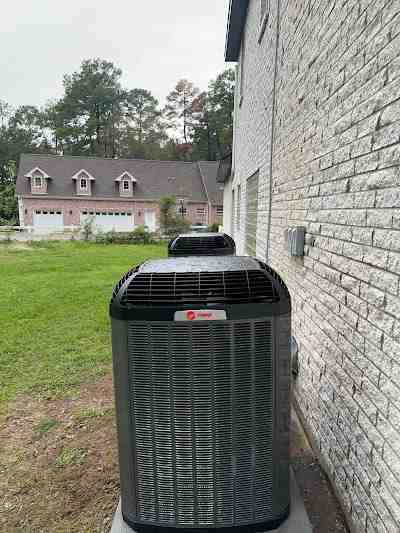
How does a heat pump work is one of the most common questions homeowners ask when shopping for a more efficient heating and cooling system — and for good reason. Unlike a gas furnace or electric resistance heater that generates heat by burning fuel or glowing metal elements, a heat pump simply moves heat from one place to another using a small amount of electricity. That single difference is why heat pumps can deliver 3 to 5 times more energy than they consume.
Here is a quick answer:
How a Heat Pump Works — At a Glance
1. Refrigerant absorbs heat from outdoor air (or the ground) through a coil called the evaporator
2. The compressor pressurizes the refrigerant, raising its temperature significantly
3. The condenser releases that heat into your home through an indoor coil
4. The expansion valve drops the pressure, cooling the refrigerant back down so the cycle repeats
5. A reversing valve switches the flow so the same system can cool your home in summer
In summer, the process runs in the standard direction — pulling heat out of your home and dumping it outside. In winter, it runs in reverse — pulling heat from outdoor air and delivering it inside. Even on a cold day, there is enough heat energy in the air for the refrigerant to absorb and transfer indoors.
For homeowners in North Harris County dealing with rising energy bills and unpredictable Texas weather, understanding this basic mechanic helps explain why so many households are making the switch right now.

To understand the magic of these systems, we have to look at the vapor-compression cycle. This is the same scientific principle that keeps your milk cold in the refrigerator, but a heat pump applies it to your entire home. The "secret sauce" is the refrigerant—a special fluid that can boil at incredibly low temperatures.
In any heat pump system, we deal with a "heat source" and a "heat sink." In the winter, the outdoor air is the source, and your living room is the sink. In the summer, your hot hallway is the source, and the Texas sky is the sink. By manipulating the pressure of the refrigerant, we can force heat to flow "uphill" from a cold area to a warm one. This is why we call it a "pump"—it is literally pumping thermal energy against its natural flow.
If you are considering an upgrade to your home's comfort, our Heat Pump Services can help you determine the best fit for your specific property layout in Pinehurst or Spring.
In the middle of a July afternoon in Houston, your heat pump acts exactly like a traditional air conditioner. The indoor unit contains an evaporator coil. As warm air from your home is blown over this coil, the cold, liquid refrigerant inside absorbs the heat.
Because the refrigerant has a very low boiling point, it quickly turns into a low-pressure gas. This gas carries the "stolen" heat away from your living space and travels to the outdoor unit. Once outside, the condenser coil releases that heat into the environment. If your system is struggling to keep up with the humidity or the heat, you might need Heat Pump Repair Tomball TX to ensure your refrigerant levels and coils are in top shape.
This is where things get interesting. When you flip your thermostat to "Heat," a component called the reversing valve switches the direction of the refrigerant. Now, the outdoor coil acts as the evaporator.
It might feel freezing outside, but unless it is -459°F (absolute zero), there is still heat energy in the air. The refrigerant absorbs this ambient heat, turns into a gas, and is then squeezed by the compressor. Squeezing the gas makes it incredibly hot—hot enough to warm your home even when it’s 30°F outside. To keep this reverse cycle running efficiently throughout the winter months, we recommend regular Heat Pump Maintenance Tomball TX.
Every heat pump relies on four heavy hitters to get the job done. If one of these fails, the whole cycle grinds to a halt:
1. The Compressor: Often called the "heart" of the system, this component uses electricity to squeeze the refrigerant gas. Increasing the pressure increases the temperature.
2. The Condenser Coil: This is where the refrigerant gives up its heat. In heating mode, this is your indoor coil; in cooling mode, it’s the outdoor one.
3. The Expansion Valve: Think of this as a nozzle. It allows the high-pressure liquid to expand into a low-pressure area, which causes the temperature to plummet instantly.
4. The Evaporator Coil: This is the "sponge" that soaks up heat from the air.
Because these parts work so hard, especially in our humid climate, joining a Maintenance Plan is the smartest way to prevent a mid-season breakdown.
Refrigerant is the messenger that carries heat back and forth. It exploits a principle called "latent heat." When a substance changes phase (like liquid to gas), it absorbs a massive amount of energy without necessarily changing its own temperature.
In April 2026, most modern systems use R-410A or newer, more environmentally friendly alternatives with lower boiling points. These fluids are designed to be stable and efficient. however, if you notice a puddle around your unit, you should check out our guide on Heat Pump Leaking Water to see if it’s just condensation or a more serious refrigerant leak.
When we talk about efficiency, we use a few key metrics. As of 2026, the standards have become quite rigorous to help homeowners save more on their monthly bills.
• COP (Coefficient of Performance): This is a simple ratio. If a heat pump has a COP of 4, it means for every 1 kWh of electricity you pay for, you get 4 kWh of heat. That is 400% efficiency!
• SEER2 (Seasonal Energy Efficiency Ratio): This measures cooling efficiency over a typical season. High-end models in 2026 can reach up to 24 SEER2.
• HSPF2 (Heating Seasonal Performance Factor): This measures heating efficiency. A rating of 8 to 10 is excellent for our region.
• Heat Pump — Efficiency Rating: COP 3.0 - 5.0 — Energy Output per 1 kWh: 3.0 - 5.0 kWh
• Gas Boiler — Efficiency Rating: 90% - 95% AFUE — Energy Output per 1 kWh: 0.9 - 0.95 kWh
• Electric Heater — Efficiency Rating: 100% — Energy Output per 1 kWh: 1.0 kWh
As the table shows, a heat pump is significantly more effective than traditional methods. If you are ready to upgrade, we specialize in Heat Pump Installation Spring TX to ensure your system is sized perfectly for your square footage.
By moving heat instead of burning fossil fuels, heat pumps drastically reduce your home's carbon footprint. In countries with clean electricity grids, emissions savings can reach up to 80%.
Furthermore, the Inflation Reduction Act (IRA) has made these systems more accessible than ever. American households are currently eligible for a tax credit of up to $2,000 for installing a heat pump. For low-to-moderate income families in areas like Magnolia or Conroe, rebates can reach as high as $8,000. If your old furnace is on its last legs, Heat Pump Replacement Magnolia TX might actually be your most cost-effective long-term move.
Yes! While older models struggled when the mercury dipped below 25°F, modern "cold climate" heat pumps are a different breed. Many models can now operate efficiently down to -22°F.
In our part of Texas, we rarely see those extremes, but we do get frost. You might notice your outdoor unit occasionally blowing steam or making a loud humming noise—this is just "Defrost Mode." The system temporarily reverses to melt ice off the outdoor coils so it can keep breathing. To understand more about how these cycles affect your system, read about What Do Heat Pump Maintenance Visits Include.
The only major physical difference is the reversing valve. A standard AC is a one-way street; it only moves heat out. A heat pump is a two-way street. This makes it a year-round comfort solution. Because they use the same technology, they are just as good at dehumidifying your home during a muggy Houston summer as a dedicated AC. If you are having trouble with your current unit, our Best Heat Pump Repair Tips Tomball TX can help you troubleshoot before the pros arrive.
With proper care, a quality heat pump should last between 15 and 25 years. Because the outdoor unit runs year-round (unlike a furnace which rests in summer or an AC which rests in winter), maintenance is non-negotiable. Regular filter changes and annual inspections are the best way to protect your investment. For more advice on getting the most out of your unit, check out our Best Heat Pump Installation Tomball Guide.
Understanding how does a heat pump work reveals why this technology is the future of home comfort. By leveraging the laws of physics to move heat rather than create it, you can enjoy a perfectly tempered home in The Woodlands, Conroe, or Spring without the massive energy waste of older systems.
At Air Comfort Solutions LLC, we have spent over 35 years providing Pinehurst, TX, and the north side of Harris County with honest, reliable HVAC solutions. Our certified technicians understand the unique demands of the Texas climate and are ready to help you find a system that fits your home and your budget. From upfront pricing to flexible financing, we make the transition to high-efficiency comfort easy.
Ready to see the difference a heat pump can make in your home? Explore our Heat Pump Services today and start moving heat the smart way.
How does a heat pump work is one of the most common questions homeowners ask when shopping for a more efficient heating and cooling system — and for good reason. Unlike a gas furnace or electric resistance heater that generates heat by burning fuel or glowing metal elements, a heat pump simply moves heat from one place to another using a small amount of electricity. That single difference is why heat pumps can deliver 3 to 5 times more energy than they consume.
Here is a quick answer:
How a Heat Pump Works — At a Glance
In summer, the process runs in the standard direction — pulling heat out of your home and dumping it outside. In winter, it runs in reverse — pulling heat from outdoor air and delivering it inside. Even on a cold day, there is enough heat energy in the air for the refrigerant to absorb and transfer indoors.
For homeowners in North Harris County dealing with rising energy bills and unpredictable Texas weather, understanding this basic mechanic helps explain why so many households are making the switch right now.
To understand the magic of these systems, we have to look at the vapor-compression cycle. This is the same scientific principle that keeps your milk cold in the refrigerator, but a heat pump applies it to your entire home. The "secret sauce" is the refrigerant—a special fluid that can boil at incredibly low temperatures.
In any heat pump system, we deal with a "heat source" and a "heat sink." In the winter, the outdoor air is the source, and your living room is the sink. In the summer, your hot hallway is the source, and the Texas sky is the sink. By manipulating the pressure of the refrigerant, we can force heat to flow "uphill" from a cold area to a warm one. This is why we call it a "pump"—it is literally pumping thermal energy against its natural flow.
If you are considering an upgrade to your home's comfort, our Heat Pump Services can help you determine the best fit for your specific property layout in Pinehurst or Spring.
In the middle of a July afternoon in Houston, your heat pump acts exactly like a traditional air conditioner. The indoor unit contains an evaporator coil. As warm air from your home is blown over this coil, the cold, liquid refrigerant inside absorbs the heat.
Because the refrigerant has a very low boiling point, it quickly turns into a low-pressure gas. This gas carries the "stolen" heat away from your living space and travels to the outdoor unit. Once outside, the condenser coil releases that heat into the environment. If your system is struggling to keep up with the humidity or the heat, you might need Heat Pump Repair Tomball TX to ensure your refrigerant levels and coils are in top shape.
This is where things get interesting. When you flip your thermostat to "Heat," a component called the reversing valve switches the direction of the refrigerant. Now, the outdoor coil acts as the evaporator.
It might feel freezing outside, but unless it is -459°F (absolute zero), there is still heat energy in the air. The refrigerant absorbs this ambient heat, turns into a gas, and is then squeezed by the compressor. Squeezing the gas makes it incredibly hot—hot enough to warm your home even when it’s 30°F outside. To keep this reverse cycle running efficiently throughout the winter months, we recommend regular Heat Pump Maintenance Tomball TX.
Every heat pump relies on four heavy hitters to get the job done. If one of these fails, the whole cycle grinds to a halt:
Because these parts work so hard, especially in our humid climate, joining a Maintenance Plan is the smartest way to prevent a mid-season breakdown.
Refrigerant is the messenger that carries heat back and forth. It exploits a principle called "latent heat." When a substance changes phase (like liquid to gas), it absorbs a massive amount of energy without necessarily changing its own temperature.
In April 2026, most modern systems use R-410A or newer, more environmentally friendly alternatives with lower boiling points. These fluids are designed to be stable and efficient. however, if you notice a puddle around your unit, you should check out our guide on Heat Pump Leaking Water to see if it’s just condensation or a more serious refrigerant leak.
When we talk about efficiency, we use a few key metrics. As of 2026, the standards have become quite rigorous to help homeowners save more on their monthly bills.
| System Type | Efficiency Rating | Energy Output per 1 kWh |
|---|---|---|
| Heat Pump | COP 3.0 - 5.0 | 3.0 - 5.0 kWh |
| Gas Boiler | 90% - 95% AFUE | 0.9 - 0.95 kWh |
| Electric Heater | 100% | 1.0 kWh |
As the table shows, a heat pump is significantly more effective than traditional methods. If you are ready to upgrade, we specialize in Heat Pump Installation Spring TX to ensure your system is sized perfectly for your square footage.
By moving heat instead of burning fossil fuels, heat pumps drastically reduce your home's carbon footprint. In countries with clean electricity grids, emissions savings can reach up to 80%.
Furthermore, the Inflation Reduction Act (IRA) has made these systems more accessible than ever. American households are currently eligible for a tax credit of up to $2,000 for installing a heat pump. For low-to-moderate income families in areas like Magnolia or Conroe, rebates can reach as high as $8,000. If your old furnace is on its last legs, Heat Pump Replacement Magnolia TX might actually be your most cost-effective long-term move.
Yes! While older models struggled when the mercury dipped below 25°F, modern "cold climate" heat pumps are a different breed. Many models can now operate efficiently down to -22°F.
In our part of Texas, we rarely see those extremes, but we do get frost. You might notice your outdoor unit occasionally blowing steam or making a loud humming noise—this is just "Defrost Mode." The system temporarily reverses to melt ice off the outdoor coils so it can keep breathing. To understand more about how these cycles affect your system, read about What Do Heat Pump Maintenance Visits Include.
The only major physical difference is the reversing valve. A standard AC is a one-way street; it only moves heat out. A heat pump is a two-way street. This makes it a year-round comfort solution. Because they use the same technology, they are just as good at dehumidifying your home during a muggy Houston summer as a dedicated AC. If you are having trouble with your current unit, our Best Heat Pump Repair Tips Tomball TX can help you troubleshoot before the pros arrive.
With proper care, a quality heat pump should last between 15 and 25 years. Because the outdoor unit runs year-round (unlike a furnace which rests in summer or an AC which rests in winter), maintenance is non-negotiable. Regular filter changes and annual inspections are the best way to protect your investment. For more advice on getting the most out of your unit, check out our Best Heat Pump Installation Tomball Guide.
Understanding how does a heat pump work reveals why this technology is the future of home comfort. By leveraging the laws of physics to move heat rather than create it, you can enjoy a perfectly tempered home in The Woodlands, Conroe, or Spring without the massive energy waste of older systems.
At Air Comfort Solutions LLC, we have spent over 35 years providing Pinehurst, TX, and the north side of Harris County with honest, reliable HVAC solutions. Our certified technicians understand the unique demands of the Texas climate and are ready to help you find a system that fits your home and your budget. From upfront pricing to flexible financing, we make the transition to high-efficiency comfort easy.
Ready to see the difference a heat pump can make in your home? Explore our Heat Pump Services today and start moving heat the smart way.
How does a heat pump work is one of the most common questions homeowners ask when shopping for a more efficient heating and cooling system — and for good reason. Unlike a gas furnace or electric resistance heater that generates heat by burning fuel or glowing metal elements, a heat pump simply moves heat from one place to another using a small amount of electricity. That single difference is why heat pumps can deliver 3 to 5 times more energy than they consume.
Here is a quick answer:
How a Heat Pump Works — At a Glance
In summer, the process runs in the standard direction — pulling heat out of your home and dumping it outside. In winter, it runs in reverse — pulling heat from outdoor air and delivering it inside. Even on a cold day, there is enough heat energy in the air for the refrigerant to absorb and transfer indoors.
For homeowners in North Harris County dealing with rising energy bills and unpredictable Texas weather, understanding this basic mechanic helps explain why so many households are making the switch right now.
To understand the magic of these systems, we have to look at the vapor-compression cycle. This is the same scientific principle that keeps your milk cold in the refrigerator, but a heat pump applies it to your entire home. The "secret sauce" is the refrigerant—a special fluid that can boil at incredibly low temperatures.
In any heat pump system, we deal with a "heat source" and a "heat sink." In the winter, the outdoor air is the source, and your living room is the sink. In the summer, your hot hallway is the source, and the Texas sky is the sink. By manipulating the pressure of the refrigerant, we can force heat to flow "uphill" from a cold area to a warm one. This is why we call it a "pump"—it is literally pumping thermal energy against its natural flow.
If you are considering an upgrade to your home's comfort, our Heat Pump Services can help you determine the best fit for your specific property layout in Pinehurst or Spring.
In the middle of a July afternoon in Houston, your heat pump acts exactly like a traditional air conditioner. The indoor unit contains an evaporator coil. As warm air from your home is blown over this coil, the cold, liquid refrigerant inside absorbs the heat.
Because the refrigerant has a very low boiling point, it quickly turns into a low-pressure gas. This gas carries the "stolen" heat away from your living space and travels to the outdoor unit. Once outside, the condenser coil releases that heat into the environment. If your system is struggling to keep up with the humidity or the heat, you might need Heat Pump Repair Tomball TX to ensure your refrigerant levels and coils are in top shape.
This is where things get interesting. When you flip your thermostat to "Heat," a component called the reversing valve switches the direction of the refrigerant. Now, the outdoor coil acts as the evaporator.
It might feel freezing outside, but unless it is -459°F (absolute zero), there is still heat energy in the air. The refrigerant absorbs this ambient heat, turns into a gas, and is then squeezed by the compressor. Squeezing the gas makes it incredibly hot—hot enough to warm your home even when it’s 30°F outside. To keep this reverse cycle running efficiently throughout the winter months, we recommend regular Heat Pump Maintenance Tomball TX.
Every heat pump relies on four heavy hitters to get the job done. If one of these fails, the whole cycle grinds to a halt:
Because these parts work so hard, especially in our humid climate, joining a Maintenance Plan is the smartest way to prevent a mid-season breakdown.
Refrigerant is the messenger that carries heat back and forth. It exploits a principle called "latent heat." When a substance changes phase (like liquid to gas), it absorbs a massive amount of energy without necessarily changing its own temperature.
In April 2026, most modern systems use R-410A or newer, more environmentally friendly alternatives with lower boiling points. These fluids are designed to be stable and efficient. however, if you notice a puddle around your unit, you should check out our guide on Heat Pump Leaking Water to see if it’s just condensation or a more serious refrigerant leak.
When we talk about efficiency, we use a few key metrics. As of 2026, the standards have become quite rigorous to help homeowners save more on their monthly bills.
| System Type | Efficiency Rating | Energy Output per 1 kWh |
|---|---|---|
| Heat Pump | COP 3.0 - 5.0 | 3.0 - 5.0 kWh |
| Gas Boiler | 90% - 95% AFUE | 0.9 - 0.95 kWh |
| Electric Heater | 100% | 1.0 kWh |
As the table shows, a heat pump is significantly more effective than traditional methods. If you are ready to upgrade, we specialize in Heat Pump Installation Spring TX to ensure your system is sized perfectly for your square footage.
By moving heat instead of burning fossil fuels, heat pumps drastically reduce your home's carbon footprint. In countries with clean electricity grids, emissions savings can reach up to 80%.
Furthermore, the Inflation Reduction Act (IRA) has made these systems more accessible than ever. American households are currently eligible for a tax credit of up to $2,000 for installing a heat pump. For low-to-moderate income families in areas like Magnolia or Conroe, rebates can reach as high as $8,000. If your old furnace is on its last legs, Heat Pump Replacement Magnolia TX might actually be your most cost-effective long-term move.
Yes! While older models struggled when the mercury dipped below 25°F, modern "cold climate" heat pumps are a different breed. Many models can now operate efficiently down to -22°F.
In our part of Texas, we rarely see those extremes, but we do get frost. You might notice your outdoor unit occasionally blowing steam or making a loud humming noise—this is just "Defrost Mode." The system temporarily reverses to melt ice off the outdoor coils so it can keep breathing. To understand more about how these cycles affect your system, read about What Do Heat Pump Maintenance Visits Include.
The only major physical difference is the reversing valve. A standard AC is a one-way street; it only moves heat out. A heat pump is a two-way street. This makes it a year-round comfort solution. Because they use the same technology, they are just as good at dehumidifying your home during a muggy Houston summer as a dedicated AC. If you are having trouble with your current unit, our Best Heat Pump Repair Tips Tomball TX can help you troubleshoot before the pros arrive.
With proper care, a quality heat pump should last between 15 and 25 years. Because the outdoor unit runs year-round (unlike a furnace which rests in summer or an AC which rests in winter), maintenance is non-negotiable. Regular filter changes and annual inspections are the best way to protect your investment. For more advice on getting the most out of your unit, check out our Best Heat Pump Installation Tomball Guide.
Understanding how does a heat pump work reveals why this technology is the future of home comfort. By leveraging the laws of physics to move heat rather than create it, you can enjoy a perfectly tempered home in The Woodlands, Conroe, or Spring without the massive energy waste of older systems.
At Air Comfort Solutions LLC, we have spent over 35 years providing Pinehurst, TX, and the north side of Harris County with honest, reliable HVAC solutions. Our certified technicians understand the unique demands of the Texas climate and are ready to help you find a system that fits your home and your budget. From upfront pricing to flexible financing, we make the transition to high-efficiency comfort easy.
Ready to see the difference a heat pump can make in your home? Explore our Heat Pump Services today and start moving heat the smart way.
How does a heat pump work is one of the most common questions homeowners ask when shopping for a more efficient heating and cooling system — and for good reason. Unlike a gas furnace or electric resistance heater that generates heat by burning fuel or glowing metal elements, a heat pump simply moves heat from one place to another using a small amount of electricity. That single difference is why heat pumps can deliver 3 to 5 times more energy than they consume.
Here is a quick answer:
How a Heat Pump Works — At a Glance
In summer, the process runs in the standard direction — pulling heat out of your home and dumping it outside. In winter, it runs in reverse — pulling heat from outdoor air and delivering it inside. Even on a cold day, there is enough heat energy in the air for the refrigerant to absorb and transfer indoors.
For homeowners in North Harris County dealing with rising energy bills and unpredictable Texas weather, understanding this basic mechanic helps explain why so many households are making the switch right now.
To understand the magic of these systems, we have to look at the vapor-compression cycle. This is the same scientific principle that keeps your milk cold in the refrigerator, but a heat pump applies it to your entire home. The "secret sauce" is the refrigerant—a special fluid that can boil at incredibly low temperatures.
In any heat pump system, we deal with a "heat source" and a "heat sink." In the winter, the outdoor air is the source, and your living room is the sink. In the summer, your hot hallway is the source, and the Texas sky is the sink. By manipulating the pressure of the refrigerant, we can force heat to flow "uphill" from a cold area to a warm one. This is why we call it a "pump"—it is literally pumping thermal energy against its natural flow.
If you are considering an upgrade to your home's comfort, our Heat Pump Services can help you determine the best fit for your specific property layout in Pinehurst or Spring.
In the middle of a July afternoon in Houston, your heat pump acts exactly like a traditional air conditioner. The indoor unit contains an evaporator coil. As warm air from your home is blown over this coil, the cold, liquid refrigerant inside absorbs the heat.
Because the refrigerant has a very low boiling point, it quickly turns into a low-pressure gas. This gas carries the "stolen" heat away from your living space and travels to the outdoor unit. Once outside, the condenser coil releases that heat into the environment. If your system is struggling to keep up with the humidity or the heat, you might need Heat Pump Repair Tomball TX to ensure your refrigerant levels and coils are in top shape.
This is where things get interesting. When you flip your thermostat to "Heat," a component called the reversing valve switches the direction of the refrigerant. Now, the outdoor coil acts as the evaporator.
It might feel freezing outside, but unless it is -459°F (absolute zero), there is still heat energy in the air. The refrigerant absorbs this ambient heat, turns into a gas, and is then squeezed by the compressor. Squeezing the gas makes it incredibly hot—hot enough to warm your home even when it’s 30°F outside. To keep this reverse cycle running efficiently throughout the winter months, we recommend regular Heat Pump Maintenance Tomball TX.
Every heat pump relies on four heavy hitters to get the job done. If one of these fails, the whole cycle grinds to a halt:
Because these parts work so hard, especially in our humid climate, joining a Maintenance Plan is the smartest way to prevent a mid-season breakdown.
Refrigerant is the messenger that carries heat back and forth. It exploits a principle called "latent heat." When a substance changes phase (like liquid to gas), it absorbs a massive amount of energy without necessarily changing its own temperature.
In April 2026, most modern systems use R-410A or newer, more environmentally friendly alternatives with lower boiling points. These fluids are designed to be stable and efficient. however, if you notice a puddle around your unit, you should check out our guide on Heat Pump Leaking Water to see if it’s just condensation or a more serious refrigerant leak.
When we talk about efficiency, we use a few key metrics. As of 2026, the standards have become quite rigorous to help homeowners save more on their monthly bills.
| System Type | Efficiency Rating | Energy Output per 1 kWh |
|---|---|---|
| Heat Pump | COP 3.0 - 5.0 | 3.0 - 5.0 kWh |
| Gas Boiler | 90% - 95% AFUE | 0.9 - 0.95 kWh |
| Electric Heater | 100% | 1.0 kWh |
As the table shows, a heat pump is significantly more effective than traditional methods. If you are ready to upgrade, we specialize in Heat Pump Installation Spring TX to ensure your system is sized perfectly for your square footage.
By moving heat instead of burning fossil fuels, heat pumps drastically reduce your home's carbon footprint. In countries with clean electricity grids, emissions savings can reach up to 80%.
Furthermore, the Inflation Reduction Act (IRA) has made these systems more accessible than ever. American households are currently eligible for a tax credit of up to $2,000 for installing a heat pump. For low-to-moderate income families in areas like Magnolia or Conroe, rebates can reach as high as $8,000. If your old furnace is on its last legs, Heat Pump Replacement Magnolia TX might actually be your most cost-effective long-term move.
Yes! While older models struggled when the mercury dipped below 25°F, modern "cold climate" heat pumps are a different breed. Many models can now operate efficiently down to -22°F.
In our part of Texas, we rarely see those extremes, but we do get frost. You might notice your outdoor unit occasionally blowing steam or making a loud humming noise—this is just "Defrost Mode." The system temporarily reverses to melt ice off the outdoor coils so it can keep breathing. To understand more about how these cycles affect your system, read about What Do Heat Pump Maintenance Visits Include.
The only major physical difference is the reversing valve. A standard AC is a one-way street; it only moves heat out. A heat pump is a two-way street. This makes it a year-round comfort solution. Because they use the same technology, they are just as good at dehumidifying your home during a muggy Houston summer as a dedicated AC. If you are having trouble with your current unit, our Best Heat Pump Repair Tips Tomball TX can help you troubleshoot before the pros arrive.
With proper care, a quality heat pump should last between 15 and 25 years. Because the outdoor unit runs year-round (unlike a furnace which rests in summer or an AC which rests in winter), maintenance is non-negotiable. Regular filter changes and annual inspections are the best way to protect your investment. For more advice on getting the most out of your unit, check out our Best Heat Pump Installation Tomball Guide.
Understanding how does a heat pump work reveals why this technology is the future of home comfort. By leveraging the laws of physics to move heat rather than create it, you can enjoy a perfectly tempered home in The Woodlands, Conroe, or Spring without the massive energy waste of older systems.
At Air Comfort Solutions LLC, we have spent over 35 years providing Pinehurst, TX, and the north side of Harris County with honest, reliable HVAC solutions. Our certified technicians understand the unique demands of the Texas climate and are ready to help you find a system that fits your home and your budget. From upfront pricing to flexible financing, we make the transition to high-efficiency comfort easy.
Ready to see the difference a heat pump can make in your home? Explore our Heat Pump Services today and start moving heat the smart way.
How does a heat pump work is one of the most common questions homeowners ask when shopping for a more efficient heating and cooling system — and for good reason. Unlike a gas furnace or electric resistance heater that generates heat by burning fuel or glowing metal elements, a heat pump simply moves heat from one place to another using a small amount of electricity. That single difference is why heat pumps can deliver 3 to 5 times more energy than they consume.
Here is a quick answer:
How a Heat Pump Works — At a Glance
In summer, the process runs in the standard direction — pulling heat out of your home and dumping it outside. In winter, it runs in reverse — pulling heat from outdoor air and delivering it inside. Even on a cold day, there is enough heat energy in the air for the refrigerant to absorb and transfer indoors.
For homeowners in North Harris County dealing with rising energy bills and unpredictable Texas weather, understanding this basic mechanic helps explain why so many households are making the switch right now.
To understand the magic of these systems, we have to look at the vapor-compression cycle. This is the same scientific principle that keeps your milk cold in the refrigerator, but a heat pump applies it to your entire home. The "secret sauce" is the refrigerant—a special fluid that can boil at incredibly low temperatures.
In any heat pump system, we deal with a "heat source" and a "heat sink." In the winter, the outdoor air is the source, and your living room is the sink. In the summer, your hot hallway is the source, and the Texas sky is the sink. By manipulating the pressure of the refrigerant, we can force heat to flow "uphill" from a cold area to a warm one. This is why we call it a "pump"—it is literally pumping thermal energy against its natural flow.
If you are considering an upgrade to your home's comfort, our Heat Pump Services can help you determine the best fit for your specific property layout in Pinehurst or Spring.
In the middle of a July afternoon in Houston, your heat pump acts exactly like a traditional air conditioner. The indoor unit contains an evaporator coil. As warm air from your home is blown over this coil, the cold, liquid refrigerant inside absorbs the heat.
Because the refrigerant has a very low boiling point, it quickly turns into a low-pressure gas. This gas carries the "stolen" heat away from your living space and travels to the outdoor unit. Once outside, the condenser coil releases that heat into the environment. If your system is struggling to keep up with the humidity or the heat, you might need Heat Pump Repair Tomball TX to ensure your refrigerant levels and coils are in top shape.
This is where things get interesting. When you flip your thermostat to "Heat," a component called the reversing valve switches the direction of the refrigerant. Now, the outdoor coil acts as the evaporator.
It might feel freezing outside, but unless it is -459°F (absolute zero), there is still heat energy in the air. The refrigerant absorbs this ambient heat, turns into a gas, and is then squeezed by the compressor. Squeezing the gas makes it incredibly hot—hot enough to warm your home even when it’s 30°F outside. To keep this reverse cycle running efficiently throughout the winter months, we recommend regular Heat Pump Maintenance Tomball TX.
Every heat pump relies on four heavy hitters to get the job done. If one of these fails, the whole cycle grinds to a halt:
Because these parts work so hard, especially in our humid climate, joining a Maintenance Plan is the smartest way to prevent a mid-season breakdown.
Refrigerant is the messenger that carries heat back and forth. It exploits a principle called "latent heat." When a substance changes phase (like liquid to gas), it absorbs a massive amount of energy without necessarily changing its own temperature.
In April 2026, most modern systems use R-410A or newer, more environmentally friendly alternatives with lower boiling points. These fluids are designed to be stable and efficient. however, if you notice a puddle around your unit, you should check out our guide on Heat Pump Leaking Water to see if it’s just condensation or a more serious refrigerant leak.
When we talk about efficiency, we use a few key metrics. As of 2026, the standards have become quite rigorous to help homeowners save more on their monthly bills.
| System Type | Efficiency Rating | Energy Output per 1 kWh |
|---|---|---|
| Heat Pump | COP 3.0 - 5.0 | 3.0 - 5.0 kWh |
| Gas Boiler | 90% - 95% AFUE | 0.9 - 0.95 kWh |
| Electric Heater | 100% | 1.0 kWh |
As the table shows, a heat pump is significantly more effective than traditional methods. If you are ready to upgrade, we specialize in Heat Pump Installation Spring TX to ensure your system is sized perfectly for your square footage.
By moving heat instead of burning fossil fuels, heat pumps drastically reduce your home's carbon footprint. In countries with clean electricity grids, emissions savings can reach up to 80%.
Furthermore, the Inflation Reduction Act (IRA) has made these systems more accessible than ever. American households are currently eligible for a tax credit of up to $2,000 for installing a heat pump. For low-to-moderate income families in areas like Magnolia or Conroe, rebates can reach as high as $8,000. If your old furnace is on its last legs, Heat Pump Replacement Magnolia TX might actually be your most cost-effective long-term move.
Yes! While older models struggled when the mercury dipped below 25°F, modern "cold climate" heat pumps are a different breed. Many models can now operate efficiently down to -22°F.
In our part of Texas, we rarely see those extremes, but we do get frost. You might notice your outdoor unit occasionally blowing steam or making a loud humming noise—this is just "Defrost Mode." The system temporarily reverses to melt ice off the outdoor coils so it can keep breathing. To understand more about how these cycles affect your system, read about What Do Heat Pump Maintenance Visits Include.
The only major physical difference is the reversing valve. A standard AC is a one-way street; it only moves heat out. A heat pump is a two-way street. This makes it a year-round comfort solution. Because they use the same technology, they are just as good at dehumidifying your home during a muggy Houston summer as a dedicated AC. If you are having trouble with your current unit, our Best Heat Pump Repair Tips Tomball TX can help you troubleshoot before the pros arrive.
With proper care, a quality heat pump should last between 15 and 25 years. Because the outdoor unit runs year-round (unlike a furnace which rests in summer or an AC which rests in winter), maintenance is non-negotiable. Regular filter changes and annual inspections are the best way to protect your investment. For more advice on getting the most out of your unit, check out our Best Heat Pump Installation Tomball Guide.
Understanding how does a heat pump work reveals why this technology is the future of home comfort. By leveraging the laws of physics to move heat rather than create it, you can enjoy a perfectly tempered home in The Woodlands, Conroe, or Spring without the massive energy waste of older systems.
At Air Comfort Solutions LLC, we have spent over 35 years providing Pinehurst, TX, and the north side of Harris County with honest, reliable HVAC solutions. Our certified technicians understand the unique demands of the Texas climate and are ready to help you find a system that fits your home and your budget. From upfront pricing to flexible financing, we make the transition to high-efficiency comfort easy.
Ready to see the difference a heat pump can make in your home? Explore our Heat Pump Services today and start moving heat the smart way.


Zane came out and did an amazing job! Super friendly, honest and transparent about the work that needed to be done. This is my second time working with Air Comfort Solutions and they’re my go to for HVAC services. Highly recommend.
God's AMAZING grace sent us Robert and Zane. We have been without air in this Texas heat for six weeks and four days. We've had a few contractors give us quotes all trying to upsell when we're at a low point. But not the guys at Air Comfort Solutions. They came in assessed our situation, gave us honest feedback, and showed us the issues as they proceeded with the assessment for clear understanding. We highly recommend them for their professionalism, quality products, and fair pricing. We hands down support them for all the work they do 💯 %.
Robert and Zane gone above and beyond to make the process easy and affordable.
Would definitely recommend!!
I’m writing this review to let everyone know that Air Comfort Solutions is the company to work with. I know the owner ( Robert) for several years now. He has been taking care of my residential and business work orders. Robert is professional, knowledgeable and will save you money. I just want to thank Robert for great job you have been doing for me.