Burning Smell on Fall Startup? When to Call for 24 Hour AC Repair
Why we always check for dust burn-off first. Review our home maintenance tips and troubleshooting advice to decide if that fall HVAC smell needs a pro.
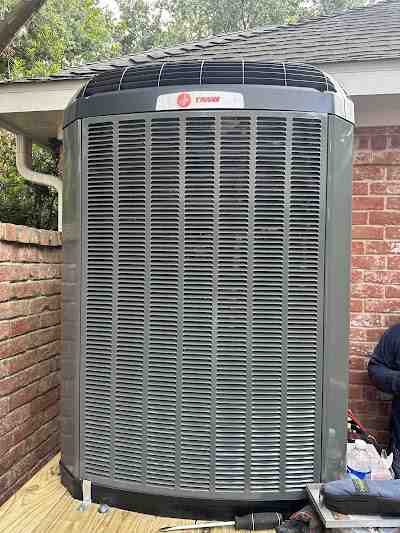
In our experience serving communities from Pinehurst to Tomball, we see a wide variety of equipment. Each type has its own “expiration date,” largely dictated by how it handles the Texas heat.
• Central Air Conditioners: These are the workhorses of the South. Because they face the most intense workload during our long summers, they typically hit their limit between 10 and 15 years.
• Heat Pumps: In the Pinehurst area, heat pumps are popular because they provide both cooling and heating. However, this dual-purpose nature means they never truly have an “off-season.” They log thousands of hours year-round, which usually keeps their lifespan on the lower end of the 10-to-15-year range.
• Gas Furnaces: These are the longest-lasting components of your home comfort system. Since we only use them for a few months out of the year, a well-maintained furnace can easily reach 20 to 25 years.
• Ductless Mini-Splits: These systems are incredibly efficient, but their sensitive electronics and smaller components are still subject to the same thermal stress as central units, typically lasting 12 to 15 years.
As of April 2026, new efficiency standards and the complete transition away from older refrigerants like R-22 have also changed the math. Newer systems are built to meet high SEER2 requirements, which often means they use more advanced—and sometimes more delicate—components than the “mechanical dinosaurs” of thirty years ago.
Geography plays a massive role in the average lifespan of an hvac system in texas. While a system in Dallas might face extreme heat, our neighbors in Pinehurst, Magnolia, and Spring deal with the “Harris County Humidity.”
High humidity levels force your AC to work as a dehumidifier and a cooler simultaneously. This constant moisture increases the risk of internal corrosion. If you live closer to the coast or in high-moisture areas, “thermal cycling”—the process of the system constantly turning on and off to manage both temp and humidity—can shave years off the motor’s life. While a DFW system might stretch to 17 years due to a slightly shorter cooling season, Houston-area units often find their functional end-of-life closer to the 12-year mark if they aren’t meticulously maintained.
If you’ve ever walked outside in July, you know exactly why your AC is struggling. When temperatures peak between 95°F and 105°F, your outdoor condenser unit is sitting in a literal oven.
Texas operating conditions are fundamentally different from national averages. The How Southeast Texas Climate Affects Your HVAC System is a primary driver of mechanical fatigue. High heat causes the metal components in your compressor to expand and contract aggressively. Meanwhile, the humidity leads to formicary corrosion—microscopic tunnels that eat away at copper coils, eventually causing refrigerant leaks that are often too expensive to fix on an older unit.
We like to call the shortened lifespan the “Texas Tax.” Because our cooling season extends from April to November, your system might log 10,000+ cycles in a single year. National averages are based on moderate climates where a compressor might only cycle 4,000 times. This relentless workload causes:
• UV Degradation: The intense Texas sun breaks down plastic components and wire insulation.
• Heat Exchanger Stress: Even our brief winters can be harsh. The “Ice-pocalypse” events we’ve seen recently create freeze-thaw cycles that can crack older, brittle heat exchangers.

How do you know if your system is just having a bad day or if it’s time to say goodbye? There are several Signs Your AC Needs Repair in Houston Area Heat, but when those signs happen every month, you’re looking at a replacement scenario.
• Rising Energy Bills: If your electricity usage is skyrocketing but the weather hasn’t changed, your system is losing its efficiency. An aging unit can lose 5% of its efficiency every year it goes without service.
• Frequent Repairs: We suggest the “Two-Repair Rule.” If you’ve had two or more significant repairs in the last two years, the system is telling you it’s tired.
• Inconsistent Cooling: Are some rooms in your Pinehurst home freezing while the kitchen is sweltering? This often indicates the compressor can no longer maintain the necessary pressure.
• Unusual Noises: Grinding, squealing, or banging are the sounds of mechanical failure.
• Excessive Humidity: If your home feels “sticky” even when the air is blowing, the system is no longer effectively removing moisture.
• The 12-Year Threshold: In Texas, once a system hits 12 years, it is statistically entering the “high-risk” zone for a major component failure, such as a leaked evaporator coil or a dead compressor.
Don’t forget the heating side! There are specific Signs Your Heating System Needs Replacement, such as a yellow burner flame or persistent soot, which can indicate a dangerous cracked heat exchanger.
You don’t have to accept a short lifespan as a given. You can fight back against the Texas climate. The single most effective thing you can do is stay on top of maintenance.
• Change Filters: In the dusty, pollen-heavy Pinehurst air, you should change your filters every 30 to 60 days. A dirty filter chokes your system, forcing it to run longer and hotter.
• Clear the Area: Ensure your outdoor unit has at least a 2-foot clearance from shrubs, weeds, and debris. It needs to “breathe” to release the heat it pulled from your home.
To truly increase the average lifespan of an hvac system in texas, you need a professional eye. We recommend bi-annual inspections—once in the spring for the AC and once in the fall for the heater. Knowing How Often Should You Service Your AC in Texas is the difference between a system that lasts 10 years and one that makes it to 15.
Skipping these check-ups is the fastest way to kill a compressor. We’ve seen exactly What Happens If You Skip AC Maintenance in Texas: clogged drain lines that flood homes, burnt-out capacitors that stall motors, and filthy coils that cause the system to overheat.
If you’re wondering Is an HVAC Maintenance Plan Worth It, the answer is almost always yes for Texas homeowners. When you see What Does an HVAC Maintenance Plan Include—from coil cleanings to electrical safety checks—it’s easy to see how those small adjustments prevent the “cascade effect” of major mechanical failure.
Eventually, every homeowner faces the big question: Should I fix it one more time?
A great tool we use is the 5,000 Rule. Multiply the age of your system by the cost of the repair. If the result is over 5,000, replacement is usually the better financial move.
• Example: A 12-year-old system needing a $600 repair = 7,200. (Replace)
• Example: An 8-year-old system needing a $300 repair = 2,400. (Repair)
Modern SEER2 ratings (now a minimum of 14.3 in the South) mean that a new system can save you 30% to 50% on your monthly cooling costs compared to a unit from 2010. There are Optimal Times for Upgrading Your Home’s Air Conditioning System, typically in the spring or fall, when you can avoid the “emergency pricing” of a mid-July breakdown.
A new system is only as good as its installation. To ensure your new unit doesn’t “die young,” we perform a Manual J-load calculation for every home. This ensures the system is sized perfectly. An oversized system will “short-cycle,” turning on and off too quickly, which wears out the compressor. An undersized system will run forever and never cool the house. Proper ductwork integrity and ensuring a clean transition to 2025-compliant refrigerants are also vital for long-term health.
It is possible, but rare. We call these “mechanical dinosaurs.” While they are a testament to meticulous maintenance, they are often operating at 50% of their original efficiency. Keeping a 20-year-old unit in Pinehurst usually means you are paying double what you should in electricity bills.
In the North, a heat pump might rest during the mild spring and fall. In Texas, it transitions immediately from cooling in October to heating in November. This continuous mechanical wear means the components never get a break, leading to faster fatigue than a dedicated AC/Furnace split.
Not necessarily. SEER2 measures efficiency, not durability. However, higher-SEER2 units often feature variable-speed technology. These motors ramp up and down slowly rather than slamming on at full speed, which reduces “start-stop” stress on the electrical components and can help the unit live a slightly longer, quieter life.
At Air Comfort Solutions, we understand that your HVAC system is the most important appliance in your home. With over 35 years of experience serving Pinehurst, Plantersville, Magnolia, and the surrounding areas, we’ve seen how the Texas sun treats equipment. Our certified technicians are dedicated to providing honest, reliable solutions that keep your family comfortable without the “scare tactics.”
Whether you need a precision tune-up to squeeze a few more years out of your current unit or you’re ready to explore high-efficiency replacement options, we’re here to help. Don’t wait for the next triple-digit heatwave to find out if your AC has reached its limit.
Schedule your expert HVAC service in Pinehurst today and let us help you keep your home cool and your energy bills low.
In our experience serving communities from Pinehurst to Tomball, we see a wide variety of equipment. Each type has its own "expiration date," largely dictated by how it handles the Texas heat.
As of April 2026, new efficiency standards and the complete transition away from older refrigerants like R-22 have also changed the math. Newer systems are built to meet high SEER2 requirements, which often means they use more advanced—and sometimes more delicate—components than the "mechanical dinosaurs" of thirty years ago.
Geography plays a massive role in the average lifespan of an hvac system in texas. While a system in Dallas might face extreme heat, our neighbors in Pinehurst, Magnolia, and Spring deal with the "Harris County Humidity."
High humidity levels force your AC to work as a dehumidifier and a cooler simultaneously. This constant moisture increases the risk of internal corrosion. If you live closer to the coast or in high-moisture areas, "thermal cycling"—the process of the system constantly turning on and off to manage both temp and humidity—can shave years off the motor's life. While a DFW system might stretch to 17 years due to a slightly shorter cooling season, Houston-area units often find their functional end-of-life closer to the 12-year mark if they aren't meticulously maintained.
If you’ve ever walked outside in July, you know exactly why your AC is struggling. When temperatures peak between 95°F and 105°F, your outdoor condenser unit is sitting in a literal oven.
Texas operating conditions are fundamentally different from national averages. The How Southeast Texas Climate Affects Your HVAC System is a primary driver of mechanical fatigue. High heat causes the metal components in your compressor to expand and contract aggressively. Meanwhile, the humidity leads to formicary corrosion—microscopic tunnels that eat away at copper coils, eventually causing refrigerant leaks that are often too expensive to fix on an older unit.
We like to call the shortened lifespan the "Texas Tax." Because our cooling season extends from April to November, your system might log 10,000+ cycles in a single year. National averages are based on moderate climates where a compressor might only cycle 4,000 times. This relentless workload causes:
How do you know if your system is just having a bad day or if it’s time to say goodbye? There are several Signs Your AC Needs Repair in Houston Area Heat, but when those signs happen every month, you’re looking at a replacement scenario.
Don't forget the heating side! There are specific Signs Your Heating System Needs Replacement, such as a yellow burner flame or persistent soot, which can indicate a dangerous cracked heat exchanger.
You don't have to accept a short lifespan as a given. You can fight back against the Texas climate. The single most effective thing you can do is stay on top of maintenance.
To truly increase the average lifespan of an hvac system in texas, you need a professional eye. We recommend bi-annual inspections—once in the spring for the AC and once in the fall for the heater. Knowing How Often Should You Service Your AC in Texas is the difference between a system that lasts 10 years and one that makes it to 15.
Skipping these check-ups is the fastest way to kill a compressor. We've seen exactly What Happens If You Skip AC Maintenance in Texas: clogged drain lines that flood homes, burnt-out capacitors that stall motors, and filthy coils that cause the system to overheat.
If you're wondering Is an HVAC Maintenance Plan Worth It, the answer is almost always yes for Texas homeowners. When you see What Does an HVAC Maintenance Plan Include—from coil cleanings to electrical safety checks—it’s easy to see how those small adjustments prevent the "cascade effect" of major mechanical failure.
Eventually, every homeowner faces the big question: Should I fix it one more time?
A great tool we use is the 5,000 Rule. Multiply the age of your system by the cost of the repair. If the result is over 5,000, replacement is usually the better financial move.
Modern SEER2 ratings (now a minimum of 14.3 in the South) mean that a new system can save you 30% to 50% on your monthly cooling costs compared to a unit from 2010. There are Optimal Times for Upgrading Your Home's Air Conditioning System, typically in the spring or fall, when you can avoid the "emergency pricing" of a mid-July breakdown.
A new system is only as good as its installation. To ensure your new unit doesn't "die young," we perform a Manual J-load calculation for every home. This ensures the system is sized perfectly. An oversized system will "short-cycle," turning on and off too quickly, which wears out the compressor. An undersized system will run forever and never cool the house. Proper ductwork integrity and ensuring a clean transition to 2025-compliant refrigerants are also vital for long-term health.
It is possible, but rare. We call these "mechanical dinosaurs." While they are a testament to meticulous maintenance, they are often operating at 50% of their original efficiency. Keeping a 20-year-old unit in Pinehurst usually means you are paying double what you should in electricity bills.
In the North, a heat pump might rest during the mild spring and fall. In Texas, it transitions immediately from cooling in October to heating in November. This continuous mechanical wear means the components never get a break, leading to faster fatigue than a dedicated AC/Furnace split.
Not necessarily. SEER2 measures efficiency, not durability. However, higher-SEER2 units often feature variable-speed technology. These motors ramp up and down slowly rather than slamming on at full speed, which reduces "start-stop" stress on the electrical components and can help the unit live a slightly longer, quieter life.
At Air Comfort Pros, we understand that your HVAC system is the most important appliance in your home. With over 35 years of experience serving Pinehurst, Plantersville, Magnolia, and the surrounding areas, we’ve seen how the Texas sun treats equipment. Our certified technicians are dedicated to providing honest, reliable solutions that keep your family comfortable without the "scare tactics."
Whether you need a precision tune-up to squeeze a few more years out of your current unit or you’re ready to explore high-efficiency replacement options, we’re here to help. Don't wait for the next triple-digit heatwave to find out if your AC has reached its limit.
Schedule your expert HVAC service in Pinehurst today and let us help you keep your home cool and your energy bills low.
In our experience serving communities from Pinehurst to Tomball, we see a wide variety of equipment. Each type has its own "expiration date," largely dictated by how it handles the Texas heat.
As of April 2026, new efficiency standards and the complete transition away from older refrigerants like R-22 have also changed the math. Newer systems are built to meet high SEER2 requirements, which often means they use more advanced—and sometimes more delicate—components than the "mechanical dinosaurs" of thirty years ago.
Geography plays a massive role in the average lifespan of an hvac system in texas. While a system in Dallas might face extreme heat, our neighbors in Pinehurst, Magnolia, and Spring deal with the "Harris County Humidity."
High humidity levels force your AC to work as a dehumidifier and a cooler simultaneously. This constant moisture increases the risk of internal corrosion. If you live closer to the coast or in high-moisture areas, "thermal cycling"—the process of the system constantly turning on and off to manage both temp and humidity—can shave years off the motor's life. While a DFW system might stretch to 17 years due to a slightly shorter cooling season, Houston-area units often find their functional end-of-life closer to the 12-year mark if they aren't meticulously maintained.
If you’ve ever walked outside in July, you know exactly why your AC is struggling. When temperatures peak between 95°F and 105°F, your outdoor condenser unit is sitting in a literal oven.
Texas operating conditions are fundamentally different from national averages. The How Southeast Texas Climate Affects Your HVAC System is a primary driver of mechanical fatigue. High heat causes the metal components in your compressor to expand and contract aggressively. Meanwhile, the humidity leads to formicary corrosion—microscopic tunnels that eat away at copper coils, eventually causing refrigerant leaks that are often too expensive to fix on an older unit.
We like to call the shortened lifespan the "Texas Tax." Because our cooling season extends from April to November, your system might log 10,000+ cycles in a single year. National averages are based on moderate climates where a compressor might only cycle 4,000 times. This relentless workload causes:
How do you know if your system is just having a bad day or if it’s time to say goodbye? There are several Signs Your AC Needs Repair in Houston Area Heat, but when those signs happen every month, you’re looking at a replacement scenario.
Don't forget the heating side! There are specific Signs Your Heating System Needs Replacement, such as a yellow burner flame or persistent soot, which can indicate a dangerous cracked heat exchanger.
You don't have to accept a short lifespan as a given. You can fight back against the Texas climate. The single most effective thing you can do is stay on top of maintenance.
To truly increase the average lifespan of an hvac system in texas, you need a professional eye. We recommend bi-annual inspections—once in the spring for the AC and once in the fall for the heater. Knowing How Often Should You Service Your AC in Texas is the difference between a system that lasts 10 years and one that makes it to 15.
Skipping these check-ups is the fastest way to kill a compressor. We've seen exactly What Happens If You Skip AC Maintenance in Texas: clogged drain lines that flood homes, burnt-out capacitors that stall motors, and filthy coils that cause the system to overheat.
If you're wondering Is an HVAC Maintenance Plan Worth It, the answer is almost always yes for Texas homeowners. When you see What Does an HVAC Maintenance Plan Include—from coil cleanings to electrical safety checks—it’s easy to see how those small adjustments prevent the "cascade effect" of major mechanical failure.
Eventually, every homeowner faces the big question: Should I fix it one more time?
A great tool we use is the 5,000 Rule. Multiply the age of your system by the cost of the repair. If the result is over 5,000, replacement is usually the better financial move.
Modern SEER2 ratings (now a minimum of 14.3 in the South) mean that a new system can save you 30% to 50% on your monthly cooling costs compared to a unit from 2010. There are Optimal Times for Upgrading Your Home's Air Conditioning System, typically in the spring or fall, when you can avoid the "emergency pricing" of a mid-July breakdown.
A new system is only as good as its installation. To ensure your new unit doesn't "die young," we perform a Manual J-load calculation for every home. This ensures the system is sized perfectly. An oversized system will "short-cycle," turning on and off too quickly, which wears out the compressor. An undersized system will run forever and never cool the house. Proper ductwork integrity and ensuring a clean transition to 2025-compliant refrigerants are also vital for long-term health.
It is possible, but rare. We call these "mechanical dinosaurs." While they are a testament to meticulous maintenance, they are often operating at 50% of their original efficiency. Keeping a 20-year-old unit in Pinehurst usually means you are paying double what you should in electricity bills.
In the North, a heat pump might rest during the mild spring and fall. In Texas, it transitions immediately from cooling in October to heating in November. This continuous mechanical wear means the components never get a break, leading to faster fatigue than a dedicated AC/Furnace split.
Not necessarily. SEER2 measures efficiency, not durability. However, higher-SEER2 units often feature variable-speed technology. These motors ramp up and down slowly rather than slamming on at full speed, which reduces "start-stop" stress on the electrical components and can help the unit live a slightly longer, quieter life.
At Air Comfort Pros, we understand that your HVAC system is the most important appliance in your home. With over 35 years of experience serving Pinehurst, Plantersville, Magnolia, and the surrounding areas, we’ve seen how the Texas sun treats equipment. Our certified technicians are dedicated to providing honest, reliable solutions that keep your family comfortable without the "scare tactics."
Whether you need a precision tune-up to squeeze a few more years out of your current unit or you’re ready to explore high-efficiency replacement options, we’re here to help. Don't wait for the next triple-digit heatwave to find out if your AC has reached its limit.
Schedule your expert HVAC service in Pinehurst today and let us help you keep your home cool and your energy bills low.
In our experience serving communities from Pinehurst to Tomball, we see a wide variety of equipment. Each type has its own "expiration date," largely dictated by how it handles the Texas heat.
As of April 2026, new efficiency standards and the complete transition away from older refrigerants like R-22 have also changed the math. Newer systems are built to meet high SEER2 requirements, which often means they use more advanced—and sometimes more delicate—components than the "mechanical dinosaurs" of thirty years ago.
Geography plays a massive role in the average lifespan of an hvac system in texas. While a system in Dallas might face extreme heat, our neighbors in Pinehurst, Magnolia, and Spring deal with the "Harris County Humidity."
High humidity levels force your AC to work as a dehumidifier and a cooler simultaneously. This constant moisture increases the risk of internal corrosion. If you live closer to the coast or in high-moisture areas, "thermal cycling"—the process of the system constantly turning on and off to manage both temp and humidity—can shave years off the motor's life. While a DFW system might stretch to 17 years due to a slightly shorter cooling season, Houston-area units often find their functional end-of-life closer to the 12-year mark if they aren't meticulously maintained.
If you’ve ever walked outside in July, you know exactly why your AC is struggling. When temperatures peak between 95°F and 105°F, your outdoor condenser unit is sitting in a literal oven.
Texas operating conditions are fundamentally different from national averages. The How Southeast Texas Climate Affects Your HVAC System is a primary driver of mechanical fatigue. High heat causes the metal components in your compressor to expand and contract aggressively. Meanwhile, the humidity leads to formicary corrosion—microscopic tunnels that eat away at copper coils, eventually causing refrigerant leaks that are often too expensive to fix on an older unit.
We like to call the shortened lifespan the "Texas Tax." Because our cooling season extends from April to November, your system might log 10,000+ cycles in a single year. National averages are based on moderate climates where a compressor might only cycle 4,000 times. This relentless workload causes:
How do you know if your system is just having a bad day or if it’s time to say goodbye? There are several Signs Your AC Needs Repair in Houston Area Heat, but when those signs happen every month, you’re looking at a replacement scenario.
Don't forget the heating side! There are specific Signs Your Heating System Needs Replacement, such as a yellow burner flame or persistent soot, which can indicate a dangerous cracked heat exchanger.
You don't have to accept a short lifespan as a given. You can fight back against the Texas climate. The single most effective thing you can do is stay on top of maintenance.
To truly increase the average lifespan of an hvac system in texas, you need a professional eye. We recommend bi-annual inspections—once in the spring for the AC and once in the fall for the heater. Knowing How Often Should You Service Your AC in Texas is the difference between a system that lasts 10 years and one that makes it to 15.
Skipping these check-ups is the fastest way to kill a compressor. We've seen exactly What Happens If You Skip AC Maintenance in Texas: clogged drain lines that flood homes, burnt-out capacitors that stall motors, and filthy coils that cause the system to overheat.
If you're wondering Is an HVAC Maintenance Plan Worth It, the answer is almost always yes for Texas homeowners. When you see What Does an HVAC Maintenance Plan Include—from coil cleanings to electrical safety checks—it’s easy to see how those small adjustments prevent the "cascade effect" of major mechanical failure.
Eventually, every homeowner faces the big question: Should I fix it one more time?
A great tool we use is the 5,000 Rule. Multiply the age of your system by the cost of the repair. If the result is over 5,000, replacement is usually the better financial move.
Modern SEER2 ratings (now a minimum of 14.3 in the South) mean that a new system can save you 30% to 50% on your monthly cooling costs compared to a unit from 2010. There are Optimal Times for Upgrading Your Home's Air Conditioning System, typically in the spring or fall, when you can avoid the "emergency pricing" of a mid-July breakdown.
A new system is only as good as its installation. To ensure your new unit doesn't "die young," we perform a Manual J-load calculation for every home. This ensures the system is sized perfectly. An oversized system will "short-cycle," turning on and off too quickly, which wears out the compressor. An undersized system will run forever and never cool the house. Proper ductwork integrity and ensuring a clean transition to 2025-compliant refrigerants are also vital for long-term health.
It is possible, but rare. We call these "mechanical dinosaurs." While they are a testament to meticulous maintenance, they are often operating at 50% of their original efficiency. Keeping a 20-year-old unit in Pinehurst usually means you are paying double what you should in electricity bills.
In the North, a heat pump might rest during the mild spring and fall. In Texas, it transitions immediately from cooling in October to heating in November. This continuous mechanical wear means the components never get a break, leading to faster fatigue than a dedicated AC/Furnace split.
Not necessarily. SEER2 measures efficiency, not durability. However, higher-SEER2 units often feature variable-speed technology. These motors ramp up and down slowly rather than slamming on at full speed, which reduces "start-stop" stress on the electrical components and can help the unit live a slightly longer, quieter life.
At Air Comfort Pros, we understand that your HVAC system is the most important appliance in your home. With over 35 years of experience serving Pinehurst, Plantersville, Magnolia, and the surrounding areas, we’ve seen how the Texas sun treats equipment. Our certified technicians are dedicated to providing honest, reliable solutions that keep your family comfortable without the "scare tactics."
Whether you need a precision tune-up to squeeze a few more years out of your current unit or you’re ready to explore high-efficiency replacement options, we’re here to help. Don't wait for the next triple-digit heatwave to find out if your AC has reached its limit.
Schedule your expert HVAC service in Pinehurst today and let us help you keep your home cool and your energy bills low.
In our experience serving communities from Pinehurst to Tomball, we see a wide variety of equipment. Each type has its own "expiration date," largely dictated by how it handles the Texas heat.
As of April 2026, new efficiency standards and the complete transition away from older refrigerants like R-22 have also changed the math. Newer systems are built to meet high SEER2 requirements, which often means they use more advanced—and sometimes more delicate—components than the "mechanical dinosaurs" of thirty years ago.
Geography plays a massive role in the average lifespan of an hvac system in texas. While a system in Dallas might face extreme heat, our neighbors in Pinehurst, Magnolia, and Spring deal with the "Harris County Humidity."
High humidity levels force your AC to work as a dehumidifier and a cooler simultaneously. This constant moisture increases the risk of internal corrosion. If you live closer to the coast or in high-moisture areas, "thermal cycling"—the process of the system constantly turning on and off to manage both temp and humidity—can shave years off the motor's life. While a DFW system might stretch to 17 years due to a slightly shorter cooling season, Houston-area units often find their functional end-of-life closer to the 12-year mark if they aren't meticulously maintained.
If you’ve ever walked outside in July, you know exactly why your AC is struggling. When temperatures peak between 95°F and 105°F, your outdoor condenser unit is sitting in a literal oven.
Texas operating conditions are fundamentally different from national averages. The How Southeast Texas Climate Affects Your HVAC System is a primary driver of mechanical fatigue. High heat causes the metal components in your compressor to expand and contract aggressively. Meanwhile, the humidity leads to formicary corrosion—microscopic tunnels that eat away at copper coils, eventually causing refrigerant leaks that are often too expensive to fix on an older unit.
We like to call the shortened lifespan the "Texas Tax." Because our cooling season extends from April to November, your system might log 10,000+ cycles in a single year. National averages are based on moderate climates where a compressor might only cycle 4,000 times. This relentless workload causes:
How do you know if your system is just having a bad day or if it’s time to say goodbye? There are several Signs Your AC Needs Repair in Houston Area Heat, but when those signs happen every month, you’re looking at a replacement scenario.
Don't forget the heating side! There are specific Signs Your Heating System Needs Replacement, such as a yellow burner flame or persistent soot, which can indicate a dangerous cracked heat exchanger.
You don't have to accept a short lifespan as a given. You can fight back against the Texas climate. The single most effective thing you can do is stay on top of maintenance.
To truly increase the average lifespan of an hvac system in texas, you need a professional eye. We recommend bi-annual inspections—once in the spring for the AC and once in the fall for the heater. Knowing How Often Should You Service Your AC in Texas is the difference between a system that lasts 10 years and one that makes it to 15.
Skipping these check-ups is the fastest way to kill a compressor. We've seen exactly What Happens If You Skip AC Maintenance in Texas: clogged drain lines that flood homes, burnt-out capacitors that stall motors, and filthy coils that cause the system to overheat.
If you're wondering Is an HVAC Maintenance Plan Worth It, the answer is almost always yes for Texas homeowners. When you see What Does an HVAC Maintenance Plan Include—from coil cleanings to electrical safety checks—it’s easy to see how those small adjustments prevent the "cascade effect" of major mechanical failure.
Eventually, every homeowner faces the big question: Should I fix it one more time?
A great tool we use is the 5,000 Rule. Multiply the age of your system by the cost of the repair. If the result is over 5,000, replacement is usually the better financial move.
Modern SEER2 ratings (now a minimum of 14.3 in the South) mean that a new system can save you 30% to 50% on your monthly cooling costs compared to a unit from 2010. There are Optimal Times for Upgrading Your Home's Air Conditioning System, typically in the spring or fall, when you can avoid the "emergency pricing" of a mid-July breakdown.
A new system is only as good as its installation. To ensure your new unit doesn't "die young," we perform a Manual J-load calculation for every home. This ensures the system is sized perfectly. An oversized system will "short-cycle," turning on and off too quickly, which wears out the compressor. An undersized system will run forever and never cool the house. Proper ductwork integrity and ensuring a clean transition to 2025-compliant refrigerants are also vital for long-term health.
It is possible, but rare. We call these "mechanical dinosaurs." While they are a testament to meticulous maintenance, they are often operating at 50% of their original efficiency. Keeping a 20-year-old unit in Pinehurst usually means you are paying double what you should in electricity bills.
In the North, a heat pump might rest during the mild spring and fall. In Texas, it transitions immediately from cooling in October to heating in November. This continuous mechanical wear means the components never get a break, leading to faster fatigue than a dedicated AC/Furnace split.
Not necessarily. SEER2 measures efficiency, not durability. However, higher-SEER2 units often feature variable-speed technology. These motors ramp up and down slowly rather than slamming on at full speed, which reduces "start-stop" stress on the electrical components and can help the unit live a slightly longer, quieter life.
At Air Comfort Pros, we understand that your HVAC system is the most important appliance in your home. With over 35 years of experience serving Pinehurst, Plantersville, Magnolia, and the surrounding areas, we’ve seen how the Texas sun treats equipment. Our certified technicians are dedicated to providing honest, reliable solutions that keep your family comfortable without the "scare tactics."
Whether you need a precision tune-up to squeeze a few more years out of your current unit or you’re ready to explore high-efficiency replacement options, we’re here to help. Don't wait for the next triple-digit heatwave to find out if your AC has reached its limit.
Schedule your expert HVAC service in Pinehurst today and let us help you keep your home cool and your energy bills low.


Zane came out and did an amazing job! Super friendly, honest and transparent about the work that needed to be done. This is my second time working with Air Comfort Solutions and they’re my go to for HVAC services. Highly recommend.
God's AMAZING grace sent us Robert and Zane. We have been without air in this Texas heat for six weeks and four days. We've had a few contractors give us quotes all trying to upsell when we're at a low point. But not the guys at Air Comfort Solutions. They came in assessed our situation, gave us honest feedback, and showed us the issues as they proceeded with the assessment for clear understanding. We highly recommend them for their professionalism, quality products, and fair pricing. We hands down support them for all the work they do 💯 %.
Robert and Zane gone above and beyond to make the process easy and affordable.
Would definitely recommend!!
I’m writing this review to let everyone know that Air Comfort Solutions is the company to work with. I know the owner ( Robert) for several years now. He has been taking care of my residential and business work orders. Robert is professional, knowledgeable and will save you money. I just want to thank Robert for great job you have been doing for me.