The Value of Sealing Your Return Air Plenum Before the Holidays
Most homeowners buy expensive filters to fix dusty air, not realizing a leaky return plenum in the attic is the real culprit. See why sealing it now saves your holiday gatherings.
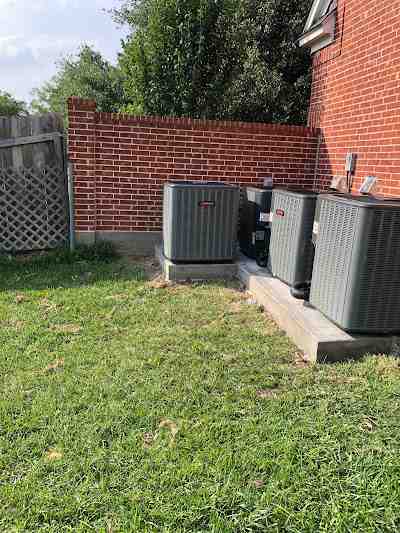
The heat pump advantages over traditional HVAC are hard to ignore — especially when you're tired of high energy bills and a system that only does half the job.
Here's a quick look at why so many North Harris County homeowners are making the switch:
Top Heat Pump Advantages Over Traditional HVAC:
• Energy efficiency - Heat pumps move heat instead of generating it, delivering up to 3 units of heat for every 1 unit of electricity used
• Dual functionality - One system handles both heating and cooling, replacing your separate furnace and AC
• Lower energy bills - Most homeowners save $500 or more per year; studies show 62%–95% of U.S. households see a drop in energy costs
• Longer lifespan - Air-source heat pumps last 20–25 years, outlasting a typical central AC by 5–10 years
• Reduced emissions - No combustion means no carbon monoxide risk and a smaller carbon footprint
• Federal incentives - A 30% federal tax credit (up to $2,000) can offset the upfront cost
• Cold-weather capable - Modern cold-climate models work in temperatures as low as -22°F
If you've been running an aging furnace alongside a central AC unit in the Pinehurst area, you're essentially paying to maintain two systems that together still can't match what a modern heat pump does on its own. Heat pumps work by transferring heat between indoors and outdoors — similar to how a refrigerator works, just on a much larger scale. In cooling mode, they work exactly like an air conditioner. In heating mode, they simply reverse the process, pulling warmth from outside air and moving it inside.
That single design shift — transferring heat rather than burning fuel to create it — is what makes heat pumps so fundamentally more efficient than traditional HVAC setups. For homeowners in North Harris County dealing with hot, humid summers and unpredictable winter cold snaps, that efficiency translates directly into comfort and savings.

When we talk about a Heat Pump, we are talking about a master of physics. Traditional systems like gas furnaces or electric baseboard heaters create heat through combustion or resistance. This is an "additive" process—you burn fuel to get warmth. A heat pump, however, is "subtractive" and "transfers" heat. It uses a specialized reversing valve to change the flow of refrigerant, allowing it to act as an air conditioner in July and a heater in January.
In the Pinehurst and Houston climate, where we deal with intense humidity and long cooling seasons, this dual-functionality is a game-changer. Instead of having a bulky furnace taking up space in the attic or closet and a separate condenser outside, one sleek outdoor unit handles it all. This simplicity is one of the primary heat pump advantages over traditional HVAC systems.
Efficiency is measured by several acronyms that every homeowner should know: SEER2 (for cooling), HSPF2 (for heating), and COP (Coefficient of Performance). While a high-efficiency gas furnace might reach 95% to 98% efficiency, a heat pump can reach 300% to 400% efficiency. How is that possible? Because it isn't "creating" the energy; it is merely moving it.
For every kilowatt of electricity used, a heat pump can deliver three to four kilowatts of heat. This leads to a massive reduction in electricity consumption—often up to 50% compared to electric furnaces or baseboard heaters. If you are looking to slash your carbon footprint while staying cool, Heat Pump Installation Houston TX is one of the most effective upgrades you can make in April 2026.
While the technology is impressive, the impact on your wallet is what truly hits home. On average, homeowners save over $500 per year on energy bills after switching. In fact, research shows that up to 95% of American households would see a drop in their monthly utility costs by moving away from fossil fuel or electric resistance heating.
The financial perks don't stop at the monthly bill. Thanks to the Inflation Reduction Act and Energy Star programs, homeowners are currently eligible for a federal tax credit of up to 30% of the total project cost, capped at $2,000. When you combine these tax credits with local utility rebates available for Heat Pump Installation Cypress TX, the long-term return on investment (ROI) becomes incredibly attractive.
One of the most overlooked heat pump advantages over traditional HVAC is the quality of the air inside your home. Traditional furnaces often blast hot air until a thermostat limit is reached, then shut off, leading to "hot and cold spots." Modern heat pumps often utilize variable-speed compressors. These units don't just turn "on" or "off"; they ramp up and down to maintain a perfectly steady temperature.
Furthermore, heat pumps are exceptional at dehumidification. In the muggy Houston and Spring areas, controlling moisture is just as important as controlling temperature. By running longer, lower-speed cycles, heat pumps pull more moisture out of the air than a standard oversized central AC. This prevents that "clammy" feeling and protects your home from mold growth. Regular Heat Pump Maintenance Spring TX ensures these sensors and variable components stay calibrated for our specific humidity levels.
Not every home is built the same, which is why heat pumps come in various "flavors."
• Air-Source Heat Pumps: The most common type, which transfers heat between the indoor air and the outdoor air.
• Ductless Mini-Splits: Perfect for older homes in Magnolia or Plantersville that don't have existing ductwork. These allow for "zoning," where you only heat or cool the rooms you are actually using.
• Geothermal (Ground-Source) Heat Pumps: These use the constant temperature of the earth (about 50-60°F) to exchange heat. While they require more intensive setup, they are 30%–60% more efficient than air-source models.
We often recommend a professional site assessment for Heat Pump Installation Magnolia TX to determine which loop or duct configuration fits your property's footprint.
A common myth is that heat pumps don't work in the cold. While that may have been true in the 1980s, the technology in 2026 is lightyears ahead. Modern "cold-climate" heat pumps can maintain high efficiency in temperatures as low as -22°F. Even during a rare Texas freeze, these systems keep the home toasty.
For those who want absolute peace of mind, "dual-fuel" or hybrid systems are an option. These pair a heat pump with a small gas furnace backup. The system uses the ultra-efficient heat pump for 95% of the year and only kicks on the gas burner during the most extreme subfreezing hours. If you ever experience performance issues during a cold snap, prompt Heat Pump Repair Tomball TX can ensure your reversing valve and defrost cycle are functioning correctly.
As we move toward a cleaner electric grid, the environmental heat pump advantages over traditional HVAC grow every year. Switching to a heat pump can save up to 7.6 tons of carbon emissions per year per household. Because these systems run entirely on electricity, they can be powered by renewable sources like solar or wind.
For many of our neighbors looking for Heat Pump Replacement Magnolia TX, the move is about more than just the environment—it's about home safety. By removing the need for natural gas or heating oil, you eliminate the risk of combustion-related issues in the home.
Traditional gas furnaces carry a small but real risk of carbon monoxide (CO) leaks if the heat exchanger cracks or the flue becomes blocked. Because heat pumps don't burn anything, there is zero risk of CO poisoning from the heating system. This significantly improves indoor air quality and provides peace of mind for families with children or seniors.
Furthermore, as the Texas electric grid continues to integrate more renewable energy, your heat pump "gets cleaner" over time. A gas furnace will always emit the same amount of carbon, but a heat pump’s footprint shrinks as the grid evolves. If you're currently using a system that relies on aging gas lines, consider Heat Pump Repair Cypress TX or a full system upgrade to go all-electric.
When it comes to longevity, heat pumps are the marathon runners of the HVAC world. While a standard air conditioner might last 15 to 20 years, a well-maintained air-source heat pump can often reach the 20 to 25-year mark. Geothermal systems are even more impressive, with indoor components lasting 24 years and the underground loops often guaranteed for over 50 years.
The key to this longevity is consistency. Because the system is used year-round, the seals and lubricants stay active, preventing the "startup" shocks that often kill furnaces that have sat dormant for nine months. We recommend Heat Pump Maintenance Tomball TX twice a year—once before the summer heat and once before the winter chill—to keep the system at peak performance.
One of the hidden heat pump advantages over traditional HVAC is the simplicity of having just one system to worry about. With a traditional setup, you have two separate machines with two different sets of parts that can fail. With a heat pump, you have one outdoor unit and one indoor air handler.
Maintenance typically involves:
1. Filter Changes: Keeping airflow high is critical for heat transfer.
2. Coil Cleaning: Dust and North Harris County pollen can act as insulation, making the heat pump work harder.
3. Refrigerant Checks: Ensuring the "blood" of the system is at the correct pressure.
4. Clearing Debris: Keeping the outdoor unit free of leaves and grass clippings.
By scheduling regular Heat Pump Maintenance Houston TX, you ensure that your system's reversing valve and variable-speed motors are operating within factory specifications, preventing costly emergency repairs.
Yes! In fact, they often perform better than traditional ACs. Because heat pumps are designed to run in longer, lower-intensity cycles (thanks to inverter technology), they act as a massive dehumidifier for your home. This removes more moisture from the air, making 75 degrees feel much cooler and more comfortable than it would with a standard system.
Absolutely. A heat pump is a 1-for-1 replacement for both units. It uses the same ductwork you already have. By removing the furnace, you also clear up space in your home and eliminate the need for a gas line connection to your HVAC system.
Modern air-source heat pumps typically last 20–25 years. Traditional central AC units usually start seeing significant failures around year 15. Because heat pumps are built with higher-grade components to handle the reversing of the refrigeration cycle, they are often more robust than "cooling-only" units.
The transition to a heat pump is one of the smartest moves a homeowner in Pinehurst or North Harris County can make in 2026. From the massive energy efficiency gains to the simplified maintenance of a single system, the heat pump advantages over traditional HVAC are clear. You get better humidity control, lower monthly bills, and a safer, combustion-free home.
At Air Comfort Solutions LLC, we have over 35 years of experience helping our neighbors in The Woodlands, Conroe, Tomball, and beyond find the perfect comfort solutions. Our certified technicians provide honest advice, upfront pricing, and flexible financing to make your upgrade as smooth as possible. Don't settle for an outdated, inefficient system that only works half the year. Schedule your heat pump consultation today and start saving while you stay comfortable.
The heat pump advantages over traditional HVAC are hard to ignore — especially when you're tired of high energy bills and a system that only does half the job.
Here's a quick look at why so many North Harris County homeowners are making the switch:
Top Heat Pump Advantages Over Traditional HVAC:
If you've been running an aging furnace alongside a central AC unit in the Pinehurst area, you're essentially paying to maintain two systems that together still can't match what a modern heat pump does on its own. Heat pumps work by transferring heat between indoors and outdoors — similar to how a refrigerator works, just on a much larger scale. In cooling mode, they work exactly like an air conditioner. In heating mode, they simply reverse the process, pulling warmth from outside air and moving it inside.
That single design shift — transferring heat rather than burning fuel to create it — is what makes heat pumps so fundamentally more efficient than traditional HVAC setups. For homeowners in North Harris County dealing with hot, humid summers and unpredictable winter cold snaps, that efficiency translates directly into comfort and savings.
When we talk about a Heat Pump, we are talking about a master of physics. Traditional systems like gas furnaces or electric baseboard heaters create heat through combustion or resistance. This is an "additive" process—you burn fuel to get warmth. A heat pump, however, is "subtractive" and "transfers" heat. It uses a specialized reversing valve to change the flow of refrigerant, allowing it to act as an air conditioner in July and a heater in January.
In the Pinehurst and Houston climate, where we deal with intense humidity and long cooling seasons, this dual-functionality is a game-changer. Instead of having a bulky furnace taking up space in the attic or closet and a separate condenser outside, one sleek outdoor unit handles it all. This simplicity is one of the primary heat pump advantages over traditional HVAC systems.
Efficiency is measured by several acronyms that every homeowner should know: SEER2 (for cooling), HSPF2 (for heating), and COP (Coefficient of Performance). While a high-efficiency gas furnace might reach 95% to 98% efficiency, a heat pump can reach 300% to 400% efficiency. How is that possible? Because it isn't "creating" the energy; it is merely moving it.
For every kilowatt of electricity used, a heat pump can deliver three to four kilowatts of heat. This leads to a massive reduction in electricity consumption—often up to 50% compared to electric furnaces or baseboard heaters. If you are looking to slash your carbon footprint while staying cool, Heat Pump Installation Houston TX is one of the most effective upgrades you can make in April 2026.
While the technology is impressive, the impact on your wallet is what truly hits home. On average, homeowners save over $500 per year on energy bills after switching. In fact, research shows that up to 95% of American households would see a drop in their monthly utility costs by moving away from fossil fuel or electric resistance heating.
The financial perks don't stop at the monthly bill. Thanks to the Inflation Reduction Act and Energy Star programs, homeowners are currently eligible for a federal tax credit of up to 30% of the total project cost, capped at $2,000. When you combine these tax credits with local utility rebates available for Heat Pump Installation Cypress TX, the long-term return on investment (ROI) becomes incredibly attractive.
One of the most overlooked heat pump advantages over traditional HVAC is the quality of the air inside your home. Traditional furnaces often blast hot air until a thermostat limit is reached, then shut off, leading to "hot and cold spots." Modern heat pumps often utilize variable-speed compressors. These units don't just turn "on" or "off"; they ramp up and down to maintain a perfectly steady temperature.
Furthermore, heat pumps are exceptional at dehumidification. In the muggy Houston and Spring areas, controlling moisture is just as important as controlling temperature. By running longer, lower-speed cycles, heat pumps pull more moisture out of the air than a standard oversized central AC. This prevents that "clammy" feeling and protects your home from mold growth. Regular Heat Pump Maintenance Spring TX ensures these sensors and variable components stay calibrated for our specific humidity levels.
Not every home is built the same, which is why heat pumps come in various "flavors."
We often recommend a professional site assessment for Heat Pump Installation Magnolia TX to determine which loop or duct configuration fits your property's footprint.
A common myth is that heat pumps don't work in the cold. While that may have been true in the 1980s, the technology in 2026 is lightyears ahead. Modern "cold-climate" heat pumps can maintain high efficiency in temperatures as low as -22°F. Even during a rare Texas freeze, these systems keep the home toasty.
For those who want absolute peace of mind, "dual-fuel" or hybrid systems are an option. These pair a heat pump with a small gas furnace backup. The system uses the ultra-efficient heat pump for 95% of the year and only kicks on the gas burner during the most extreme subfreezing hours. If you ever experience performance issues during a cold snap, prompt Heat Pump Repair Tomball TX can ensure your reversing valve and defrost cycle are functioning correctly.
As we move toward a cleaner electric grid, the environmental heat pump advantages over traditional HVAC grow every year. Switching to a heat pump can save up to 7.6 tons of carbon emissions per year per household. Because these systems run entirely on electricity, they can be powered by renewable sources like solar or wind.
For many of our neighbors looking for Heat Pump Replacement Magnolia TX, the move is about more than just the environment—it's about home safety. By removing the need for natural gas or heating oil, you eliminate the risk of combustion-related issues in the home.
Traditional gas furnaces carry a small but real risk of carbon monoxide (CO) leaks if the heat exchanger cracks or the flue becomes blocked. Because heat pumps don't burn anything, there is zero risk of CO poisoning from the heating system. This significantly improves indoor air quality and provides peace of mind for families with children or seniors.
Furthermore, as the Texas electric grid continues to integrate more renewable energy, your heat pump "gets cleaner" over time. A gas furnace will always emit the same amount of carbon, but a heat pump’s footprint shrinks as the grid evolves. If you're currently using a system that relies on aging gas lines, consider Heat Pump Repair Cypress TX or a full system upgrade to go all-electric.
When it comes to longevity, heat pumps are the marathon runners of the HVAC world. While a standard air conditioner might last 15 to 20 years, a well-maintained air-source heat pump can often reach the 20 to 25-year mark. Geothermal systems are even more impressive, with indoor components lasting 24 years and the underground loops often guaranteed for over 50 years.
The key to this longevity is consistency. Because the system is used year-round, the seals and lubricants stay active, preventing the "startup" shocks that often kill furnaces that have sat dormant for nine months. We recommend Heat Pump Maintenance Tomball TX twice a year—once before the summer heat and once before the winter chill—to keep the system at peak performance.
One of the hidden heat pump advantages over traditional HVAC is the simplicity of having just one system to worry about. With a traditional setup, you have two separate machines with two different sets of parts that can fail. With a heat pump, you have one outdoor unit and one indoor air handler.
Maintenance typically involves:
By scheduling regular Heat Pump Maintenance Houston TX, you ensure that your system's reversing valve and variable-speed motors are operating within factory specifications, preventing costly emergency repairs.
Yes! In fact, they often perform better than traditional ACs. Because heat pumps are designed to run in longer, lower-intensity cycles (thanks to inverter technology), they act as a massive dehumidifier for your home. This removes more moisture from the air, making 75 degrees feel much cooler and more comfortable than it would with a standard system.
Absolutely. A heat pump is a 1-for-1 replacement for both units. It uses the same ductwork you already have. By removing the furnace, you also clear up space in your home and eliminate the need for a gas line connection to your HVAC system.
Modern air-source heat pumps typically last 20–25 years. Traditional central AC units usually start seeing significant failures around year 15. Because heat pumps are built with higher-grade components to handle the reversing of the refrigeration cycle, they are often more robust than "cooling-only" units.
The transition to a heat pump is one of the smartest moves a homeowner in Pinehurst or North Harris County can make in 2026. From the massive energy efficiency gains to the simplified maintenance of a single system, the heat pump advantages over traditional HVAC are clear. You get better humidity control, lower monthly bills, and a safer, combustion-free home.
At Air Comfort Solutions LLC, we have over 35 years of experience helping our neighbors in The Woodlands, Conroe, Tomball, and beyond find the perfect comfort solutions. Our certified technicians provide honest advice, upfront pricing, and flexible financing to make your upgrade as smooth as possible. Don't settle for an outdated, inefficient system that only works half the year. Schedule your heat pump consultation today and start saving while you stay comfortable.
The heat pump advantages over traditional HVAC are hard to ignore — especially when you're tired of high energy bills and a system that only does half the job.
Here's a quick look at why so many North Harris County homeowners are making the switch:
Top Heat Pump Advantages Over Traditional HVAC:
If you've been running an aging furnace alongside a central AC unit in the Pinehurst area, you're essentially paying to maintain two systems that together still can't match what a modern heat pump does on its own. Heat pumps work by transferring heat between indoors and outdoors — similar to how a refrigerator works, just on a much larger scale. In cooling mode, they work exactly like an air conditioner. In heating mode, they simply reverse the process, pulling warmth from outside air and moving it inside.
That single design shift — transferring heat rather than burning fuel to create it — is what makes heat pumps so fundamentally more efficient than traditional HVAC setups. For homeowners in North Harris County dealing with hot, humid summers and unpredictable winter cold snaps, that efficiency translates directly into comfort and savings.
When we talk about a Heat Pump, we are talking about a master of physics. Traditional systems like gas furnaces or electric baseboard heaters create heat through combustion or resistance. This is an "additive" process—you burn fuel to get warmth. A heat pump, however, is "subtractive" and "transfers" heat. It uses a specialized reversing valve to change the flow of refrigerant, allowing it to act as an air conditioner in July and a heater in January.
In the Pinehurst and Houston climate, where we deal with intense humidity and long cooling seasons, this dual-functionality is a game-changer. Instead of having a bulky furnace taking up space in the attic or closet and a separate condenser outside, one sleek outdoor unit handles it all. This simplicity is one of the primary heat pump advantages over traditional HVAC systems.
Efficiency is measured by several acronyms that every homeowner should know: SEER2 (for cooling), HSPF2 (for heating), and COP (Coefficient of Performance). While a high-efficiency gas furnace might reach 95% to 98% efficiency, a heat pump can reach 300% to 400% efficiency. How is that possible? Because it isn't "creating" the energy; it is merely moving it.
For every kilowatt of electricity used, a heat pump can deliver three to four kilowatts of heat. This leads to a massive reduction in electricity consumption—often up to 50% compared to electric furnaces or baseboard heaters. If you are looking to slash your carbon footprint while staying cool, Heat Pump Installation Houston TX is one of the most effective upgrades you can make in April 2026.
While the technology is impressive, the impact on your wallet is what truly hits home. On average, homeowners save over $500 per year on energy bills after switching. In fact, research shows that up to 95% of American households would see a drop in their monthly utility costs by moving away from fossil fuel or electric resistance heating.
The financial perks don't stop at the monthly bill. Thanks to the Inflation Reduction Act and Energy Star programs, homeowners are currently eligible for a federal tax credit of up to 30% of the total project cost, capped at $2,000. When you combine these tax credits with local utility rebates available for Heat Pump Installation Cypress TX, the long-term return on investment (ROI) becomes incredibly attractive.
One of the most overlooked heat pump advantages over traditional HVAC is the quality of the air inside your home. Traditional furnaces often blast hot air until a thermostat limit is reached, then shut off, leading to "hot and cold spots." Modern heat pumps often utilize variable-speed compressors. These units don't just turn "on" or "off"; they ramp up and down to maintain a perfectly steady temperature.
Furthermore, heat pumps are exceptional at dehumidification. In the muggy Houston and Spring areas, controlling moisture is just as important as controlling temperature. By running longer, lower-speed cycles, heat pumps pull more moisture out of the air than a standard oversized central AC. This prevents that "clammy" feeling and protects your home from mold growth. Regular Heat Pump Maintenance Spring TX ensures these sensors and variable components stay calibrated for our specific humidity levels.
Not every home is built the same, which is why heat pumps come in various "flavors."
We often recommend a professional site assessment for Heat Pump Installation Magnolia TX to determine which loop or duct configuration fits your property's footprint.
A common myth is that heat pumps don't work in the cold. While that may have been true in the 1980s, the technology in 2026 is lightyears ahead. Modern "cold-climate" heat pumps can maintain high efficiency in temperatures as low as -22°F. Even during a rare Texas freeze, these systems keep the home toasty.
For those who want absolute peace of mind, "dual-fuel" or hybrid systems are an option. These pair a heat pump with a small gas furnace backup. The system uses the ultra-efficient heat pump for 95% of the year and only kicks on the gas burner during the most extreme subfreezing hours. If you ever experience performance issues during a cold snap, prompt Heat Pump Repair Tomball TX can ensure your reversing valve and defrost cycle are functioning correctly.
As we move toward a cleaner electric grid, the environmental heat pump advantages over traditional HVAC grow every year. Switching to a heat pump can save up to 7.6 tons of carbon emissions per year per household. Because these systems run entirely on electricity, they can be powered by renewable sources like solar or wind.
For many of our neighbors looking for Heat Pump Replacement Magnolia TX, the move is about more than just the environment—it's about home safety. By removing the need for natural gas or heating oil, you eliminate the risk of combustion-related issues in the home.
Traditional gas furnaces carry a small but real risk of carbon monoxide (CO) leaks if the heat exchanger cracks or the flue becomes blocked. Because heat pumps don't burn anything, there is zero risk of CO poisoning from the heating system. This significantly improves indoor air quality and provides peace of mind for families with children or seniors.
Furthermore, as the Texas electric grid continues to integrate more renewable energy, your heat pump "gets cleaner" over time. A gas furnace will always emit the same amount of carbon, but a heat pump’s footprint shrinks as the grid evolves. If you're currently using a system that relies on aging gas lines, consider Heat Pump Repair Cypress TX or a full system upgrade to go all-electric.
When it comes to longevity, heat pumps are the marathon runners of the HVAC world. While a standard air conditioner might last 15 to 20 years, a well-maintained air-source heat pump can often reach the 20 to 25-year mark. Geothermal systems are even more impressive, with indoor components lasting 24 years and the underground loops often guaranteed for over 50 years.
The key to this longevity is consistency. Because the system is used year-round, the seals and lubricants stay active, preventing the "startup" shocks that often kill furnaces that have sat dormant for nine months. We recommend Heat Pump Maintenance Tomball TX twice a year—once before the summer heat and once before the winter chill—to keep the system at peak performance.
One of the hidden heat pump advantages over traditional HVAC is the simplicity of having just one system to worry about. With a traditional setup, you have two separate machines with two different sets of parts that can fail. With a heat pump, you have one outdoor unit and one indoor air handler.
Maintenance typically involves:
By scheduling regular Heat Pump Maintenance Houston TX, you ensure that your system's reversing valve and variable-speed motors are operating within factory specifications, preventing costly emergency repairs.
Yes! In fact, they often perform better than traditional ACs. Because heat pumps are designed to run in longer, lower-intensity cycles (thanks to inverter technology), they act as a massive dehumidifier for your home. This removes more moisture from the air, making 75 degrees feel much cooler and more comfortable than it would with a standard system.
Absolutely. A heat pump is a 1-for-1 replacement for both units. It uses the same ductwork you already have. By removing the furnace, you also clear up space in your home and eliminate the need for a gas line connection to your HVAC system.
Modern air-source heat pumps typically last 20–25 years. Traditional central AC units usually start seeing significant failures around year 15. Because heat pumps are built with higher-grade components to handle the reversing of the refrigeration cycle, they are often more robust than "cooling-only" units.
The transition to a heat pump is one of the smartest moves a homeowner in Pinehurst or North Harris County can make in 2026. From the massive energy efficiency gains to the simplified maintenance of a single system, the heat pump advantages over traditional HVAC are clear. You get better humidity control, lower monthly bills, and a safer, combustion-free home.
At Air Comfort Solutions LLC, we have over 35 years of experience helping our neighbors in The Woodlands, Conroe, Tomball, and beyond find the perfect comfort solutions. Our certified technicians provide honest advice, upfront pricing, and flexible financing to make your upgrade as smooth as possible. Don't settle for an outdated, inefficient system that only works half the year. Schedule your heat pump consultation today and start saving while you stay comfortable.
The heat pump advantages over traditional HVAC are hard to ignore — especially when you're tired of high energy bills and a system that only does half the job.
Here's a quick look at why so many North Harris County homeowners are making the switch:
Top Heat Pump Advantages Over Traditional HVAC:
If you've been running an aging furnace alongside a central AC unit in the Pinehurst area, you're essentially paying to maintain two systems that together still can't match what a modern heat pump does on its own. Heat pumps work by transferring heat between indoors and outdoors — similar to how a refrigerator works, just on a much larger scale. In cooling mode, they work exactly like an air conditioner. In heating mode, they simply reverse the process, pulling warmth from outside air and moving it inside.
That single design shift — transferring heat rather than burning fuel to create it — is what makes heat pumps so fundamentally more efficient than traditional HVAC setups. For homeowners in North Harris County dealing with hot, humid summers and unpredictable winter cold snaps, that efficiency translates directly into comfort and savings.
When we talk about a Heat Pump, we are talking about a master of physics. Traditional systems like gas furnaces or electric baseboard heaters create heat through combustion or resistance. This is an "additive" process—you burn fuel to get warmth. A heat pump, however, is "subtractive" and "transfers" heat. It uses a specialized reversing valve to change the flow of refrigerant, allowing it to act as an air conditioner in July and a heater in January.
In the Pinehurst and Houston climate, where we deal with intense humidity and long cooling seasons, this dual-functionality is a game-changer. Instead of having a bulky furnace taking up space in the attic or closet and a separate condenser outside, one sleek outdoor unit handles it all. This simplicity is one of the primary heat pump advantages over traditional HVAC systems.
Efficiency is measured by several acronyms that every homeowner should know: SEER2 (for cooling), HSPF2 (for heating), and COP (Coefficient of Performance). While a high-efficiency gas furnace might reach 95% to 98% efficiency, a heat pump can reach 300% to 400% efficiency. How is that possible? Because it isn't "creating" the energy; it is merely moving it.
For every kilowatt of electricity used, a heat pump can deliver three to four kilowatts of heat. This leads to a massive reduction in electricity consumption—often up to 50% compared to electric furnaces or baseboard heaters. If you are looking to slash your carbon footprint while staying cool, Heat Pump Installation Houston TX is one of the most effective upgrades you can make in April 2026.
While the technology is impressive, the impact on your wallet is what truly hits home. On average, homeowners save over $500 per year on energy bills after switching. In fact, research shows that up to 95% of American households would see a drop in their monthly utility costs by moving away from fossil fuel or electric resistance heating.
The financial perks don't stop at the monthly bill. Thanks to the Inflation Reduction Act and Energy Star programs, homeowners are currently eligible for a federal tax credit of up to 30% of the total project cost, capped at $2,000. When you combine these tax credits with local utility rebates available for Heat Pump Installation Cypress TX, the long-term return on investment (ROI) becomes incredibly attractive.
One of the most overlooked heat pump advantages over traditional HVAC is the quality of the air inside your home. Traditional furnaces often blast hot air until a thermostat limit is reached, then shut off, leading to "hot and cold spots." Modern heat pumps often utilize variable-speed compressors. These units don't just turn "on" or "off"; they ramp up and down to maintain a perfectly steady temperature.
Furthermore, heat pumps are exceptional at dehumidification. In the muggy Houston and Spring areas, controlling moisture is just as important as controlling temperature. By running longer, lower-speed cycles, heat pumps pull more moisture out of the air than a standard oversized central AC. This prevents that "clammy" feeling and protects your home from mold growth. Regular Heat Pump Maintenance Spring TX ensures these sensors and variable components stay calibrated for our specific humidity levels.
Not every home is built the same, which is why heat pumps come in various "flavors."
We often recommend a professional site assessment for Heat Pump Installation Magnolia TX to determine which loop or duct configuration fits your property's footprint.
A common myth is that heat pumps don't work in the cold. While that may have been true in the 1980s, the technology in 2026 is lightyears ahead. Modern "cold-climate" heat pumps can maintain high efficiency in temperatures as low as -22°F. Even during a rare Texas freeze, these systems keep the home toasty.
For those who want absolute peace of mind, "dual-fuel" or hybrid systems are an option. These pair a heat pump with a small gas furnace backup. The system uses the ultra-efficient heat pump for 95% of the year and only kicks on the gas burner during the most extreme subfreezing hours. If you ever experience performance issues during a cold snap, prompt Heat Pump Repair Tomball TX can ensure your reversing valve and defrost cycle are functioning correctly.
As we move toward a cleaner electric grid, the environmental heat pump advantages over traditional HVAC grow every year. Switching to a heat pump can save up to 7.6 tons of carbon emissions per year per household. Because these systems run entirely on electricity, they can be powered by renewable sources like solar or wind.
For many of our neighbors looking for Heat Pump Replacement Magnolia TX, the move is about more than just the environment—it's about home safety. By removing the need for natural gas or heating oil, you eliminate the risk of combustion-related issues in the home.
Traditional gas furnaces carry a small but real risk of carbon monoxide (CO) leaks if the heat exchanger cracks or the flue becomes blocked. Because heat pumps don't burn anything, there is zero risk of CO poisoning from the heating system. This significantly improves indoor air quality and provides peace of mind for families with children or seniors.
Furthermore, as the Texas electric grid continues to integrate more renewable energy, your heat pump "gets cleaner" over time. A gas furnace will always emit the same amount of carbon, but a heat pump’s footprint shrinks as the grid evolves. If you're currently using a system that relies on aging gas lines, consider Heat Pump Repair Cypress TX or a full system upgrade to go all-electric.
When it comes to longevity, heat pumps are the marathon runners of the HVAC world. While a standard air conditioner might last 15 to 20 years, a well-maintained air-source heat pump can often reach the 20 to 25-year mark. Geothermal systems are even more impressive, with indoor components lasting 24 years and the underground loops often guaranteed for over 50 years.
The key to this longevity is consistency. Because the system is used year-round, the seals and lubricants stay active, preventing the "startup" shocks that often kill furnaces that have sat dormant for nine months. We recommend Heat Pump Maintenance Tomball TX twice a year—once before the summer heat and once before the winter chill—to keep the system at peak performance.
One of the hidden heat pump advantages over traditional HVAC is the simplicity of having just one system to worry about. With a traditional setup, you have two separate machines with two different sets of parts that can fail. With a heat pump, you have one outdoor unit and one indoor air handler.
Maintenance typically involves:
By scheduling regular Heat Pump Maintenance Houston TX, you ensure that your system's reversing valve and variable-speed motors are operating within factory specifications, preventing costly emergency repairs.
Yes! In fact, they often perform better than traditional ACs. Because heat pumps are designed to run in longer, lower-intensity cycles (thanks to inverter technology), they act as a massive dehumidifier for your home. This removes more moisture from the air, making 75 degrees feel much cooler and more comfortable than it would with a standard system.
Absolutely. A heat pump is a 1-for-1 replacement for both units. It uses the same ductwork you already have. By removing the furnace, you also clear up space in your home and eliminate the need for a gas line connection to your HVAC system.
Modern air-source heat pumps typically last 20–25 years. Traditional central AC units usually start seeing significant failures around year 15. Because heat pumps are built with higher-grade components to handle the reversing of the refrigeration cycle, they are often more robust than "cooling-only" units.
The transition to a heat pump is one of the smartest moves a homeowner in Pinehurst or North Harris County can make in 2026. From the massive energy efficiency gains to the simplified maintenance of a single system, the heat pump advantages over traditional HVAC are clear. You get better humidity control, lower monthly bills, and a safer, combustion-free home.
At Air Comfort Solutions LLC, we have over 35 years of experience helping our neighbors in The Woodlands, Conroe, Tomball, and beyond find the perfect comfort solutions. Our certified technicians provide honest advice, upfront pricing, and flexible financing to make your upgrade as smooth as possible. Don't settle for an outdated, inefficient system that only works half the year. Schedule your heat pump consultation today and start saving while you stay comfortable.
The heat pump advantages over traditional HVAC are hard to ignore — especially when you're tired of high energy bills and a system that only does half the job.
Here's a quick look at why so many North Harris County homeowners are making the switch:
Top Heat Pump Advantages Over Traditional HVAC:
If you've been running an aging furnace alongside a central AC unit in the Pinehurst area, you're essentially paying to maintain two systems that together still can't match what a modern heat pump does on its own. Heat pumps work by transferring heat between indoors and outdoors — similar to how a refrigerator works, just on a much larger scale. In cooling mode, they work exactly like an air conditioner. In heating mode, they simply reverse the process, pulling warmth from outside air and moving it inside.
That single design shift — transferring heat rather than burning fuel to create it — is what makes heat pumps so fundamentally more efficient than traditional HVAC setups. For homeowners in North Harris County dealing with hot, humid summers and unpredictable winter cold snaps, that efficiency translates directly into comfort and savings.
When we talk about a Heat Pump, we are talking about a master of physics. Traditional systems like gas furnaces or electric baseboard heaters create heat through combustion or resistance. This is an "additive" process—you burn fuel to get warmth. A heat pump, however, is "subtractive" and "transfers" heat. It uses a specialized reversing valve to change the flow of refrigerant, allowing it to act as an air conditioner in July and a heater in January.
In the Pinehurst and Houston climate, where we deal with intense humidity and long cooling seasons, this dual-functionality is a game-changer. Instead of having a bulky furnace taking up space in the attic or closet and a separate condenser outside, one sleek outdoor unit handles it all. This simplicity is one of the primary heat pump advantages over traditional HVAC systems.
Efficiency is measured by several acronyms that every homeowner should know: SEER2 (for cooling), HSPF2 (for heating), and COP (Coefficient of Performance). While a high-efficiency gas furnace might reach 95% to 98% efficiency, a heat pump can reach 300% to 400% efficiency. How is that possible? Because it isn't "creating" the energy; it is merely moving it.
For every kilowatt of electricity used, a heat pump can deliver three to four kilowatts of heat. This leads to a massive reduction in electricity consumption—often up to 50% compared to electric furnaces or baseboard heaters. If you are looking to slash your carbon footprint while staying cool, Heat Pump Installation Houston TX is one of the most effective upgrades you can make in April 2026.
While the technology is impressive, the impact on your wallet is what truly hits home. On average, homeowners save over $500 per year on energy bills after switching. In fact, research shows that up to 95% of American households would see a drop in their monthly utility costs by moving away from fossil fuel or electric resistance heating.
The financial perks don't stop at the monthly bill. Thanks to the Inflation Reduction Act and Energy Star programs, homeowners are currently eligible for a federal tax credit of up to 30% of the total project cost, capped at $2,000. When you combine these tax credits with local utility rebates available for Heat Pump Installation Cypress TX, the long-term return on investment (ROI) becomes incredibly attractive.
One of the most overlooked heat pump advantages over traditional HVAC is the quality of the air inside your home. Traditional furnaces often blast hot air until a thermostat limit is reached, then shut off, leading to "hot and cold spots." Modern heat pumps often utilize variable-speed compressors. These units don't just turn "on" or "off"; they ramp up and down to maintain a perfectly steady temperature.
Furthermore, heat pumps are exceptional at dehumidification. In the muggy Houston and Spring areas, controlling moisture is just as important as controlling temperature. By running longer, lower-speed cycles, heat pumps pull more moisture out of the air than a standard oversized central AC. This prevents that "clammy" feeling and protects your home from mold growth. Regular Heat Pump Maintenance Spring TX ensures these sensors and variable components stay calibrated for our specific humidity levels.
Not every home is built the same, which is why heat pumps come in various "flavors."
We often recommend a professional site assessment for Heat Pump Installation Magnolia TX to determine which loop or duct configuration fits your property's footprint.
A common myth is that heat pumps don't work in the cold. While that may have been true in the 1980s, the technology in 2026 is lightyears ahead. Modern "cold-climate" heat pumps can maintain high efficiency in temperatures as low as -22°F. Even during a rare Texas freeze, these systems keep the home toasty.
For those who want absolute peace of mind, "dual-fuel" or hybrid systems are an option. These pair a heat pump with a small gas furnace backup. The system uses the ultra-efficient heat pump for 95% of the year and only kicks on the gas burner during the most extreme subfreezing hours. If you ever experience performance issues during a cold snap, prompt Heat Pump Repair Tomball TX can ensure your reversing valve and defrost cycle are functioning correctly.
As we move toward a cleaner electric grid, the environmental heat pump advantages over traditional HVAC grow every year. Switching to a heat pump can save up to 7.6 tons of carbon emissions per year per household. Because these systems run entirely on electricity, they can be powered by renewable sources like solar or wind.
For many of our neighbors looking for Heat Pump Replacement Magnolia TX, the move is about more than just the environment—it's about home safety. By removing the need for natural gas or heating oil, you eliminate the risk of combustion-related issues in the home.
Traditional gas furnaces carry a small but real risk of carbon monoxide (CO) leaks if the heat exchanger cracks or the flue becomes blocked. Because heat pumps don't burn anything, there is zero risk of CO poisoning from the heating system. This significantly improves indoor air quality and provides peace of mind for families with children or seniors.
Furthermore, as the Texas electric grid continues to integrate more renewable energy, your heat pump "gets cleaner" over time. A gas furnace will always emit the same amount of carbon, but a heat pump’s footprint shrinks as the grid evolves. If you're currently using a system that relies on aging gas lines, consider Heat Pump Repair Cypress TX or a full system upgrade to go all-electric.
When it comes to longevity, heat pumps are the marathon runners of the HVAC world. While a standard air conditioner might last 15 to 20 years, a well-maintained air-source heat pump can often reach the 20 to 25-year mark. Geothermal systems are even more impressive, with indoor components lasting 24 years and the underground loops often guaranteed for over 50 years.
The key to this longevity is consistency. Because the system is used year-round, the seals and lubricants stay active, preventing the "startup" shocks that often kill furnaces that have sat dormant for nine months. We recommend Heat Pump Maintenance Tomball TX twice a year—once before the summer heat and once before the winter chill—to keep the system at peak performance.
One of the hidden heat pump advantages over traditional HVAC is the simplicity of having just one system to worry about. With a traditional setup, you have two separate machines with two different sets of parts that can fail. With a heat pump, you have one outdoor unit and one indoor air handler.
Maintenance typically involves:
By scheduling regular Heat Pump Maintenance Houston TX, you ensure that your system's reversing valve and variable-speed motors are operating within factory specifications, preventing costly emergency repairs.
Yes! In fact, they often perform better than traditional ACs. Because heat pumps are designed to run in longer, lower-intensity cycles (thanks to inverter technology), they act as a massive dehumidifier for your home. This removes more moisture from the air, making 75 degrees feel much cooler and more comfortable than it would with a standard system.
Absolutely. A heat pump is a 1-for-1 replacement for both units. It uses the same ductwork you already have. By removing the furnace, you also clear up space in your home and eliminate the need for a gas line connection to your HVAC system.
Modern air-source heat pumps typically last 20–25 years. Traditional central AC units usually start seeing significant failures around year 15. Because heat pumps are built with higher-grade components to handle the reversing of the refrigeration cycle, they are often more robust than "cooling-only" units.
The transition to a heat pump is one of the smartest moves a homeowner in Pinehurst or North Harris County can make in 2026. From the massive energy efficiency gains to the simplified maintenance of a single system, the heat pump advantages over traditional HVAC are clear. You get better humidity control, lower monthly bills, and a safer, combustion-free home.
At Air Comfort Solutions LLC, we have over 35 years of experience helping our neighbors in The Woodlands, Conroe, Tomball, and beyond find the perfect comfort solutions. Our certified technicians provide honest advice, upfront pricing, and flexible financing to make your upgrade as smooth as possible. Don't settle for an outdated, inefficient system that only works half the year. Schedule your heat pump consultation today and start saving while you stay comfortable.


Zane came out and did an amazing job! Super friendly, honest and transparent about the work that needed to be done. This is my second time working with Air Comfort Solutions and they’re my go to for HVAC services. Highly recommend.
God's AMAZING grace sent us Robert and Zane. We have been without air in this Texas heat for six weeks and four days. We've had a few contractors give us quotes all trying to upsell when we're at a low point. But not the guys at Air Comfort Solutions. They came in assessed our situation, gave us honest feedback, and showed us the issues as they proceeded with the assessment for clear understanding. We highly recommend them for their professionalism, quality products, and fair pricing. We hands down support them for all the work they do 💯 %.
Robert and Zane gone above and beyond to make the process easy and affordable.
Would definitely recommend!!
I’m writing this review to let everyone know that Air Comfort Solutions is the company to work with. I know the owner ( Robert) for several years now. He has been taking care of my residential and business work orders. Robert is professional, knowledgeable and will save you money. I just want to thank Robert for great job you have been doing for me.