

Heat Pump Installation and Replacement
Heat pump installation and replacement sized by load calculation — one efficient system that handles both your AC and your heating, with flexible financing through Foundation Finance.
- 24/7 Emergency
- TDLR & EPA Certified
- Family Owned
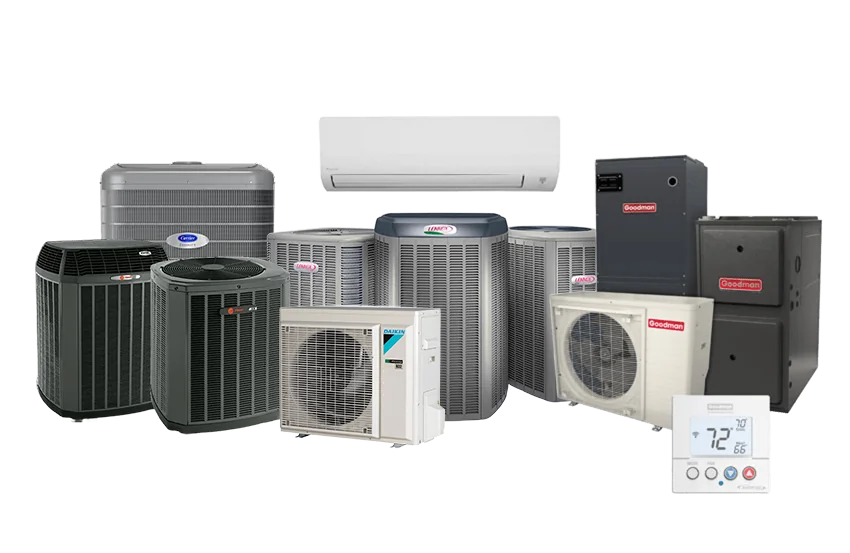
Heat pump installation and replacement is the strongest value play in Southeast Texas HVAC: one system that cools like a high-efficiency air conditioner through our brutal summers and heats efficiently through our mild winters — usually without ever needing backup heat strips. Air Comfort Solutions LLC does both the way they have to be done to deliver that promise: sized by load calculation, charged by instrument, verified before we leave. Family owned, 35+ years in the trade, TDLR-licensed and EPA-certified, with a 5.0-star Google rating across 137 reviews.
Why is this one of the best heat pump climates in the country?
Heat pumps lose efficiency in deep cold — a problem we barely have. A north-Houston winter spends most of its hours in exactly the range where a heat pump heats at its best, and the seven-month cooling season uses the same machine as a high-SEER2 air conditioner. If your AC and furnace are both near end of life, replacing two systems with one is the honest math. We'll show you SEER2 and HSPF2 ratings translated into expected dollars, next to a conventional air conditioner plus furnace combination, and let you choose.
When is it time to replace an existing heat pump?
Age plus repair cost settles it. Once a heat pump is past ten to twelve years old and facing a four-figure repair — a failed compressor, a leaking coil, a bad reversing valve — replacement usually wins the math, especially as R-410A parts get scarcer and pricier. If your unit is younger, start with heat pump repair and service; a capacitor or defrost sensor is no reason to buy a new system, and we will tell you so.
Why does sizing matter double on a heat pump?
Because the machine has to be right in two seasons rather than one. Size it for the summer load and it may be oversized for heating; size it for heating and it may short-cycle all summer, leaving the house humid. Oversized equipment is the more common error here, and in a climate where dehumidification matters as much as temperature it is the more damaging one — short cycles never run long enough to pull moisture out of the air. The only way to get it right is a load calculation on your actual home, and then a correctly matched indoor unit, because a mismatched coil undoes the rating on the box.
What makes the work succeed?
A load calculation instead of a rule of thumb, a refrigerant charge verified by instrument, measured and balanced airflow, and a full performance test before we leave. We also configure the thermostat for the equipment's actual staging — on a heat pump that is not a detail, because a thermostat set up wrongly will call expensive backup heat strips in weather the heat pump could have handled alone, and you would only notice it on the winter bill. We install, replace and service every brand of HVAC equipment, and Daikin and Trane are the lines we currently sell.
What happens to the old system?
It leaves with us, and the refrigerant in it leaves the right way. EPA rules require refrigerant to be recovered by certified technicians rather than vented, and ours are — that is what the EPA certification on every truck is for. We also check whether your existing indoor coil, line set and electrical are suitable for the new equipment rather than assuming they are; reusing a mismatched coil to save money on install day is a false economy that costs efficiency for the life of the system. Where reuse is genuinely fine, we say so.
What goes wrong when you skip the details?
On a new install, sizing and charge: an oversized heat pump short-cycles, dehumidifies poorly — a real problem in our air — and wears out early, while ductwork mistakes choke airflow in both seasons. On a replacement, the classic error is a like-for-like swap that copies the old system's mistakes. If the last unit was oversized or the ductwork was never right, bolting in a new machine just repeats the short-cycling, the humidity complaints, and the early failure. We check the whole system — not just the box on the pad. None of this is visible from the hallway, which is why the installer matters more than the brand.
What should you expect on installation day?
Most residential heat pump installations finish in one day. Jobs involving ductwork changes, electrical upgrades for backup heat, or difficult attic access can run into a second, and we tell you which yours is in the flat-rate quote before work begins. We protect floors and walkways and clean up before we leave. At the end the technician walks you through what was installed and measured, how the thermostat behaves in heating versus cooling, and the warranty paperwork — heat pump thermostats confuse people more than any other control in the house, so we take the time.
What about the warranty?
Manufacturer parts coverage depends on proper installation by a licensed contractor and documented annual maintenance. On a heat pump that second condition matters more than on seasonal equipment, because the machine accumulates run-hours twice as fast. We register the equipment, hand you the documentation, and the $159/yr maintenance plan covers the two visits a year-round system needs while keeping the record intact.
What does it cost — and what softens it?
Flat-rate quotes, options explained, zero pressure — per our Customer Comfort Pledge. Qualified buyers get easy, flexible financing options through Foundation Finance with approved credit; every customer saves 5% on new equipment we install; first responders, veterans and seniors save 10% on all service and repair work via our local heroes offers; and high-efficiency heat pumps may qualify for utility efficiency rebates — ask us what's current before you buy.
Next step?
Request a heat pump quote or call (832) 863-8325. After the install, keep it healthy with maintenance and tune-ups or the $159/yr maintenance plan. Proof we do right by people: Cameron J.'s public review — “Robert and Zane gone above and beyond to make the process easy and affordable.” More on the reviews page. We work across twelve communities from Pinehurst and Tomball to Conroe.
Frequently asked questions
Will a heat pump actually keep my house warm in a Texas cold snap?
In our climate, yes for the large majority of winter hours. Systems here include backup heat for the coldest spells, and a correctly configured thermostat only calls it when the heat pump genuinely cannot keep up.
Can one heat pump replace both my AC and furnace?
That is the usual reason to choose one. A single machine handles cooling and heating, which is why it often makes sense when both existing systems are near end of life.
How long does a heat pump installation take?
Most finish in one day. Ductwork changes, electrical work for backup heat, or difficult attic access can extend it, and we give you the timeline in the flat-rate quote before work begins.
Why does my heat pump blow cooler air in heating mode than my old furnace did?
Normal and expected. A heat pump delivers a larger volume of mildly warm air rather than short blasts of hot air. The house reaches the same temperature, usually at a lower operating cost.
Comfort can't wait. Neither do we.
Call now for 24/7 service, or request a visit online and we'll confirm your two-hour arrival window.
The $159/yr maintenance plan can pay for itself in a single repair — and easy, flexible financing options are available on new systems with approved credit.
- Open 24 hours, 7 daysReal emergency service — nights, weekends, and holidays included.
- Up-front, flat-rate pricingYou approve the exact price before a single tool comes out.
- TDLR licensed · EPA certified35+ years of experience behind every visit.