Heat Pump vs. Gas Furnace: Heating Options Comparisons for Homeowners
Weighing a new heat pump against a gas furnace before winter hits? Decide with confidence using these heating options comparisons for homeowners.
Reducing cooling costs during heat waves is one of the most common concerns for homeowners in North Harris County — and for good reason. When temperatures push past 100°F for days at a time, your air conditioner runs almost nonstop, electricity demand spikes across the grid, and your monthly bill climbs fast. According to the U.S. Energy Information Administration, Americans are already paying about 2% more for electricity compared to last summer, and that number hits harder when your system is working overtime just to keep up.
Here are the most effective ways to lower your cooling costs during a heat wave:
1. Set your thermostat to 75–78°F and use scheduled setbacks when you're away or asleep
2. Block sunlight through windows with blinds, curtains, or exterior shades — especially on west-facing windows
3. Run ceiling fans counterclockwise so you can raise the thermostat a few degrees without losing comfort
4. Replace your air filter every one to three months (monthly during peak cooling season)
5. Seal gaps around doors and windows to stop cool air from escaping
6. Shift heat-producing chores like laundry and dishwashing to nighttime or early morning
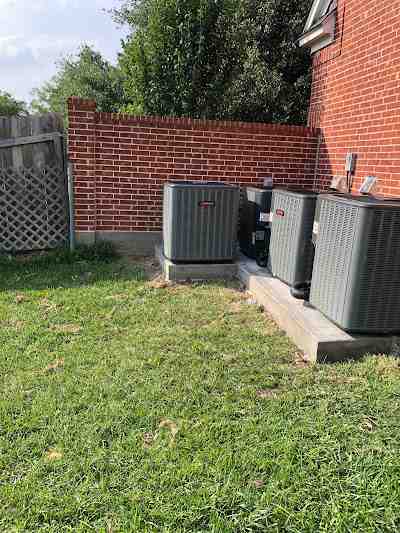
7. Keep your outdoor AC unit clear of debris and schedule regular professional maintenance
The challenge is that most people only think about these steps after they've already received a painful electric bill. Heat waves don't just strain your wallet — they put real pressure on your comfort and your family's safety, especially for older adults and young children who are more vulnerable to heat-related illness. Getting ahead of the problem with smart, simple habits makes a measurable difference.
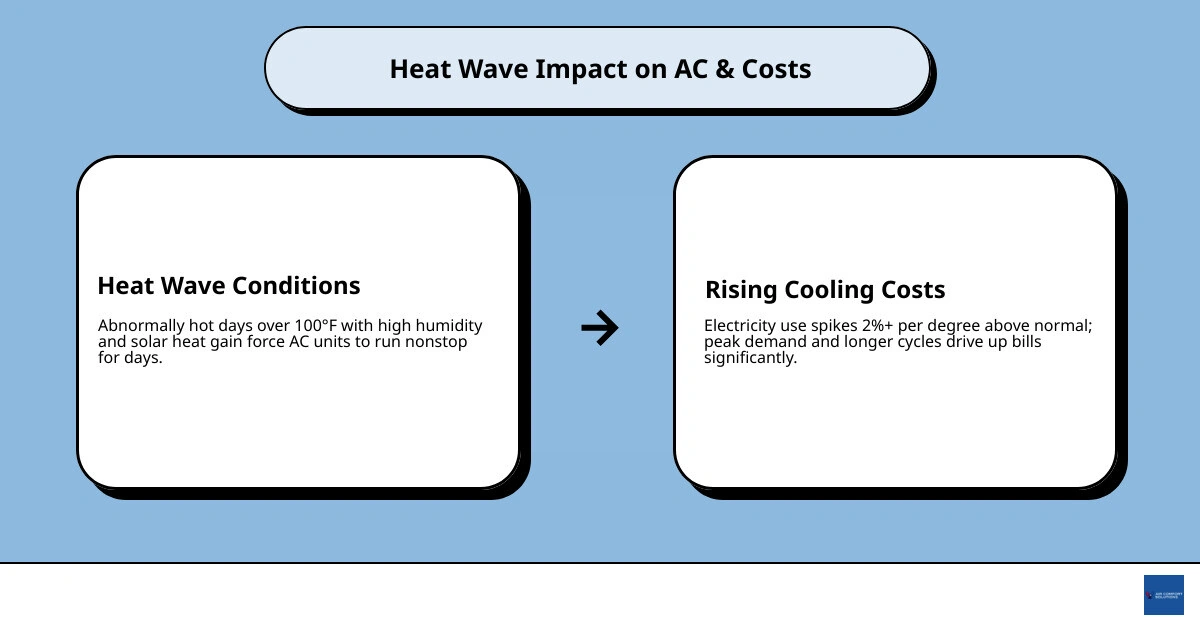
A heat wave is generally a stretch of abnormally hot weather lasting at least two days, relative to the local climate. Around Pinehurst, Magnolia, Tomball, The Woodlands, Spring, Conroe, Montgomery, Plantersville, and nearby North Harris County communities, that usually means intense sun, high humidity, hot nights, and very little recovery time for your home.
When outdoor temperatures stay unusually high for several days, your AC has to run longer cycles to remove both heat and humidity. That matters because comfort in Southeast Texas is not just about temperature. Moisture in the air makes your system work harder and can make 76°F feel warmer than it should.
Heat waves raise cooling costs for a few simple reasons:
• Your AC runs longer and more often
• Hot attics and sun-facing walls push extra heat indoors
• Windows add major radiant heat gain
• Warm nights give your home less chance to cool down naturally
• Grid demand climbs, which can affect rates depending on your electric plan
Cooling already makes up about 12% of the average U.S. home's energy bill, and during a serious heat wave that share can jump fast. If your system is dirty, leaking air, or overdue for maintenance, the problem gets worse.
There is no one-size-fits-all number, because home size, insulation, thermostat settings, AC condition, and utility plan all matter. But we do know two things from recent data:
• Americans are expected to pay about 2% more for electricity this summer than last year
• Higher temperatures drive much higher peak electricity demand
In real life, many homeowners notice their summer bill rise sharply during long hot spells simply because the AC becomes the biggest user of electricity in the house. Add laundry, cooking, and afternoon sun, and your home can feel like it is teaming up against you.
Saving energy is important, but safety comes first. During extreme heat, indoor temperatures can become dangerous, especially for:
• Older adults
• Infants and young children
• People with chronic medical conditions
• Anyone without reliable cooling
Stay hydrated, wear lightweight clothing indoors, and avoid letting savings goals push your home to unsafe temperatures. If your AC is struggling, have a backup plan, such as spending part of the hottest hours in a cooler location or checking on relatives and neighbors.
Your thermostat is the command center for your comfort and your utility use. Small changes here can make a big difference.
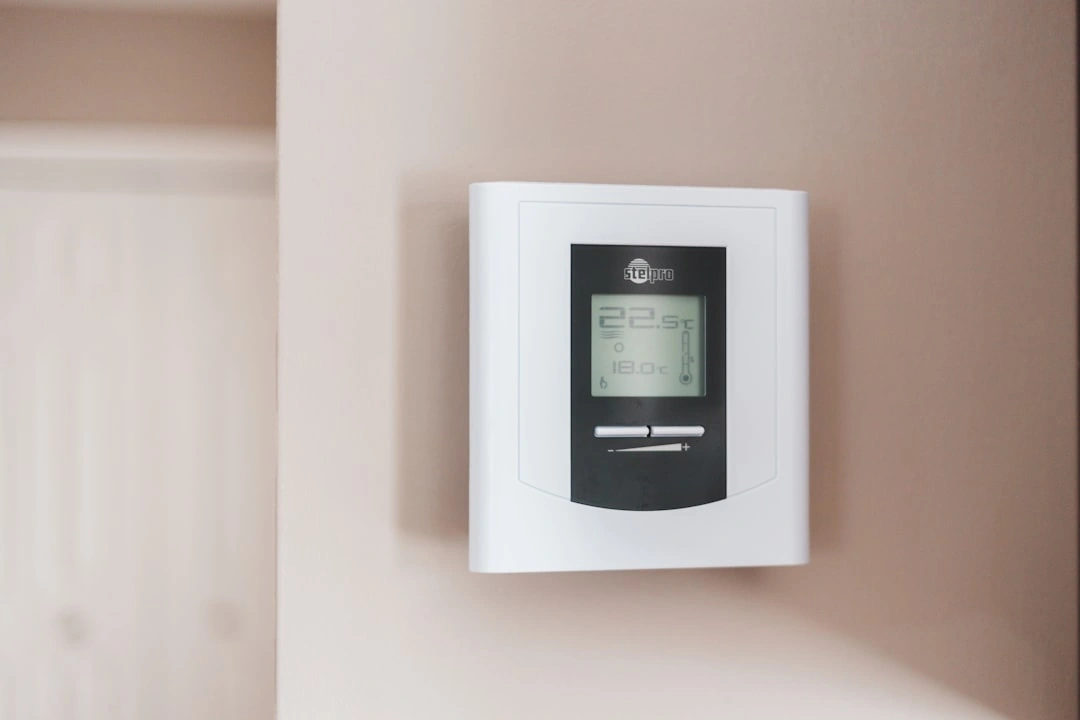
For most homes, 75 to 78°F during the day is the best balance between comfort and efficiency. The U.S. Department of Energy commonly recommends 78°F when you are home and need cooling.
A helpful rule of thumb: setting your thermostat just 1 degree above 72°F can save up to 3% on cooling costs. That means bumping the setting up a few degrees can add up quickly over a long summer.
A practical approach for many local homeowners is:
• 78°F when you are home
• A few degrees higher when the house is empty
• Slightly lower at night only if needed for sleep and comfort
If 78°F sounds ambitious, do not jump there all at once. Raise it gradually by 1 degree every few days. Your body adjusts faster than you think, especially when ceiling fans are doing their job.
One of the most misunderstood questions we hear is whether raising the thermostat while you are away makes the AC "work harder" later. In general, using setbacks still saves energy.
Research shows you can save up to 10% per year on heating and cooling by adjusting your thermostat 7 to 10 degrees from its normal setting for about eight hours a day. Another version of that same guidance shows raising the temperature 5 to 7 degrees for eight hours can lower annual electric use by up to 10%.
The key is smart setbacks, not wild swings. Try this:
• Raise the setting when everyone leaves for work or school
• Program the system to begin cooling before you return
• Use a modest nighttime adjustment if your household sleeps cooler
Smart thermostats make this easier by automating schedules and learning occupancy patterns.
In our local climate, "auto" is usually the better fan setting than "on." Here is why:
• "Auto" runs the blower only when the system is actively cooling
• "On" keeps the blower running constantly
• In humid weather, continuous fan operation can move moisture back into the home after the cooling cycle ends
That extra humidity can make the house feel sticky and uncomfortable, even if the temperature setting looks fine. If you want a deeper look at why humidity matters so much here, read how Southeast Texas climate affects your HVAC system.
These are the quick wins. None require magic. Sadly, we checked.
Sunlight pouring through windows may look lovely, but during a heat wave it acts more like a space heater. Exterior window shading can reduce solar heat gain by about 65% to 77% and keep rooms 2 to 9°F cooler during heat waves. Studies have also found exterior shades can save around 1.0 to 3.2 kWh of cooling energy per day compared with interior vinyl blinds.
Focus first on:
• West-facing windows
• Large uncovered glass areas
• Rooms that heat up in late afternoon
Use:
• Blackout curtains
• Cellular shades
• Solar screens
• Exterior shades when possible
Fans do not cool the air. They cool people by increasing evaporation from your skin. That is still a win.
Set ceiling fans to rotate counterclockwise in summer so they push air downward. When used in occupied rooms, they can make the space feel several degrees cooler, often enough to let you raise the thermostat by a few degrees without sacrificing comfort.
Best practices:
• Use fans only in occupied rooms
• Turn them off when you leave
• Pair them with AC, not instead of AC during dangerous heat
A clogged filter restricts airflow and forces your AC to work harder. The U.S. Department of Energy says a clean filter can lower AC energy consumption by 5% to 15%.
A good rule for cooling season:
• Check filters monthly
• Replace or clean them every 1 to 3 months
• Check more often if you have pets, construction dust, or high use
If your AC is running but not cooling well, a dirty filter is one of the first things to inspect. We cover more causes here: Why Is My AC Running But Not Cooling.
Tiny gaps can leak a surprising amount of cooled air. Sealing doors and windows can cut annual energy bills by up to 10%.
Look for:
• Daylight around exterior doors
• Drafts near window frames
• Gaps where pipes or wires enter the home
• Worn weatherstripping
Use caulk for fixed gaps and weatherstripping for moving parts like doors and operable windows.
Your appliances create heat indoors, which your AC then has to remove. During a heat wave, that is like paying twice for the same discomfort.
Try moving these tasks to early morning or later evening:
• Laundry
• Dishwashing
• Oven use
• Long hot showers
• Dryer cycles
This habit can also help if your utility plan has time-of-use pricing or higher peak-period rates.
If overnight temperatures dip enough, take advantage of it. Open windows during cooler evening or early morning hours and use fans to create cross-ventilation. Then close windows and blinds before the day heats up.
This works best when:
• Outdoor air is actually cooler than indoor air
• Humidity is manageable
• Air quality is good
In our area, this strategy is more useful on milder nights than on very humid ones, but even short periods of night ventilation can reduce morning heat buildup.
Every bit of indoor heat matters during a heat wave. Reduce extra load by:
• Switching off unnecessary lights
• Using LED bulbs
• Unplugging electronics with phantom loads
• Avoiding heat-generating devices during the afternoon
If you have a central system, keep doors open enough for good airflow unless your home is designed for zoning. Closed interior doors can sometimes create pressure imbalances that affect circulation.
If one bedroom is always hotter, lowering the whole-house thermostat is rarely the best answer. That usually wastes energy. It is better to address airflow, insulation, solar gain, or equipment issues directly.
Microwaves, slow cookers, air fryers, and outdoor grilling often add less indoor heat than using the oven for a long stretch on a 100-degree day.
Even the best thermostat settings cannot help much if the system itself is struggling.
A well-maintained system runs more efficiently and is less likely to fail when you need it most. Key maintenance steps include:
• Cleaning indoor and outdoor coils
• Checking refrigerant levels
• Inspecting the condensate drain line
• Confirming proper blower operation
• Clearing debris around the outdoor unit
• Making sure vents are open and unobstructed
Give the outdoor condenser breathing room. Keep plants, leaves, grass clippings, and yard debris away from it. For more seasonal prep tips, see Preparing Your Home's Cooling System for a Smooth Summer.
For most homes in our service area:
• Inspect filters every month during heavy cooling season
• Replace standard filters every 1 to 3 months as needed
• Schedule professional maintenance before summer, and in many cases twice yearly for year-round HVAC care
If you want a deeper breakdown, read How Often Should You Service Your AC in Texas.
Call for help if you notice:
• The system runs nonstop but indoor temperatures keep rising
• Weak airflow from vents
• Warm air coming from supply registers
• Breaker trips
• Unusual noises
• Water leaks around the indoor unit
• The thermostat is satisfied only late at night
These are common warning signs that your AC cannot keep up, is losing efficiency, or may be heading toward a breakdown. Helpful reads include When Your AC Can't Keep Up With the Heat, AC Not Turning On During a Heatwave, and What Happens If You Skip AC Maintenance in Texas.
Quick fixes help, but some homes need better building performance, not just more thermostat discipline.
If you plan to stay in your home for years, these upgrades are often worth considering:
• Attic insulation
• Duct sealing
• Better window performance
• Solar screens or exterior shading
• Air sealing throughout the home
• Cool or reflective roofing
Cool roofs can provide annual energy savings of nearly 50 cents per square foot in some studies. That can be especially meaningful on homes with large roof areas and lots of sun exposure.
• Close blinds during the day — Long-term upgrade: Install exterior shading or solar screens
• Replace filters regularly — Long-term upgrade: Upgrade to higher-efficiency equipment
• Use caulk and weatherstripping — Long-term upgrade: Improve whole-home air sealing and insulation
• Raise thermostat a few degrees — Long-term upgrade: Install a smart thermostat with scheduling
• Run fans in occupied rooms — Long-term upgrade: Upgrade windows or add a cool roof
Smart thermostats help by:
• Automating setbacks
• Adjusting schedules around your routine
• Offering remote control from your phone
• Showing usage reports that help you spot waste
DOE guidance commonly points to about 10% annual savings on heating and cooling from good thermostat setbacks and smart control habits.
If your current system is aging or inefficient, equipment upgrades may also make sense. High-efficiency systems, variable-speed technology, and properly matched equipment can improve comfort and reduce runtime. Learn more in Standard Efficiency vs High Efficiency AC Comparison.
Not every heat solution starts inside the house. Neighborhood heat also matters.
Helpful community strategies include:
• Planting shade trees
• Adding more vegetation
• Using reflective roofing and paving where possible
• Supporting designs that reduce urban heat island effects
• Checking on neighbors during extreme heat
Trees help by providing shade and cooling the air through evapotranspiration. That can reduce heat around homes and lower cooling demand over time.
Yes, in deregulated parts of Texas, reviewing your electricity plan can help manage summer bills. Heat waves increase demand, and the wrong plan structure can make that more painful.
Look at:
• Fixed-rate versus variable-rate plans
• Time-of-use pricing
• Contract terms and seasonal rate changes
• Whether your household can realistically shift usage to off-peak hours
This will not reduce your AC's energy use, but it can reduce what you pay for the energy you use.
Reducing cooling costs during heat waves comes down to a simple formula: keep heat out, help your AC move air efficiently, and avoid making your system work harder than it has to. In homes across Pinehurst and the north side of Harris County, that usually means better thermostat habits, cleaner filters, less sunlight, fewer air leaks, and timely maintenance.
If you want help getting your system ready for extreme summer weather, our team at Air Comfort Solutions LLC is here to help. You can learn more about our HVAC Maintenance Plan or explore more info about air conditioning services.
A little preparation now can help you stay safer, more comfortable, and a lot less stressed the next time the forecast starts using words like "dangerous heat."
Reducing cooling costs during heat waves is one of the most common concerns for homeowners in North Harris County — and for good reason. When temperatures push past 100°F for days at a time, your air conditioner runs almost nonstop, electricity demand spikes across the grid, and your monthly bill climbs fast. According to the U.S. Energy Information Administration, Americans are already paying about 2% more for electricity compared to last summer, and that number hits harder when your system is working overtime just to keep up.
Here are the most effective ways to lower your cooling costs during a heat wave:
The challenge is that most people only think about these steps after they've already received a painful electric bill. Heat waves don't just strain your wallet — they put real pressure on your comfort and your family's safety, especially for older adults and young children who are more vulnerable to heat-related illness. Getting ahead of the problem with smart, simple habits makes a measurable difference.
A heat wave is generally a stretch of abnormally hot weather lasting at least two days, relative to the local climate. Around Pinehurst, Magnolia, Tomball, The Woodlands, Spring, Conroe, Montgomery, Plantersville, and nearby North Harris County communities, that usually means intense sun, high humidity, hot nights, and very little recovery time for your home.
When outdoor temperatures stay unusually high for several days, your AC has to run longer cycles to remove both heat and humidity. That matters because comfort in Southeast Texas is not just about temperature. Moisture in the air makes your system work harder and can make 76°F feel warmer than it should.
Heat waves raise cooling costs for a few simple reasons:
Cooling already makes up about 12% of the average U.S. home's energy bill, and during a serious heat wave that share can jump fast. If your system is dirty, leaking air, or overdue for maintenance, the problem gets worse.
There is no one-size-fits-all number, because home size, insulation, thermostat settings, AC condition, and utility plan all matter. But we do know two things from recent data:
In real life, many homeowners notice their summer bill rise sharply during long hot spells simply because the AC becomes the biggest user of electricity in the house. Add laundry, cooking, and afternoon sun, and your home can feel like it is teaming up against you.
Saving energy is important, but safety comes first. During extreme heat, indoor temperatures can become dangerous, especially for:
Stay hydrated, wear lightweight clothing indoors, and avoid letting savings goals push your home to unsafe temperatures. If your AC is struggling, have a backup plan, such as spending part of the hottest hours in a cooler location or checking on relatives and neighbors.
Your thermostat is the command center for your comfort and your utility use. Small changes here can make a big difference.
For most homes, 75 to 78°F during the day is the best balance between comfort and efficiency. The U.S. Department of Energy commonly recommends 78°F when you are home and need cooling.
A helpful rule of thumb: setting your thermostat just 1 degree above 72°F can save up to 3% on cooling costs. That means bumping the setting up a few degrees can add up quickly over a long summer.
A practical approach for many local homeowners is:
If 78°F sounds ambitious, do not jump there all at once. Raise it gradually by 1 degree every few days. Your body adjusts faster than you think, especially when ceiling fans are doing their job.
One of the most misunderstood questions we hear is whether raising the thermostat while you are away makes the AC "work harder" later. In general, using setbacks still saves energy.
Research shows you can save up to 10% per year on heating and cooling by adjusting your thermostat 7 to 10 degrees from its normal setting for about eight hours a day. Another version of that same guidance shows raising the temperature 5 to 7 degrees for eight hours can lower annual electric use by up to 10%.
The key is smart setbacks, not wild swings. Try this:
Smart thermostats make this easier by automating schedules and learning occupancy patterns.
In our local climate, "auto" is usually the better fan setting than "on." Here is why:
That extra humidity can make the house feel sticky and uncomfortable, even if the temperature setting looks fine. If you want a deeper look at why humidity matters so much here, read how Southeast Texas climate affects your HVAC system.
These are the quick wins. None require magic. Sadly, we checked.
Sunlight pouring through windows may look lovely, but during a heat wave it acts more like a space heater. Exterior window shading can reduce solar heat gain by about 65% to 77% and keep rooms 2 to 9°F cooler during heat waves. Studies have also found exterior shades can save around 1.0 to 3.2 kWh of cooling energy per day compared with interior vinyl blinds.
Focus first on:
Use:
Fans do not cool the air. They cool people by increasing evaporation from your skin. That is still a win.
Set ceiling fans to rotate counterclockwise in summer so they push air downward. When used in occupied rooms, they can make the space feel several degrees cooler, often enough to let you raise the thermostat by a few degrees without sacrificing comfort.
Best practices:
A clogged filter restricts airflow and forces your AC to work harder. The U.S. Department of Energy says a clean filter can lower AC energy consumption by 5% to 15%.
A good rule for cooling season:
If your AC is running but not cooling well, a dirty filter is one of the first things to inspect. We cover more causes here: Why Is My AC Running But Not Cooling.
Tiny gaps can leak a surprising amount of cooled air. Sealing doors and windows can cut annual energy bills by up to 10%.
Look for:
Use caulk for fixed gaps and weatherstripping for moving parts like doors and operable windows.
Your appliances create heat indoors, which your AC then has to remove. During a heat wave, that is like paying twice for the same discomfort.
Try moving these tasks to early morning or later evening:
This habit can also help if your utility plan has time-of-use pricing or higher peak-period rates.
If overnight temperatures dip enough, take advantage of it. Open windows during cooler evening or early morning hours and use fans to create cross-ventilation. Then close windows and blinds before the day heats up.
This works best when:
In our area, this strategy is more useful on milder nights than on very humid ones, but even short periods of night ventilation can reduce morning heat buildup.
Every bit of indoor heat matters during a heat wave. Reduce extra load by:
If you have a central system, keep doors open enough for good airflow unless your home is designed for zoning. Closed interior doors can sometimes create pressure imbalances that affect circulation.
If one bedroom is always hotter, lowering the whole-house thermostat is rarely the best answer. That usually wastes energy. It is better to address airflow, insulation, solar gain, or equipment issues directly.
Microwaves, slow cookers, air fryers, and outdoor grilling often add less indoor heat than using the oven for a long stretch on a 100-degree day.
Even the best thermostat settings cannot help much if the system itself is struggling.
A well-maintained system runs more efficiently and is less likely to fail when you need it most. Key maintenance steps include:
Give the outdoor condenser breathing room. Keep plants, leaves, grass clippings, and yard debris away from it. For more seasonal prep tips, see Preparing Your Home's Cooling System for a Smooth Summer.
For most homes in our service area:
If you want a deeper breakdown, read How Often Should You Service Your AC in Texas.
Call for help if you notice:
These are common warning signs that your AC cannot keep up, is losing efficiency, or may be heading toward a breakdown. Helpful reads include When Your AC Can't Keep Up With the Heat, AC Not Turning On During a Heatwave, and What Happens If You Skip AC Maintenance in Texas.
Quick fixes help, but some homes need better building performance, not just more thermostat discipline.
If you plan to stay in your home for years, these upgrades are often worth considering:
Cool roofs can provide annual energy savings of nearly 50 cents per square foot in some studies. That can be especially meaningful on homes with large roof areas and lots of sun exposure.
| Quick fix | Long-term upgrade |
|---|---|
| Close blinds during the day | Install exterior shading or solar screens |
| Replace filters regularly | Upgrade to higher-efficiency equipment |
| Use caulk and weatherstripping | Improve whole-home air sealing and insulation |
| Raise thermostat a few degrees | Install a smart thermostat with scheduling |
| Run fans in occupied rooms | Upgrade windows or add a cool roof |
Smart thermostats help by:
DOE guidance commonly points to about 10% annual savings on heating and cooling from good thermostat setbacks and smart control habits.
If your current system is aging or inefficient, equipment upgrades may also make sense. High-efficiency systems, variable-speed technology, and properly matched equipment can improve comfort and reduce runtime. Learn more in Standard Efficiency vs High Efficiency AC Comparison.
Not every heat solution starts inside the house. Neighborhood heat also matters.
Helpful community strategies include:
Trees help by providing shade and cooling the air through evapotranspiration. That can reduce heat around homes and lower cooling demand over time.
Yes, in deregulated parts of Texas, reviewing your electricity plan can help manage summer bills. Heat waves increase demand, and the wrong plan structure can make that more painful.
Look at:
This will not reduce your AC's energy use, but it can reduce what you pay for the energy you use.
Reducing cooling costs during heat waves comes down to a simple formula: keep heat out, help your AC move air efficiently, and avoid making your system work harder than it has to. In homes across Pinehurst and the north side of Harris County, that usually means better thermostat habits, cleaner filters, less sunlight, fewer air leaks, and timely maintenance.
If you want help getting your system ready for extreme summer weather, our team at Air Comfort Solutions LLC is here to help. You can learn more about our HVAC Maintenance Plan or explore more info about air conditioning services.
A little preparation now can help you stay safer, more comfortable, and a lot less stressed the next time the forecast starts using words like "dangerous heat."
Reducing cooling costs during heat waves is one of the most common concerns for homeowners in North Harris County — and for good reason. When temperatures push past 100°F for days at a time, your air conditioner runs almost nonstop, electricity demand spikes across the grid, and your monthly bill climbs fast. According to the U.S. Energy Information Administration, Americans are already paying about 2% more for electricity compared to last summer, and that number hits harder when your system is working overtime just to keep up.
Here are the most effective ways to lower your cooling costs during a heat wave:
The challenge is that most people only think about these steps after they've already received a painful electric bill. Heat waves don't just strain your wallet — they put real pressure on your comfort and your family's safety, especially for older adults and young children who are more vulnerable to heat-related illness. Getting ahead of the problem with smart, simple habits makes a measurable difference.
A heat wave is generally a stretch of abnormally hot weather lasting at least two days, relative to the local climate. Around Pinehurst, Magnolia, Tomball, The Woodlands, Spring, Conroe, Montgomery, Plantersville, and nearby North Harris County communities, that usually means intense sun, high humidity, hot nights, and very little recovery time for your home.
When outdoor temperatures stay unusually high for several days, your AC has to run longer cycles to remove both heat and humidity. That matters because comfort in Southeast Texas is not just about temperature. Moisture in the air makes your system work harder and can make 76°F feel warmer than it should.
Heat waves raise cooling costs for a few simple reasons:
Cooling already makes up about 12% of the average U.S. home's energy bill, and during a serious heat wave that share can jump fast. If your system is dirty, leaking air, or overdue for maintenance, the problem gets worse.
There is no one-size-fits-all number, because home size, insulation, thermostat settings, AC condition, and utility plan all matter. But we do know two things from recent data:
In real life, many homeowners notice their summer bill rise sharply during long hot spells simply because the AC becomes the biggest user of electricity in the house. Add laundry, cooking, and afternoon sun, and your home can feel like it is teaming up against you.
Saving energy is important, but safety comes first. During extreme heat, indoor temperatures can become dangerous, especially for:
Stay hydrated, wear lightweight clothing indoors, and avoid letting savings goals push your home to unsafe temperatures. If your AC is struggling, have a backup plan, such as spending part of the hottest hours in a cooler location or checking on relatives and neighbors.
Your thermostat is the command center for your comfort and your utility use. Small changes here can make a big difference.
For most homes, 75 to 78°F during the day is the best balance between comfort and efficiency. The U.S. Department of Energy commonly recommends 78°F when you are home and need cooling.
A helpful rule of thumb: setting your thermostat just 1 degree above 72°F can save up to 3% on cooling costs. That means bumping the setting up a few degrees can add up quickly over a long summer.
A practical approach for many local homeowners is:
If 78°F sounds ambitious, do not jump there all at once. Raise it gradually by 1 degree every few days. Your body adjusts faster than you think, especially when ceiling fans are doing their job.
One of the most misunderstood questions we hear is whether raising the thermostat while you are away makes the AC "work harder" later. In general, using setbacks still saves energy.
Research shows you can save up to 10% per year on heating and cooling by adjusting your thermostat 7 to 10 degrees from its normal setting for about eight hours a day. Another version of that same guidance shows raising the temperature 5 to 7 degrees for eight hours can lower annual electric use by up to 10%.
The key is smart setbacks, not wild swings. Try this:
Smart thermostats make this easier by automating schedules and learning occupancy patterns.
In our local climate, "auto" is usually the better fan setting than "on." Here is why:
That extra humidity can make the house feel sticky and uncomfortable, even if the temperature setting looks fine. If you want a deeper look at why humidity matters so much here, read how Southeast Texas climate affects your HVAC system.
These are the quick wins. None require magic. Sadly, we checked.
Sunlight pouring through windows may look lovely, but during a heat wave it acts more like a space heater. Exterior window shading can reduce solar heat gain by about 65% to 77% and keep rooms 2 to 9°F cooler during heat waves. Studies have also found exterior shades can save around 1.0 to 3.2 kWh of cooling energy per day compared with interior vinyl blinds.
Focus first on:
Use:
Fans do not cool the air. They cool people by increasing evaporation from your skin. That is still a win.
Set ceiling fans to rotate counterclockwise in summer so they push air downward. When used in occupied rooms, they can make the space feel several degrees cooler, often enough to let you raise the thermostat by a few degrees without sacrificing comfort.
Best practices:
A clogged filter restricts airflow and forces your AC to work harder. The U.S. Department of Energy says a clean filter can lower AC energy consumption by 5% to 15%.
A good rule for cooling season:
If your AC is running but not cooling well, a dirty filter is one of the first things to inspect. We cover more causes here: Why Is My AC Running But Not Cooling.
Tiny gaps can leak a surprising amount of cooled air. Sealing doors and windows can cut annual energy bills by up to 10%.
Look for:
Use caulk for fixed gaps and weatherstripping for moving parts like doors and operable windows.
Your appliances create heat indoors, which your AC then has to remove. During a heat wave, that is like paying twice for the same discomfort.
Try moving these tasks to early morning or later evening:
This habit can also help if your utility plan has time-of-use pricing or higher peak-period rates.
If overnight temperatures dip enough, take advantage of it. Open windows during cooler evening or early morning hours and use fans to create cross-ventilation. Then close windows and blinds before the day heats up.
This works best when:
In our area, this strategy is more useful on milder nights than on very humid ones, but even short periods of night ventilation can reduce morning heat buildup.
Every bit of indoor heat matters during a heat wave. Reduce extra load by:
If you have a central system, keep doors open enough for good airflow unless your home is designed for zoning. Closed interior doors can sometimes create pressure imbalances that affect circulation.
If one bedroom is always hotter, lowering the whole-house thermostat is rarely the best answer. That usually wastes energy. It is better to address airflow, insulation, solar gain, or equipment issues directly.
Microwaves, slow cookers, air fryers, and outdoor grilling often add less indoor heat than using the oven for a long stretch on a 100-degree day.
Even the best thermostat settings cannot help much if the system itself is struggling.
A well-maintained system runs more efficiently and is less likely to fail when you need it most. Key maintenance steps include:
Give the outdoor condenser breathing room. Keep plants, leaves, grass clippings, and yard debris away from it. For more seasonal prep tips, see Preparing Your Home's Cooling System for a Smooth Summer.
For most homes in our service area:
If you want a deeper breakdown, read How Often Should You Service Your AC in Texas.
Call for help if you notice:
These are common warning signs that your AC cannot keep up, is losing efficiency, or may be heading toward a breakdown. Helpful reads include When Your AC Can't Keep Up With the Heat, AC Not Turning On During a Heatwave, and What Happens If You Skip AC Maintenance in Texas.
Quick fixes help, but some homes need better building performance, not just more thermostat discipline.
If you plan to stay in your home for years, these upgrades are often worth considering:
Cool roofs can provide annual energy savings of nearly 50 cents per square foot in some studies. That can be especially meaningful on homes with large roof areas and lots of sun exposure.
| Quick fix | Long-term upgrade |
|---|---|
| Close blinds during the day | Install exterior shading or solar screens |
| Replace filters regularly | Upgrade to higher-efficiency equipment |
| Use caulk and weatherstripping | Improve whole-home air sealing and insulation |
| Raise thermostat a few degrees | Install a smart thermostat with scheduling |
| Run fans in occupied rooms | Upgrade windows or add a cool roof |
Smart thermostats help by:
DOE guidance commonly points to about 10% annual savings on heating and cooling from good thermostat setbacks and smart control habits.
If your current system is aging or inefficient, equipment upgrades may also make sense. High-efficiency systems, variable-speed technology, and properly matched equipment can improve comfort and reduce runtime. Learn more in Standard Efficiency vs High Efficiency AC Comparison.
Not every heat solution starts inside the house. Neighborhood heat also matters.
Helpful community strategies include:
Trees help by providing shade and cooling the air through evapotranspiration. That can reduce heat around homes and lower cooling demand over time.
Yes, in deregulated parts of Texas, reviewing your electricity plan can help manage summer bills. Heat waves increase demand, and the wrong plan structure can make that more painful.
Look at:
This will not reduce your AC's energy use, but it can reduce what you pay for the energy you use.
Reducing cooling costs during heat waves comes down to a simple formula: keep heat out, help your AC move air efficiently, and avoid making your system work harder than it has to. In homes across Pinehurst and the north side of Harris County, that usually means better thermostat habits, cleaner filters, less sunlight, fewer air leaks, and timely maintenance.
If you want help getting your system ready for extreme summer weather, our team at Air Comfort Solutions LLC is here to help. You can learn more about our HVAC Maintenance Plan or explore more info about air conditioning services.
A little preparation now can help you stay safer, more comfortable, and a lot less stressed the next time the forecast starts using words like "dangerous heat."
Reducing cooling costs during heat waves is one of the most common concerns for homeowners in North Harris County — and for good reason. When temperatures push past 100°F for days at a time, your air conditioner runs almost nonstop, electricity demand spikes across the grid, and your monthly bill climbs fast. According to the U.S. Energy Information Administration, Americans are already paying about 2% more for electricity compared to last summer, and that number hits harder when your system is working overtime just to keep up.
Here are the most effective ways to lower your cooling costs during a heat wave:
The challenge is that most people only think about these steps after they've already received a painful electric bill. Heat waves don't just strain your wallet — they put real pressure on your comfort and your family's safety, especially for older adults and young children who are more vulnerable to heat-related illness. Getting ahead of the problem with smart, simple habits makes a measurable difference.
A heat wave is generally a stretch of abnormally hot weather lasting at least two days, relative to the local climate. Around Pinehurst, Magnolia, Tomball, The Woodlands, Spring, Conroe, Montgomery, Plantersville, and nearby North Harris County communities, that usually means intense sun, high humidity, hot nights, and very little recovery time for your home.
When outdoor temperatures stay unusually high for several days, your AC has to run longer cycles to remove both heat and humidity. That matters because comfort in Southeast Texas is not just about temperature. Moisture in the air makes your system work harder and can make 76°F feel warmer than it should.
Heat waves raise cooling costs for a few simple reasons:
Cooling already makes up about 12% of the average U.S. home's energy bill, and during a serious heat wave that share can jump fast. If your system is dirty, leaking air, or overdue for maintenance, the problem gets worse.
There is no one-size-fits-all number, because home size, insulation, thermostat settings, AC condition, and utility plan all matter. But we do know two things from recent data:
In real life, many homeowners notice their summer bill rise sharply during long hot spells simply because the AC becomes the biggest user of electricity in the house. Add laundry, cooking, and afternoon sun, and your home can feel like it is teaming up against you.
Saving energy is important, but safety comes first. During extreme heat, indoor temperatures can become dangerous, especially for:
Stay hydrated, wear lightweight clothing indoors, and avoid letting savings goals push your home to unsafe temperatures. If your AC is struggling, have a backup plan, such as spending part of the hottest hours in a cooler location or checking on relatives and neighbors.
Your thermostat is the command center for your comfort and your utility use. Small changes here can make a big difference.
For most homes, 75 to 78°F during the day is the best balance between comfort and efficiency. The U.S. Department of Energy commonly recommends 78°F when you are home and need cooling.
A helpful rule of thumb: setting your thermostat just 1 degree above 72°F can save up to 3% on cooling costs. That means bumping the setting up a few degrees can add up quickly over a long summer.
A practical approach for many local homeowners is:
If 78°F sounds ambitious, do not jump there all at once. Raise it gradually by 1 degree every few days. Your body adjusts faster than you think, especially when ceiling fans are doing their job.
One of the most misunderstood questions we hear is whether raising the thermostat while you are away makes the AC "work harder" later. In general, using setbacks still saves energy.
Research shows you can save up to 10% per year on heating and cooling by adjusting your thermostat 7 to 10 degrees from its normal setting for about eight hours a day. Another version of that same guidance shows raising the temperature 5 to 7 degrees for eight hours can lower annual electric use by up to 10%.
The key is smart setbacks, not wild swings. Try this:
Smart thermostats make this easier by automating schedules and learning occupancy patterns.
In our local climate, "auto" is usually the better fan setting than "on." Here is why:
That extra humidity can make the house feel sticky and uncomfortable, even if the temperature setting looks fine. If you want a deeper look at why humidity matters so much here, read how Southeast Texas climate affects your HVAC system.
These are the quick wins. None require magic. Sadly, we checked.
Sunlight pouring through windows may look lovely, but during a heat wave it acts more like a space heater. Exterior window shading can reduce solar heat gain by about 65% to 77% and keep rooms 2 to 9°F cooler during heat waves. Studies have also found exterior shades can save around 1.0 to 3.2 kWh of cooling energy per day compared with interior vinyl blinds.
Focus first on:
Use:
Fans do not cool the air. They cool people by increasing evaporation from your skin. That is still a win.
Set ceiling fans to rotate counterclockwise in summer so they push air downward. When used in occupied rooms, they can make the space feel several degrees cooler, often enough to let you raise the thermostat by a few degrees without sacrificing comfort.
Best practices:
A clogged filter restricts airflow and forces your AC to work harder. The U.S. Department of Energy says a clean filter can lower AC energy consumption by 5% to 15%.
A good rule for cooling season:
If your AC is running but not cooling well, a dirty filter is one of the first things to inspect. We cover more causes here: Why Is My AC Running But Not Cooling.
Tiny gaps can leak a surprising amount of cooled air. Sealing doors and windows can cut annual energy bills by up to 10%.
Look for:
Use caulk for fixed gaps and weatherstripping for moving parts like doors and operable windows.
Your appliances create heat indoors, which your AC then has to remove. During a heat wave, that is like paying twice for the same discomfort.
Try moving these tasks to early morning or later evening:
This habit can also help if your utility plan has time-of-use pricing or higher peak-period rates.
If overnight temperatures dip enough, take advantage of it. Open windows during cooler evening or early morning hours and use fans to create cross-ventilation. Then close windows and blinds before the day heats up.
This works best when:
In our area, this strategy is more useful on milder nights than on very humid ones, but even short periods of night ventilation can reduce morning heat buildup.
Every bit of indoor heat matters during a heat wave. Reduce extra load by:
If you have a central system, keep doors open enough for good airflow unless your home is designed for zoning. Closed interior doors can sometimes create pressure imbalances that affect circulation.
If one bedroom is always hotter, lowering the whole-house thermostat is rarely the best answer. That usually wastes energy. It is better to address airflow, insulation, solar gain, or equipment issues directly.
Microwaves, slow cookers, air fryers, and outdoor grilling often add less indoor heat than using the oven for a long stretch on a 100-degree day.
Even the best thermostat settings cannot help much if the system itself is struggling.
A well-maintained system runs more efficiently and is less likely to fail when you need it most. Key maintenance steps include:
Give the outdoor condenser breathing room. Keep plants, leaves, grass clippings, and yard debris away from it. For more seasonal prep tips, see Preparing Your Home's Cooling System for a Smooth Summer.
For most homes in our service area:
If you want a deeper breakdown, read How Often Should You Service Your AC in Texas.
Call for help if you notice:
These are common warning signs that your AC cannot keep up, is losing efficiency, or may be heading toward a breakdown. Helpful reads include When Your AC Can't Keep Up With the Heat, AC Not Turning On During a Heatwave, and What Happens If You Skip AC Maintenance in Texas.
Quick fixes help, but some homes need better building performance, not just more thermostat discipline.
If you plan to stay in your home for years, these upgrades are often worth considering:
Cool roofs can provide annual energy savings of nearly 50 cents per square foot in some studies. That can be especially meaningful on homes with large roof areas and lots of sun exposure.
| Quick fix | Long-term upgrade |
|---|---|
| Close blinds during the day | Install exterior shading or solar screens |
| Replace filters regularly | Upgrade to higher-efficiency equipment |
| Use caulk and weatherstripping | Improve whole-home air sealing and insulation |
| Raise thermostat a few degrees | Install a smart thermostat with scheduling |
| Run fans in occupied rooms | Upgrade windows or add a cool roof |
Smart thermostats help by:
DOE guidance commonly points to about 10% annual savings on heating and cooling from good thermostat setbacks and smart control habits.
If your current system is aging or inefficient, equipment upgrades may also make sense. High-efficiency systems, variable-speed technology, and properly matched equipment can improve comfort and reduce runtime. Learn more in Standard Efficiency vs High Efficiency AC Comparison.
Not every heat solution starts inside the house. Neighborhood heat also matters.
Helpful community strategies include:
Trees help by providing shade and cooling the air through evapotranspiration. That can reduce heat around homes and lower cooling demand over time.
Yes, in deregulated parts of Texas, reviewing your electricity plan can help manage summer bills. Heat waves increase demand, and the wrong plan structure can make that more painful.
Look at:
This will not reduce your AC's energy use, but it can reduce what you pay for the energy you use.
Reducing cooling costs during heat waves comes down to a simple formula: keep heat out, help your AC move air efficiently, and avoid making your system work harder than it has to. In homes across Pinehurst and the north side of Harris County, that usually means better thermostat habits, cleaner filters, less sunlight, fewer air leaks, and timely maintenance.
If you want help getting your system ready for extreme summer weather, our team at Air Comfort Solutions LLC is here to help. You can learn more about our HVAC Maintenance Plan or explore more info about air conditioning services.
A little preparation now can help you stay safer, more comfortable, and a lot less stressed the next time the forecast starts using words like "dangerous heat."
Reducing cooling costs during heat waves is one of the most common concerns for homeowners in North Harris County — and for good reason. When temperatures push past 100°F for days at a time, your air conditioner runs almost nonstop, electricity demand spikes across the grid, and your monthly bill climbs fast. According to the U.S. Energy Information Administration, Americans are already paying about 2% more for electricity compared to last summer, and that number hits harder when your system is working overtime just to keep up.
Here are the most effective ways to lower your cooling costs during a heat wave:
The challenge is that most people only think about these steps after they've already received a painful electric bill. Heat waves don't just strain your wallet — they put real pressure on your comfort and your family's safety, especially for older adults and young children who are more vulnerable to heat-related illness. Getting ahead of the problem with smart, simple habits makes a measurable difference.
A heat wave is generally a stretch of abnormally hot weather lasting at least two days, relative to the local climate. Around Pinehurst, Magnolia, Tomball, The Woodlands, Spring, Conroe, Montgomery, Plantersville, and nearby North Harris County communities, that usually means intense sun, high humidity, hot nights, and very little recovery time for your home.
When outdoor temperatures stay unusually high for several days, your AC has to run longer cycles to remove both heat and humidity. That matters because comfort in Southeast Texas is not just about temperature. Moisture in the air makes your system work harder and can make 76°F feel warmer than it should.
Heat waves raise cooling costs for a few simple reasons:
Cooling already makes up about 12% of the average U.S. home's energy bill, and during a serious heat wave that share can jump fast. If your system is dirty, leaking air, or overdue for maintenance, the problem gets worse.
There is no one-size-fits-all number, because home size, insulation, thermostat settings, AC condition, and utility plan all matter. But we do know two things from recent data:
In real life, many homeowners notice their summer bill rise sharply during long hot spells simply because the AC becomes the biggest user of electricity in the house. Add laundry, cooking, and afternoon sun, and your home can feel like it is teaming up against you.
Saving energy is important, but safety comes first. During extreme heat, indoor temperatures can become dangerous, especially for:
Stay hydrated, wear lightweight clothing indoors, and avoid letting savings goals push your home to unsafe temperatures. If your AC is struggling, have a backup plan, such as spending part of the hottest hours in a cooler location or checking on relatives and neighbors.
Your thermostat is the command center for your comfort and your utility use. Small changes here can make a big difference.
For most homes, 75 to 78°F during the day is the best balance between comfort and efficiency. The U.S. Department of Energy commonly recommends 78°F when you are home and need cooling.
A helpful rule of thumb: setting your thermostat just 1 degree above 72°F can save up to 3% on cooling costs. That means bumping the setting up a few degrees can add up quickly over a long summer.
A practical approach for many local homeowners is:
If 78°F sounds ambitious, do not jump there all at once. Raise it gradually by 1 degree every few days. Your body adjusts faster than you think, especially when ceiling fans are doing their job.
One of the most misunderstood questions we hear is whether raising the thermostat while you are away makes the AC "work harder" later. In general, using setbacks still saves energy.
Research shows you can save up to 10% per year on heating and cooling by adjusting your thermostat 7 to 10 degrees from its normal setting for about eight hours a day. Another version of that same guidance shows raising the temperature 5 to 7 degrees for eight hours can lower annual electric use by up to 10%.
The key is smart setbacks, not wild swings. Try this:
Smart thermostats make this easier by automating schedules and learning occupancy patterns.
In our local climate, "auto" is usually the better fan setting than "on." Here is why:
That extra humidity can make the house feel sticky and uncomfortable, even if the temperature setting looks fine. If you want a deeper look at why humidity matters so much here, read how Southeast Texas climate affects your HVAC system.
These are the quick wins. None require magic. Sadly, we checked.
Sunlight pouring through windows may look lovely, but during a heat wave it acts more like a space heater. Exterior window shading can reduce solar heat gain by about 65% to 77% and keep rooms 2 to 9°F cooler during heat waves. Studies have also found exterior shades can save around 1.0 to 3.2 kWh of cooling energy per day compared with interior vinyl blinds.
Focus first on:
Use:
Fans do not cool the air. They cool people by increasing evaporation from your skin. That is still a win.
Set ceiling fans to rotate counterclockwise in summer so they push air downward. When used in occupied rooms, they can make the space feel several degrees cooler, often enough to let you raise the thermostat by a few degrees without sacrificing comfort.
Best practices:
A clogged filter restricts airflow and forces your AC to work harder. The U.S. Department of Energy says a clean filter can lower AC energy consumption by 5% to 15%.
A good rule for cooling season:
If your AC is running but not cooling well, a dirty filter is one of the first things to inspect. We cover more causes here: Why Is My AC Running But Not Cooling.
Tiny gaps can leak a surprising amount of cooled air. Sealing doors and windows can cut annual energy bills by up to 10%.
Look for:
Use caulk for fixed gaps and weatherstripping for moving parts like doors and operable windows.
Your appliances create heat indoors, which your AC then has to remove. During a heat wave, that is like paying twice for the same discomfort.
Try moving these tasks to early morning or later evening:
This habit can also help if your utility plan has time-of-use pricing or higher peak-period rates.
If overnight temperatures dip enough, take advantage of it. Open windows during cooler evening or early morning hours and use fans to create cross-ventilation. Then close windows and blinds before the day heats up.
This works best when:
In our area, this strategy is more useful on milder nights than on very humid ones, but even short periods of night ventilation can reduce morning heat buildup.
Every bit of indoor heat matters during a heat wave. Reduce extra load by:
If you have a central system, keep doors open enough for good airflow unless your home is designed for zoning. Closed interior doors can sometimes create pressure imbalances that affect circulation.
If one bedroom is always hotter, lowering the whole-house thermostat is rarely the best answer. That usually wastes energy. It is better to address airflow, insulation, solar gain, or equipment issues directly.
Microwaves, slow cookers, air fryers, and outdoor grilling often add less indoor heat than using the oven for a long stretch on a 100-degree day.
Even the best thermostat settings cannot help much if the system itself is struggling.
A well-maintained system runs more efficiently and is less likely to fail when you need it most. Key maintenance steps include:
Give the outdoor condenser breathing room. Keep plants, leaves, grass clippings, and yard debris away from it. For more seasonal prep tips, see Preparing Your Home's Cooling System for a Smooth Summer.
For most homes in our service area:
If you want a deeper breakdown, read How Often Should You Service Your AC in Texas.
Call for help if you notice:
These are common warning signs that your AC cannot keep up, is losing efficiency, or may be heading toward a breakdown. Helpful reads include When Your AC Can't Keep Up With the Heat, AC Not Turning On During a Heatwave, and What Happens If You Skip AC Maintenance in Texas.
Quick fixes help, but some homes need better building performance, not just more thermostat discipline.
If you plan to stay in your home for years, these upgrades are often worth considering:
Cool roofs can provide annual energy savings of nearly 50 cents per square foot in some studies. That can be especially meaningful on homes with large roof areas and lots of sun exposure.
| Quick fix | Long-term upgrade |
|---|---|
| Close blinds during the day | Install exterior shading or solar screens |
| Replace filters regularly | Upgrade to higher-efficiency equipment |
| Use caulk and weatherstripping | Improve whole-home air sealing and insulation |
| Raise thermostat a few degrees | Install a smart thermostat with scheduling |
| Run fans in occupied rooms | Upgrade windows or add a cool roof |
Smart thermostats help by:
DOE guidance commonly points to about 10% annual savings on heating and cooling from good thermostat setbacks and smart control habits.
If your current system is aging or inefficient, equipment upgrades may also make sense. High-efficiency systems, variable-speed technology, and properly matched equipment can improve comfort and reduce runtime. Learn more in Standard Efficiency vs High Efficiency AC Comparison.
Not every heat solution starts inside the house. Neighborhood heat also matters.
Helpful community strategies include:
Trees help by providing shade and cooling the air through evapotranspiration. That can reduce heat around homes and lower cooling demand over time.
Yes, in deregulated parts of Texas, reviewing your electricity plan can help manage summer bills. Heat waves increase demand, and the wrong plan structure can make that more painful.
Look at:
This will not reduce your AC's energy use, but it can reduce what you pay for the energy you use.
Reducing cooling costs during heat waves comes down to a simple formula: keep heat out, help your AC move air efficiently, and avoid making your system work harder than it has to. In homes across Pinehurst and the north side of Harris County, that usually means better thermostat habits, cleaner filters, less sunlight, fewer air leaks, and timely maintenance.
If you want help getting your system ready for extreme summer weather, our team at Air Comfort Solutions LLC is here to help. You can learn more about our HVAC Maintenance Plan or explore more info about air conditioning services.
A little preparation now can help you stay safer, more comfortable, and a lot less stressed the next time the forecast starts using words like "dangerous heat."


Zane came out and did an amazing job! Super friendly, honest and transparent about the work that needed to be done. This is my second time working with Air Comfort Solutions and they’re my go to for HVAC services. Highly recommend.
God's AMAZING grace sent us Robert and Zane. We have been without air in this Texas heat for six weeks and four days. We've had a few contractors give us quotes all trying to upsell when we're at a low point. But not the guys at Air Comfort Solutions. They came in assessed our situation, gave us honest feedback, and showed us the issues as they proceeded with the assessment for clear understanding. We highly recommend them for their professionalism, quality products, and fair pricing. We hands down support them for all the work they do 💯 %.
Robert and Zane gone above and beyond to make the process easy and affordable.
Would definitely recommend!!
I’m writing this review to let everyone know that Air Comfort Solutions is the company to work with. I know the owner ( Robert) for several years now. He has been taking care of my residential and business work orders. Robert is professional, knowledgeable and will save you money. I just want to thank Robert for great job you have been doing for me.