


Heating Options Comparisons for Homeowners: Heat Pumps vs. Gas Furnaces in Texas
Torn between a heat pump and a gas furnace? See our heating options comparisons for homeowners to decide with confidence before winter temperatures drop.
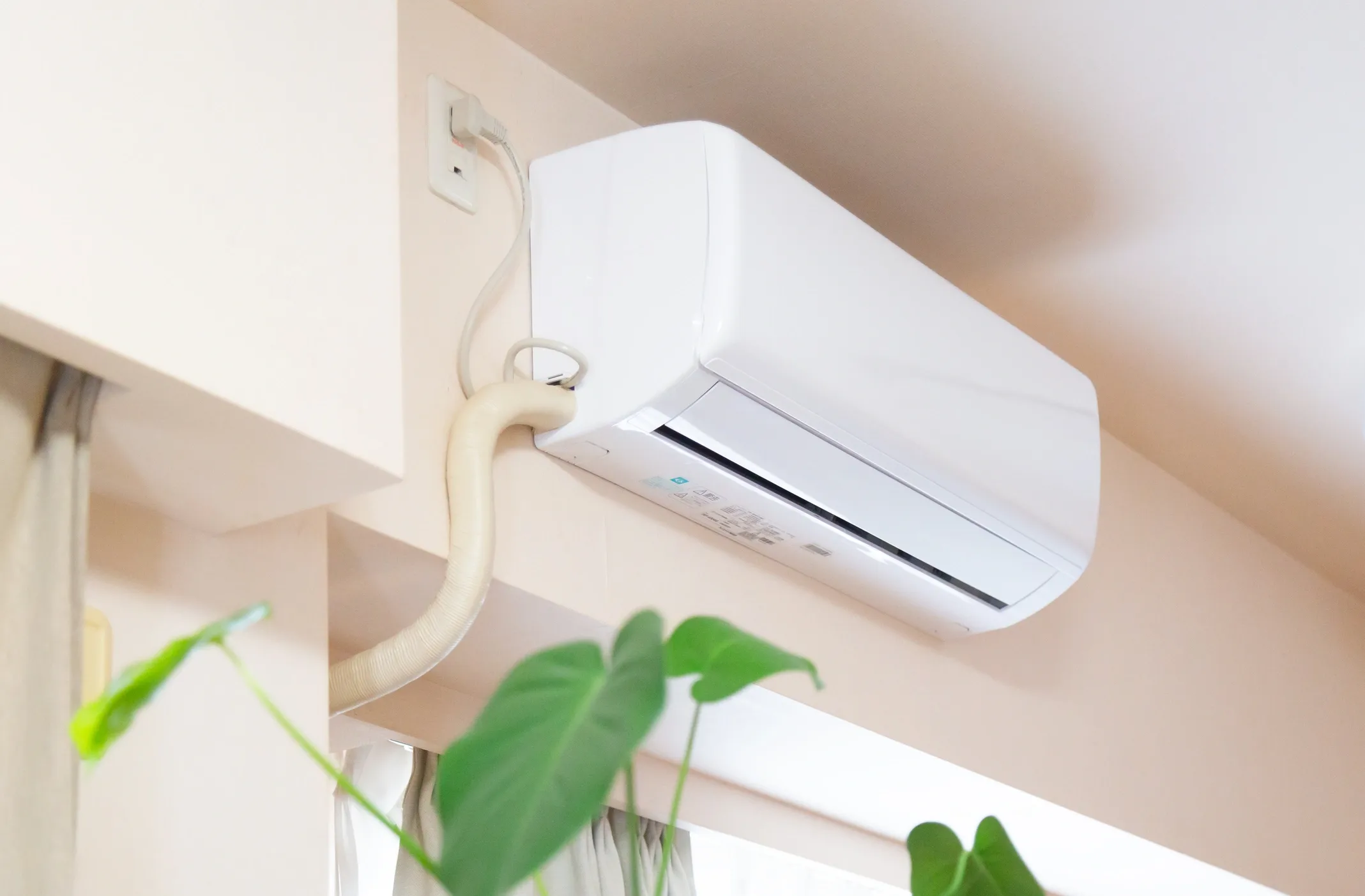
How to choose the right ac for your texas home comes down to five core factors that work together to keep you comfortable and in control of your energy bills:
1. Get the right size — based on a professional Manual J load calculation, not just square footage
2. Account for Texas-specific conditions — extreme heat, high humidity, and long cooling seasons demand more from your system
3. Choose the right system type — central split, ductless mini-split, or heat pump depending on your home’s layout and existing ductwork
4. Check efficiency ratings — look for SEER2 15 or higher (required in Texas), with 16–18 SEER2 offering the best balance for most homeowners
5. Hire a qualified local installer — proper installation and sizing are just as important as the equipment itself
If you live in Pinehurst, TX or anywhere in North Harris County, you already know what a Texas summer feels like. Temperatures climb past 100°F, the humidity makes it feel even hotter, and your air conditioner doesn’t get a break from late spring all the way through fall. In a climate like this, choosing the wrong AC system isn’t just uncomfortable — it can mean sky-high energy bills, a system that breaks down when you need it most, and repairs that add up fast.
About 19% of central AC systems purchased between 2009 and 2024 ran into at least one significant problem. In many cases, those problems trace back to a poor installation or a system that was never the right fit for the home in the first place. Getting this decision right from the start matters more than most homeowners realize.
This guide walks you through everything you need to know — from sizing and efficiency ratings to system types and installer selection — so you can make a confident, informed choice for your home.
When we talk about the “size” of an air conditioner, we aren’t talking about how much it physically weighs or how much space it takes up on your concrete pad. Instead, AC sizing refers to its cooling capacity. This capacity is measured in British Thermal Units (BTUs) and “tons.”
One BTU is the amount of energy required to raise the temperature of one pound of water by one degree Fahrenheit. In the HVAC world, we measure cooling capacity by how many BTUs of heat a system can remove from your home in one hour.
A “ton” of cooling is simply equal to 12,000 BTUs per hour. This terminology dates back to the days when people cooled buildings with actual ice; one ton of cooling is the amount of heat energy required to melt one ton of ice over a 24-hour period. Most residential systems in Southeast Texas range from 1.5 tons (18,000 BTUs/hr) up to 5 tons (60,000 BTUs/hr).
If you are wondering, “What Size Air Conditioner Do I Need?” you might be tempted to look up a quick chart online that matches your square footage to a specific tonnage. However, relying on square footage alone is a dangerous shortcut. In our hot and humid climate, two homes with the exact same square footage can require completely different cooling capacities.
Using outdated rules of thumb (like the old “one ton per 500 square feet” myth) often leads to incorrect sizing. When this happens, your comfort suffers and your utility bills spike. To understand why, we have to look at How Incorrect Sizing During Installation Wastes Energy.
Many homeowners assume that a larger air conditioner will cool their home faster and run more efficiently. In reality, an oversized air conditioner is one of the worst things you can install in a Texas home.
Because the system has too much cooling capacity, it will quickly lower the indoor air temperature and shut off. Once the temperature rises slightly, it turns back on, cools the space rapidly, and shuts off again. This rapid starting and stopping is called short-cycling.
Short-cycling causes several severe problems:
• Poor Humidity Control: An air conditioner must run continuously for a certain period to pull moisture out of the air. When a system short-cycles, it shuts off before it can dehumidify. This leaves your home feeling damp, sticky, and clammy—even if the thermostat says it is 72°F.
• Increased Wear and Tear: Compressors draw the most electrical power and experience the most physical stress when they start up. Frequent starting and stopping wears out expensive components prematurely.
• Higher Utility Bills: Because the motor is constantly starting up (which draws a surge of electricity), an oversized system wastes an incredible amount of energy.
• Mold and Mildew Risks: High indoor humidity combined with cool surfaces creates the perfect breeding ground for mold and mildew inside your ductwork and closets.
On the other end of the spectrum, an undersized air conditioner does not have enough capacity to handle the intense heat loads of a Southeast Texas summer.
When the outdoor temperature climbs past 95°F, an undersized system will run continuously without ever reaching your desired thermostat setting. This leads to:
• Accelerated System Wear: Running 24/7 puts immense strain on the compressor and fan motors, shortening the overall lifespan of the equipment.
• High Utility Bills: Even though the system isn’t starting and stopping constantly, running nonstop for hours on end consumes vast amounts of electricity.
• Uneven Temperatures and Hot Spots: Rooms that are furthest from the indoor air handler, or those with large south-facing windows, will remain uncomfortably warm while the rest of the house struggles to stay cool.
To find the perfect fit, we must look at the entire home as an interconnected system. The regional climate in places like Pinehurst, Magnolia, and Tomball places unique demands on residential cooling systems. Let’s explore How Southeast Texas Climate Affects Your HVAC System.
Our long, intense summers mean that your AC will work harder and run longer than systems in almost any other part of the country. This constant workload explains How Hot Humid Climate Shortens HVAC Lifespan and highlights Why Do AC Units Wear Out Faster in Hot Climates.
To ensure your new system can stand up to these conditions, several key factors beyond square footage must be evaluated.
Your home’s “building envelope” determines how much heat enters your living spaces from the outside.
• Attic Insulation: Heat rises, but in a Texas summer, heat also radiates downward from a baking attic. If your attic has poor insulation, your AC has to fight a constant thermal invasion.
• Windows and Solar Heat Gain: Windows are the weakest link in your home’s thermal boundary. Standard double-pane or older single-pane windows allow solar radiation to heat up your floors and furniture. Upgraded Low-E (low-emissivity) windows reflect this heat, drastically reducing your cooling load.
• Home Orientation and Shade: A home with large windows facing directly east or west will experience intense solar heat gain during the morning and late afternoon. Conversely, mature shade trees that block the sun can reduce your cooling load by 10% to 15%.
The physical layout of your home plays a major role in how to choose the right ac for your texas home.
• Ceiling Height: Standard sizing calculations assume typical 8-foot ceilings. If your home features vaulted ceilings or dramatic open entryways, you have a much larger volume of air that needs to be cooled. High ceilings can increase your cooling capacity needs by 10% to 20%.
• Multi-Story Homes: Because warm air naturally rises, the second floor of a two-story home will always be warmer than the ground floor. Trying to cool a two-story home with a single, massive AC unit often results in a freezing downstairs and a stuffy, warm upstairs. In these situations, installing dual systems or a zoned damper system is usually the best way to achieve balanced comfort.
Your ductwork is the delivery system for your comfort. If your ducts are leaky, damaged, or poorly designed, even the most advanced air conditioner won’t perform well.
In Southeast Texas, ductwork is typically routed through unconditioned attics where temperatures can easily reach 140°F to 160°F in July. If your ducts have leaks, they can pull in dusty, superheated attic air or leak 20% to 30% of your expensive, conditioned air directly into the attic. Properly sealing and insulating your ducts prevents this massive energy waste and ensures that your system doesn’t have to be oversized just to overcome duct losses.
Because so many variables affect your home’s cooling load, professional HVAC contractors do not guess or use simple square-footage calculators. Instead, we rely on scientific standards developed by the Air Conditioning Contractors of America (ACCA) and ASHRAE.
Understanding these standards is a key part of learning How to Choose the Right AC System for Your Home.
A Manual J Residential Load Calculation is the industry-standard method for determining the exact heating and cooling loads of a home. Rather than relying on estimates, a Manual J calculation inputs precise data about your home’s construction, including:
• The exact square footage and volume of every room.
• The orientation of the house relative to the sun.
• The R-value of your attic, wall, and floor insulation.
• The quantity, size, type, and U-value of all windows and doors.
• The local outdoor design temperature (which is typically 100°F to 102°F for our region, representing the temperature the system must maintain comfort against 99% of the time).
• Internal heat gains from appliances, lighting, and the number of regular occupants.
• Estimated air infiltration rates through the building envelope.
By analyzing these inputs, a Manual J calculation provides a precise BTU requirement for both sensible cooling (lowering the air temperature) and latent cooling (removing moisture). This ensures your system is right-sized for peak efficiency and true comfort.
When shopping for a new system, you will see labels displaying SEER2 and EER2 ratings. Understanding these numbers is critical for managing your long-term energy costs.
To get a complete picture, it helps to understand What is a SEER2 Rating on an AC Unit and How SEER2 Ratings Affect Energy Bills.
• SEER2 (Seasonal Energy Efficiency Ratio 2): This rating measures the total cooling output of the system over an entire cooling season divided by the total electrical energy it consumes. The “2” in SEER2 represents the updated testing standards implemented in 2023, which use higher static pressures to better replicate real-world ductwork conditions. As of 2023, federal law requires all new split-system air conditioners installed in the southern region to meet a minimum rating of 14.3 SEER2 (equivalent to 15 SEER under the old rating system).
• EER2 (Energy Efficiency Ratio 2): While SEER2 measures efficiency over an entire season, EER2 measures efficiency at a specific, high outdoor temperature (usually 95°F). This is highly relevant in Texas, where our systems must perform during the hottest hours of the day.
When deciding if Is a High Efficiency AC Worth the Extra Cost in Texas, consider your long-term plans. A Standard Efficiency vs High Efficiency AC Comparison reveals that while high-efficiency systems (17 to 20+ SEER2) require a higher upfront investment, they can slash your monthly cooling bills by 20% to 40% compared to older, standard-efficiency units. In our long cooling seasons, these energy savings can offset the initial cost difference in just a few years.
The type of compressor inside your air conditioner has a massive impact on both your comfort and your energy bills.
• Single-Stage Systems: These systems operate like a light switch—they are either 100% on or completely off. They run at full capacity until the thermostat is satisfied, then shut off. This leads to temperature swings and poorer humidity control.
• Two-Stage Systems: These compressors have a high and a low setting (typically running at about 65% to 70% capacity on the low stage). On mild summer days, the system runs on the lower stage, which allows for longer, gentler cooling cycles that remove more humidity while using less energy. When the extreme heat hits, it kicks into the high stage.
• Variable-Speed Systems: Often called inverter-driven systems, these compressors can adjust their speed in tiny increments between 25% and 100% capacity. They run almost continuously at extremely low, highly efficient speeds, matching the exact heat load of your home in real-time. This provides the ultimate level of comfort, virtually eliminates temperature swings, and offers unmatched dehumidification.
To decide if these advanced features are right for you, read our detailed analysis on Are Two-Stage and Variable Speed Systems Worth the Extra Cost and explore which High Efficiency AC Features Worth Paying For.
Depending on your home’s layout, existing ductwork, and your specific comfort goals, different system configurations may be appropriate. Here is a quick comparison of the primary options:
• Central Split System — Best Suited For: Homes with existing, well-designed ductwork — Key Advantages: Traditional whole-home comfort, excellent filtration, highly reliable — Considerations: Requires functional ductwork; attic duct losses can occur
• Ductless Mini-Split — Best Suited For: Home additions, historic homes without ducts, or targeted room zoning — Key Advantages: Extremely efficient, precise room-by-room temperature control, no duct losses — Considerations: Higher upfront investment per zone; visible indoor wall units
• Heat Pump — Best Suited For: All-in-one heating and cooling for mild winter climates — Key Advantages: High efficiency, handles both cooling and heating, qualifies for rebates — Considerations: Must be sized correctly for both summer cooling and winter heating
Finding the Best AC System for Hot Humid Climates often involves choosing a system that combines variable-speed compressor technology with excellent moisture-removal capabilities.
Investing in a new air conditioning system is a major home decision. Before moving forward, it’s wise to evaluate the current health of your existing system.
Our guide on How to Decide Between AC Repair and Replacement can help you weigh your options. Many homeowners also use a helpful industry guideline known as The 5000 Dollar Rule for AC Replacement (where you multiply the age of the system by the repair estimate to see if it makes more sense to replace).
Additionally, knowing the Optimal Times for Upgrading Your Homes Air Conditioning System can save you from a stressful, emergency replacement in the dead of summer.
An air conditioner’s lifespan is heavily influenced by the climate it operates in. Because of our extreme heat and humidity, systems in our area work much harder than those in cooler northern states.
To help you evaluate your system’s remaining life, consider:
• How Long Does an AC System Last in Texas
• When Should You Replace Your AC in a Hot Climate
• Is it Worth Fixing an Old Air Conditioner in Texas
• Average Lifespan of an HVAC System in Texas
• Average Lifespan of an Air Conditioner in the South
Generally, a well-maintained air conditioner in Southeast Texas lasts between 10 and 15 years. If your system is approaching or has passed the 10-year mark, is experiencing frequent breakdowns, or relies on the phased-out R-22 refrigerant, planning a proactive replacement is usually the most cost-effective path forward.
The brand of equipment you choose is only a small part of the equation. The quality of the installation itself is what determines how efficiently, reliably, and safely that system will perform over the next decade.
When selecting an installer:
• Verify Licensing and Insurance: Ensure the company is fully licensed by the state of Texas and carries adequate liability insurance.
• Insist on a Manual J Calculation: Avoid any contractor who tries to size your system over the phone or simply copies the size of your old unit.
• Ask About Manufacturer Registration: Many manufacturers offer extended parts warranties (often extending from 5 years to 10 years or more) only if the equipment is registered online within 60 to 90 days of installation. A professional installer should handle this process for you.
• Look for Local Expertise: A company that understands the unique climate challenges of Pinehurst, Tomball, and the surrounding communities will know how to properly configure your system for maximum dehumidification and efficiency.
There is no single answer, as it depends entirely on your home’s insulation, window types, ceiling heights, and orientation. While a rough rule of thumb might suggest 3.5 to 4 tons, a modern, highly energy-efficient home might only need 3 tons, while an older home with poor insulation and high ceilings might require 4.5 tons. A professional Manual J calculation is the only way to know for sure.
Yes, heat pumps are highly effective in our region. Because our winters are relatively mild, a heat pump can handle both your summer cooling and your winter heating needs with incredible efficiency, often qualifying you for local utility rebates.
Due to our long cooling seasons and high humidity, the average lifespan of a residential AC in Southeast Texas is typically 10 to 15 years. Regular professional maintenance is the single best way to extend this lifespan.
Choosing the right air conditioner is a major decision that will affect your family’s comfort, health, and finances for years to come. At Air Comfort Solutions, we are proud to be a locally owned, family-oriented HVAC company serving Pinehurst, TX, and the north side of Harris County—including Magnolia, Tomball, The Woodlands, Conroe, and Spring.
Understanding the Benefits of Choosing a Local Family Owned HVAC Company and looking at a Local HVAC Company vs National Chain Comparison shows why personalized, community-focused service makes a difference. We are dedicated to showing How Local HVAC Companies Provide Better Service and why Supporting Local Businesses for Home Comfort keeps our communities strong.
Once your new system is in place, we can also show you How to Extend the Life of Your AC in Texas through routine maintenance and smart usage habits.
Don’t leave your comfort to guesswork. Schedule your professional AC consultation with Air Comfort Solutions today! We will perform a precise load calculation, evaluate your home’s unique needs, and help you find the perfect system to keep your home cool and comfortable all year long.
How to choose the right ac for your texas home comes down to five core factors that work together to keep you comfortable and in control of your energy bills:
If you live in Pinehurst, TX or anywhere in North Harris County, you already know what a Texas summer feels like. Temperatures climb past 100°F, the humidity makes it feel even hotter, and your air conditioner doesn't get a break from late spring all the way through fall. In a climate like this, choosing the wrong AC system isn't just uncomfortable — it can mean sky-high energy bills, a system that breaks down when you need it most, and repairs that add up fast.
About 19% of central AC systems purchased between 2009 and 2024 ran into at least one significant problem. In many cases, those problems trace back to a poor installation or a system that was never the right fit for the home in the first place. Getting this decision right from the start matters more than most homeowners realize.
This guide walks you through everything you need to know — from sizing and efficiency ratings to system types and installer selection — so you can make a confident, informed choice for your home.
When we talk about the "size" of an air conditioner, we aren't talking about how much it physically weighs or how much space it takes up on your concrete pad. Instead, AC sizing refers to its cooling capacity. This capacity is measured in British Thermal Units (BTUs) and "tons."
One BTU is the amount of energy required to raise the temperature of one pound of water by one degree Fahrenheit. In the HVAC world, we measure cooling capacity by how many BTUs of heat a system can remove from your home in one hour.
A "ton" of cooling is simply equal to 12,000 BTUs per hour. This terminology dates back to the days when people cooled buildings with actual ice; one ton of cooling is the amount of heat energy required to melt one ton of ice over a 24-hour period. Most residential systems in Southeast Texas range from 1.5 tons (18,000 BTUs/hr) up to 5 tons (60,000 BTUs/hr).
If you are wondering, "What Size Air Conditioner Do I Need?" you might be tempted to look up a quick chart online that matches your square footage to a specific tonnage. However, relying on square footage alone is a dangerous shortcut. In our hot and humid climate, two homes with the exact same square footage can require completely different cooling capacities.
Using outdated rules of thumb (like the old "one ton per 500 square feet" myth) often leads to incorrect sizing. When this happens, your comfort suffers and your utility bills spike. To understand why, we have to look at How Incorrect Sizing During Installation Wastes Energy.
Many homeowners assume that a larger air conditioner will cool their home faster and run more efficiently. In reality, an oversized air conditioner is one of the worst things you can install in a Texas home.
Because the system has too much cooling capacity, it will quickly lower the indoor air temperature and shut off. Once the temperature rises slightly, it turns back on, cools the space rapidly, and shuts off again. This rapid starting and stopping is called short-cycling.
Short-cycling causes several severe problems:
On the other end of the spectrum, an undersized air conditioner does not have enough capacity to handle the intense heat loads of a Southeast Texas summer.
When the outdoor temperature climbs past 95°F, an undersized system will run continuously without ever reaching your desired thermostat setting. This leads to:
To find the perfect fit, we must look at the entire home as an interconnected system. The regional climate in places like Pinehurst, Magnolia, and Tomball places unique demands on residential cooling systems. Let's explore How Southeast Texas Climate Affects Your HVAC System.
Our long, intense summers mean that your AC will work harder and run longer than systems in almost any other part of the country. This constant workload explains How Hot Humid Climate Shortens HVAC Lifespan and highlights Why Do AC Units Wear Out Faster in Hot Climates.
To ensure your new system can stand up to these conditions, several key factors beyond square footage must be evaluated.
Your home's "building envelope" determines how much heat enters your living spaces from the outside.
The physical layout of your home plays a major role in how to choose the right ac for your texas home.
Your ductwork is the delivery system for your comfort. If your ducts are leaky, damaged, or poorly designed, even the most advanced air conditioner won't perform well.
In Southeast Texas, ductwork is typically routed through unconditioned attics where temperatures can easily reach 140°F to 160°F in July. If your ducts have leaks, they can pull in dusty, superheated attic air or leak 20% to 30% of your expensive, conditioned air directly into the attic. Properly sealing and insulating your ducts prevents this massive energy waste and ensures that your system doesn't have to be oversized just to overcome duct losses.
Because so many variables affect your home's cooling load, professional HVAC contractors do not guess or use simple square-footage calculators. Instead, we rely on scientific standards developed by the Air Conditioning Contractors of America (ACCA) and ASHRAE.
Understanding these standards is a key part of learning How to Choose the Right AC System for Your Home.
A Manual J Residential Load Calculation is the industry-standard method for determining the exact heating and cooling loads of a home. Rather than relying on estimates, a Manual J calculation inputs precise data about your home's construction, including:
By analyzing these inputs, a Manual J calculation provides a precise BTU requirement for both sensible cooling (lowering the air temperature) and latent cooling (removing moisture). This ensures your system is right-sized for peak efficiency and true comfort.
When shopping for a new system, you will see labels displaying SEER2 and EER2 ratings. Understanding these numbers is critical for managing your long-term energy costs.
To get a complete picture, it helps to understand What is a SEER2 Rating on an AC Unit and How SEER2 Ratings Affect Energy Bills.
When deciding if Is a High Efficiency AC Worth the Extra Cost in Texas, consider your long-term plans. A Standard Efficiency vs High Efficiency AC Comparison reveals that while high-efficiency systems (17 to 20+ SEER2) require a higher upfront investment, they can slash your monthly cooling bills by 20% to 40% compared to older, standard-efficiency units. In our long cooling seasons, these energy savings can offset the initial cost difference in just a few years.
The type of compressor inside your air conditioner has a massive impact on both your comfort and your energy bills.
To decide if these advanced features are right for you, read our detailed analysis on Are Two-Stage and Variable Speed Systems Worth the Extra Cost and explore which High Efficiency AC Features Worth Paying For.
Depending on your home's layout, existing ductwork, and your specific comfort goals, different system configurations may be appropriate. Here is a quick comparison of the primary options:
| System Type | Best Suited For | Key Advantages | Considerations |
|---|---|---|---|
| Central Split System | Homes with existing, well-designed ductwork | Traditional whole-home comfort, excellent filtration, highly reliable | Requires functional ductwork; attic duct losses can occur |
| Ductless Mini-Split | Home additions, historic homes without ducts, or targeted room zoning | Extremely efficient, precise room-by-room temperature control, no duct losses | Higher upfront investment per zone; visible indoor wall units |
| Heat Pump | All-in-one heating and cooling for mild winter climates | High efficiency, handles both cooling and heating, qualifies for rebates | Must be sized correctly for both summer cooling and winter heating |
Finding the Best AC System for Hot Humid Climates often involves choosing a system that combines variable-speed compressor technology with excellent moisture-removal capabilities.
Investing in a new air conditioning system is a major home decision. Before moving forward, it's wise to evaluate the current health of your existing system.
Our guide on How to Decide Between AC Repair and Replacement can help you weigh your options. Many homeowners also use a helpful industry guideline known as The 5000 Dollar Rule for AC Replacement (where you multiply the age of the system by the repair estimate to see if it makes more sense to replace).
Additionally, knowing the Optimal Times for Upgrading Your Homes Air Conditioning System can save you from a stressful, emergency replacement in the dead of summer.
An air conditioner's lifespan is heavily influenced by the climate it operates in. Because of our extreme heat and humidity, systems in our area work much harder than those in cooler northern states.
To help you evaluate your system's remaining life, consider:
Generally, a well-maintained air conditioner in Southeast Texas lasts between 10 and 15 years. If your system is approaching or has passed the 10-year mark, is experiencing frequent breakdowns, or relies on the phased-out R-22 refrigerant, planning a proactive replacement is usually the most cost-effective path forward.
The brand of equipment you choose is only a small part of the equation. The quality of the installation itself is what determines how efficiently, reliably, and safely that system will perform over the next decade.
When selecting an installer:
There is no single answer, as it depends entirely on your home's insulation, window types, ceiling heights, and orientation. While a rough rule of thumb might suggest 3.5 to 4 tons, a modern, highly energy-efficient home might only need 3 tons, while an older home with poor insulation and high ceilings might require 4.5 tons. A professional Manual J calculation is the only way to know for sure.
Yes, heat pumps are highly effective in our region. Because our winters are relatively mild, a heat pump can handle both your summer cooling and your winter heating needs with incredible efficiency, often qualifying you for local utility rebates.
Due to our long cooling seasons and high humidity, the average lifespan of a residential AC in Southeast Texas is typically 10 to 15 years. Regular professional maintenance is the single best way to extend this lifespan.
Choosing the right air conditioner is a major decision that will affect your family's comfort, health, and finances for years to come. At Air Comfort Pros, we are proud to be a locally owned, family-oriented HVAC company serving Pinehurst, TX, and the north side of Harris County—including Magnolia, Tomball, The Woodlands, Conroe, and Spring.
Understanding the Benefits of Choosing a Local Family Owned HVAC Company and looking at a Local HVAC Company vs National Chain Comparison shows why personalized, community-focused service makes a difference. We are dedicated to showing How Local HVAC Companies Provide Better Service and why Supporting Local Businesses for Home Comfort keeps our communities strong.
Once your new system is in place, we can also show you How to Extend the Life of Your AC in Texas through routine maintenance and smart usage habits.
Don't leave your comfort to guesswork. Schedule your professional AC consultation with Air Comfort Pros today! We will perform a precise load calculation, evaluate your home's unique needs, and help you find the perfect system to keep your home cool and comfortable all year long.
How to choose the right ac for your texas home comes down to five core factors that work together to keep you comfortable and in control of your energy bills:
If you live in Pinehurst, TX or anywhere in North Harris County, you already know what a Texas summer feels like. Temperatures climb past 100°F, the humidity makes it feel even hotter, and your air conditioner doesn't get a break from late spring all the way through fall. In a climate like this, choosing the wrong AC system isn't just uncomfortable — it can mean sky-high energy bills, a system that breaks down when you need it most, and repairs that add up fast.
About 19% of central AC systems purchased between 2009 and 2024 ran into at least one significant problem. In many cases, those problems trace back to a poor installation or a system that was never the right fit for the home in the first place. Getting this decision right from the start matters more than most homeowners realize.
This guide walks you through everything you need to know — from sizing and efficiency ratings to system types and installer selection — so you can make a confident, informed choice for your home.
When we talk about the "size" of an air conditioner, we aren't talking about how much it physically weighs or how much space it takes up on your concrete pad. Instead, AC sizing refers to its cooling capacity. This capacity is measured in British Thermal Units (BTUs) and "tons."
One BTU is the amount of energy required to raise the temperature of one pound of water by one degree Fahrenheit. In the HVAC world, we measure cooling capacity by how many BTUs of heat a system can remove from your home in one hour.
A "ton" of cooling is simply equal to 12,000 BTUs per hour. This terminology dates back to the days when people cooled buildings with actual ice; one ton of cooling is the amount of heat energy required to melt one ton of ice over a 24-hour period. Most residential systems in Southeast Texas range from 1.5 tons (18,000 BTUs/hr) up to 5 tons (60,000 BTUs/hr).
If you are wondering, "What Size Air Conditioner Do I Need?" you might be tempted to look up a quick chart online that matches your square footage to a specific tonnage. However, relying on square footage alone is a dangerous shortcut. In our hot and humid climate, two homes with the exact same square footage can require completely different cooling capacities.
Using outdated rules of thumb (like the old "one ton per 500 square feet" myth) often leads to incorrect sizing. When this happens, your comfort suffers and your utility bills spike. To understand why, we have to look at How Incorrect Sizing During Installation Wastes Energy.
Many homeowners assume that a larger air conditioner will cool their home faster and run more efficiently. In reality, an oversized air conditioner is one of the worst things you can install in a Texas home.
Because the system has too much cooling capacity, it will quickly lower the indoor air temperature and shut off. Once the temperature rises slightly, it turns back on, cools the space rapidly, and shuts off again. This rapid starting and stopping is called short-cycling.
Short-cycling causes several severe problems:
On the other end of the spectrum, an undersized air conditioner does not have enough capacity to handle the intense heat loads of a Southeast Texas summer.
When the outdoor temperature climbs past 95°F, an undersized system will run continuously without ever reaching your desired thermostat setting. This leads to:
To find the perfect fit, we must look at the entire home as an interconnected system. The regional climate in places like Pinehurst, Magnolia, and Tomball places unique demands on residential cooling systems. Let's explore How Southeast Texas Climate Affects Your HVAC System.
Our long, intense summers mean that your AC will work harder and run longer than systems in almost any other part of the country. This constant workload explains How Hot Humid Climate Shortens HVAC Lifespan and highlights Why Do AC Units Wear Out Faster in Hot Climates.
To ensure your new system can stand up to these conditions, several key factors beyond square footage must be evaluated.
Your home's "building envelope" determines how much heat enters your living spaces from the outside.
The physical layout of your home plays a major role in how to choose the right ac for your texas home.
Your ductwork is the delivery system for your comfort. If your ducts are leaky, damaged, or poorly designed, even the most advanced air conditioner won't perform well.
In Southeast Texas, ductwork is typically routed through unconditioned attics where temperatures can easily reach 140°F to 160°F in July. If your ducts have leaks, they can pull in dusty, superheated attic air or leak 20% to 30% of your expensive, conditioned air directly into the attic. Properly sealing and insulating your ducts prevents this massive energy waste and ensures that your system doesn't have to be oversized just to overcome duct losses.
Because so many variables affect your home's cooling load, professional HVAC contractors do not guess or use simple square-footage calculators. Instead, we rely on scientific standards developed by the Air Conditioning Contractors of America (ACCA) and ASHRAE.
Understanding these standards is a key part of learning How to Choose the Right AC System for Your Home.
A Manual J Residential Load Calculation is the industry-standard method for determining the exact heating and cooling loads of a home. Rather than relying on estimates, a Manual J calculation inputs precise data about your home's construction, including:
By analyzing these inputs, a Manual J calculation provides a precise BTU requirement for both sensible cooling (lowering the air temperature) and latent cooling (removing moisture). This ensures your system is right-sized for peak efficiency and true comfort.
When shopping for a new system, you will see labels displaying SEER2 and EER2 ratings. Understanding these numbers is critical for managing your long-term energy costs.
To get a complete picture, it helps to understand What is a SEER2 Rating on an AC Unit and How SEER2 Ratings Affect Energy Bills.
When deciding if Is a High Efficiency AC Worth the Extra Cost in Texas, consider your long-term plans. A Standard Efficiency vs High Efficiency AC Comparison reveals that while high-efficiency systems (17 to 20+ SEER2) require a higher upfront investment, they can slash your monthly cooling bills by 20% to 40% compared to older, standard-efficiency units. In our long cooling seasons, these energy savings can offset the initial cost difference in just a few years.
The type of compressor inside your air conditioner has a massive impact on both your comfort and your energy bills.
To decide if these advanced features are right for you, read our detailed analysis on Are Two-Stage and Variable Speed Systems Worth the Extra Cost and explore which High Efficiency AC Features Worth Paying For.
Depending on your home's layout, existing ductwork, and your specific comfort goals, different system configurations may be appropriate. Here is a quick comparison of the primary options:
| System Type | Best Suited For | Key Advantages | Considerations |
|---|---|---|---|
| Central Split System | Homes with existing, well-designed ductwork | Traditional whole-home comfort, excellent filtration, highly reliable | Requires functional ductwork; attic duct losses can occur |
| Ductless Mini-Split | Home additions, historic homes without ducts, or targeted room zoning | Extremely efficient, precise room-by-room temperature control, no duct losses | Higher upfront investment per zone; visible indoor wall units |
| Heat Pump | All-in-one heating and cooling for mild winter climates | High efficiency, handles both cooling and heating, qualifies for rebates | Must be sized correctly for both summer cooling and winter heating |
Finding the Best AC System for Hot Humid Climates often involves choosing a system that combines variable-speed compressor technology with excellent moisture-removal capabilities.
Investing in a new air conditioning system is a major home decision. Before moving forward, it's wise to evaluate the current health of your existing system.
Our guide on How to Decide Between AC Repair and Replacement can help you weigh your options. Many homeowners also use a helpful industry guideline known as The 5000 Dollar Rule for AC Replacement (where you multiply the age of the system by the repair estimate to see if it makes more sense to replace).
Additionally, knowing the Optimal Times for Upgrading Your Homes Air Conditioning System can save you from a stressful, emergency replacement in the dead of summer.
An air conditioner's lifespan is heavily influenced by the climate it operates in. Because of our extreme heat and humidity, systems in our area work much harder than those in cooler northern states.
To help you evaluate your system's remaining life, consider:
Generally, a well-maintained air conditioner in Southeast Texas lasts between 10 and 15 years. If your system is approaching or has passed the 10-year mark, is experiencing frequent breakdowns, or relies on the phased-out R-22 refrigerant, planning a proactive replacement is usually the most cost-effective path forward.
The brand of equipment you choose is only a small part of the equation. The quality of the installation itself is what determines how efficiently, reliably, and safely that system will perform over the next decade.
When selecting an installer:
There is no single answer, as it depends entirely on your home's insulation, window types, ceiling heights, and orientation. While a rough rule of thumb might suggest 3.5 to 4 tons, a modern, highly energy-efficient home might only need 3 tons, while an older home with poor insulation and high ceilings might require 4.5 tons. A professional Manual J calculation is the only way to know for sure.
Yes, heat pumps are highly effective in our region. Because our winters are relatively mild, a heat pump can handle both your summer cooling and your winter heating needs with incredible efficiency, often qualifying you for local utility rebates.
Due to our long cooling seasons and high humidity, the average lifespan of a residential AC in Southeast Texas is typically 10 to 15 years. Regular professional maintenance is the single best way to extend this lifespan.
Choosing the right air conditioner is a major decision that will affect your family's comfort, health, and finances for years to come. At Air Comfort Pros, we are proud to be a locally owned, family-oriented HVAC company serving Pinehurst, TX, and the north side of Harris County—including Magnolia, Tomball, The Woodlands, Conroe, and Spring.
Understanding the Benefits of Choosing a Local Family Owned HVAC Company and looking at a Local HVAC Company vs National Chain Comparison shows why personalized, community-focused service makes a difference. We are dedicated to showing How Local HVAC Companies Provide Better Service and why Supporting Local Businesses for Home Comfort keeps our communities strong.
Once your new system is in place, we can also show you How to Extend the Life of Your AC in Texas through routine maintenance and smart usage habits.
Don't leave your comfort to guesswork. Schedule your professional AC consultation with Air Comfort Pros today! We will perform a precise load calculation, evaluate your home's unique needs, and help you find the perfect system to keep your home cool and comfortable all year long.
How to choose the right ac for your texas home comes down to five core factors that work together to keep you comfortable and in control of your energy bills:
If you live in Pinehurst, TX or anywhere in North Harris County, you already know what a Texas summer feels like. Temperatures climb past 100°F, the humidity makes it feel even hotter, and your air conditioner doesn't get a break from late spring all the way through fall. In a climate like this, choosing the wrong AC system isn't just uncomfortable — it can mean sky-high energy bills, a system that breaks down when you need it most, and repairs that add up fast.
About 19% of central AC systems purchased between 2009 and 2024 ran into at least one significant problem. In many cases, those problems trace back to a poor installation or a system that was never the right fit for the home in the first place. Getting this decision right from the start matters more than most homeowners realize.
This guide walks you through everything you need to know — from sizing and efficiency ratings to system types and installer selection — so you can make a confident, informed choice for your home.
When we talk about the "size" of an air conditioner, we aren't talking about how much it physically weighs or how much space it takes up on your concrete pad. Instead, AC sizing refers to its cooling capacity. This capacity is measured in British Thermal Units (BTUs) and "tons."
One BTU is the amount of energy required to raise the temperature of one pound of water by one degree Fahrenheit. In the HVAC world, we measure cooling capacity by how many BTUs of heat a system can remove from your home in one hour.
A "ton" of cooling is simply equal to 12,000 BTUs per hour. This terminology dates back to the days when people cooled buildings with actual ice; one ton of cooling is the amount of heat energy required to melt one ton of ice over a 24-hour period. Most residential systems in Southeast Texas range from 1.5 tons (18,000 BTUs/hr) up to 5 tons (60,000 BTUs/hr).
If you are wondering, "What Size Air Conditioner Do I Need?" you might be tempted to look up a quick chart online that matches your square footage to a specific tonnage. However, relying on square footage alone is a dangerous shortcut. In our hot and humid climate, two homes with the exact same square footage can require completely different cooling capacities.
Using outdated rules of thumb (like the old "one ton per 500 square feet" myth) often leads to incorrect sizing. When this happens, your comfort suffers and your utility bills spike. To understand why, we have to look at How Incorrect Sizing During Installation Wastes Energy.
Many homeowners assume that a larger air conditioner will cool their home faster and run more efficiently. In reality, an oversized air conditioner is one of the worst things you can install in a Texas home.
Because the system has too much cooling capacity, it will quickly lower the indoor air temperature and shut off. Once the temperature rises slightly, it turns back on, cools the space rapidly, and shuts off again. This rapid starting and stopping is called short-cycling.
Short-cycling causes several severe problems:
On the other end of the spectrum, an undersized air conditioner does not have enough capacity to handle the intense heat loads of a Southeast Texas summer.
When the outdoor temperature climbs past 95°F, an undersized system will run continuously without ever reaching your desired thermostat setting. This leads to:
To find the perfect fit, we must look at the entire home as an interconnected system. The regional climate in places like Pinehurst, Magnolia, and Tomball places unique demands on residential cooling systems. Let's explore How Southeast Texas Climate Affects Your HVAC System.
Our long, intense summers mean that your AC will work harder and run longer than systems in almost any other part of the country. This constant workload explains How Hot Humid Climate Shortens HVAC Lifespan and highlights Why Do AC Units Wear Out Faster in Hot Climates.
To ensure your new system can stand up to these conditions, several key factors beyond square footage must be evaluated.
Your home's "building envelope" determines how much heat enters your living spaces from the outside.
The physical layout of your home plays a major role in how to choose the right ac for your texas home.
Your ductwork is the delivery system for your comfort. If your ducts are leaky, damaged, or poorly designed, even the most advanced air conditioner won't perform well.
In Southeast Texas, ductwork is typically routed through unconditioned attics where temperatures can easily reach 140°F to 160°F in July. If your ducts have leaks, they can pull in dusty, superheated attic air or leak 20% to 30% of your expensive, conditioned air directly into the attic. Properly sealing and insulating your ducts prevents this massive energy waste and ensures that your system doesn't have to be oversized just to overcome duct losses.
Because so many variables affect your home's cooling load, professional HVAC contractors do not guess or use simple square-footage calculators. Instead, we rely on scientific standards developed by the Air Conditioning Contractors of America (ACCA) and ASHRAE.
Understanding these standards is a key part of learning How to Choose the Right AC System for Your Home.
A Manual J Residential Load Calculation is the industry-standard method for determining the exact heating and cooling loads of a home. Rather than relying on estimates, a Manual J calculation inputs precise data about your home's construction, including:
By analyzing these inputs, a Manual J calculation provides a precise BTU requirement for both sensible cooling (lowering the air temperature) and latent cooling (removing moisture). This ensures your system is right-sized for peak efficiency and true comfort.
When shopping for a new system, you will see labels displaying SEER2 and EER2 ratings. Understanding these numbers is critical for managing your long-term energy costs.
To get a complete picture, it helps to understand What is a SEER2 Rating on an AC Unit and How SEER2 Ratings Affect Energy Bills.
When deciding if Is a High Efficiency AC Worth the Extra Cost in Texas, consider your long-term plans. A Standard Efficiency vs High Efficiency AC Comparison reveals that while high-efficiency systems (17 to 20+ SEER2) require a higher upfront investment, they can slash your monthly cooling bills by 20% to 40% compared to older, standard-efficiency units. In our long cooling seasons, these energy savings can offset the initial cost difference in just a few years.
The type of compressor inside your air conditioner has a massive impact on both your comfort and your energy bills.
To decide if these advanced features are right for you, read our detailed analysis on Are Two-Stage and Variable Speed Systems Worth the Extra Cost and explore which High Efficiency AC Features Worth Paying For.
Depending on your home's layout, existing ductwork, and your specific comfort goals, different system configurations may be appropriate. Here is a quick comparison of the primary options:
| System Type | Best Suited For | Key Advantages | Considerations |
|---|---|---|---|
| Central Split System | Homes with existing, well-designed ductwork | Traditional whole-home comfort, excellent filtration, highly reliable | Requires functional ductwork; attic duct losses can occur |
| Ductless Mini-Split | Home additions, historic homes without ducts, or targeted room zoning | Extremely efficient, precise room-by-room temperature control, no duct losses | Higher upfront investment per zone; visible indoor wall units |
| Heat Pump | All-in-one heating and cooling for mild winter climates | High efficiency, handles both cooling and heating, qualifies for rebates | Must be sized correctly for both summer cooling and winter heating |
Finding the Best AC System for Hot Humid Climates often involves choosing a system that combines variable-speed compressor technology with excellent moisture-removal capabilities.
Investing in a new air conditioning system is a major home decision. Before moving forward, it's wise to evaluate the current health of your existing system.
Our guide on How to Decide Between AC Repair and Replacement can help you weigh your options. Many homeowners also use a helpful industry guideline known as The 5000 Dollar Rule for AC Replacement (where you multiply the age of the system by the repair estimate to see if it makes more sense to replace).
Additionally, knowing the Optimal Times for Upgrading Your Homes Air Conditioning System can save you from a stressful, emergency replacement in the dead of summer.
An air conditioner's lifespan is heavily influenced by the climate it operates in. Because of our extreme heat and humidity, systems in our area work much harder than those in cooler northern states.
To help you evaluate your system's remaining life, consider:
Generally, a well-maintained air conditioner in Southeast Texas lasts between 10 and 15 years. If your system is approaching or has passed the 10-year mark, is experiencing frequent breakdowns, or relies on the phased-out R-22 refrigerant, planning a proactive replacement is usually the most cost-effective path forward.
The brand of equipment you choose is only a small part of the equation. The quality of the installation itself is what determines how efficiently, reliably, and safely that system will perform over the next decade.
When selecting an installer:
There is no single answer, as it depends entirely on your home's insulation, window types, ceiling heights, and orientation. While a rough rule of thumb might suggest 3.5 to 4 tons, a modern, highly energy-efficient home might only need 3 tons, while an older home with poor insulation and high ceilings might require 4.5 tons. A professional Manual J calculation is the only way to know for sure.
Yes, heat pumps are highly effective in our region. Because our winters are relatively mild, a heat pump can handle both your summer cooling and your winter heating needs with incredible efficiency, often qualifying you for local utility rebates.
Due to our long cooling seasons and high humidity, the average lifespan of a residential AC in Southeast Texas is typically 10 to 15 years. Regular professional maintenance is the single best way to extend this lifespan.
Choosing the right air conditioner is a major decision that will affect your family's comfort, health, and finances for years to come. At Air Comfort Pros, we are proud to be a locally owned, family-oriented HVAC company serving Pinehurst, TX, and the north side of Harris County—including Magnolia, Tomball, The Woodlands, Conroe, and Spring.
Understanding the Benefits of Choosing a Local Family Owned HVAC Company and looking at a Local HVAC Company vs National Chain Comparison shows why personalized, community-focused service makes a difference. We are dedicated to showing How Local HVAC Companies Provide Better Service and why Supporting Local Businesses for Home Comfort keeps our communities strong.
Once your new system is in place, we can also show you How to Extend the Life of Your AC in Texas through routine maintenance and smart usage habits.
Don't leave your comfort to guesswork. Schedule your professional AC consultation with Air Comfort Pros today! We will perform a precise load calculation, evaluate your home's unique needs, and help you find the perfect system to keep your home cool and comfortable all year long.
How to choose the right ac for your texas home comes down to five core factors that work together to keep you comfortable and in control of your energy bills:
If you live in Pinehurst, TX or anywhere in North Harris County, you already know what a Texas summer feels like. Temperatures climb past 100°F, the humidity makes it feel even hotter, and your air conditioner doesn't get a break from late spring all the way through fall. In a climate like this, choosing the wrong AC system isn't just uncomfortable — it can mean sky-high energy bills, a system that breaks down when you need it most, and repairs that add up fast.
About 19% of central AC systems purchased between 2009 and 2024 ran into at least one significant problem. In many cases, those problems trace back to a poor installation or a system that was never the right fit for the home in the first place. Getting this decision right from the start matters more than most homeowners realize.
This guide walks you through everything you need to know — from sizing and efficiency ratings to system types and installer selection — so you can make a confident, informed choice for your home.
When we talk about the "size" of an air conditioner, we aren't talking about how much it physically weighs or how much space it takes up on your concrete pad. Instead, AC sizing refers to its cooling capacity. This capacity is measured in British Thermal Units (BTUs) and "tons."
One BTU is the amount of energy required to raise the temperature of one pound of water by one degree Fahrenheit. In the HVAC world, we measure cooling capacity by how many BTUs of heat a system can remove from your home in one hour.
A "ton" of cooling is simply equal to 12,000 BTUs per hour. This terminology dates back to the days when people cooled buildings with actual ice; one ton of cooling is the amount of heat energy required to melt one ton of ice over a 24-hour period. Most residential systems in Southeast Texas range from 1.5 tons (18,000 BTUs/hr) up to 5 tons (60,000 BTUs/hr).
If you are wondering, "What Size Air Conditioner Do I Need?" you might be tempted to look up a quick chart online that matches your square footage to a specific tonnage. However, relying on square footage alone is a dangerous shortcut. In our hot and humid climate, two homes with the exact same square footage can require completely different cooling capacities.
Using outdated rules of thumb (like the old "one ton per 500 square feet" myth) often leads to incorrect sizing. When this happens, your comfort suffers and your utility bills spike. To understand why, we have to look at How Incorrect Sizing During Installation Wastes Energy.
Many homeowners assume that a larger air conditioner will cool their home faster and run more efficiently. In reality, an oversized air conditioner is one of the worst things you can install in a Texas home.
Because the system has too much cooling capacity, it will quickly lower the indoor air temperature and shut off. Once the temperature rises slightly, it turns back on, cools the space rapidly, and shuts off again. This rapid starting and stopping is called short-cycling.
Short-cycling causes several severe problems:
On the other end of the spectrum, an undersized air conditioner does not have enough capacity to handle the intense heat loads of a Southeast Texas summer.
When the outdoor temperature climbs past 95°F, an undersized system will run continuously without ever reaching your desired thermostat setting. This leads to:
To find the perfect fit, we must look at the entire home as an interconnected system. The regional climate in places like Pinehurst, Magnolia, and Tomball places unique demands on residential cooling systems. Let's explore How Southeast Texas Climate Affects Your HVAC System.
Our long, intense summers mean that your AC will work harder and run longer than systems in almost any other part of the country. This constant workload explains How Hot Humid Climate Shortens HVAC Lifespan and highlights Why Do AC Units Wear Out Faster in Hot Climates.
To ensure your new system can stand up to these conditions, several key factors beyond square footage must be evaluated.
Your home's "building envelope" determines how much heat enters your living spaces from the outside.
The physical layout of your home plays a major role in how to choose the right ac for your texas home.
Your ductwork is the delivery system for your comfort. If your ducts are leaky, damaged, or poorly designed, even the most advanced air conditioner won't perform well.
In Southeast Texas, ductwork is typically routed through unconditioned attics where temperatures can easily reach 140°F to 160°F in July. If your ducts have leaks, they can pull in dusty, superheated attic air or leak 20% to 30% of your expensive, conditioned air directly into the attic. Properly sealing and insulating your ducts prevents this massive energy waste and ensures that your system doesn't have to be oversized just to overcome duct losses.
Because so many variables affect your home's cooling load, professional HVAC contractors do not guess or use simple square-footage calculators. Instead, we rely on scientific standards developed by the Air Conditioning Contractors of America (ACCA) and ASHRAE.
Understanding these standards is a key part of learning How to Choose the Right AC System for Your Home.
A Manual J Residential Load Calculation is the industry-standard method for determining the exact heating and cooling loads of a home. Rather than relying on estimates, a Manual J calculation inputs precise data about your home's construction, including:
By analyzing these inputs, a Manual J calculation provides a precise BTU requirement for both sensible cooling (lowering the air temperature) and latent cooling (removing moisture). This ensures your system is right-sized for peak efficiency and true comfort.
When shopping for a new system, you will see labels displaying SEER2 and EER2 ratings. Understanding these numbers is critical for managing your long-term energy costs.
To get a complete picture, it helps to understand What is a SEER2 Rating on an AC Unit and How SEER2 Ratings Affect Energy Bills.
When deciding if Is a High Efficiency AC Worth the Extra Cost in Texas, consider your long-term plans. A Standard Efficiency vs High Efficiency AC Comparison reveals that while high-efficiency systems (17 to 20+ SEER2) require a higher upfront investment, they can slash your monthly cooling bills by 20% to 40% compared to older, standard-efficiency units. In our long cooling seasons, these energy savings can offset the initial cost difference in just a few years.
The type of compressor inside your air conditioner has a massive impact on both your comfort and your energy bills.
To decide if these advanced features are right for you, read our detailed analysis on Are Two-Stage and Variable Speed Systems Worth the Extra Cost and explore which High Efficiency AC Features Worth Paying For.
Depending on your home's layout, existing ductwork, and your specific comfort goals, different system configurations may be appropriate. Here is a quick comparison of the primary options:
| System Type | Best Suited For | Key Advantages | Considerations |
|---|---|---|---|
| Central Split System | Homes with existing, well-designed ductwork | Traditional whole-home comfort, excellent filtration, highly reliable | Requires functional ductwork; attic duct losses can occur |
| Ductless Mini-Split | Home additions, historic homes without ducts, or targeted room zoning | Extremely efficient, precise room-by-room temperature control, no duct losses | Higher upfront investment per zone; visible indoor wall units |
| Heat Pump | All-in-one heating and cooling for mild winter climates | High efficiency, handles both cooling and heating, qualifies for rebates | Must be sized correctly for both summer cooling and winter heating |
Finding the Best AC System for Hot Humid Climates often involves choosing a system that combines variable-speed compressor technology with excellent moisture-removal capabilities.
Investing in a new air conditioning system is a major home decision. Before moving forward, it's wise to evaluate the current health of your existing system.
Our guide on How to Decide Between AC Repair and Replacement can help you weigh your options. Many homeowners also use a helpful industry guideline known as The 5000 Dollar Rule for AC Replacement (where you multiply the age of the system by the repair estimate to see if it makes more sense to replace).
Additionally, knowing the Optimal Times for Upgrading Your Homes Air Conditioning System can save you from a stressful, emergency replacement in the dead of summer.
An air conditioner's lifespan is heavily influenced by the climate it operates in. Because of our extreme heat and humidity, systems in our area work much harder than those in cooler northern states.
To help you evaluate your system's remaining life, consider:
Generally, a well-maintained air conditioner in Southeast Texas lasts between 10 and 15 years. If your system is approaching or has passed the 10-year mark, is experiencing frequent breakdowns, or relies on the phased-out R-22 refrigerant, planning a proactive replacement is usually the most cost-effective path forward.
The brand of equipment you choose is only a small part of the equation. The quality of the installation itself is what determines how efficiently, reliably, and safely that system will perform over the next decade.
When selecting an installer:
There is no single answer, as it depends entirely on your home's insulation, window types, ceiling heights, and orientation. While a rough rule of thumb might suggest 3.5 to 4 tons, a modern, highly energy-efficient home might only need 3 tons, while an older home with poor insulation and high ceilings might require 4.5 tons. A professional Manual J calculation is the only way to know for sure.
Yes, heat pumps are highly effective in our region. Because our winters are relatively mild, a heat pump can handle both your summer cooling and your winter heating needs with incredible efficiency, often qualifying you for local utility rebates.
Due to our long cooling seasons and high humidity, the average lifespan of a residential AC in Southeast Texas is typically 10 to 15 years. Regular professional maintenance is the single best way to extend this lifespan.
Choosing the right air conditioner is a major decision that will affect your family's comfort, health, and finances for years to come. At Air Comfort Pros, we are proud to be a locally owned, family-oriented HVAC company serving Pinehurst, TX, and the north side of Harris County—including Magnolia, Tomball, The Woodlands, Conroe, and Spring.
Understanding the Benefits of Choosing a Local Family Owned HVAC Company and looking at a Local HVAC Company vs National Chain Comparison shows why personalized, community-focused service makes a difference. We are dedicated to showing How Local HVAC Companies Provide Better Service and why Supporting Local Businesses for Home Comfort keeps our communities strong.
Once your new system is in place, we can also show you How to Extend the Life of Your AC in Texas through routine maintenance and smart usage habits.
Don't leave your comfort to guesswork. Schedule your professional AC consultation with Air Comfort Pros today! We will perform a precise load calculation, evaluate your home's unique needs, and help you find the perfect system to keep your home cool and comfortable all year long.


Zane came out and did an amazing job! Super friendly, honest and transparent about the work that needed to be done. This is my second time working with Air Comfort Solutions and they’re my go to for HVAC services. Highly recommend.
God's AMAZING grace sent us Robert and Zane. We have been without air in this Texas heat for six weeks and four days. We've had a few contractors give us quotes all trying to upsell when we're at a low point. But not the guys at Air Comfort Solutions. They came in assessed our situation, gave us honest feedback, and showed us the issues as they proceeded with the assessment for clear understanding. We highly recommend them for their professionalism, quality products, and fair pricing. We hands down support them for all the work they do 💯 %.
Robert and Zane gone above and beyond to make the process easy and affordable.
Would definitely recommend!!
I’m writing this review to let everyone know that Air Comfort Solutions is the company to work with. I know the owner ( Robert) for several years now. He has been taking care of my residential and business work orders. Robert is professional, knowledgeable and will save you money. I just want to thank Robert for great job you have been doing for me.


