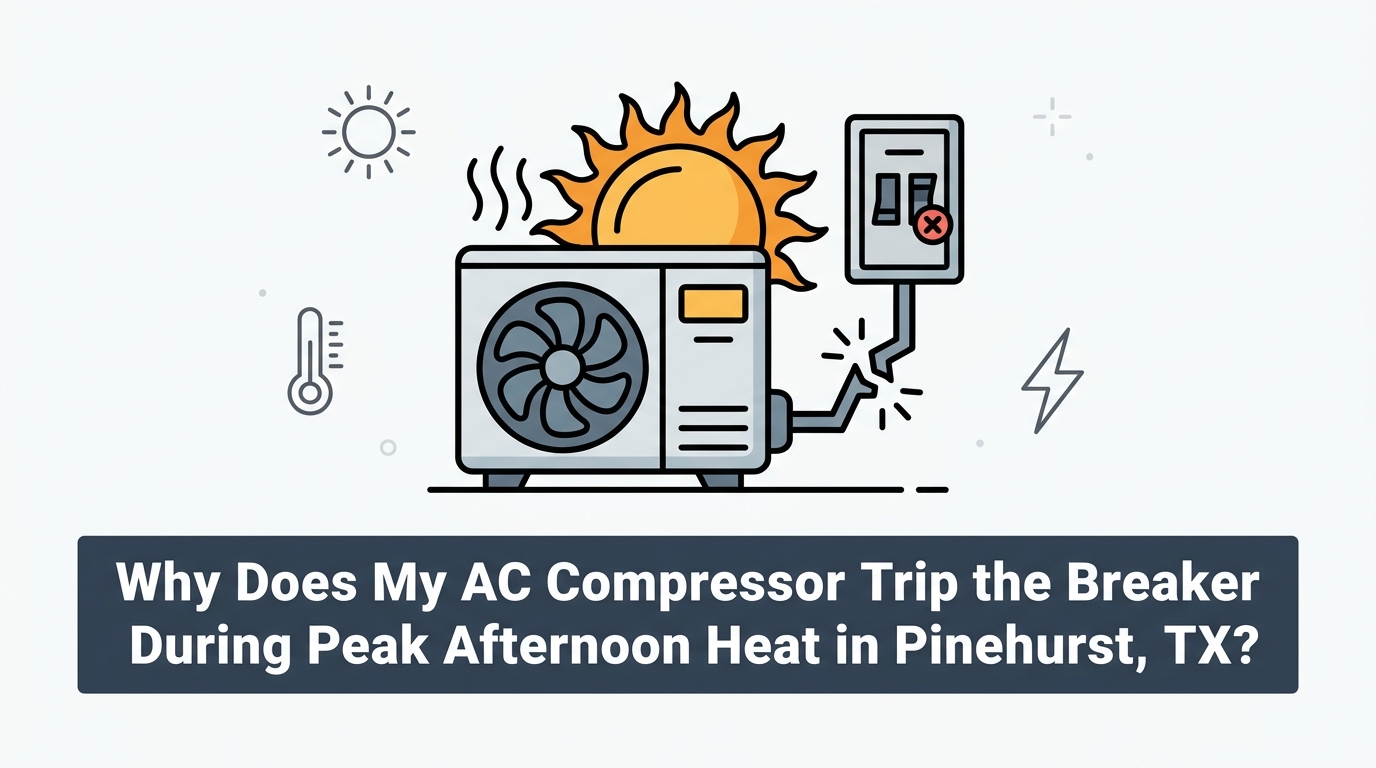
Assessing the Wear on Your AC Contactor After a Brutal Texas Summer
Months of continuous high-load cycling can leave electrical parts scarred and pitted. Catching a worn contactor during a fall tune-up prevents a welded-shut emergency.
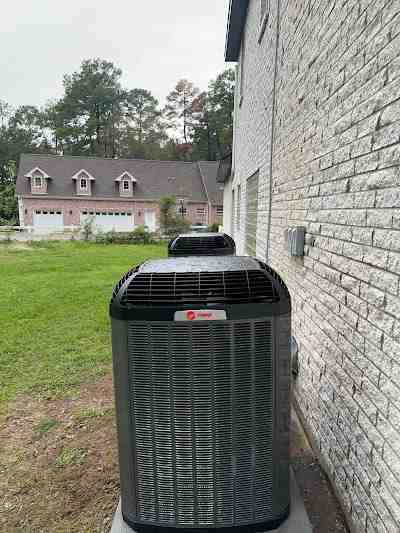
Knowing when should you replace your AC in a hot climate like Pinehurst, TX can save you from a miserable summer breakdown — and from throwing money at a system that’s already past its prime. In Southeast Texas, the heat and humidity push air conditioners far harder than in most of the country, which means the national averages you read about online often don’t apply here.
Here’s a quick-reference guide to the most common replacement triggers for homeowners in Harris County and surrounding areas:
Replace your AC in a hot climate when one or more of these apply:
• Age: Your system is 10 years or older (8–12 years is the realistic lifespan in hot, humid climates)
• Repair costs: A single repair exceeds 50% of what a new system would cost
• The $5,000 Rule: System age (in years) × repair cost (in dollars) exceeds $5,000
• Refrigerant type: Your unit uses R-22, which is no longer produced and is now extremely expensive to service
• Energy bills: Your cooling costs have been climbing steadily year over year with no clear cause
• Performance: Your home never quite reaches the set temperature, or some rooms stay much hotter than others
• Breakdown frequency: You’ve needed two or more service calls in the past 12 months
Most people discover their AC is failing on the hottest day of the year — when technicians are busiest, wait times are longest, and emergency pricing applies. The goal of this guide is to help you recognize the warning signs early, so you can make a calm, informed decision instead of a rushed one.

Basic when should you replace your ac in a hot climate terms:
• how to extend the life of your ac in texas
• why do ac units wear out faster in hot climates
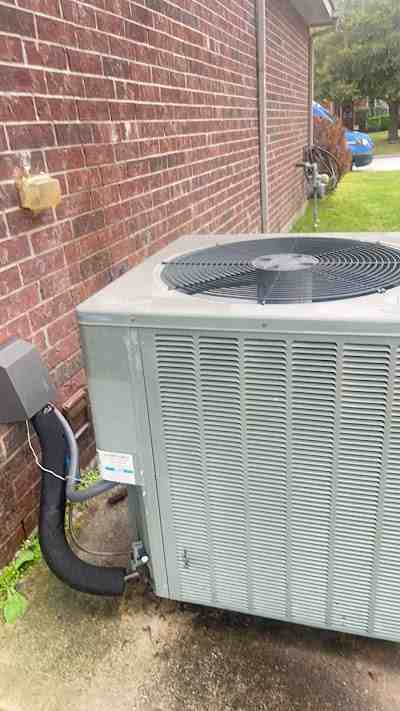
It is no secret that living in Southeast Texas requires a relentless reliance on air conditioning. Whether you are in Plantersville, Magnolia, Tomball, or Spring, your cooling system is the unsung hero of your household. However, this constant operation comes at a steep physical cost to the machinery.
To understand why our systems degrade so much faster than those in cooler regions, we have to look at the unique environmental stressors of our climate:
• Extreme Runtime Hours: In a moderate climate, an air conditioner might run for 800 to 1,500 hours a year, primarily during the peak summer months. In hot regions like Houston and Conroe, systems regularly run for 2,500 to 3,500 hours annually. Our cooling season can easily stretch from March through October, and sometimes even into December. Running your system two to three times as much as the national average means it accumulates wear and tear at two to three times the speed.
• Relentless Thermal Stress: When the outdoor temperature in Pinehurst reaches 100°F or higher, the temperature split—the difference between the scorching outdoor air and your comfortable 72°F indoor setting—creates extreme thermal pressure. The system must work much harder to reject heat from inside the home to the boiling outdoors. This constant high-pressure environment accelerates component fatigue, leading to faster electrical and mechanical breakdowns.
• The Humidity Factor: Southeast Texas is notorious for its heavy, humid air. An air conditioner’s job is twofold: it must lower the air temperature (sensible cooling) and remove moisture from the air (latent cooling). High humidity forces the evaporator coil and compressor to work double-time. The system must pull gallons of water out of the indoor air every single day, which places a continuous, heavy load on the compressor.
• Dust and Airborne Debris: Our outdoor condenser units are constantly exposed to dust, pollen, and lawn clippings. When desert-like dry spells mix with windy conditions, a layer of grime quickly coats the outdoor condenser coils. This insulating blanket of dirt prevents the system from releasing heat efficiently, forcing it to run longer cycles and run hotter, which slowly cooks the internal components from the inside out.
For a deeper dive into how these regional factors interact with your home comfort system, check out our articles on Why Do AC Units Wear Out Faster in Hot Climates and How Hot Humid Climate Shortens HVAC Lifespan. Understanding these stressors is the first step in recognizing why a local system might need to be retired years earlier than a system installed in New England. You can also read more about how our specific local weather patterns impact equipment health in How Southeast Texas Climate Affects Your HVAC System.
Determining exactly when should you replace your ac in a hot climate involves monitoring several key indicators. If you wait until the compressor completely seizes up in the middle of a July heatwave, you lose all your leverage. You will likely face long wait times for installation and may have to settle for whatever equipment is currently in stock.
By keeping an eye on these major warning signs, you can plan an orderly, stress-free upgrade:
• System Age: While a central air conditioner in a mild climate might last 15 to 20 years, the realistic lifespan of an HVAC system in Texas is closer to 10 to 15 years—and often drops to 8 to 12 years in coastal or highly humid areas. If your unit is celebrating its tenth birthday, it has already logged the equivalent runtime hours of a 20-year-old system in the north. To learn more about local longevity expectations, read our guide on the Average Lifespan of an HVAC System in Texas.
• Spiking Utility Bills: If you compare your electric bills from last summer to this summer (accounting for any changes in utility rates) and notice a steady, uncharacteristic rise in energy consumption, your AC is losing its efficiency. As motors wear down and coils accumulate permanent scale, the system must run longer to achieve the same amount of cooling, driving up your monthly bills.
• Frequent and Overlapping Repairs: A capacitor failure this month, a fan motor replacement next month, and a contactor issue the month after that is a clear pattern of systemic decline. If you find yourself on a first-name basis with your service technician, your system is entering its “money pit” phase.
• Obsolete R-22 Refrigerant: If your air conditioner was installed before 2010, there is a very high chance it uses R-22 refrigerant. Because R-22 has been phased out globally due to environmental regulations, the supply is extremely scarce, making any repair that requires fixing a refrigerant leak incredibly expensive. Investing in a recharge for an R-22 system is often a temporary band-aid on a terminal problem.
Sometimes, the warning signs are not financial; they are physical. Your home’s comfort level will tell you exactly when the machinery is struggling to keep pace with our intense summer climate.
• Weak or Warm Airflow: If the air blowing out of your vents feels lukewarm or lacks the force it once had, your compressor may be losing its pumping capacity, or you may have significant issues with your blower motor.
• Short Cycling: If your air conditioner turns on, runs for three minutes, shuts off, and then repeats this cycle every ten minutes, it is short cycling. This is incredibly destructive to the compressor and is often caused by failing sensors, electrical issues, or a system that is improperly sized for the home.
• Strange Noises: Squealing, grinding, clanging, or rattling noises from either the indoor air handler or the outdoor condenser indicate that mechanical parts have come loose, bearings are failing, or the compressor valves are breaking down.
• Unusual Odors: A musty, damp smell coming from your vents indicates that the system is no longer managing humidity correctly, allowing mold or mildew to build up on the evaporator coil or inside the ductwork. Conversely, a burning metallic smell suggests electrical components are overheating.
If you are trying to squeeze a few more years out of your current setup before committing to a replacement, look over our practical tips on How to Extend the Life of Your AC in Texas.
When faced with a broken air conditioner, homeowners in The Woodlands, Montgomery, and Conroe often struggle to choose between a quick repair or a full system replacement. To take the emotion out of this decision, we rely on two industry-standard mathematical rules of thumb.
• The $5,000 Rule — How It Works: Multiply the age of the system (in years) by the cost of the repair. — When to Repair: If the total is under $5,000, proceed with the repair. — When to Replace: If the total exceeds $5,000, invest in a new system.
• The 50% Rule — How It Works: Compare the repair estimate directly to the cost of a brand-new system. — When to Repair: If the repair is less than 50% of the replacement cost and the unit is young. — When to Replace: If the repair cost exceeds 50% of a new system’s value.
Using these objective frameworks helps protect your budget from the “repair spiral,” where you spend hundreds of dollars on multiple minor repairs over a two-year period, only to end up replacing the system anyway. For a detailed breakdown of how to weigh these choices, check out our guide on How to Decide Between AC Repair and Replacement.
The $5,000 Rule is an incredibly reliable tool because it dynamically balances the age of your equipment against the cost of the immediate fix.
To use the formula:$$text{Age of System (Years)} times text{Repair Quote (Dollars)} = text{Decision Number}$$
Let’s look at how this plays out in real-world scenarios:
• Scenario A: You have a 5-year-old system in Magnolia that needs a blower motor repair. The repair is relatively moderate. Multiplying 5 by the repair cost gives a number well under the 5,000 threshold. In this case, repairing the system is highly logical because the unit still has plenty of useful life ahead.
• Scenario B: You have a 12-year-old system in Tomball that needs a major electrical repair. Even if the repair cost seems manageable on its own, multiplying it by 12 easily pushes your decision number past 5,000. Because the system is already at the end of its expected hot-climate lifespan, investing more money into it is risky.
To see more examples of this rule in action, read our dedicated article on The $5000 Dollar Rule for AC Replacement.
The 50% Rule is straightforward: if any single repair estimate approaches or exceeds half the cost of a brand-new, modern system, you should opt for replacement. This rule is especially critical when dealing with major component failures, such as:
• Compressor Failure: The compressor is the heart of your air conditioner. If it fails outside of its warranty period, the cost to replace it—along with the labor, refrigerant, and associated parts—almost always triggers the 50% rule.
• Leaking Evaporator Coil: Because modern coils must handle high pressures, repairing a copper or aluminum leak is rarely successful long-term. Replacing the coil is a major service that often makes a full system upgrade more financially practical, especially on older units.
• Warranty Status: Always verify if your system is still covered by a manufacturer’s parts warranty. Most manufacturers offer a 5-to-10-year warranty if the system was registered properly after installation. If your parts are still covered, repairs are much more attractive. If the warranty has expired, you bear the full cost of both parts and labor, tipping the scales toward replacement.
If your air conditioner is limping along, the worst thing you can do is wait for it to die completely during a scorching July heatwave. When temperatures soar past 100°F in Southeast Texas, HVAC companies are flooded with emergency calls. Technicians work long, exhausting hours, equipment lead times increase, and you may find yourself waiting days in a dangerously hot home.
Instead, the smartest approach is to replace your system proactively during the shoulder seasons—specifically in the spring (March through May) or autumn (October through November).
Replacing your AC during these mild off-season months offers several distinct advantages:
• Avoid Emergency Surcharges: You won’t have to pay premium rates for emergency weekend or after-hours service.
• Better Scheduling Flexibility: Because service demand is lower, you can choose an installation date and time that fits your schedule perfectly, rather than waiting on emergency availability.
• High-Quality Installations: When technicians are not rushed by a backlog of fifty emergency calls, they can take extra time to meticulously commission your new system, ensuring perfect airflow, tight duct connections, and precise refrigerant charges.
• Access to Off-Season Promotions: Manufacturers and local utilities often run special rebates and promotional financing offers during the slower spring and fall seasons to keep installation crews busy.
Planning ahead allows you to transition seamlessly to a new system on your own terms. For more tips on timing your upgrade, read our article on Optimal Times for Upgrading Your Home’s Air Conditioning System.
While buying a new air conditioner is a significant investment, upgrading from an old, inefficient system to a modern unit brings immediate, tangible benefits to your daily life and monthly budget.
• Substantial Energy Savings: If you are upgrading from an older system to a modern high-efficiency unit, you can expect to reduce your monthly cooling bills by 20% to 40%. Over the lifespan of the system, these savings can offset a massive portion of the initial purchase price.
• Advanced SEER2 Standards: In 2023, the Department of Energy implemented new, more rigorous testing standards known as SEER2 (Seasonal Energy Efficiency Ratio 2). Modern systems are engineered to meet these strict efficiency levels, meaning they deliver more cooling per watt of electricity than units built just a few years ago.
• Superior Humidity Control: Modern systems often feature variable-speed or two-stage compressors. Unlike older single-stage systems that blast on at 100% capacity and then shut off, variable-speed systems run at lower, steadier speeds. This continuous operation allows them to constantly pull moisture out of the air, keeping your home comfortable even on the muggiest Southeast Texas days.
• Enhanced Reliability and Peace of Mind: A new system comes with a fresh manufacturer’s warranty (typically 10 years on parts when registered). You can say goodbye to the anxiety of wondering if your AC will survive the next hot weekend.
To see if a high-efficiency upgrade makes sense for your specific home, explore our analysis in Is a High Efficiency AC Worth the Extra Cost in Texas and discover the Best AC System for Hot Humid Climates.
When you decide to replace your air conditioner, you have a unique window of opportunity to address other comfort and air quality issues in your home:
• Indoor Air Quality (IAQ) Upgrades: Modern air handlers can be paired with advanced filtration systems, media filters, or UV air purifiers. This helps capture dust, pollen, and mold spores, which is a massive benefit for allergy sufferers in Spring and Tomball.
• Smart Thermostat Integration: Upgrading to a smart, programmable thermostat allows you to set precise schedules, monitor your energy usage, and control your home’s temperature remotely from your phone.
• Matched Systems: It can be tempting to replace only the outdoor condenser unit to save money, but this is a major mistake. To achieve its rated SEER2 efficiency and maintain its manufacturer’s warranty, your outdoor condenser must be matched with a compatible indoor air handler. Mismatched systems suffer from poor performance, increased wear, and premature failure.
• Incentives and Rebates: Be sure to ask about available federal energy-efficiency tax credits and local utility rebates (such as those offered by Entergy or CenterPoint Energy) that can help reduce the overall cost of your high-efficiency upgrade.
Due to our extreme heat, high humidity, and extended cooling seasons, the typical lifespan of a central air conditioning system in Southeast Texas and coastal Louisiana is 8 to 12 years. While some meticulously maintained systems can stretch to 15 years, their efficiency and reliability drop off significantly after the decade mark. This is notably shorter than the national average of 15 to 20 years enjoyed in cooler, northern states.
If your system uses R-22 refrigerant, any significant repair—especially a leak in the coils—should prompt an immediate replacement. The EPA fully phased out the production and import of R-22, meaning only limited, recycled supplies exist. This has driven the price of R-22 to astronomical levels. Furthermore, R-22 systems are highly inefficient compared to modern units, meaning you are paying a premium on your electric bills to run an obsolete, environmentally unfriendly system.
Yes, absolutely. HVAC manufacturers design their outdoor condensers and indoor air handlers to work together as a matched set. If you connect a brand-new, high-efficiency outdoor unit to an old, worn-out indoor coil, the system will not perform at its rated SEER2 efficiency. Additionally, many manufacturers will limit or void their warranty coverage if the system is not installed as a matched set. Replacing both components at the same time ensures maximum reliability, optimal dehumidification, and full warranty protection.
Deciding when should you replace your ac in a hot climate is one of the most important home maintenance decisions you will make. In Pinehurst, Spring, Magnolia, and the surrounding North Harris County areas, a reliable air conditioner isn’t just about comfort—it’s about keeping your family safe and healthy through the brutal summer months.
By paying attention to the age of your system, tracking your energy bills, and using practical tools like the $5,000 Rule, you can make a proactive, stress-free upgrade that keeps your home cool and your energy bills manageable.
At Air Comfort Solutions, we have spent over 35 years helping our neighbors across Southeast Texas stay comfortable in their homes. Our certified technicians provide honest, upfront diagnostics, and we will always tell you clearly whether a repair or a replacement is the most sensible choice for your budget and your home.
If you want to keep your current system running at peak efficiency for as long as possible, or if you want to protect your new investment, explore the benefits of our comprehensive Air Comfort Solutions Maintenance Plan. Ready to evaluate your system’s health? Contact us today to schedule a professional, honest evaluation of your home’s cooling system.
Knowing when should you replace your AC in a hot climate like Pinehurst, TX can save you from a miserable summer breakdown — and from throwing money at a system that's already past its prime. In Southeast Texas, the heat and humidity push air conditioners far harder than in most of the country, which means the national averages you read about online often don't apply here.
Here's a quick-reference guide to the most common replacement triggers for homeowners in Harris County and surrounding areas:
Replace your AC in a hot climate when one or more of these apply:
Most people discover their AC is failing on the hottest day of the year — when technicians are busiest, wait times are longest, and emergency pricing applies. The goal of this guide is to help you recognize the warning signs early, so you can make a calm, informed decision instead of a rushed one.
Basic when should you replace your ac in a hot climate terms:
It is no secret that living in Southeast Texas requires a relentless reliance on air conditioning. Whether you are in Plantersville, Magnolia, Tomball, or Spring, your cooling system is the unsung hero of your household. However, this constant operation comes at a steep physical cost to the machinery.
To understand why our systems degrade so much faster than those in cooler regions, we have to look at the unique environmental stressors of our climate:
For a deeper dive into how these regional factors interact with your home comfort system, check out our articles on Why Do AC Units Wear Out Faster in Hot Climates and How Hot Humid Climate Shortens HVAC Lifespan. Understanding these stressors is the first step in recognizing why a local system might need to be retired years earlier than a system installed in New England. You can also read more about how our specific local weather patterns impact equipment health in How Southeast Texas Climate Affects Your HVAC System.
Determining exactly when should you replace your ac in a hot climate involves monitoring several key indicators. If you wait until the compressor completely seizes up in the middle of a July heatwave, you lose all your leverage. You will likely face long wait times for installation and may have to settle for whatever equipment is currently in stock.
By keeping an eye on these major warning signs, you can plan an orderly, stress-free upgrade:
Sometimes, the warning signs are not financial; they are physical. Your home's comfort level will tell you exactly when the machinery is struggling to keep pace with our intense summer climate.
If you are trying to squeeze a few more years out of your current setup before committing to a replacement, look over our practical tips on How to Extend the Life of Your AC in Texas.
When faced with a broken air conditioner, homeowners in The Woodlands, Montgomery, and Conroe often struggle to choose between a quick repair or a full system replacement. To take the emotion out of this decision, we rely on two industry-standard mathematical rules of thumb.
| Decision Rule | How It Works | When to Repair | When to Replace |
|---|---|---|---|
| The $5,000 Rule | Multiply the age of the system (in years) by the cost of the repair. | If the total is under $5,000, proceed with the repair. | If the total exceeds $5,000, invest in a new system. |
| The 50% Rule | Compare the repair estimate directly to the cost of a brand-new system. | If the repair is less than 50% of the replacement cost and the unit is young. | If the repair cost exceeds 50% of a new system's value. |
Using these objective frameworks helps protect your budget from the "repair spiral," where you spend hundreds of dollars on multiple minor repairs over a two-year period, only to end up replacing the system anyway. For a detailed breakdown of how to weigh these choices, check out our guide on How to Decide Between AC Repair and Replacement.
The $5,000 Rule is an incredibly reliable tool because it dynamically balances the age of your equipment against the cost of the immediate fix.
To use the formula:$$\text{Age of System (Years)} \times \text{Repair Quote (Dollars)} = \text{Decision Number}$$
Let's look at how this plays out in real-world scenarios:
To see more examples of this rule in action, read our dedicated article on The $5000 Dollar Rule for AC Replacement.
The 50% Rule is straightforward: if any single repair estimate approaches or exceeds half the cost of a brand-new, modern system, you should opt for replacement. This rule is especially critical when dealing with major component failures, such as:
If your air conditioner is limping along, the worst thing you can do is wait for it to die completely during a scorching July heatwave. When temperatures soar past 100°F in Southeast Texas, HVAC companies are flooded with emergency calls. Technicians work long, exhausting hours, equipment lead times increase, and you may find yourself waiting days in a dangerously hot home.
Instead, the smartest approach is to replace your system proactively during the shoulder seasons—specifically in the spring (March through May) or autumn (October through November).
Replacing your AC during these mild off-season months offers several distinct advantages:
Planning ahead allows you to transition seamlessly to a new system on your own terms. For more tips on timing your upgrade, read our article on Optimal Times for Upgrading Your Home's Air Conditioning System.
While buying a new air conditioner is a significant investment, upgrading from an old, inefficient system to a modern unit brings immediate, tangible benefits to your daily life and monthly budget.
To see if a high-efficiency upgrade makes sense for your specific home, explore our analysis in Is a High Efficiency AC Worth the Extra Cost in Texas and discover the Best AC System for Hot Humid Climates.
When you decide to replace your air conditioner, you have a unique window of opportunity to address other comfort and air quality issues in your home:
Due to our extreme heat, high humidity, and extended cooling seasons, the typical lifespan of a central air conditioning system in Southeast Texas and coastal Louisiana is 8 to 12 years. While some meticulously maintained systems can stretch to 15 years, their efficiency and reliability drop off significantly after the decade mark. This is notably shorter than the national average of 15 to 20 years enjoyed in cooler, northern states.
If your system uses R-22 refrigerant, any significant repair—especially a leak in the coils—should prompt an immediate replacement. The EPA fully phased out the production and import of R-22, meaning only limited, recycled supplies exist. This has driven the price of R-22 to astronomical levels. Furthermore, R-22 systems are highly inefficient compared to modern units, meaning you are paying a premium on your electric bills to run an obsolete, environmentally unfriendly system.
Yes, absolutely. HVAC manufacturers design their outdoor condensers and indoor air handlers to work together as a matched set. If you connect a brand-new, high-efficiency outdoor unit to an old, worn-out indoor coil, the system will not perform at its rated SEER2 efficiency. Additionally, many manufacturers will limit or void their warranty coverage if the system is not installed as a matched set. Replacing both components at the same time ensures maximum reliability, optimal dehumidification, and full warranty protection.
Deciding when should you replace your ac in a hot climate is one of the most important home maintenance decisions you will make. In Pinehurst, Spring, Magnolia, and the surrounding North Harris County areas, a reliable air conditioner isn't just about comfort—it's about keeping your family safe and healthy through the brutal summer months.
By paying attention to the age of your system, tracking your energy bills, and using practical tools like the $5,000 Rule, you can make a proactive, stress-free upgrade that keeps your home cool and your energy bills manageable.
At Air Comfort Pros, we have spent over 35 years helping our neighbors across Southeast Texas stay comfortable in their homes. Our certified technicians provide honest, upfront diagnostics, and we will always tell you clearly whether a repair or a replacement is the most sensible choice for your budget and your home.
If you want to keep your current system running at peak efficiency for as long as possible, or if you want to protect your new investment, explore the benefits of our comprehensive Air Comfort Pros Maintenance Plan. Ready to evaluate your system's health? Contact us today to schedule a professional, honest evaluation of your home's cooling system.
Knowing when should you replace your AC in a hot climate like Pinehurst, TX can save you from a miserable summer breakdown — and from throwing money at a system that's already past its prime. In Southeast Texas, the heat and humidity push air conditioners far harder than in most of the country, which means the national averages you read about online often don't apply here.
Here's a quick-reference guide to the most common replacement triggers for homeowners in Harris County and surrounding areas:
Replace your AC in a hot climate when one or more of these apply:
Most people discover their AC is failing on the hottest day of the year — when technicians are busiest, wait times are longest, and emergency pricing applies. The goal of this guide is to help you recognize the warning signs early, so you can make a calm, informed decision instead of a rushed one.
Basic when should you replace your ac in a hot climate terms:
It is no secret that living in Southeast Texas requires a relentless reliance on air conditioning. Whether you are in Plantersville, Magnolia, Tomball, or Spring, your cooling system is the unsung hero of your household. However, this constant operation comes at a steep physical cost to the machinery.
To understand why our systems degrade so much faster than those in cooler regions, we have to look at the unique environmental stressors of our climate:
For a deeper dive into how these regional factors interact with your home comfort system, check out our articles on Why Do AC Units Wear Out Faster in Hot Climates and How Hot Humid Climate Shortens HVAC Lifespan. Understanding these stressors is the first step in recognizing why a local system might need to be retired years earlier than a system installed in New England. You can also read more about how our specific local weather patterns impact equipment health in How Southeast Texas Climate Affects Your HVAC System.
Determining exactly when should you replace your ac in a hot climate involves monitoring several key indicators. If you wait until the compressor completely seizes up in the middle of a July heatwave, you lose all your leverage. You will likely face long wait times for installation and may have to settle for whatever equipment is currently in stock.
By keeping an eye on these major warning signs, you can plan an orderly, stress-free upgrade:
Sometimes, the warning signs are not financial; they are physical. Your home's comfort level will tell you exactly when the machinery is struggling to keep pace with our intense summer climate.
If you are trying to squeeze a few more years out of your current setup before committing to a replacement, look over our practical tips on How to Extend the Life of Your AC in Texas.
When faced with a broken air conditioner, homeowners in The Woodlands, Montgomery, and Conroe often struggle to choose between a quick repair or a full system replacement. To take the emotion out of this decision, we rely on two industry-standard mathematical rules of thumb.
| Decision Rule | How It Works | When to Repair | When to Replace |
|---|---|---|---|
| The $5,000 Rule | Multiply the age of the system (in years) by the cost of the repair. | If the total is under $5,000, proceed with the repair. | If the total exceeds $5,000, invest in a new system. |
| The 50% Rule | Compare the repair estimate directly to the cost of a brand-new system. | If the repair is less than 50% of the replacement cost and the unit is young. | If the repair cost exceeds 50% of a new system's value. |
Using these objective frameworks helps protect your budget from the "repair spiral," where you spend hundreds of dollars on multiple minor repairs over a two-year period, only to end up replacing the system anyway. For a detailed breakdown of how to weigh these choices, check out our guide on How to Decide Between AC Repair and Replacement.
The $5,000 Rule is an incredibly reliable tool because it dynamically balances the age of your equipment against the cost of the immediate fix.
To use the formula:$$\text{Age of System (Years)} \times \text{Repair Quote (Dollars)} = \text{Decision Number}$$
Let's look at how this plays out in real-world scenarios:
To see more examples of this rule in action, read our dedicated article on The $5000 Dollar Rule for AC Replacement.
The 50% Rule is straightforward: if any single repair estimate approaches or exceeds half the cost of a brand-new, modern system, you should opt for replacement. This rule is especially critical when dealing with major component failures, such as:
If your air conditioner is limping along, the worst thing you can do is wait for it to die completely during a scorching July heatwave. When temperatures soar past 100°F in Southeast Texas, HVAC companies are flooded with emergency calls. Technicians work long, exhausting hours, equipment lead times increase, and you may find yourself waiting days in a dangerously hot home.
Instead, the smartest approach is to replace your system proactively during the shoulder seasons—specifically in the spring (March through May) or autumn (October through November).
Replacing your AC during these mild off-season months offers several distinct advantages:
Planning ahead allows you to transition seamlessly to a new system on your own terms. For more tips on timing your upgrade, read our article on Optimal Times for Upgrading Your Home's Air Conditioning System.
While buying a new air conditioner is a significant investment, upgrading from an old, inefficient system to a modern unit brings immediate, tangible benefits to your daily life and monthly budget.
To see if a high-efficiency upgrade makes sense for your specific home, explore our analysis in Is a High Efficiency AC Worth the Extra Cost in Texas and discover the Best AC System for Hot Humid Climates.
When you decide to replace your air conditioner, you have a unique window of opportunity to address other comfort and air quality issues in your home:
Due to our extreme heat, high humidity, and extended cooling seasons, the typical lifespan of a central air conditioning system in Southeast Texas and coastal Louisiana is 8 to 12 years. While some meticulously maintained systems can stretch to 15 years, their efficiency and reliability drop off significantly after the decade mark. This is notably shorter than the national average of 15 to 20 years enjoyed in cooler, northern states.
If your system uses R-22 refrigerant, any significant repair—especially a leak in the coils—should prompt an immediate replacement. The EPA fully phased out the production and import of R-22, meaning only limited, recycled supplies exist. This has driven the price of R-22 to astronomical levels. Furthermore, R-22 systems are highly inefficient compared to modern units, meaning you are paying a premium on your electric bills to run an obsolete, environmentally unfriendly system.
Yes, absolutely. HVAC manufacturers design their outdoor condensers and indoor air handlers to work together as a matched set. If you connect a brand-new, high-efficiency outdoor unit to an old, worn-out indoor coil, the system will not perform at its rated SEER2 efficiency. Additionally, many manufacturers will limit or void their warranty coverage if the system is not installed as a matched set. Replacing both components at the same time ensures maximum reliability, optimal dehumidification, and full warranty protection.
Deciding when should you replace your ac in a hot climate is one of the most important home maintenance decisions you will make. In Pinehurst, Spring, Magnolia, and the surrounding North Harris County areas, a reliable air conditioner isn't just about comfort—it's about keeping your family safe and healthy through the brutal summer months.
By paying attention to the age of your system, tracking your energy bills, and using practical tools like the $5,000 Rule, you can make a proactive, stress-free upgrade that keeps your home cool and your energy bills manageable.
At Air Comfort Pros, we have spent over 35 years helping our neighbors across Southeast Texas stay comfortable in their homes. Our certified technicians provide honest, upfront diagnostics, and we will always tell you clearly whether a repair or a replacement is the most sensible choice for your budget and your home.
If you want to keep your current system running at peak efficiency for as long as possible, or if you want to protect your new investment, explore the benefits of our comprehensive Air Comfort Pros Maintenance Plan. Ready to evaluate your system's health? Contact us today to schedule a professional, honest evaluation of your home's cooling system.
Knowing when should you replace your AC in a hot climate like Pinehurst, TX can save you from a miserable summer breakdown — and from throwing money at a system that's already past its prime. In Southeast Texas, the heat and humidity push air conditioners far harder than in most of the country, which means the national averages you read about online often don't apply here.
Here's a quick-reference guide to the most common replacement triggers for homeowners in Harris County and surrounding areas:
Replace your AC in a hot climate when one or more of these apply:
Most people discover their AC is failing on the hottest day of the year — when technicians are busiest, wait times are longest, and emergency pricing applies. The goal of this guide is to help you recognize the warning signs early, so you can make a calm, informed decision instead of a rushed one.
Basic when should you replace your ac in a hot climate terms:
It is no secret that living in Southeast Texas requires a relentless reliance on air conditioning. Whether you are in Plantersville, Magnolia, Tomball, or Spring, your cooling system is the unsung hero of your household. However, this constant operation comes at a steep physical cost to the machinery.
To understand why our systems degrade so much faster than those in cooler regions, we have to look at the unique environmental stressors of our climate:
For a deeper dive into how these regional factors interact with your home comfort system, check out our articles on Why Do AC Units Wear Out Faster in Hot Climates and How Hot Humid Climate Shortens HVAC Lifespan. Understanding these stressors is the first step in recognizing why a local system might need to be retired years earlier than a system installed in New England. You can also read more about how our specific local weather patterns impact equipment health in How Southeast Texas Climate Affects Your HVAC System.
Determining exactly when should you replace your ac in a hot climate involves monitoring several key indicators. If you wait until the compressor completely seizes up in the middle of a July heatwave, you lose all your leverage. You will likely face long wait times for installation and may have to settle for whatever equipment is currently in stock.
By keeping an eye on these major warning signs, you can plan an orderly, stress-free upgrade:
Sometimes, the warning signs are not financial; they are physical. Your home's comfort level will tell you exactly when the machinery is struggling to keep pace with our intense summer climate.
If you are trying to squeeze a few more years out of your current setup before committing to a replacement, look over our practical tips on How to Extend the Life of Your AC in Texas.
When faced with a broken air conditioner, homeowners in The Woodlands, Montgomery, and Conroe often struggle to choose between a quick repair or a full system replacement. To take the emotion out of this decision, we rely on two industry-standard mathematical rules of thumb.
| Decision Rule | How It Works | When to Repair | When to Replace |
|---|---|---|---|
| The $5,000 Rule | Multiply the age of the system (in years) by the cost of the repair. | If the total is under $5,000, proceed with the repair. | If the total exceeds $5,000, invest in a new system. |
| The 50% Rule | Compare the repair estimate directly to the cost of a brand-new system. | If the repair is less than 50% of the replacement cost and the unit is young. | If the repair cost exceeds 50% of a new system's value. |
Using these objective frameworks helps protect your budget from the "repair spiral," where you spend hundreds of dollars on multiple minor repairs over a two-year period, only to end up replacing the system anyway. For a detailed breakdown of how to weigh these choices, check out our guide on How to Decide Between AC Repair and Replacement.
The $5,000 Rule is an incredibly reliable tool because it dynamically balances the age of your equipment against the cost of the immediate fix.
To use the formula:$$\text{Age of System (Years)} \times \text{Repair Quote (Dollars)} = \text{Decision Number}$$
Let's look at how this plays out in real-world scenarios:
To see more examples of this rule in action, read our dedicated article on The $5000 Dollar Rule for AC Replacement.
The 50% Rule is straightforward: if any single repair estimate approaches or exceeds half the cost of a brand-new, modern system, you should opt for replacement. This rule is especially critical when dealing with major component failures, such as:
If your air conditioner is limping along, the worst thing you can do is wait for it to die completely during a scorching July heatwave. When temperatures soar past 100°F in Southeast Texas, HVAC companies are flooded with emergency calls. Technicians work long, exhausting hours, equipment lead times increase, and you may find yourself waiting days in a dangerously hot home.
Instead, the smartest approach is to replace your system proactively during the shoulder seasons—specifically in the spring (March through May) or autumn (October through November).
Replacing your AC during these mild off-season months offers several distinct advantages:
Planning ahead allows you to transition seamlessly to a new system on your own terms. For more tips on timing your upgrade, read our article on Optimal Times for Upgrading Your Home's Air Conditioning System.
While buying a new air conditioner is a significant investment, upgrading from an old, inefficient system to a modern unit brings immediate, tangible benefits to your daily life and monthly budget.
To see if a high-efficiency upgrade makes sense for your specific home, explore our analysis in Is a High Efficiency AC Worth the Extra Cost in Texas and discover the Best AC System for Hot Humid Climates.
When you decide to replace your air conditioner, you have a unique window of opportunity to address other comfort and air quality issues in your home:
Due to our extreme heat, high humidity, and extended cooling seasons, the typical lifespan of a central air conditioning system in Southeast Texas and coastal Louisiana is 8 to 12 years. While some meticulously maintained systems can stretch to 15 years, their efficiency and reliability drop off significantly after the decade mark. This is notably shorter than the national average of 15 to 20 years enjoyed in cooler, northern states.
If your system uses R-22 refrigerant, any significant repair—especially a leak in the coils—should prompt an immediate replacement. The EPA fully phased out the production and import of R-22, meaning only limited, recycled supplies exist. This has driven the price of R-22 to astronomical levels. Furthermore, R-22 systems are highly inefficient compared to modern units, meaning you are paying a premium on your electric bills to run an obsolete, environmentally unfriendly system.
Yes, absolutely. HVAC manufacturers design their outdoor condensers and indoor air handlers to work together as a matched set. If you connect a brand-new, high-efficiency outdoor unit to an old, worn-out indoor coil, the system will not perform at its rated SEER2 efficiency. Additionally, many manufacturers will limit or void their warranty coverage if the system is not installed as a matched set. Replacing both components at the same time ensures maximum reliability, optimal dehumidification, and full warranty protection.
Deciding when should you replace your ac in a hot climate is one of the most important home maintenance decisions you will make. In Pinehurst, Spring, Magnolia, and the surrounding North Harris County areas, a reliable air conditioner isn't just about comfort—it's about keeping your family safe and healthy through the brutal summer months.
By paying attention to the age of your system, tracking your energy bills, and using practical tools like the $5,000 Rule, you can make a proactive, stress-free upgrade that keeps your home cool and your energy bills manageable.
At Air Comfort Pros, we have spent over 35 years helping our neighbors across Southeast Texas stay comfortable in their homes. Our certified technicians provide honest, upfront diagnostics, and we will always tell you clearly whether a repair or a replacement is the most sensible choice for your budget and your home.
If you want to keep your current system running at peak efficiency for as long as possible, or if you want to protect your new investment, explore the benefits of our comprehensive Air Comfort Pros Maintenance Plan. Ready to evaluate your system's health? Contact us today to schedule a professional, honest evaluation of your home's cooling system.
Knowing when should you replace your AC in a hot climate like Pinehurst, TX can save you from a miserable summer breakdown — and from throwing money at a system that's already past its prime. In Southeast Texas, the heat and humidity push air conditioners far harder than in most of the country, which means the national averages you read about online often don't apply here.
Here's a quick-reference guide to the most common replacement triggers for homeowners in Harris County and surrounding areas:
Replace your AC in a hot climate when one or more of these apply:
Most people discover their AC is failing on the hottest day of the year — when technicians are busiest, wait times are longest, and emergency pricing applies. The goal of this guide is to help you recognize the warning signs early, so you can make a calm, informed decision instead of a rushed one.
Basic when should you replace your ac in a hot climate terms:
It is no secret that living in Southeast Texas requires a relentless reliance on air conditioning. Whether you are in Plantersville, Magnolia, Tomball, or Spring, your cooling system is the unsung hero of your household. However, this constant operation comes at a steep physical cost to the machinery.
To understand why our systems degrade so much faster than those in cooler regions, we have to look at the unique environmental stressors of our climate:
For a deeper dive into how these regional factors interact with your home comfort system, check out our articles on Why Do AC Units Wear Out Faster in Hot Climates and How Hot Humid Climate Shortens HVAC Lifespan. Understanding these stressors is the first step in recognizing why a local system might need to be retired years earlier than a system installed in New England. You can also read more about how our specific local weather patterns impact equipment health in How Southeast Texas Climate Affects Your HVAC System.
Determining exactly when should you replace your ac in a hot climate involves monitoring several key indicators. If you wait until the compressor completely seizes up in the middle of a July heatwave, you lose all your leverage. You will likely face long wait times for installation and may have to settle for whatever equipment is currently in stock.
By keeping an eye on these major warning signs, you can plan an orderly, stress-free upgrade:
Sometimes, the warning signs are not financial; they are physical. Your home's comfort level will tell you exactly when the machinery is struggling to keep pace with our intense summer climate.
If you are trying to squeeze a few more years out of your current setup before committing to a replacement, look over our practical tips on How to Extend the Life of Your AC in Texas.
When faced with a broken air conditioner, homeowners in The Woodlands, Montgomery, and Conroe often struggle to choose between a quick repair or a full system replacement. To take the emotion out of this decision, we rely on two industry-standard mathematical rules of thumb.
| Decision Rule | How It Works | When to Repair | When to Replace |
|---|---|---|---|
| The $5,000 Rule | Multiply the age of the system (in years) by the cost of the repair. | If the total is under $5,000, proceed with the repair. | If the total exceeds $5,000, invest in a new system. |
| The 50% Rule | Compare the repair estimate directly to the cost of a brand-new system. | If the repair is less than 50% of the replacement cost and the unit is young. | If the repair cost exceeds 50% of a new system's value. |
Using these objective frameworks helps protect your budget from the "repair spiral," where you spend hundreds of dollars on multiple minor repairs over a two-year period, only to end up replacing the system anyway. For a detailed breakdown of how to weigh these choices, check out our guide on How to Decide Between AC Repair and Replacement.
The $5,000 Rule is an incredibly reliable tool because it dynamically balances the age of your equipment against the cost of the immediate fix.
To use the formula:$$\text{Age of System (Years)} \times \text{Repair Quote (Dollars)} = \text{Decision Number}$$
Let's look at how this plays out in real-world scenarios:
To see more examples of this rule in action, read our dedicated article on The $5000 Dollar Rule for AC Replacement.
The 50% Rule is straightforward: if any single repair estimate approaches or exceeds half the cost of a brand-new, modern system, you should opt for replacement. This rule is especially critical when dealing with major component failures, such as:
If your air conditioner is limping along, the worst thing you can do is wait for it to die completely during a scorching July heatwave. When temperatures soar past 100°F in Southeast Texas, HVAC companies are flooded with emergency calls. Technicians work long, exhausting hours, equipment lead times increase, and you may find yourself waiting days in a dangerously hot home.
Instead, the smartest approach is to replace your system proactively during the shoulder seasons—specifically in the spring (March through May) or autumn (October through November).
Replacing your AC during these mild off-season months offers several distinct advantages:
Planning ahead allows you to transition seamlessly to a new system on your own terms. For more tips on timing your upgrade, read our article on Optimal Times for Upgrading Your Home's Air Conditioning System.
While buying a new air conditioner is a significant investment, upgrading from an old, inefficient system to a modern unit brings immediate, tangible benefits to your daily life and monthly budget.
To see if a high-efficiency upgrade makes sense for your specific home, explore our analysis in Is a High Efficiency AC Worth the Extra Cost in Texas and discover the Best AC System for Hot Humid Climates.
When you decide to replace your air conditioner, you have a unique window of opportunity to address other comfort and air quality issues in your home:
Due to our extreme heat, high humidity, and extended cooling seasons, the typical lifespan of a central air conditioning system in Southeast Texas and coastal Louisiana is 8 to 12 years. While some meticulously maintained systems can stretch to 15 years, their efficiency and reliability drop off significantly after the decade mark. This is notably shorter than the national average of 15 to 20 years enjoyed in cooler, northern states.
If your system uses R-22 refrigerant, any significant repair—especially a leak in the coils—should prompt an immediate replacement. The EPA fully phased out the production and import of R-22, meaning only limited, recycled supplies exist. This has driven the price of R-22 to astronomical levels. Furthermore, R-22 systems are highly inefficient compared to modern units, meaning you are paying a premium on your electric bills to run an obsolete, environmentally unfriendly system.
Yes, absolutely. HVAC manufacturers design their outdoor condensers and indoor air handlers to work together as a matched set. If you connect a brand-new, high-efficiency outdoor unit to an old, worn-out indoor coil, the system will not perform at its rated SEER2 efficiency. Additionally, many manufacturers will limit or void their warranty coverage if the system is not installed as a matched set. Replacing both components at the same time ensures maximum reliability, optimal dehumidification, and full warranty protection.
Deciding when should you replace your ac in a hot climate is one of the most important home maintenance decisions you will make. In Pinehurst, Spring, Magnolia, and the surrounding North Harris County areas, a reliable air conditioner isn't just about comfort—it's about keeping your family safe and healthy through the brutal summer months.
By paying attention to the age of your system, tracking your energy bills, and using practical tools like the $5,000 Rule, you can make a proactive, stress-free upgrade that keeps your home cool and your energy bills manageable.
At Air Comfort Pros, we have spent over 35 years helping our neighbors across Southeast Texas stay comfortable in their homes. Our certified technicians provide honest, upfront diagnostics, and we will always tell you clearly whether a repair or a replacement is the most sensible choice for your budget and your home.
If you want to keep your current system running at peak efficiency for as long as possible, or if you want to protect your new investment, explore the benefits of our comprehensive Air Comfort Pros Maintenance Plan. Ready to evaluate your system's health? Contact us today to schedule a professional, honest evaluation of your home's cooling system.


Zane came out and did an amazing job! Super friendly, honest and transparent about the work that needed to be done. This is my second time working with Air Comfort Solutions and they’re my go to for HVAC services. Highly recommend.
God's AMAZING grace sent us Robert and Zane. We have been without air in this Texas heat for six weeks and four days. We've had a few contractors give us quotes all trying to upsell when we're at a low point. But not the guys at Air Comfort Solutions. They came in assessed our situation, gave us honest feedback, and showed us the issues as they proceeded with the assessment for clear understanding. We highly recommend them for their professionalism, quality products, and fair pricing. We hands down support them for all the work they do 💯 %.
Robert and Zane gone above and beyond to make the process easy and affordable.
Would definitely recommend!!
I’m writing this review to let everyone know that Air Comfort Solutions is the company to work with. I know the owner ( Robert) for several years now. He has been taking care of my residential and business work orders. Robert is professional, knowledgeable and will save you money. I just want to thank Robert for great job you have been doing for me.