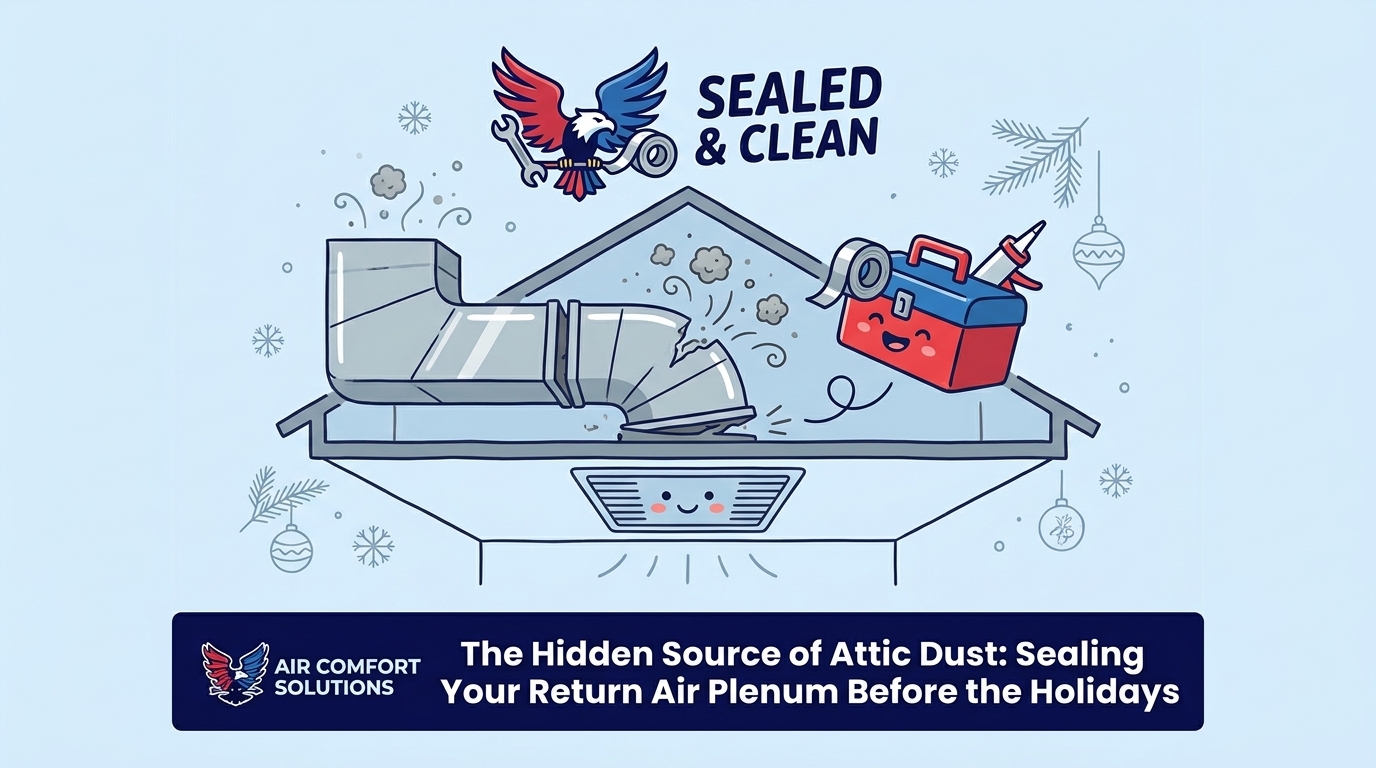
The Value of Sealing Your Return Air Plenum Before the Holidays
Most homeowners buy expensive filters to fix dusty air, not realizing a leaky return plenum in the attic is the real culprit. See why sealing it now saves your holiday gatherings.
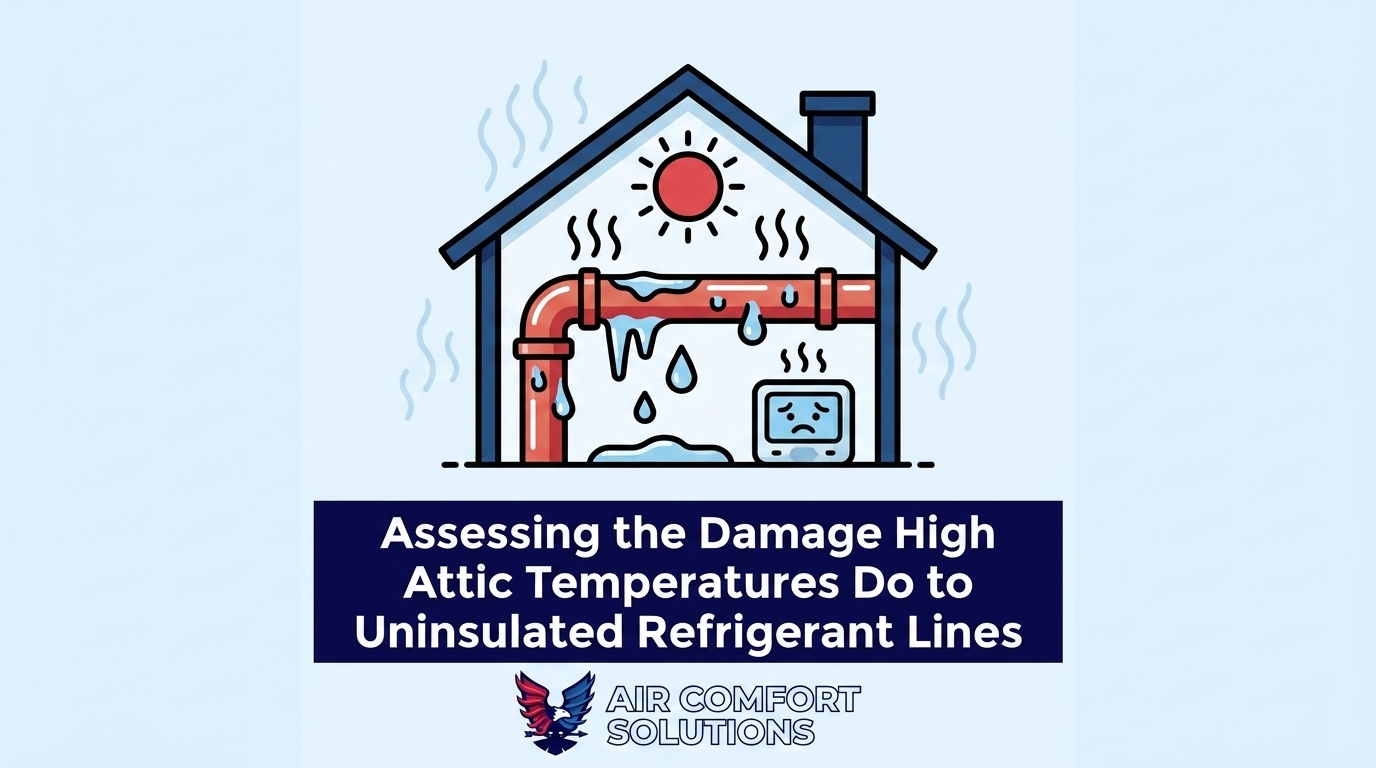
Enclosed attics can easily exceed 150°F during peak summer conditions, which is why assessing the damage high attic temperatures do to uninsulated refrigerant lines is so critical for homeowners. That extreme heat creates a deeply hostile environment for your air conditioner's most vital components as they route through the space above your ceiling. If you are scheduling air conditioning services, asking a technician to inspect the insulation on these lines is one of the smartest preventative steps you can take.
Your cooling system relies on a continuous loop of refrigerant traveling between the indoor evaporator coil and the outdoor condenser. The larger of the two copper pipes running through your attic is known as the suction line. This pipe carries cold, low-pressure refrigerant gas back to the compressor outside. Because this line is naturally cold, it is highly vulnerable to ambient heat.
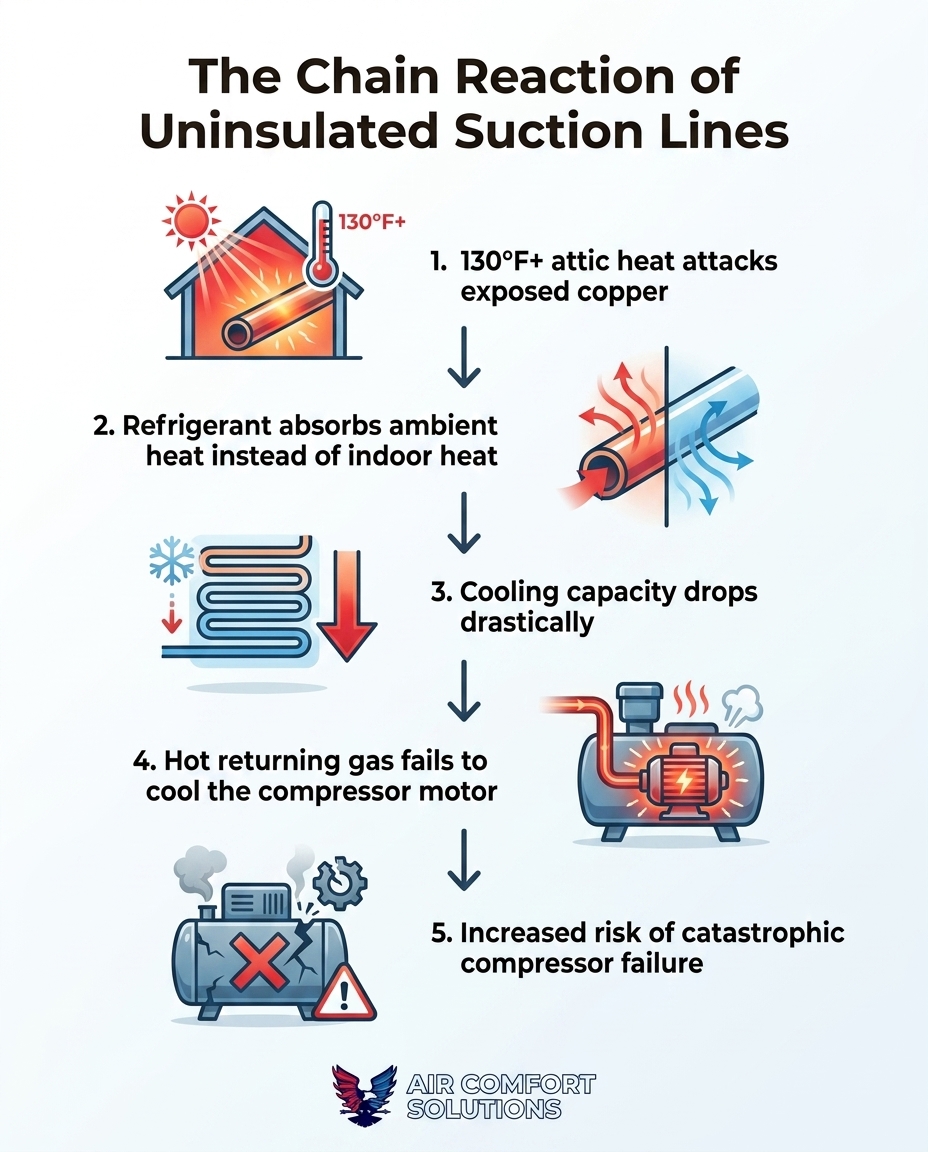
When the protective foam barrier around this line is missing or compromised, the results are immediate and severe. Operating in 130°F+ attic temperatures, an exposed suction line acts like a sponge for environmental heat. Instead of returning cold gas to cool the outdoor compressor, the line absorbs the trapped heat from your attic.
The immediate consequences of an exposed suction line include:
• Drastic efficiency drops: Your system runs longer to achieve the same indoor comfort.
• Increased energy waste: Continuous operation drives up your monthly electricity usage.
• Excessive component strain: The compressor works overtime to compensate for the lost cooling capacity.
• Secondary property risks: Exposed cold pipes generate heavy condensation in enclosed spaces.
Addressing this specific vulnerability is a vital part of protecting the lifespan of your cooling equipment. Ignoring the condition of your refrigerant lines allows the attic environment to slowly degrade your system from the inside out.
To understand why missing insulation is so destructive, you have to look at the basic thermodynamics of your cooling system. Your air conditioner does not actually create cold air; it removes heat from the living space and transfers it outside. The suction line plays a central role in this process.
The fundamental rule of thermodynamics is that heat naturally moves toward colder surfaces. The suction line transports cold, low-pressure refrigerant gas—usually hovering around 40°F to 50°F—from the indoor evaporator coil back to the outdoor compressor. When this freezing-cold copper pipe runs through an attic baking in the August late-summer heat, the temperature differential is massive. If the insulation barrier is missing, the extreme ambient heat aggressively transfers into the cold refrigerant.
The system is engineered to remove heat strictly from the air inside your living space, not from the stifling air trapped under your roof. When the suction line loses its protective shielding, the refrigerant warms up significantly before it ever reaches the outdoor unit. The compressor is expecting cold gas to return, but instead, it receives gas that has been superheated by the attic environment. This forces every component in your system to work harder just to maintain basic operation.
Properly applied, thick closed-cell insulation stops this unwanted heat transfer. By maintaining a strict thermal boundary, the refrigerant stays cold on its entire journey back to the compressor. This ensures your equipment operates exactly as the manufacturer intended. For homeowners looking for comprehensive HVAC solutions, verifying the integrity of this thermal barrier is a non-negotiable part of system maintenance.
• Suction Line Temperature — Normal Operating Condition: Remains consistently cool (40°F - 50°F) — Condition Without Insulation: Rapidly absorbs ambient heat, warming the gas
• Compressor Motor — Normal Operating Condition: Cooled by returning cold refrigerant — Condition Without Insulation: Overheats due to hot returning gas
• Cooling Capacity — Normal Operating Condition: Maximum heat removal from the home — Condition Without Insulation: Reduced capacity as refrigerant density drops
• Energy Consumption — Normal Operating Condition: Standard, predictable cycles — Condition Without Insulation: Spikes due to continuous, non-stop running
Refrigerant lines do not lose their insulation overnight. The degradation is a slow, relentless process driven by the harsh environment inside your home's upper levels. The material typically used to protect these lines is a closed-cell elastomeric foam, commonly known in the industry by brand names like Armaflex. While highly effective at stopping heat transfer, this foam is not invincible.
Pinehurst's prolonged sun exposure and high humidity create an intense baking effect in enclosed attics that rapidly accelerates the breakdown of elastomeric foam. Day after day of 130°F+ attic temperatures literally cooks the insulation. Over several seasons, the relentless ambient heat causes the foam to lose its flexibility. It becomes brittle, begins to shrink, and eventually cracks along the seams.
Common accelerators of insulation breakdown:
• Prolonged UV exposure: If the lines run near attic vents, windows, or unshaded outdoor sections, ultraviolet light will rapidly destroy the foam's chemical structure.
• Extreme thermal cycling: The constant shift between a freezing cold pipe and a boiling hot attic causes the foam to expand and contract until it splits.
• Physical disturbances: Attic pests, rodents, or technicians moving around during other home repairs can easily tear brittle, aged foam.
• Improper installation: If the seams were not glued or taped correctly with UV-resistant materials during the initial installation, the foam will peel back prematurely.
By the end of the summer, previously compromised insulation often falls off completely in large chunks. This leaves long stretches of bare copper piping completely exposed to the elements. What starts as a small tear in the spring can easily become a major efficiency drain by late summer.
When the suction line is exposed, the resulting heat absorption directly penalizes your home's comfort and your monthly budget. In the HVAC industry, this unwanted heat gain is referred to as an increase in "superheat." While a specific amount of superheat is necessary for the system to function safely, excessive superheat destroys efficiency.
Here is exactly how missing insulation destroys your system's cooling capacity step-by-step:
1. The refrigerant absorbs ambient heat: As the cold gas travels through the uninsulated pipe in the attic, it absorbs the surrounding heat.
2. The gas expands and loses density: Hotter gas expands. Because the refrigerant is now warmer, it becomes less dense.
3. The mass flow rate drops: The compressor can only pump a specific volume of gas at a time. Because the gas is less dense, the compressor is actually pumping a lower mass of refrigerant per cycle.
4. Cooling capacity plummets: With less refrigerant mass moving through the system, the indoor coil cannot absorb as much heat from your living space.
5. The system runs continuously: To make up for the lost capacity, the thermostat forces the air conditioner to run non-stop.
The primary symptom you will notice inside the house is an air conditioner that runs constantly but struggles to lower the indoor temperature. This is especially noticeable during the brutal August late-summer heat. You might check the vents and feel cool air, but the volume of heat being removed is simply too low to overcome the outdoor weather.
This massive energy loss is a direct roadblock to maintaining comfort. If you are researching strategies for handling extreme humidity and heat, verifying that your suction line is fully insulated is just as important as changing your air filters.
The damage caused by uninsulated refrigerant lines is not limited to mechanical wear and energy loss. There is a very real physical consequence to exposing a cold copper pipe to a hot, humid environment: severe condensation.
When the temperature of the bare suction line drops below the dew point of the surrounding attic air, moisture is pulled directly out of the atmosphere. The pipe begins to "sweat" profusely. In an intensely humid climate like Pinehurst, TX, an uninsulated line does not just gather a few drops of water—it can produce a steady, continuous drip.
The secondary risks of sweating refrigerant lines include:
• Ceiling drywall damage: Water dripping constantly onto the attic floor will eventually saturate the drywall below, leading to ugly brown stains on your ceiling.
• Compromised structural integrity: Prolonged moisture exposure can rot wooden attic joists and degrade surrounding insulation materials.
• Biological growth: Dark, enclosed spaces with a constant water source create the perfect breeding ground for mold and mildew to thrive.
• Electrical hazards: If the condensation drips onto nearby junction boxes or exposed wiring, it creates an immediate safety risk.
Homeowners often remain completely unaware of this issue until visible water stains appear on the ceiling in the living space below. By the time the water has soaked through the drywall, the insulation on the suction line has likely been missing for months. Catching the problem early prevents a simple insulation fix from turning into a major drywall repair project.
The most expensive consequence of an uninsulated suction line is the catastrophic damage it does to the outdoor compressor. The compressor is the heart of your air conditioning system, and it is also the most costly component to replace.
Many homeowners do not realize that the compressor relies entirely on the cool returning suction gas to keep its internal motor from overheating. When the suction line is exposed to the August late-summer heat, the returning gas is too hot to provide this critical cooling effect.
Here is the chain reaction that leads to mechanical failure:
1. Elevated operating temperatures: Hot returning gas fails to cool the internal motor, causing the compressor's operating temperature to spike.
2. Oil degradation: The excessive heat begins to break down the specialized lubricating oil inside the compressor.
3. Increased mechanical friction: As the oil loses its viscosity, the internal moving parts experience severe friction and wear.
4. Thermal overload: The compressor may begin to shut itself off automatically (tripping the internal thermal overload protector) to prevent melting.
5. Catastrophic failure: Eventually, the cumulative stress causes the motor windings to short out or the mechanical components to lock up entirely.
Operating a system this way makes end-of-season failure highly likely. The cumulative stress of running continuously with elevated motor temperatures drastically shortens the equipment's lifespan. For Pinehurst area homes, ensuring the suction line is fully protected is one of the best ways to shield the compressor from premature death.
When homeowners spot bare copper pipes in their attic, the immediate instinct is often to head to the hardware store for a quick fix. However, assessing and repairing degraded refrigerant line insulation is not a DIY project. It requires licensed intervention and specialized materials to do safely and correctly.
A common mistake is using standard plumbing insulation to wrap an AC suction line. Plumbing foam is designed for mild temperature shifts, not the extreme thermal dynamics of an HVAC system. When exposed to the intense heat of a Pinehurst, TX attic, cheap plumbing foam will often melt, off-gas, or fail instantly, leaving a sticky mess on the copper lines that technicians must later scrape off.
Furthermore, Air Comfort Solutions brings daily, firsthand field experience crawling in sweltering attics to every service call. Local technicians see this specific degradation firsthand every day, and they know that slapping new foam over a bare pipe is only half the job. A professional must also measure the system's superheat and subcooling levels to ensure the compressor hasn't already suffered hidden damage from running exposed.
The professional insulation replacement process includes:
• Safety navigation: Safely moving through a stifling, dangerously hot attic without stepping through the drywall ceiling.
• Material selection: Applying high-grade, properly sized closed-cell elastomeric foam designed specifically for HVAC applications.
• Seam securing: Using specialized adhesives and UV-resistant tape to ensure the seams never split open under thermal expansion.
• System diagnostics: Testing the refrigerant pressures to confirm the system has returned to peak efficiency.
Proper installation prevents future degradation and restores your system's efficiency safely. Relying on a professional ensures the thermal boundary is fully restored, protecting your equipment for seasons to come.
Missing suction line insulation is a silent efficiency killer that forces your compressor to work harder and drives up your energy usage. If your air conditioner has been running constantly but struggling to keep the house cool, extreme attic heat attacking exposed pipes could be the culprit. Securing a routine AC maintenance plan ensures a professional assesses these critical lines, restoring your cooling efficiency and protecting your compressor before the late-summer heat causes a total breakdown.
Uninsulated AC refrigerant lines absorb massive amounts of ambient heat from the surrounding environment. This causes the cold suction gas to warm up prematurely, which drastically reduces the system's cooling capacity. As a result, the air conditioner runs longer, wastes electricity, and puts dangerous thermal stress on the outdoor compressor.
Extreme attic heat destroys AC efficiency by forcing the system to cool the trapped attic air instead of your living space. When the suction line is exposed to high temperatures, the refrigerant loses its density and ability to absorb heat from inside the home. This forces the compressor to run continuously just to maintain a basic level of indoor comfort.
Only the larger suction line (the cold, low-pressure return line) requires thick foam insulation to prevent heat absorption and condensation. The smaller liquid line (the warm, high-pressure line) generally does not require insulation, as it is already carrying warm refrigerant to the indoor coil. Insulating the liquid line can sometimes trap heat that the system is trying to dissipate.
AC pipes sweat in the attic when the cold surface of an uninsulated suction line meets hot, humid air, causing condensation to form. If the temperature of the bare copper drops below the ambient dew point, moisture is pulled rapidly from the air. This continuous sweating can lead to severe water damage, soaked insulation, and ruined ceiling drywall.
Yes, degraded pipe insulation is a leading cause of premature compressor failure. The compressor relies on cold returning refrigerant gas to keep its internal motor from overheating. When the insulation is missing, the returning gas is too hot, leading to thermal overload, degraded lubricating oil, and eventual mechanical breakdown.


Zane came out and did an amazing job! Super friendly, honest and transparent about the work that needed to be done. This is my second time working with Air Comfort Solutions and they’re my go to for HVAC services. Highly recommend.
God's AMAZING grace sent us Robert and Zane. We have been without air in this Texas heat for six weeks and four days. We've had a few contractors give us quotes all trying to upsell when we're at a low point. But not the guys at Air Comfort Solutions. They came in assessed our situation, gave us honest feedback, and showed us the issues as they proceeded with the assessment for clear understanding. We highly recommend them for their professionalism, quality products, and fair pricing. We hands down support them for all the work they do 💯 %.
Robert and Zane gone above and beyond to make the process easy and affordable.
Would definitely recommend!!
I’m writing this review to let everyone know that Air Comfort Solutions is the company to work with. I know the owner ( Robert) for several years now. He has been taking care of my residential and business work orders. Robert is professional, knowledgeable and will save you money. I just want to thank Robert for great job you have been doing for me.