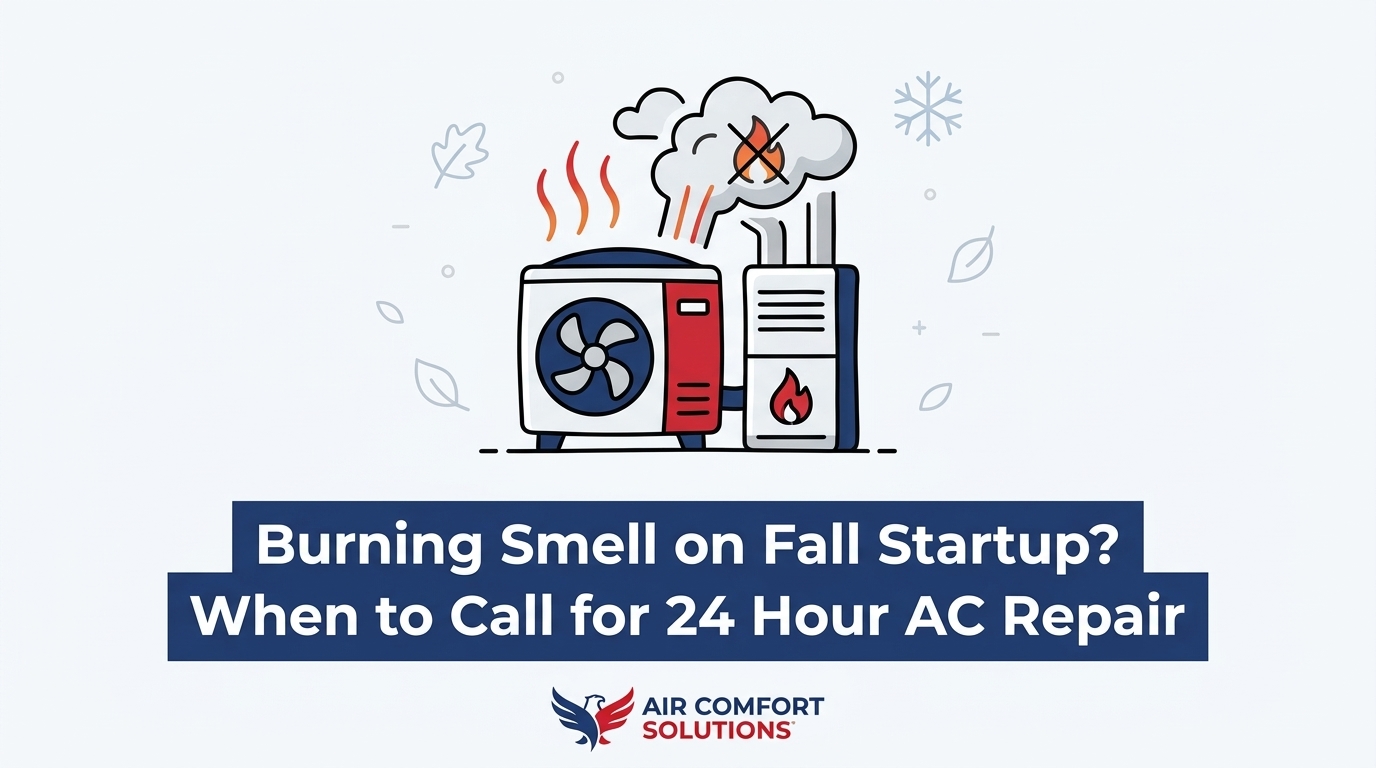
Burning Smell on Fall Startup? When to Call for 24 Hour AC Repair
Why we always check for dust burn-off first. Review our home maintenance tips and troubleshooting advice to decide if that fall HVAC smell needs a pro.
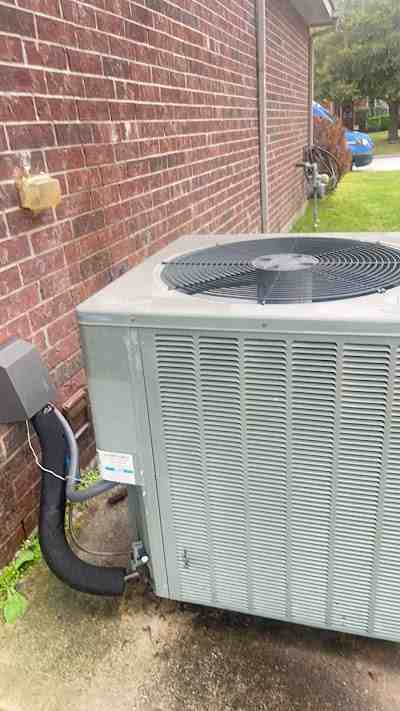
How electrical connection problems cause AC breakdowns is something most homeowners in Pinehurst, TX never think about — until their system dies on the hottest afternoon of July. The truth is, a large number of AC failures have nothing to do with a dead compressor or a refrigerant leak. They trace back to something far less obvious: a loose wire, a corroded terminal, or a failing capacitor hiding deep inside the electrical cabinet.
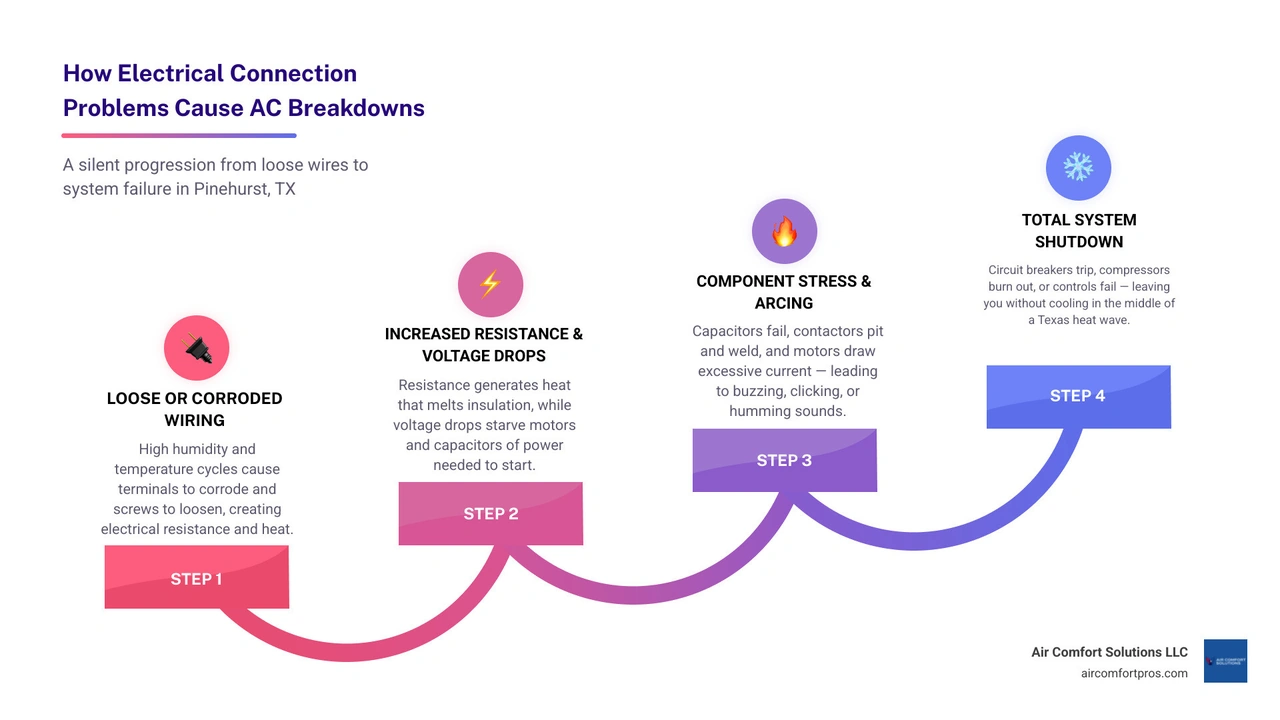
Here is a quick summary of how electrical connection problems lead to AC breakdowns:
These issues rarely announce themselves loudly. They build quietly over thousands of heating and cooling cycles, driven by vibration, heat, and humidity — until the day the system simply stops.
If your AC is making strange noises, causing lights to flicker, or tripping the breaker, an underlying electrical fault is likely the culprit. The sections below explain exactly how each failure develops and what you can do to stop it before it becomes an expensive compressor replacement.
How electrical connection problems cause ac breakdowns glossary:
In the HVAC world, electrical issues are often considered the "silent killers." Unlike a frozen evaporator coil or a noisy fan blade, electrical connection problems hide silently inside metal control boxes or behind home walls. They quietly degrade over time until they trigger a sudden, catastrophic system shutdown.
To understand how these issues develop, we must look at the physical mechanics of electricity. Two primary forces drive electrical degradation in a central air conditioner: thermal expansion and micro-vibrations.
An air conditioner is a high-powered appliance that cycles on and off repeatedly throughout the day. When the system starts, high-voltage electricity surges through the wires, causing them to warm up. When the system cycles off, the wires cool down. This constant cycle of heating and cooling causes the copper and aluminum elements to expand and contract. Over thousands of cycles, this thermal movement physically wiggles wires out of their terminals.
Simultaneously, the outdoor condenser unit's compressor and fan motor generate constant micro-vibrations. These vibrations act like a slow, steady wrench, gradually backing out terminal screws and loosening wire nuts.
Once a wire becomes loose, it creates a high-resistance connection. Think of electrical resistance like a severe crimp in a garden hose; the electrical current struggles to pass through. In electricity, restricted flow converts directly into intense heat. This localized heat can easily reach temperatures hot enough to melt plastic wire insulation, scorch terminal blocks, and destroy control boards.
Furthermore, high resistance causes a severe voltage drop. When voltage drops, the compressor and fan motors are starved of the electrical force they need to operate. To compensate for the low voltage, the motors must draw more current (amperage) to perform the same amount of work. This extra amperage draw creates even more heat within the motor windings, rapidly accelerating mechanical wear and leading to the most common ac repairs and what causes them.
Among all the electrical components in your air conditioner, the capacitor is the most vulnerable to heat and electrical stress. In fact, capacitor failure is widely recognized as the single most common electrical repair in residential HVAC systems.
Capacitors act like temporary, high-powered batteries. They store electrical energy and release it in a massive burst to help the system's motors start and run. Your AC typically utilizes two types of capacitors:
When electrical connection problems occur — such as a loose wire leading to the capacitor or voltage fluctuations from the power grid — the capacitor is subjected to extreme electrical stress. In the intense heat of a Texas summer, the delicate chemical electrolyte inside the capacitor begins to degrade.
As the capacitor weakens, it can no longer provide the necessary torque. When the thermostat calls for cooling, you may hear a loud humming sound from the outdoor unit, followed by a click and silence. This indicates that the compressor is trying to start but lacks the electrical boost to turn over. This condition, known as "hard starting," places immense physical strain on the compressor's internal windings. If left unaddressed, a weak capacitor will eventually cause the compressor to overheat, trip its internal overload switch, or suffer permanent burnout. Protecting this vital component is why understanding capacitor failure why it is the most common ac repair is so critical for home safety.
While loose connections are primarily caused by thermal expansion and micro-vibrations, corrosion is driven by the local environment. In Pinehurst, Tomball, and the surrounding North Harris County areas, high humidity is a constant challenge.
When moisture in the air settles on copper wires and brass or steel terminal screws, it triggers oxidation. This chemical reaction creates a layer of non-conductive rust and corrosion over the metal surfaces. Corrosion acts as a major barrier to electrical current, significantly increasing resistance at the connection point.
In older homes throughout our service area, we also occasionally encounter issues with aluminum wiring. Aluminum is highly susceptible to galvanic corrosion when it comes into contact with copper terminals, and it expands and contracts at a much higher rate than copper. This makes annual electrical inspections even more critical to ensure all terminal screws and wire nuts remain perfectly tight and free of oxidation. If you suspect your system is struggling with weak connections, scheduling professional ac repair in pinehurst tx is the best way to clean, tighten, and secure your system's wiring before the summer heat peaks.
Beyond wires and capacitors, several other high-value electrical components are highly susceptible to damage from poor connections.
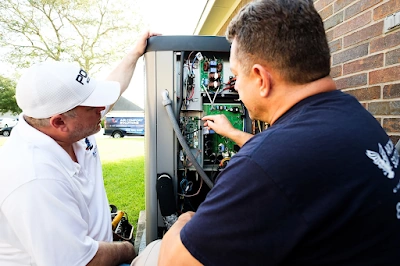
When electrical connections degrade, the damage quickly cascades through the system, threatening the following critical parts:
When a connection becomes loose or corroded, the resulting electrical arcing can easily pit contactor points, fry control board circuits, or overload motor windings. Keeping these components in top shape is a core focus of any comprehensive ac repair pinehurst tx guide 2026.
The contactor is the primary electrical switch in your outdoor condenser unit. When your thermostat calls for cooling, it sends a 24-volt signal to an electromagnetic coil inside the contactor. This coil creates a magnetic field that pulls down a set of metal contacts, closing the high-voltage circuit and sending 240-volt power directly to the compressor and fan motor.
Because the contactor handles high voltage and high current, a small amount of electrical arcing occurs every time the contacts open and close. Over time, this arcing creates tiny pits and carbon deposits on the metal contact points.
If loose wiring or voltage drops cause the contactor to chatter (rapidly open and close), the arcing becomes severe. The intense heat generated during this process can actually weld the metal contacts together. When contacts weld shut, the outdoor unit will run continuously — even if you turn the thermostat off. This non-stop operation can quickly lead to compressor overheating, refrigerant flooding, and catastrophic compressor burnout. Conversely, if the contacts are heavily pitted or corroded, they may fail to make a solid connection, leaving your outdoor unit completely dead.
It is a common misconception that mechanical issues and electrical issues are entirely separate. In reality, mechanical neglect is one of the leading indirect causes of electrical failure in an air conditioner.
Consider your home's air filter. When you allow a filter to become heavily clogged with dust, pet dander, and debris, it severely restricts airflow through the indoor evaporator coil. With restricted airflow, the blower motor must work significantly harder to pull air through the system.
To overcome this resistance, the blower motor is forced to draw more electrical current (amps). This sustained high amperage draw generates excessive heat within the motor's internal copper windings. Over time, this heat degrades the thin varnish insulation coating the motor wires, leading to an internal short circuit, a melted control board connection, or a tripped circuit breaker. Changing your air filter regularly is the simplest and cheapest "electrical insurance" you can buy.
Fortunately, your air conditioner will often try to warn you that an electrical connection problem is developing before the system suffers a complete breakdown.
As a homeowner, being attentive to these early warning signs can save you from a sweltering afternoon and a costly emergency repair. If you notice any of the following sensory indicators, it is time to have your system inspected:
Recognizing these subtle cues is essential, especially when you are looking for early signs your ac needs repair in houston area heat before a minor fault turns into a major failure.
One of the most urgent warning signs of an impending electrical failure is a distinct, acrid odor coming from your vents or the outdoor unit. Many homeowners describe this as a strong smell of burning plastic or, surprisingly, a distinct "fishy" odor.
This unique smell is actually the scent of melting wire insulation, electrical tape, or Bakelite (a plastic material commonly used in older electrical terminal blocks and control boards). When a loose connection creates high resistance, the wire temperatures can quickly exceed 300°F, melting the protective plastic sheathing.
This is a severe safety hazard. Once the insulation melts away, the bare copper wire can touch other wires or the metal chassis of the unit, creating a high-voltage short circuit, severe electrical arcing, or an electrical fire. If you ever detect an ac system have an electrical burning smell, you should immediately turn off the system at the thermostat and flip the main circuit breaker to the "Off" position, then call for professional assistance.
Your thermostat operates on a low-voltage (24-volt) circuit powered by a transformer inside your indoor air handler. This low-voltage wiring runs throughout your home and out to the outdoor unit to control the system's operation.
Because these low-voltage wires are thin and often run through attics, crawlspaces, or outdoor conduits, they are highly vulnerable to pest damage. Mice, squirrels, and rats love to chew on the colorful plastic coating of thermostat wires.
When a pest chews through the insulation, the bare wires can touch, causing a low-voltage short circuit. This instantly blows a small fuse on your indoor control board, resulting in a completely blank thermostat screen and a system that refuses to turn on. Similarly, a clogged condensate drain line can trigger a safety float switch, cutting the low-voltage power to your thermostat to prevent water damage to your home.
Your home's circuit breaker panel is designed to protect your house from electrical fires by cutting off power when an electrical circuit draws more current than it can safely handle. When your AC trips the circuit breaker, it is acting as a protective safety messenger.
Understanding why the breaker tripped depends heavily on when and how it trips. Circuit breakers utilize two distinct mechanisms to detect electrical faults: thermal trips and magnetic trips.
| Feature | Thermal Trip (Overload) | Magnetic Trip (Short Circuit / Ground Fault) |
|---|---|---|
| Primary Cause | Gradual overheating due to high amp draw | Instantaneous surge from a direct electrical short |
| Timing of Trip | Occurs after 5 to 30 minutes of continuous running | Occurs the exact millisecond the system attempts to start |
| Common Culprits | Dirty air filters, blocked condenser coils, low refrigerant | Grounded compressor, failed capacitor, bare wires touching |
| Breaker Temperature | Breaker feels warm or hot to the touch | Breaker feels cool to the touch |
| Action Required | Clean coils/filters; check system load and amp draw | Do not reset; call a professional technician immediately |
If your ac keeps tripping circuit breaker in spring or summer, it is crucial to identify which type of fault is occurring to prevent severe damage to your system's electrical panel.
A thermal trip occurs when a bimetallic strip inside the circuit breaker gradually heats up and bends over time due to a sustained overcurrent. This means the system is drawing slightly more amps than the breaker's rating (for example, drawing 24 amps on a 20-amp circuit).
This gradual overheat typically takes 5 to 30 minutes of operation before the breaker finally trips. The primary cause of a thermal trip is mechanical strain that forces the compressor or fan motors to overwork.
Common culprits include heavily dirty condenser coils that trap heat, a severely clogged air filter, or low refrigerant levels. In all of these scenarios, the compressor must run much hotter and draw more current to cool your home. Eventually, the sustained heat trips the breaker to protect the wiring inside your walls from melting.
A magnetic trip is an instantaneous safety response triggered by an electromagnetic sensor inside the breaker. This occurs when there is a massive, sudden surge of electricity — often hundreds of amps — caused by a direct short circuit or a ground fault.
A magnetic trip happens the exact millisecond the contactor closes and the system tries to start. You will hear a loud pop or click, and the breaker will instantly flip to the tripped position.
The most common cause of a magnetic trip in an AC system is a "grounded compressor." This occurs when the electrical windings inside the compressor motor break down, melt, and make direct contact with the metal outer shell of the compressor. This creates a direct path to ground, bypassing all electrical resistance. Attempting to reset a breaker after a magnetic trip is highly dangerous and can cause permanent electrical fires or explosive arcing.
Navigating AC electrical issues can be confusing and intimidating for homeowners. Below are detailed answers to some of the most common questions we receive regarding AC electrical failures and safety.
If your AC circuit breaker trips the exact moment you attempt to reset it, this is a clear indication of a "hard short" or a magnetic trip. A hot high-voltage wire is making direct contact with a ground wire, the metal chassis of the unit, or the internal windings of your compressor have failed (a grounded compressor).
Under no circumstances should you attempt to reset the breaker a second time. Repeatedly forcing a breaker to reset against a direct short circuit can cause severe damage to your electrical panel, vaporize copper wiring, or start a house fire. Keep the breaker off and schedule a professional inspection immediately.
Yes, absolutely. A dirty air filter restricts airflow across your indoor evaporator coil. This forces the blower motor to work twice as hard to pull air, causing it to draw excessive amperage. The resulting extra heat degrades the motor's internal insulation and can melt electrical connections at the control board.
Furthermore, restricted airflow can cause the evaporator coil to freeze into a block of ice. This causes liquid refrigerant to flood back to the outdoor compressor, putting immense mechanical strain on the compressor and causing it to draw high current, which eventually trips the circuit breaker or blows the outdoor fuses.
No. We recommend the "one-reset rule." If your AC trips the breaker, you may reset it exactly once. It is possible the trip was caused by a temporary grid fluctuation or a nearby lightning storm.
However, if the breaker trips a second consecutive time, do not reset it again. The breaker is doing its job to protect your home from an active hazard. Repeatedly resetting a tripping breaker forces high amperage through failing components, which can turn a simple, inexpensive repair (like a weak capacitor) into an incredibly expensive compressor replacement.
At the end of the day, how electrical connection problems cause AC breakdowns is a matter of physics. The combination of high-voltage current, constant micro-vibrations, thermal expansion, and high Texas humidity makes your air conditioner's electrical system highly vulnerable to wear and tear.
Fortunately, almost all of these catastrophic failures are entirely preventable. By scheduling an annual spring HVAC tune-up, you can ensure that a certified technician inspects your system's electrical cabinet, tests your capacitors' microfarad strength, checks contactor points for pitting, and tightens every terminal screw to counteract the effects of vibration.
At Air Comfort Pros, we have over 35 years of experience keeping homes cool and safe across Pinehurst, Tomball, Spring, Magnolia, and the surrounding North Harris County communities. If your air conditioner is making strange noises, causing your lights to flicker, or struggling to start in the summer heat, don't wait for a total breakdown. Contact us today to schedule your expert ac repair tomball tx and experience the peace of mind that comes with a truly reliable, professionally maintained home comfort system.
How electrical connection problems cause AC breakdowns is something most homeowners in Pinehurst, TX never think about — until their system dies on the hottest afternoon of July. The truth is, a large number of AC failures have nothing to do with a dead compressor or a refrigerant leak. They trace back to something far less obvious: a loose wire, a corroded terminal, or a failing capacitor hiding deep inside the electrical cabinet.
Here is a quick summary of how electrical connection problems lead to AC breakdowns:
These issues rarely announce themselves loudly. They build quietly over thousands of heating and cooling cycles, driven by vibration, heat, and humidity — until the day the system simply stops.
If your AC is making strange noises, causing lights to flicker, or tripping the breaker, an underlying electrical fault is likely the culprit. The sections below explain exactly how each failure develops and what you can do to stop it before it becomes an expensive compressor replacement.
How electrical connection problems cause ac breakdowns glossary:
In the HVAC world, electrical issues are often considered the "silent killers." Unlike a frozen evaporator coil or a noisy fan blade, electrical connection problems hide silently inside metal control boxes or behind home walls. They quietly degrade over time until they trigger a sudden, catastrophic system shutdown.
To understand how these issues develop, we must look at the physical mechanics of electricity. Two primary forces drive electrical degradation in a central air conditioner: thermal expansion and micro-vibrations.
An air conditioner is a high-powered appliance that cycles on and off repeatedly throughout the day. When the system starts, high-voltage electricity surges through the wires, causing them to warm up. When the system cycles off, the wires cool down. This constant cycle of heating and cooling causes the copper and aluminum elements to expand and contract. Over thousands of cycles, this thermal movement physically wiggles wires out of their terminals.
Simultaneously, the outdoor condenser unit's compressor and fan motor generate constant micro-vibrations. These vibrations act like a slow, steady wrench, gradually backing out terminal screws and loosening wire nuts.
Once a wire becomes loose, it creates a high-resistance connection. Think of electrical resistance like a severe crimp in a garden hose; the electrical current struggles to pass through. In electricity, restricted flow converts directly into intense heat. This localized heat can easily reach temperatures hot enough to melt plastic wire insulation, scorch terminal blocks, and destroy control boards.
Furthermore, high resistance causes a severe voltage drop. When voltage drops, the compressor and fan motors are starved of the electrical force they need to operate. To compensate for the low voltage, the motors must draw more current (amperage) to perform the same amount of work. This extra amperage draw creates even more heat within the motor windings, rapidly accelerating mechanical wear and leading to the most common ac repairs and what causes them.
Among all the electrical components in your air conditioner, the capacitor is the most vulnerable to heat and electrical stress. In fact, capacitor failure is widely recognized as the single most common electrical repair in residential HVAC systems.
Capacitors act like temporary, high-powered batteries. They store electrical energy and release it in a massive burst to help the system's motors start and run. Your AC typically utilizes two types of capacitors:
When electrical connection problems occur — such as a loose wire leading to the capacitor or voltage fluctuations from the power grid — the capacitor is subjected to extreme electrical stress. In the intense heat of a Texas summer, the delicate chemical electrolyte inside the capacitor begins to degrade.
As the capacitor weakens, it can no longer provide the necessary torque. When the thermostat calls for cooling, you may hear a loud humming sound from the outdoor unit, followed by a click and silence. This indicates that the compressor is trying to start but lacks the electrical boost to turn over. This condition, known as "hard starting," places immense physical strain on the compressor's internal windings. If left unaddressed, a weak capacitor will eventually cause the compressor to overheat, trip its internal overload switch, or suffer permanent burnout. Protecting this vital component is why understanding capacitor failure why it is the most common ac repair is so critical for home safety.
While loose connections are primarily caused by thermal expansion and micro-vibrations, corrosion is driven by the local environment. In Pinehurst, Tomball, and the surrounding North Harris County areas, high humidity is a constant challenge.
When moisture in the air settles on copper wires and brass or steel terminal screws, it triggers oxidation. This chemical reaction creates a layer of non-conductive rust and corrosion over the metal surfaces. Corrosion acts as a major barrier to electrical current, significantly increasing resistance at the connection point.
In older homes throughout our service area, we also occasionally encounter issues with aluminum wiring. Aluminum is highly susceptible to galvanic corrosion when it comes into contact with copper terminals, and it expands and contracts at a much higher rate than copper. This makes annual electrical inspections even more critical to ensure all terminal screws and wire nuts remain perfectly tight and free of oxidation. If you suspect your system is struggling with weak connections, scheduling professional ac repair in pinehurst tx is the best way to clean, tighten, and secure your system's wiring before the summer heat peaks.
Beyond wires and capacitors, several other high-value electrical components are highly susceptible to damage from poor connections.
When electrical connections degrade, the damage quickly cascades through the system, threatening the following critical parts:
When a connection becomes loose or corroded, the resulting electrical arcing can easily pit contactor points, fry control board circuits, or overload motor windings. Keeping these components in top shape is a core focus of any comprehensive ac repair pinehurst tx guide 2026.
The contactor is the primary electrical switch in your outdoor condenser unit. When your thermostat calls for cooling, it sends a 24-volt signal to an electromagnetic coil inside the contactor. This coil creates a magnetic field that pulls down a set of metal contacts, closing the high-voltage circuit and sending 240-volt power directly to the compressor and fan motor.
Because the contactor handles high voltage and high current, a small amount of electrical arcing occurs every time the contacts open and close. Over time, this arcing creates tiny pits and carbon deposits on the metal contact points.
If loose wiring or voltage drops cause the contactor to chatter (rapidly open and close), the arcing becomes severe. The intense heat generated during this process can actually weld the metal contacts together. When contacts weld shut, the outdoor unit will run continuously — even if you turn the thermostat off. This non-stop operation can quickly lead to compressor overheating, refrigerant flooding, and catastrophic compressor burnout. Conversely, if the contacts are heavily pitted or corroded, they may fail to make a solid connection, leaving your outdoor unit completely dead.
It is a common misconception that mechanical issues and electrical issues are entirely separate. In reality, mechanical neglect is one of the leading indirect causes of electrical failure in an air conditioner.
Consider your home's air filter. When you allow a filter to become heavily clogged with dust, pet dander, and debris, it severely restricts airflow through the indoor evaporator coil. With restricted airflow, the blower motor must work significantly harder to pull air through the system.
To overcome this resistance, the blower motor is forced to draw more electrical current (amps). This sustained high amperage draw generates excessive heat within the motor's internal copper windings. Over time, this heat degrades the thin varnish insulation coating the motor wires, leading to an internal short circuit, a melted control board connection, or a tripped circuit breaker. Changing your air filter regularly is the simplest and cheapest "electrical insurance" you can buy.
Fortunately, your air conditioner will often try to warn you that an electrical connection problem is developing before the system suffers a complete breakdown.
As a homeowner, being attentive to these early warning signs can save you from a sweltering afternoon and a costly emergency repair. If you notice any of the following sensory indicators, it is time to have your system inspected:
Recognizing these subtle cues is essential, especially when you are looking for early signs your ac needs repair in houston area heat before a minor fault turns into a major failure.
One of the most urgent warning signs of an impending electrical failure is a distinct, acrid odor coming from your vents or the outdoor unit. Many homeowners describe this as a strong smell of burning plastic or, surprisingly, a distinct "fishy" odor.
This unique smell is actually the scent of melting wire insulation, electrical tape, or Bakelite (a plastic material commonly used in older electrical terminal blocks and control boards). When a loose connection creates high resistance, the wire temperatures can quickly exceed 300°F, melting the protective plastic sheathing.
This is a severe safety hazard. Once the insulation melts away, the bare copper wire can touch other wires or the metal chassis of the unit, creating a high-voltage short circuit, severe electrical arcing, or an electrical fire. If you ever detect an ac system have an electrical burning smell, you should immediately turn off the system at the thermostat and flip the main circuit breaker to the "Off" position, then call for professional assistance.
Your thermostat operates on a low-voltage (24-volt) circuit powered by a transformer inside your indoor air handler. This low-voltage wiring runs throughout your home and out to the outdoor unit to control the system's operation.
Because these low-voltage wires are thin and often run through attics, crawlspaces, or outdoor conduits, they are highly vulnerable to pest damage. Mice, squirrels, and rats love to chew on the colorful plastic coating of thermostat wires.
When a pest chews through the insulation, the bare wires can touch, causing a low-voltage short circuit. This instantly blows a small fuse on your indoor control board, resulting in a completely blank thermostat screen and a system that refuses to turn on. Similarly, a clogged condensate drain line can trigger a safety float switch, cutting the low-voltage power to your thermostat to prevent water damage to your home.
Your home's circuit breaker panel is designed to protect your house from electrical fires by cutting off power when an electrical circuit draws more current than it can safely handle. When your AC trips the circuit breaker, it is acting as a protective safety messenger.
Understanding why the breaker tripped depends heavily on when and how it trips. Circuit breakers utilize two distinct mechanisms to detect electrical faults: thermal trips and magnetic trips.
| Feature | Thermal Trip (Overload) | Magnetic Trip (Short Circuit / Ground Fault) |
|---|---|---|
| Primary Cause | Gradual overheating due to high amp draw | Instantaneous surge from a direct electrical short |
| Timing of Trip | Occurs after 5 to 30 minutes of continuous running | Occurs the exact millisecond the system attempts to start |
| Common Culprits | Dirty air filters, blocked condenser coils, low refrigerant | Grounded compressor, failed capacitor, bare wires touching |
| Breaker Temperature | Breaker feels warm or hot to the touch | Breaker feels cool to the touch |
| Action Required | Clean coils/filters; check system load and amp draw | Do not reset; call a professional technician immediately |
If your ac keeps tripping circuit breaker in spring or summer, it is crucial to identify which type of fault is occurring to prevent severe damage to your system's electrical panel.
A thermal trip occurs when a bimetallic strip inside the circuit breaker gradually heats up and bends over time due to a sustained overcurrent. This means the system is drawing slightly more amps than the breaker's rating (for example, drawing 24 amps on a 20-amp circuit).
This gradual overheat typically takes 5 to 30 minutes of operation before the breaker finally trips. The primary cause of a thermal trip is mechanical strain that forces the compressor or fan motors to overwork.
Common culprits include heavily dirty condenser coils that trap heat, a severely clogged air filter, or low refrigerant levels. In all of these scenarios, the compressor must run much hotter and draw more current to cool your home. Eventually, the sustained heat trips the breaker to protect the wiring inside your walls from melting.
A magnetic trip is an instantaneous safety response triggered by an electromagnetic sensor inside the breaker. This occurs when there is a massive, sudden surge of electricity — often hundreds of amps — caused by a direct short circuit or a ground fault.
A magnetic trip happens the exact millisecond the contactor closes and the system tries to start. You will hear a loud pop or click, and the breaker will instantly flip to the tripped position.
The most common cause of a magnetic trip in an AC system is a "grounded compressor." This occurs when the electrical windings inside the compressor motor break down, melt, and make direct contact with the metal outer shell of the compressor. This creates a direct path to ground, bypassing all electrical resistance. Attempting to reset a breaker after a magnetic trip is highly dangerous and can cause permanent electrical fires or explosive arcing.
Navigating AC electrical issues can be confusing and intimidating for homeowners. Below are detailed answers to some of the most common questions we receive regarding AC electrical failures and safety.
If your AC circuit breaker trips the exact moment you attempt to reset it, this is a clear indication of a "hard short" or a magnetic trip. A hot high-voltage wire is making direct contact with a ground wire, the metal chassis of the unit, or the internal windings of your compressor have failed (a grounded compressor).
Under no circumstances should you attempt to reset the breaker a second time. Repeatedly forcing a breaker to reset against a direct short circuit can cause severe damage to your electrical panel, vaporize copper wiring, or start a house fire. Keep the breaker off and schedule a professional inspection immediately.
Yes, absolutely. A dirty air filter restricts airflow across your indoor evaporator coil. This forces the blower motor to work twice as hard to pull air, causing it to draw excessive amperage. The resulting extra heat degrades the motor's internal insulation and can melt electrical connections at the control board.
Furthermore, restricted airflow can cause the evaporator coil to freeze into a block of ice. This causes liquid refrigerant to flood back to the outdoor compressor, putting immense mechanical strain on the compressor and causing it to draw high current, which eventually trips the circuit breaker or blows the outdoor fuses.
No. We recommend the "one-reset rule." If your AC trips the breaker, you may reset it exactly once. It is possible the trip was caused by a temporary grid fluctuation or a nearby lightning storm.
However, if the breaker trips a second consecutive time, do not reset it again. The breaker is doing its job to protect your home from an active hazard. Repeatedly resetting a tripping breaker forces high amperage through failing components, which can turn a simple, inexpensive repair (like a weak capacitor) into an incredibly expensive compressor replacement.
At the end of the day, how electrical connection problems cause AC breakdowns is a matter of physics. The combination of high-voltage current, constant micro-vibrations, thermal expansion, and high Texas humidity makes your air conditioner's electrical system highly vulnerable to wear and tear.
Fortunately, almost all of these catastrophic failures are entirely preventable. By scheduling an annual spring HVAC tune-up, you can ensure that a certified technician inspects your system's electrical cabinet, tests your capacitors' microfarad strength, checks contactor points for pitting, and tightens every terminal screw to counteract the effects of vibration.
At Air Comfort Pros, we have over 35 years of experience keeping homes cool and safe across Pinehurst, Tomball, Spring, Magnolia, and the surrounding North Harris County communities. If your air conditioner is making strange noises, causing your lights to flicker, or struggling to start in the summer heat, don't wait for a total breakdown. Contact us today to schedule your expert ac repair tomball tx and experience the peace of mind that comes with a truly reliable, professionally maintained home comfort system.
How electrical connection problems cause AC breakdowns is something most homeowners in Pinehurst, TX never think about — until their system dies on the hottest afternoon of July. The truth is, a large number of AC failures have nothing to do with a dead compressor or a refrigerant leak. They trace back to something far less obvious: a loose wire, a corroded terminal, or a failing capacitor hiding deep inside the electrical cabinet.
Here is a quick summary of how electrical connection problems lead to AC breakdowns:
These issues rarely announce themselves loudly. They build quietly over thousands of heating and cooling cycles, driven by vibration, heat, and humidity — until the day the system simply stops.
If your AC is making strange noises, causing lights to flicker, or tripping the breaker, an underlying electrical fault is likely the culprit. The sections below explain exactly how each failure develops and what you can do to stop it before it becomes an expensive compressor replacement.
How electrical connection problems cause ac breakdowns glossary:
In the HVAC world, electrical issues are often considered the "silent killers." Unlike a frozen evaporator coil or a noisy fan blade, electrical connection problems hide silently inside metal control boxes or behind home walls. They quietly degrade over time until they trigger a sudden, catastrophic system shutdown.
To understand how these issues develop, we must look at the physical mechanics of electricity. Two primary forces drive electrical degradation in a central air conditioner: thermal expansion and micro-vibrations.
An air conditioner is a high-powered appliance that cycles on and off repeatedly throughout the day. When the system starts, high-voltage electricity surges through the wires, causing them to warm up. When the system cycles off, the wires cool down. This constant cycle of heating and cooling causes the copper and aluminum elements to expand and contract. Over thousands of cycles, this thermal movement physically wiggles wires out of their terminals.
Simultaneously, the outdoor condenser unit's compressor and fan motor generate constant micro-vibrations. These vibrations act like a slow, steady wrench, gradually backing out terminal screws and loosening wire nuts.
Once a wire becomes loose, it creates a high-resistance connection. Think of electrical resistance like a severe crimp in a garden hose; the electrical current struggles to pass through. In electricity, restricted flow converts directly into intense heat. This localized heat can easily reach temperatures hot enough to melt plastic wire insulation, scorch terminal blocks, and destroy control boards.
Furthermore, high resistance causes a severe voltage drop. When voltage drops, the compressor and fan motors are starved of the electrical force they need to operate. To compensate for the low voltage, the motors must draw more current (amperage) to perform the same amount of work. This extra amperage draw creates even more heat within the motor windings, rapidly accelerating mechanical wear and leading to the most common ac repairs and what causes them.
Among all the electrical components in your air conditioner, the capacitor is the most vulnerable to heat and electrical stress. In fact, capacitor failure is widely recognized as the single most common electrical repair in residential HVAC systems.
Capacitors act like temporary, high-powered batteries. They store electrical energy and release it in a massive burst to help the system's motors start and run. Your AC typically utilizes two types of capacitors:
When electrical connection problems occur — such as a loose wire leading to the capacitor or voltage fluctuations from the power grid — the capacitor is subjected to extreme electrical stress. In the intense heat of a Texas summer, the delicate chemical electrolyte inside the capacitor begins to degrade.
As the capacitor weakens, it can no longer provide the necessary torque. When the thermostat calls for cooling, you may hear a loud humming sound from the outdoor unit, followed by a click and silence. This indicates that the compressor is trying to start but lacks the electrical boost to turn over. This condition, known as "hard starting," places immense physical strain on the compressor's internal windings. If left unaddressed, a weak capacitor will eventually cause the compressor to overheat, trip its internal overload switch, or suffer permanent burnout. Protecting this vital component is why understanding capacitor failure why it is the most common ac repair is so critical for home safety.
While loose connections are primarily caused by thermal expansion and micro-vibrations, corrosion is driven by the local environment. In Pinehurst, Tomball, and the surrounding North Harris County areas, high humidity is a constant challenge.
When moisture in the air settles on copper wires and brass or steel terminal screws, it triggers oxidation. This chemical reaction creates a layer of non-conductive rust and corrosion over the metal surfaces. Corrosion acts as a major barrier to electrical current, significantly increasing resistance at the connection point.
In older homes throughout our service area, we also occasionally encounter issues with aluminum wiring. Aluminum is highly susceptible to galvanic corrosion when it comes into contact with copper terminals, and it expands and contracts at a much higher rate than copper. This makes annual electrical inspections even more critical to ensure all terminal screws and wire nuts remain perfectly tight and free of oxidation. If you suspect your system is struggling with weak connections, scheduling professional ac repair in pinehurst tx is the best way to clean, tighten, and secure your system's wiring before the summer heat peaks.
Beyond wires and capacitors, several other high-value electrical components are highly susceptible to damage from poor connections.
When electrical connections degrade, the damage quickly cascades through the system, threatening the following critical parts:
When a connection becomes loose or corroded, the resulting electrical arcing can easily pit contactor points, fry control board circuits, or overload motor windings. Keeping these components in top shape is a core focus of any comprehensive ac repair pinehurst tx guide 2026.
The contactor is the primary electrical switch in your outdoor condenser unit. When your thermostat calls for cooling, it sends a 24-volt signal to an electromagnetic coil inside the contactor. This coil creates a magnetic field that pulls down a set of metal contacts, closing the high-voltage circuit and sending 240-volt power directly to the compressor and fan motor.
Because the contactor handles high voltage and high current, a small amount of electrical arcing occurs every time the contacts open and close. Over time, this arcing creates tiny pits and carbon deposits on the metal contact points.
If loose wiring or voltage drops cause the contactor to chatter (rapidly open and close), the arcing becomes severe. The intense heat generated during this process can actually weld the metal contacts together. When contacts weld shut, the outdoor unit will run continuously — even if you turn the thermostat off. This non-stop operation can quickly lead to compressor overheating, refrigerant flooding, and catastrophic compressor burnout. Conversely, if the contacts are heavily pitted or corroded, they may fail to make a solid connection, leaving your outdoor unit completely dead.
It is a common misconception that mechanical issues and electrical issues are entirely separate. In reality, mechanical neglect is one of the leading indirect causes of electrical failure in an air conditioner.
Consider your home's air filter. When you allow a filter to become heavily clogged with dust, pet dander, and debris, it severely restricts airflow through the indoor evaporator coil. With restricted airflow, the blower motor must work significantly harder to pull air through the system.
To overcome this resistance, the blower motor is forced to draw more electrical current (amps). This sustained high amperage draw generates excessive heat within the motor's internal copper windings. Over time, this heat degrades the thin varnish insulation coating the motor wires, leading to an internal short circuit, a melted control board connection, or a tripped circuit breaker. Changing your air filter regularly is the simplest and cheapest "electrical insurance" you can buy.
Fortunately, your air conditioner will often try to warn you that an electrical connection problem is developing before the system suffers a complete breakdown.
As a homeowner, being attentive to these early warning signs can save you from a sweltering afternoon and a costly emergency repair. If you notice any of the following sensory indicators, it is time to have your system inspected:
Recognizing these subtle cues is essential, especially when you are looking for early signs your ac needs repair in houston area heat before a minor fault turns into a major failure.
One of the most urgent warning signs of an impending electrical failure is a distinct, acrid odor coming from your vents or the outdoor unit. Many homeowners describe this as a strong smell of burning plastic or, surprisingly, a distinct "fishy" odor.
This unique smell is actually the scent of melting wire insulation, electrical tape, or Bakelite (a plastic material commonly used in older electrical terminal blocks and control boards). When a loose connection creates high resistance, the wire temperatures can quickly exceed 300°F, melting the protective plastic sheathing.
This is a severe safety hazard. Once the insulation melts away, the bare copper wire can touch other wires or the metal chassis of the unit, creating a high-voltage short circuit, severe electrical arcing, or an electrical fire. If you ever detect an ac system have an electrical burning smell, you should immediately turn off the system at the thermostat and flip the main circuit breaker to the "Off" position, then call for professional assistance.
Your thermostat operates on a low-voltage (24-volt) circuit powered by a transformer inside your indoor air handler. This low-voltage wiring runs throughout your home and out to the outdoor unit to control the system's operation.
Because these low-voltage wires are thin and often run through attics, crawlspaces, or outdoor conduits, they are highly vulnerable to pest damage. Mice, squirrels, and rats love to chew on the colorful plastic coating of thermostat wires.
When a pest chews through the insulation, the bare wires can touch, causing a low-voltage short circuit. This instantly blows a small fuse on your indoor control board, resulting in a completely blank thermostat screen and a system that refuses to turn on. Similarly, a clogged condensate drain line can trigger a safety float switch, cutting the low-voltage power to your thermostat to prevent water damage to your home.
Your home's circuit breaker panel is designed to protect your house from electrical fires by cutting off power when an electrical circuit draws more current than it can safely handle. When your AC trips the circuit breaker, it is acting as a protective safety messenger.
Understanding why the breaker tripped depends heavily on when and how it trips. Circuit breakers utilize two distinct mechanisms to detect electrical faults: thermal trips and magnetic trips.
| Feature | Thermal Trip (Overload) | Magnetic Trip (Short Circuit / Ground Fault) |
|---|---|---|
| Primary Cause | Gradual overheating due to high amp draw | Instantaneous surge from a direct electrical short |
| Timing of Trip | Occurs after 5 to 30 minutes of continuous running | Occurs the exact millisecond the system attempts to start |
| Common Culprits | Dirty air filters, blocked condenser coils, low refrigerant | Grounded compressor, failed capacitor, bare wires touching |
| Breaker Temperature | Breaker feels warm or hot to the touch | Breaker feels cool to the touch |
| Action Required | Clean coils/filters; check system load and amp draw | Do not reset; call a professional technician immediately |
If your ac keeps tripping circuit breaker in spring or summer, it is crucial to identify which type of fault is occurring to prevent severe damage to your system's electrical panel.
A thermal trip occurs when a bimetallic strip inside the circuit breaker gradually heats up and bends over time due to a sustained overcurrent. This means the system is drawing slightly more amps than the breaker's rating (for example, drawing 24 amps on a 20-amp circuit).
This gradual overheat typically takes 5 to 30 minutes of operation before the breaker finally trips. The primary cause of a thermal trip is mechanical strain that forces the compressor or fan motors to overwork.
Common culprits include heavily dirty condenser coils that trap heat, a severely clogged air filter, or low refrigerant levels. In all of these scenarios, the compressor must run much hotter and draw more current to cool your home. Eventually, the sustained heat trips the breaker to protect the wiring inside your walls from melting.
A magnetic trip is an instantaneous safety response triggered by an electromagnetic sensor inside the breaker. This occurs when there is a massive, sudden surge of electricity — often hundreds of amps — caused by a direct short circuit or a ground fault.
A magnetic trip happens the exact millisecond the contactor closes and the system tries to start. You will hear a loud pop or click, and the breaker will instantly flip to the tripped position.
The most common cause of a magnetic trip in an AC system is a "grounded compressor." This occurs when the electrical windings inside the compressor motor break down, melt, and make direct contact with the metal outer shell of the compressor. This creates a direct path to ground, bypassing all electrical resistance. Attempting to reset a breaker after a magnetic trip is highly dangerous and can cause permanent electrical fires or explosive arcing.
Navigating AC electrical issues can be confusing and intimidating for homeowners. Below are detailed answers to some of the most common questions we receive regarding AC electrical failures and safety.
If your AC circuit breaker trips the exact moment you attempt to reset it, this is a clear indication of a "hard short" or a magnetic trip. A hot high-voltage wire is making direct contact with a ground wire, the metal chassis of the unit, or the internal windings of your compressor have failed (a grounded compressor).
Under no circumstances should you attempt to reset the breaker a second time. Repeatedly forcing a breaker to reset against a direct short circuit can cause severe damage to your electrical panel, vaporize copper wiring, or start a house fire. Keep the breaker off and schedule a professional inspection immediately.
Yes, absolutely. A dirty air filter restricts airflow across your indoor evaporator coil. This forces the blower motor to work twice as hard to pull air, causing it to draw excessive amperage. The resulting extra heat degrades the motor's internal insulation and can melt electrical connections at the control board.
Furthermore, restricted airflow can cause the evaporator coil to freeze into a block of ice. This causes liquid refrigerant to flood back to the outdoor compressor, putting immense mechanical strain on the compressor and causing it to draw high current, which eventually trips the circuit breaker or blows the outdoor fuses.
No. We recommend the "one-reset rule." If your AC trips the breaker, you may reset it exactly once. It is possible the trip was caused by a temporary grid fluctuation or a nearby lightning storm.
However, if the breaker trips a second consecutive time, do not reset it again. The breaker is doing its job to protect your home from an active hazard. Repeatedly resetting a tripping breaker forces high amperage through failing components, which can turn a simple, inexpensive repair (like a weak capacitor) into an incredibly expensive compressor replacement.
At the end of the day, how electrical connection problems cause AC breakdowns is a matter of physics. The combination of high-voltage current, constant micro-vibrations, thermal expansion, and high Texas humidity makes your air conditioner's electrical system highly vulnerable to wear and tear.
Fortunately, almost all of these catastrophic failures are entirely preventable. By scheduling an annual spring HVAC tune-up, you can ensure that a certified technician inspects your system's electrical cabinet, tests your capacitors' microfarad strength, checks contactor points for pitting, and tightens every terminal screw to counteract the effects of vibration.
At Air Comfort Pros, we have over 35 years of experience keeping homes cool and safe across Pinehurst, Tomball, Spring, Magnolia, and the surrounding North Harris County communities. If your air conditioner is making strange noises, causing your lights to flicker, or struggling to start in the summer heat, don't wait for a total breakdown. Contact us today to schedule your expert ac repair tomball tx and experience the peace of mind that comes with a truly reliable, professionally maintained home comfort system.
How electrical connection problems cause AC breakdowns is something most homeowners in Pinehurst, TX never think about — until their system dies on the hottest afternoon of July. The truth is, a large number of AC failures have nothing to do with a dead compressor or a refrigerant leak. They trace back to something far less obvious: a loose wire, a corroded terminal, or a failing capacitor hiding deep inside the electrical cabinet.
Here is a quick summary of how electrical connection problems lead to AC breakdowns:
These issues rarely announce themselves loudly. They build quietly over thousands of heating and cooling cycles, driven by vibration, heat, and humidity — until the day the system simply stops.
If your AC is making strange noises, causing lights to flicker, or tripping the breaker, an underlying electrical fault is likely the culprit. The sections below explain exactly how each failure develops and what you can do to stop it before it becomes an expensive compressor replacement.
How electrical connection problems cause ac breakdowns glossary:
In the HVAC world, electrical issues are often considered the "silent killers." Unlike a frozen evaporator coil or a noisy fan blade, electrical connection problems hide silently inside metal control boxes or behind home walls. They quietly degrade over time until they trigger a sudden, catastrophic system shutdown.
To understand how these issues develop, we must look at the physical mechanics of electricity. Two primary forces drive electrical degradation in a central air conditioner: thermal expansion and micro-vibrations.
An air conditioner is a high-powered appliance that cycles on and off repeatedly throughout the day. When the system starts, high-voltage electricity surges through the wires, causing them to warm up. When the system cycles off, the wires cool down. This constant cycle of heating and cooling causes the copper and aluminum elements to expand and contract. Over thousands of cycles, this thermal movement physically wiggles wires out of their terminals.
Simultaneously, the outdoor condenser unit's compressor and fan motor generate constant micro-vibrations. These vibrations act like a slow, steady wrench, gradually backing out terminal screws and loosening wire nuts.
Once a wire becomes loose, it creates a high-resistance connection. Think of electrical resistance like a severe crimp in a garden hose; the electrical current struggles to pass through. In electricity, restricted flow converts directly into intense heat. This localized heat can easily reach temperatures hot enough to melt plastic wire insulation, scorch terminal blocks, and destroy control boards.
Furthermore, high resistance causes a severe voltage drop. When voltage drops, the compressor and fan motors are starved of the electrical force they need to operate. To compensate for the low voltage, the motors must draw more current (amperage) to perform the same amount of work. This extra amperage draw creates even more heat within the motor windings, rapidly accelerating mechanical wear and leading to the most common ac repairs and what causes them.
Among all the electrical components in your air conditioner, the capacitor is the most vulnerable to heat and electrical stress. In fact, capacitor failure is widely recognized as the single most common electrical repair in residential HVAC systems.
Capacitors act like temporary, high-powered batteries. They store electrical energy and release it in a massive burst to help the system's motors start and run. Your AC typically utilizes two types of capacitors:
When electrical connection problems occur — such as a loose wire leading to the capacitor or voltage fluctuations from the power grid — the capacitor is subjected to extreme electrical stress. In the intense heat of a Texas summer, the delicate chemical electrolyte inside the capacitor begins to degrade.
As the capacitor weakens, it can no longer provide the necessary torque. When the thermostat calls for cooling, you may hear a loud humming sound from the outdoor unit, followed by a click and silence. This indicates that the compressor is trying to start but lacks the electrical boost to turn over. This condition, known as "hard starting," places immense physical strain on the compressor's internal windings. If left unaddressed, a weak capacitor will eventually cause the compressor to overheat, trip its internal overload switch, or suffer permanent burnout. Protecting this vital component is why understanding capacitor failure why it is the most common ac repair is so critical for home safety.
While loose connections are primarily caused by thermal expansion and micro-vibrations, corrosion is driven by the local environment. In Pinehurst, Tomball, and the surrounding North Harris County areas, high humidity is a constant challenge.
When moisture in the air settles on copper wires and brass or steel terminal screws, it triggers oxidation. This chemical reaction creates a layer of non-conductive rust and corrosion over the metal surfaces. Corrosion acts as a major barrier to electrical current, significantly increasing resistance at the connection point.
In older homes throughout our service area, we also occasionally encounter issues with aluminum wiring. Aluminum is highly susceptible to galvanic corrosion when it comes into contact with copper terminals, and it expands and contracts at a much higher rate than copper. This makes annual electrical inspections even more critical to ensure all terminal screws and wire nuts remain perfectly tight and free of oxidation. If you suspect your system is struggling with weak connections, scheduling professional ac repair in pinehurst tx is the best way to clean, tighten, and secure your system's wiring before the summer heat peaks.
Beyond wires and capacitors, several other high-value electrical components are highly susceptible to damage from poor connections.
When electrical connections degrade, the damage quickly cascades through the system, threatening the following critical parts:
When a connection becomes loose or corroded, the resulting electrical arcing can easily pit contactor points, fry control board circuits, or overload motor windings. Keeping these components in top shape is a core focus of any comprehensive ac repair pinehurst tx guide 2026.
The contactor is the primary electrical switch in your outdoor condenser unit. When your thermostat calls for cooling, it sends a 24-volt signal to an electromagnetic coil inside the contactor. This coil creates a magnetic field that pulls down a set of metal contacts, closing the high-voltage circuit and sending 240-volt power directly to the compressor and fan motor.
Because the contactor handles high voltage and high current, a small amount of electrical arcing occurs every time the contacts open and close. Over time, this arcing creates tiny pits and carbon deposits on the metal contact points.
If loose wiring or voltage drops cause the contactor to chatter (rapidly open and close), the arcing becomes severe. The intense heat generated during this process can actually weld the metal contacts together. When contacts weld shut, the outdoor unit will run continuously — even if you turn the thermostat off. This non-stop operation can quickly lead to compressor overheating, refrigerant flooding, and catastrophic compressor burnout. Conversely, if the contacts are heavily pitted or corroded, they may fail to make a solid connection, leaving your outdoor unit completely dead.
It is a common misconception that mechanical issues and electrical issues are entirely separate. In reality, mechanical neglect is one of the leading indirect causes of electrical failure in an air conditioner.
Consider your home's air filter. When you allow a filter to become heavily clogged with dust, pet dander, and debris, it severely restricts airflow through the indoor evaporator coil. With restricted airflow, the blower motor must work significantly harder to pull air through the system.
To overcome this resistance, the blower motor is forced to draw more electrical current (amps). This sustained high amperage draw generates excessive heat within the motor's internal copper windings. Over time, this heat degrades the thin varnish insulation coating the motor wires, leading to an internal short circuit, a melted control board connection, or a tripped circuit breaker. Changing your air filter regularly is the simplest and cheapest "electrical insurance" you can buy.
Fortunately, your air conditioner will often try to warn you that an electrical connection problem is developing before the system suffers a complete breakdown.
As a homeowner, being attentive to these early warning signs can save you from a sweltering afternoon and a costly emergency repair. If you notice any of the following sensory indicators, it is time to have your system inspected:
Recognizing these subtle cues is essential, especially when you are looking for early signs your ac needs repair in houston area heat before a minor fault turns into a major failure.
One of the most urgent warning signs of an impending electrical failure is a distinct, acrid odor coming from your vents or the outdoor unit. Many homeowners describe this as a strong smell of burning plastic or, surprisingly, a distinct "fishy" odor.
This unique smell is actually the scent of melting wire insulation, electrical tape, or Bakelite (a plastic material commonly used in older electrical terminal blocks and control boards). When a loose connection creates high resistance, the wire temperatures can quickly exceed 300°F, melting the protective plastic sheathing.
This is a severe safety hazard. Once the insulation melts away, the bare copper wire can touch other wires or the metal chassis of the unit, creating a high-voltage short circuit, severe electrical arcing, or an electrical fire. If you ever detect an ac system have an electrical burning smell, you should immediately turn off the system at the thermostat and flip the main circuit breaker to the "Off" position, then call for professional assistance.
Your thermostat operates on a low-voltage (24-volt) circuit powered by a transformer inside your indoor air handler. This low-voltage wiring runs throughout your home and out to the outdoor unit to control the system's operation.
Because these low-voltage wires are thin and often run through attics, crawlspaces, or outdoor conduits, they are highly vulnerable to pest damage. Mice, squirrels, and rats love to chew on the colorful plastic coating of thermostat wires.
When a pest chews through the insulation, the bare wires can touch, causing a low-voltage short circuit. This instantly blows a small fuse on your indoor control board, resulting in a completely blank thermostat screen and a system that refuses to turn on. Similarly, a clogged condensate drain line can trigger a safety float switch, cutting the low-voltage power to your thermostat to prevent water damage to your home.
Your home's circuit breaker panel is designed to protect your house from electrical fires by cutting off power when an electrical circuit draws more current than it can safely handle. When your AC trips the circuit breaker, it is acting as a protective safety messenger.
Understanding why the breaker tripped depends heavily on when and how it trips. Circuit breakers utilize two distinct mechanisms to detect electrical faults: thermal trips and magnetic trips.
| Feature | Thermal Trip (Overload) | Magnetic Trip (Short Circuit / Ground Fault) |
|---|---|---|
| Primary Cause | Gradual overheating due to high amp draw | Instantaneous surge from a direct electrical short |
| Timing of Trip | Occurs after 5 to 30 minutes of continuous running | Occurs the exact millisecond the system attempts to start |
| Common Culprits | Dirty air filters, blocked condenser coils, low refrigerant | Grounded compressor, failed capacitor, bare wires touching |
| Breaker Temperature | Breaker feels warm or hot to the touch | Breaker feels cool to the touch |
| Action Required | Clean coils/filters; check system load and amp draw | Do not reset; call a professional technician immediately |
If your ac keeps tripping circuit breaker in spring or summer, it is crucial to identify which type of fault is occurring to prevent severe damage to your system's electrical panel.
A thermal trip occurs when a bimetallic strip inside the circuit breaker gradually heats up and bends over time due to a sustained overcurrent. This means the system is drawing slightly more amps than the breaker's rating (for example, drawing 24 amps on a 20-amp circuit).
This gradual overheat typically takes 5 to 30 minutes of operation before the breaker finally trips. The primary cause of a thermal trip is mechanical strain that forces the compressor or fan motors to overwork.
Common culprits include heavily dirty condenser coils that trap heat, a severely clogged air filter, or low refrigerant levels. In all of these scenarios, the compressor must run much hotter and draw more current to cool your home. Eventually, the sustained heat trips the breaker to protect the wiring inside your walls from melting.
A magnetic trip is an instantaneous safety response triggered by an electromagnetic sensor inside the breaker. This occurs when there is a massive, sudden surge of electricity — often hundreds of amps — caused by a direct short circuit or a ground fault.
A magnetic trip happens the exact millisecond the contactor closes and the system tries to start. You will hear a loud pop or click, and the breaker will instantly flip to the tripped position.
The most common cause of a magnetic trip in an AC system is a "grounded compressor." This occurs when the electrical windings inside the compressor motor break down, melt, and make direct contact with the metal outer shell of the compressor. This creates a direct path to ground, bypassing all electrical resistance. Attempting to reset a breaker after a magnetic trip is highly dangerous and can cause permanent electrical fires or explosive arcing.
Navigating AC electrical issues can be confusing and intimidating for homeowners. Below are detailed answers to some of the most common questions we receive regarding AC electrical failures and safety.
If your AC circuit breaker trips the exact moment you attempt to reset it, this is a clear indication of a "hard short" or a magnetic trip. A hot high-voltage wire is making direct contact with a ground wire, the metal chassis of the unit, or the internal windings of your compressor have failed (a grounded compressor).
Under no circumstances should you attempt to reset the breaker a second time. Repeatedly forcing a breaker to reset against a direct short circuit can cause severe damage to your electrical panel, vaporize copper wiring, or start a house fire. Keep the breaker off and schedule a professional inspection immediately.
Yes, absolutely. A dirty air filter restricts airflow across your indoor evaporator coil. This forces the blower motor to work twice as hard to pull air, causing it to draw excessive amperage. The resulting extra heat degrades the motor's internal insulation and can melt electrical connections at the control board.
Furthermore, restricted airflow can cause the evaporator coil to freeze into a block of ice. This causes liquid refrigerant to flood back to the outdoor compressor, putting immense mechanical strain on the compressor and causing it to draw high current, which eventually trips the circuit breaker or blows the outdoor fuses.
No. We recommend the "one-reset rule." If your AC trips the breaker, you may reset it exactly once. It is possible the trip was caused by a temporary grid fluctuation or a nearby lightning storm.
However, if the breaker trips a second consecutive time, do not reset it again. The breaker is doing its job to protect your home from an active hazard. Repeatedly resetting a tripping breaker forces high amperage through failing components, which can turn a simple, inexpensive repair (like a weak capacitor) into an incredibly expensive compressor replacement.
At the end of the day, how electrical connection problems cause AC breakdowns is a matter of physics. The combination of high-voltage current, constant micro-vibrations, thermal expansion, and high Texas humidity makes your air conditioner's electrical system highly vulnerable to wear and tear.
Fortunately, almost all of these catastrophic failures are entirely preventable. By scheduling an annual spring HVAC tune-up, you can ensure that a certified technician inspects your system's electrical cabinet, tests your capacitors' microfarad strength, checks contactor points for pitting, and tightens every terminal screw to counteract the effects of vibration.
At Air Comfort Pros, we have over 35 years of experience keeping homes cool and safe across Pinehurst, Tomball, Spring, Magnolia, and the surrounding North Harris County communities. If your air conditioner is making strange noises, causing your lights to flicker, or struggling to start in the summer heat, don't wait for a total breakdown. Contact us today to schedule your expert ac repair tomball tx and experience the peace of mind that comes with a truly reliable, professionally maintained home comfort system.
How electrical connection problems cause AC breakdowns is something most homeowners in Pinehurst, TX never think about — until their system dies on the hottest afternoon of July. The truth is, a large number of AC failures have nothing to do with a dead compressor or a refrigerant leak. They trace back to something far less obvious: a loose wire, a corroded terminal, or a failing capacitor hiding deep inside the electrical cabinet.
Here is a quick summary of how electrical connection problems lead to AC breakdowns:
These issues rarely announce themselves loudly. They build quietly over thousands of heating and cooling cycles, driven by vibration, heat, and humidity — until the day the system simply stops.
If your AC is making strange noises, causing lights to flicker, or tripping the breaker, an underlying electrical fault is likely the culprit. The sections below explain exactly how each failure develops and what you can do to stop it before it becomes an expensive compressor replacement.
How electrical connection problems cause ac breakdowns glossary:
In the HVAC world, electrical issues are often considered the "silent killers." Unlike a frozen evaporator coil or a noisy fan blade, electrical connection problems hide silently inside metal control boxes or behind home walls. They quietly degrade over time until they trigger a sudden, catastrophic system shutdown.
To understand how these issues develop, we must look at the physical mechanics of electricity. Two primary forces drive electrical degradation in a central air conditioner: thermal expansion and micro-vibrations.
An air conditioner is a high-powered appliance that cycles on and off repeatedly throughout the day. When the system starts, high-voltage electricity surges through the wires, causing them to warm up. When the system cycles off, the wires cool down. This constant cycle of heating and cooling causes the copper and aluminum elements to expand and contract. Over thousands of cycles, this thermal movement physically wiggles wires out of their terminals.
Simultaneously, the outdoor condenser unit's compressor and fan motor generate constant micro-vibrations. These vibrations act like a slow, steady wrench, gradually backing out terminal screws and loosening wire nuts.
Once a wire becomes loose, it creates a high-resistance connection. Think of electrical resistance like a severe crimp in a garden hose; the electrical current struggles to pass through. In electricity, restricted flow converts directly into intense heat. This localized heat can easily reach temperatures hot enough to melt plastic wire insulation, scorch terminal blocks, and destroy control boards.
Furthermore, high resistance causes a severe voltage drop. When voltage drops, the compressor and fan motors are starved of the electrical force they need to operate. To compensate for the low voltage, the motors must draw more current (amperage) to perform the same amount of work. This extra amperage draw creates even more heat within the motor windings, rapidly accelerating mechanical wear and leading to the most common ac repairs and what causes them.
Among all the electrical components in your air conditioner, the capacitor is the most vulnerable to heat and electrical stress. In fact, capacitor failure is widely recognized as the single most common electrical repair in residential HVAC systems.
Capacitors act like temporary, high-powered batteries. They store electrical energy and release it in a massive burst to help the system's motors start and run. Your AC typically utilizes two types of capacitors:
When electrical connection problems occur — such as a loose wire leading to the capacitor or voltage fluctuations from the power grid — the capacitor is subjected to extreme electrical stress. In the intense heat of a Texas summer, the delicate chemical electrolyte inside the capacitor begins to degrade.
As the capacitor weakens, it can no longer provide the necessary torque. When the thermostat calls for cooling, you may hear a loud humming sound from the outdoor unit, followed by a click and silence. This indicates that the compressor is trying to start but lacks the electrical boost to turn over. This condition, known as "hard starting," places immense physical strain on the compressor's internal windings. If left unaddressed, a weak capacitor will eventually cause the compressor to overheat, trip its internal overload switch, or suffer permanent burnout. Protecting this vital component is why understanding capacitor failure why it is the most common ac repair is so critical for home safety.
While loose connections are primarily caused by thermal expansion and micro-vibrations, corrosion is driven by the local environment. In Pinehurst, Tomball, and the surrounding North Harris County areas, high humidity is a constant challenge.
When moisture in the air settles on copper wires and brass or steel terminal screws, it triggers oxidation. This chemical reaction creates a layer of non-conductive rust and corrosion over the metal surfaces. Corrosion acts as a major barrier to electrical current, significantly increasing resistance at the connection point.
In older homes throughout our service area, we also occasionally encounter issues with aluminum wiring. Aluminum is highly susceptible to galvanic corrosion when it comes into contact with copper terminals, and it expands and contracts at a much higher rate than copper. This makes annual electrical inspections even more critical to ensure all terminal screws and wire nuts remain perfectly tight and free of oxidation. If you suspect your system is struggling with weak connections, scheduling professional ac repair in pinehurst tx is the best way to clean, tighten, and secure your system's wiring before the summer heat peaks.
Beyond wires and capacitors, several other high-value electrical components are highly susceptible to damage from poor connections.
When electrical connections degrade, the damage quickly cascades through the system, threatening the following critical parts:
When a connection becomes loose or corroded, the resulting electrical arcing can easily pit contactor points, fry control board circuits, or overload motor windings. Keeping these components in top shape is a core focus of any comprehensive ac repair pinehurst tx guide 2026.
The contactor is the primary electrical switch in your outdoor condenser unit. When your thermostat calls for cooling, it sends a 24-volt signal to an electromagnetic coil inside the contactor. This coil creates a magnetic field that pulls down a set of metal contacts, closing the high-voltage circuit and sending 240-volt power directly to the compressor and fan motor.
Because the contactor handles high voltage and high current, a small amount of electrical arcing occurs every time the contacts open and close. Over time, this arcing creates tiny pits and carbon deposits on the metal contact points.
If loose wiring or voltage drops cause the contactor to chatter (rapidly open and close), the arcing becomes severe. The intense heat generated during this process can actually weld the metal contacts together. When contacts weld shut, the outdoor unit will run continuously — even if you turn the thermostat off. This non-stop operation can quickly lead to compressor overheating, refrigerant flooding, and catastrophic compressor burnout. Conversely, if the contacts are heavily pitted or corroded, they may fail to make a solid connection, leaving your outdoor unit completely dead.
It is a common misconception that mechanical issues and electrical issues are entirely separate. In reality, mechanical neglect is one of the leading indirect causes of electrical failure in an air conditioner.
Consider your home's air filter. When you allow a filter to become heavily clogged with dust, pet dander, and debris, it severely restricts airflow through the indoor evaporator coil. With restricted airflow, the blower motor must work significantly harder to pull air through the system.
To overcome this resistance, the blower motor is forced to draw more electrical current (amps). This sustained high amperage draw generates excessive heat within the motor's internal copper windings. Over time, this heat degrades the thin varnish insulation coating the motor wires, leading to an internal short circuit, a melted control board connection, or a tripped circuit breaker. Changing your air filter regularly is the simplest and cheapest "electrical insurance" you can buy.
Fortunately, your air conditioner will often try to warn you that an electrical connection problem is developing before the system suffers a complete breakdown.
As a homeowner, being attentive to these early warning signs can save you from a sweltering afternoon and a costly emergency repair. If you notice any of the following sensory indicators, it is time to have your system inspected:
Recognizing these subtle cues is essential, especially when you are looking for early signs your ac needs repair in houston area heat before a minor fault turns into a major failure.
One of the most urgent warning signs of an impending electrical failure is a distinct, acrid odor coming from your vents or the outdoor unit. Many homeowners describe this as a strong smell of burning plastic or, surprisingly, a distinct "fishy" odor.
This unique smell is actually the scent of melting wire insulation, electrical tape, or Bakelite (a plastic material commonly used in older electrical terminal blocks and control boards). When a loose connection creates high resistance, the wire temperatures can quickly exceed 300°F, melting the protective plastic sheathing.
This is a severe safety hazard. Once the insulation melts away, the bare copper wire can touch other wires or the metal chassis of the unit, creating a high-voltage short circuit, severe electrical arcing, or an electrical fire. If you ever detect an ac system have an electrical burning smell, you should immediately turn off the system at the thermostat and flip the main circuit breaker to the "Off" position, then call for professional assistance.
Your thermostat operates on a low-voltage (24-volt) circuit powered by a transformer inside your indoor air handler. This low-voltage wiring runs throughout your home and out to the outdoor unit to control the system's operation.
Because these low-voltage wires are thin and often run through attics, crawlspaces, or outdoor conduits, they are highly vulnerable to pest damage. Mice, squirrels, and rats love to chew on the colorful plastic coating of thermostat wires.
When a pest chews through the insulation, the bare wires can touch, causing a low-voltage short circuit. This instantly blows a small fuse on your indoor control board, resulting in a completely blank thermostat screen and a system that refuses to turn on. Similarly, a clogged condensate drain line can trigger a safety float switch, cutting the low-voltage power to your thermostat to prevent water damage to your home.
Your home's circuit breaker panel is designed to protect your house from electrical fires by cutting off power when an electrical circuit draws more current than it can safely handle. When your AC trips the circuit breaker, it is acting as a protective safety messenger.
Understanding why the breaker tripped depends heavily on when and how it trips. Circuit breakers utilize two distinct mechanisms to detect electrical faults: thermal trips and magnetic trips.
| Feature | Thermal Trip (Overload) | Magnetic Trip (Short Circuit / Ground Fault) |
|---|---|---|
| Primary Cause | Gradual overheating due to high amp draw | Instantaneous surge from a direct electrical short |
| Timing of Trip | Occurs after 5 to 30 minutes of continuous running | Occurs the exact millisecond the system attempts to start |
| Common Culprits | Dirty air filters, blocked condenser coils, low refrigerant | Grounded compressor, failed capacitor, bare wires touching |
| Breaker Temperature | Breaker feels warm or hot to the touch | Breaker feels cool to the touch |
| Action Required | Clean coils/filters; check system load and amp draw | Do not reset; call a professional technician immediately |
If your ac keeps tripping circuit breaker in spring or summer, it is crucial to identify which type of fault is occurring to prevent severe damage to your system's electrical panel.
A thermal trip occurs when a bimetallic strip inside the circuit breaker gradually heats up and bends over time due to a sustained overcurrent. This means the system is drawing slightly more amps than the breaker's rating (for example, drawing 24 amps on a 20-amp circuit).
This gradual overheat typically takes 5 to 30 minutes of operation before the breaker finally trips. The primary cause of a thermal trip is mechanical strain that forces the compressor or fan motors to overwork.
Common culprits include heavily dirty condenser coils that trap heat, a severely clogged air filter, or low refrigerant levels. In all of these scenarios, the compressor must run much hotter and draw more current to cool your home. Eventually, the sustained heat trips the breaker to protect the wiring inside your walls from melting.
A magnetic trip is an instantaneous safety response triggered by an electromagnetic sensor inside the breaker. This occurs when there is a massive, sudden surge of electricity — often hundreds of amps — caused by a direct short circuit or a ground fault.
A magnetic trip happens the exact millisecond the contactor closes and the system tries to start. You will hear a loud pop or click, and the breaker will instantly flip to the tripped position.
The most common cause of a magnetic trip in an AC system is a "grounded compressor." This occurs when the electrical windings inside the compressor motor break down, melt, and make direct contact with the metal outer shell of the compressor. This creates a direct path to ground, bypassing all electrical resistance. Attempting to reset a breaker after a magnetic trip is highly dangerous and can cause permanent electrical fires or explosive arcing.
Navigating AC electrical issues can be confusing and intimidating for homeowners. Below are detailed answers to some of the most common questions we receive regarding AC electrical failures and safety.
If your AC circuit breaker trips the exact moment you attempt to reset it, this is a clear indication of a "hard short" or a magnetic trip. A hot high-voltage wire is making direct contact with a ground wire, the metal chassis of the unit, or the internal windings of your compressor have failed (a grounded compressor).
Under no circumstances should you attempt to reset the breaker a second time. Repeatedly forcing a breaker to reset against a direct short circuit can cause severe damage to your electrical panel, vaporize copper wiring, or start a house fire. Keep the breaker off and schedule a professional inspection immediately.
Yes, absolutely. A dirty air filter restricts airflow across your indoor evaporator coil. This forces the blower motor to work twice as hard to pull air, causing it to draw excessive amperage. The resulting extra heat degrades the motor's internal insulation and can melt electrical connections at the control board.
Furthermore, restricted airflow can cause the evaporator coil to freeze into a block of ice. This causes liquid refrigerant to flood back to the outdoor compressor, putting immense mechanical strain on the compressor and causing it to draw high current, which eventually trips the circuit breaker or blows the outdoor fuses.
No. We recommend the "one-reset rule." If your AC trips the breaker, you may reset it exactly once. It is possible the trip was caused by a temporary grid fluctuation or a nearby lightning storm.
However, if the breaker trips a second consecutive time, do not reset it again. The breaker is doing its job to protect your home from an active hazard. Repeatedly resetting a tripping breaker forces high amperage through failing components, which can turn a simple, inexpensive repair (like a weak capacitor) into an incredibly expensive compressor replacement.
At the end of the day, how electrical connection problems cause AC breakdowns is a matter of physics. The combination of high-voltage current, constant micro-vibrations, thermal expansion, and high Texas humidity makes your air conditioner's electrical system highly vulnerable to wear and tear.
Fortunately, almost all of these catastrophic failures are entirely preventable. By scheduling an annual spring HVAC tune-up, you can ensure that a certified technician inspects your system's electrical cabinet, tests your capacitors' microfarad strength, checks contactor points for pitting, and tightens every terminal screw to counteract the effects of vibration.
At Air Comfort Pros, we have over 35 years of experience keeping homes cool and safe across Pinehurst, Tomball, Spring, Magnolia, and the surrounding North Harris County communities. If your air conditioner is making strange noises, causing your lights to flicker, or struggling to start in the summer heat, don't wait for a total breakdown. Contact us today to schedule your expert ac repair tomball tx and experience the peace of mind that comes with a truly reliable, professionally maintained home comfort system.


Zane came out and did an amazing job! Super friendly, honest and transparent about the work that needed to be done. This is my second time working with Air Comfort Solutions and they’re my go to for HVAC services. Highly recommend.
God's AMAZING grace sent us Robert and Zane. We have been without air in this Texas heat for six weeks and four days. We've had a few contractors give us quotes all trying to upsell when we're at a low point. But not the guys at Air Comfort Solutions. They came in assessed our situation, gave us honest feedback, and showed us the issues as they proceeded with the assessment for clear understanding. We highly recommend them for their professionalism, quality products, and fair pricing. We hands down support them for all the work they do 💯 %.
Robert and Zane gone above and beyond to make the process easy and affordable.
Would definitely recommend!!
I’m writing this review to let everyone know that Air Comfort Solutions is the company to work with. I know the owner ( Robert) for several years now. He has been taking care of my residential and business work orders. Robert is professional, knowledgeable and will save you money. I just want to thank Robert for great job you have been doing for me.